
First 10 in Action in Maine Communities
Most of the 13 communities that participated in Maine’s pre-K expansion and First 10 initiatives are rural and relatively small. Many have been impacted by paper mill closures. Some are single elementary school districts in which the school is an important community hub; others are communities with four to five elementary schools spread out over large geographic areas. The one exception, however, is the city of Lewiston, which faces acute urban challenges associated with a distressed economy and an influx of refugees from war-torn countries. All the participating communities, however, serve significant numbers of families who are experiencing high poverty, many of whom are experiencing significant trauma, and who live in environments buffeted by Maine’s opioid epidemic and related hardships.
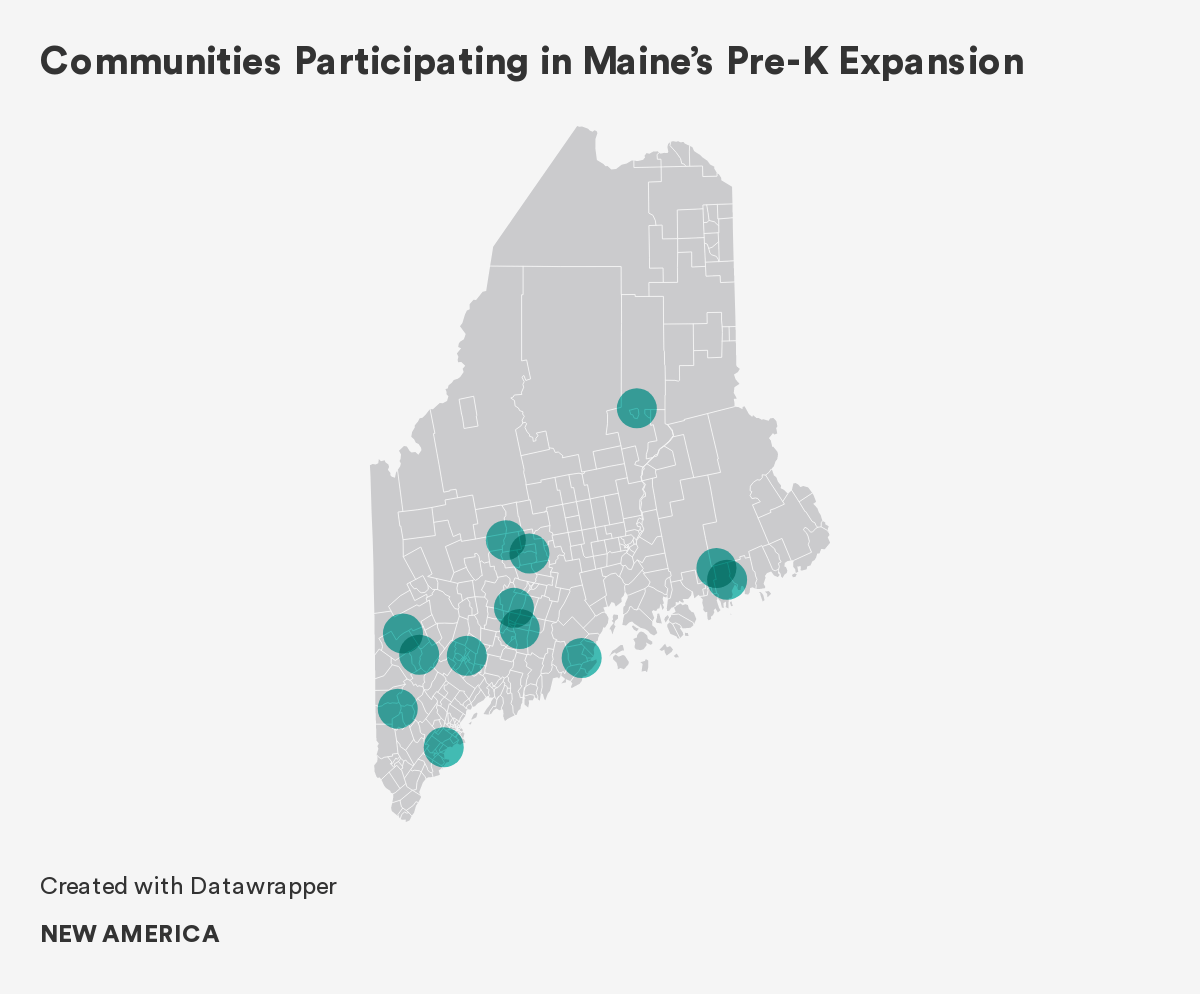
Integral to First 10 partnerships’ work building more coherent systems is a structured planning and plan implementation process. Each of Maine’s 13 First 10 community teams began this process by assessing local needs. The plans address each stage of the early childhood–elementary school continuum (i.e., ages 0 to 3, 3 to 5, and 5 to 10). They include strategies to improve teaching and learning, deepen partnerships with families, and provide comprehensive services to children and families. Within these packages of strategies, of course, communities may have particular areas of initial emphasis. For some, addressing trauma and/or engaging and supporting families may have been the first, most pressing priority while others focused initially on academic challenges in the early grades.
Each community constructed its initiatives and strategies in different ways. For instance, Lewiston was in the midst of a crisis of child and adult trauma as well as a merger of two elementary schools. Its plan combined an initial focus on social-emotional and trauma-informed teaching and learning, self-care supports for educators, increased supports for families, and deep collaboration between the district and the Head Start program on classroom quality and professional development. These first strategies are intended to lead to an increased focus on transitions and alignment across the early grades over time.
As another example, Sacopee Valley, a rural district in western Maine serving five small rural towns, structured its plan around four broad initiatives, each further defined through specific strategies:
- Improve family engagement and supports for children 0–8 and their families
- Continue providing a high-quality pre-K program
- Improve transition of all learners to kindergarten
- Improve classroom teaching and learning in the PreK–third grades
Key components of the first year of implementation for Sacopee Valley, as discussed further below, included:
- Collaboration between pre-K and kindergarten teachers and between pre-K and kindergarten children
- Collaboration between the school district and community-based preschools
- Comprehensive wraparound support services for families
- A new series of play and learn groups jointly organized by the school district and the public library with significant input from pre-K teachers
- Work in teacher professional learning communities on using data, determining essential standards, and improving literacy and math instruction in the early grades of elementary school
Three Emerging Themes
Three themes have emerged from the planning and implementation activities of Maine’s 13 First 10 community teams. Many created new structures to significantly deepen family engagement and support, often using school-based play and learn groups to begin building relationships with and supporting families well before children enter kindergarten. Most First 10 plans address the “seam” between early childhood and K–12 education and care, both instructionally and in terms of information-sharing about students. And many communities integrated efforts to improve pre-K and kindergarten teaching and learning into school and district initiatives to improve elementary school instruction more generally.
Creating New Structures to Engage and Support Families with Young Children
Reaching families with young children before the children enter pre-K and kindergarten emerged as a priority for most of the First 10 partnerships, one around which there was much enthusiasm. In particular, many of the teams were taken by the use of school-based play and learn groups in two First 10 exemplar communities, Multnomah County, Oregon and metropolitan Omaha, Nebraska.
School-Based Play and Learn Groups. Projects in Multnomah County and metro Omaha provide school-based play and learn groups to support children ages 0–5 and their families. The benefits of these programs include not only for the playful learning, information-sharing, and bonding that takes place during the sessions, but also to build relationships and trust with families, break down school-family barriers, and begin connecting families to comprehensive services prior to children’s entering kindergarten. It is helpful to keep in mind that in Maine, the First 10 communities had recently expanded high-quality pre-K through the federal PEG grant. The teams see play and learn groups as a way to reach children and families before pre-K and to reach additional families that are not participating in the new high-quality pre-K classrooms funded by PEG.
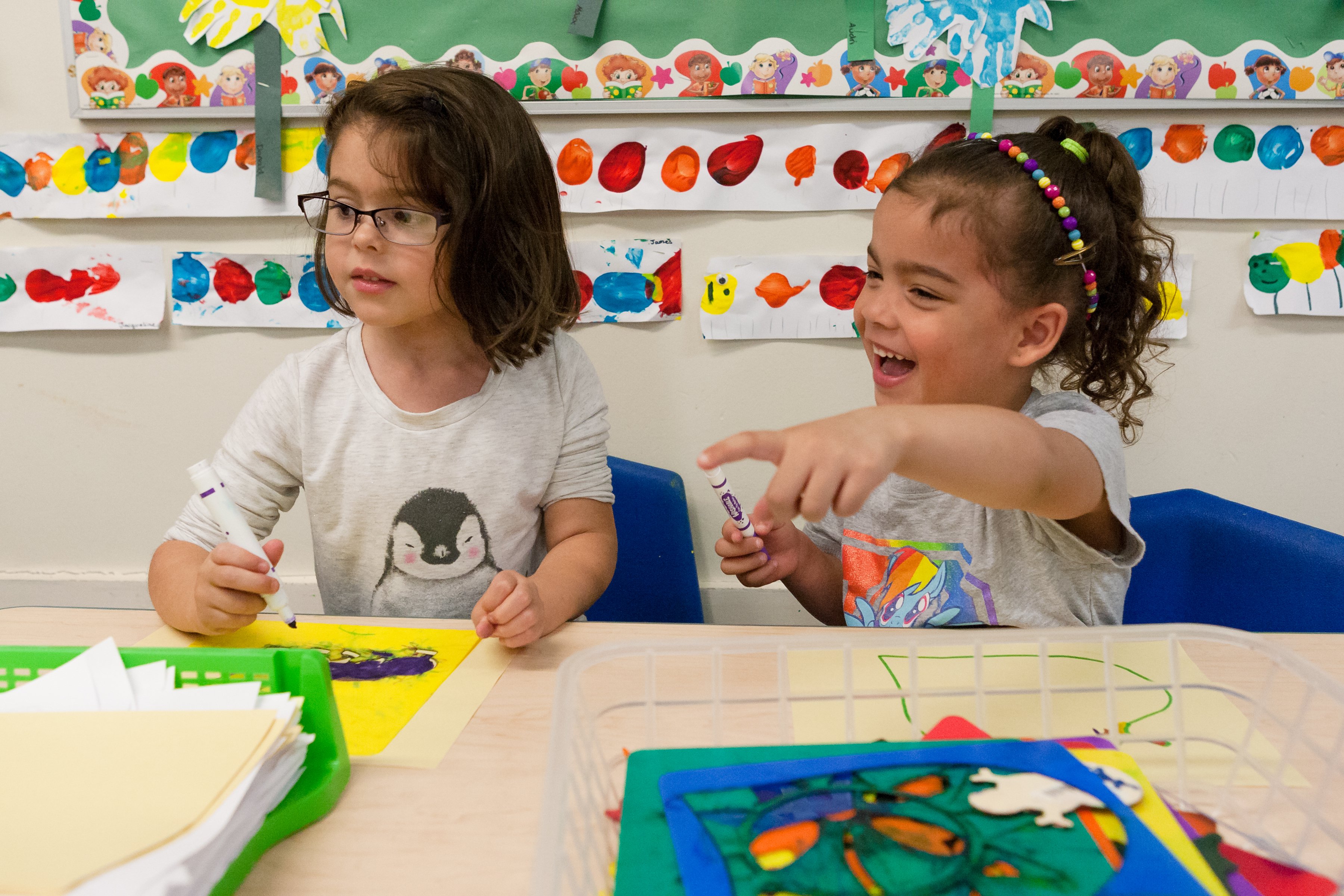
Several of the 13 Maine communities are implementing some form of new play and learn groups. In Millinocket, a small community in northern Maine approximately an hour from Bangor that is challenged by a dearth of social services, the idea of connecting to families well before kindergarten appealed to the First 10 team. The team ran a successful eight-week play and learn group series which families attended regularly and found to be enjoyable and helpful.
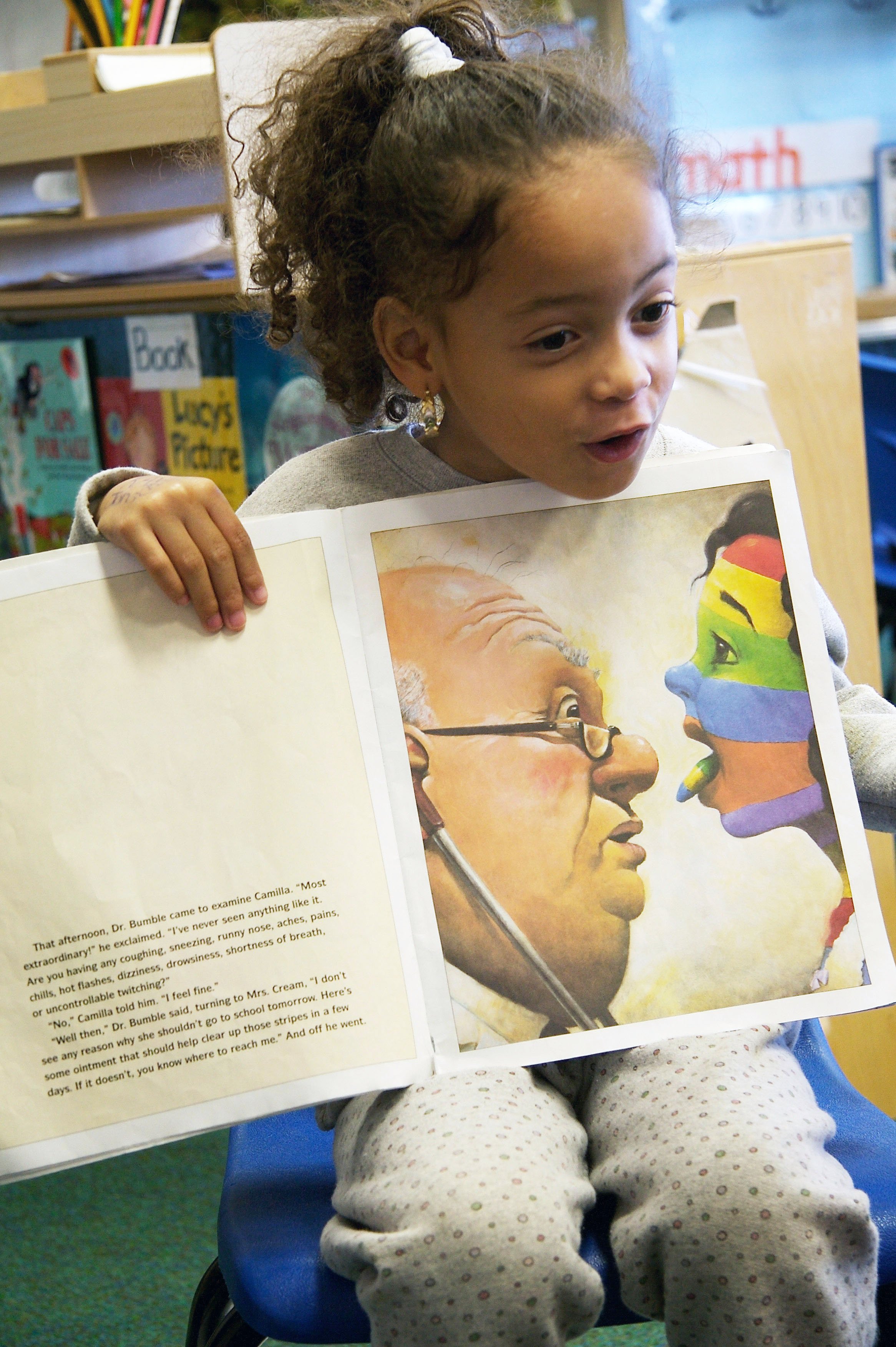
A New Library Partnership. Sacopee Valley in western Maine took a different approach to providing play and learn groups. Using the school, family, and community partnerships framework from Epstein et al. to conduct a needs assessment, this team identified a significant need to reach young children prior to kindergarten.1 The First 10 team has established a partnership with the local library, the first significant collaboration between the school district and the library on early childhood. District preschool teachers have partnered with librarians to design the play and learn groups, and the partnership is also sponsoring pajama hours and other family engagement activities. Each play and learn group session includes time, while children play, to share information with parents and caregivers on topics such as literacy, occupational therapy, and speech and language.
New Family Engagement Structures. Other communities have instituted new structures to serve families with young children. Old Orchard Beach, a coastal community with a low-income year-round population, has created a family resource center and conducted a survey to help determine what kinds of services families most need. Among the supports the resource center is providing are two monthly events for family groups: “Dine and Discuss” evenings, which are parent driven opportunities to connect with each other and discuss topics that they generate; and “Early Learning Matters” events in which staff prepare sessions on topics like building literacy skills.
Yet other communities, including some of the ones most impacted by family trauma and stress, have managed to hire full-time or part-time family liaisons. Lewiston hired a half-time family advocate who works closely with, and is guided by, Head Start’s family advocate, another indication of the value of this partnership. Lewiston is organizing trips to other communities, including the Harlem Children’s Zone in New York City, to inform how it will structure these roles and design family partnership and support strategies.
In another example of a new family engagement structure that also illustrates the value of district-Head Start partnerships, a Head Start agency2 that is part of the Regional School Unit 12 (RSU 12) First 10 team received a grant focused on health. In collaboration with the school district, the Head Start program has offered a health institute that served 100 participating families. The institute addressed oral health and mental health, ran wellness workshops, and provided resources such as children’s books, first aid kits, fire extinguishers, and puppets.
Bridging Gaps: Pre-K and Kindergarten, School and Community
RSU 12 is a rural district in central Maine that serves seven towns and has five elementary schools. Its First 10 team is a partnership between the district and two regional Head Start providers, which manage the PEG pre-K classes in district classrooms. Through its needs assessment, the First 10 team determined that there were significant gaps between pre-K and kindergarten, gaps in instructional alignment as well as in communication about rising kindergarten students. The team also concluded that the district had focused too exclusively on assessment as its kindergarten teachers were implementing the Teaching Strategies Gold assessment and not enough on a broader approach that also includes curriculum expectations and instructional practice.
For these reasons, RSU 12’s First 10 team initiated a major push to align the district’s pre-K and kindergarten classrooms and improve the transition experience for children and families.
“Ghost Walks” as a First Step. The RSU 12 First 10 team determined early on that it would draw on one of the most common initial strategies in transitions and alignment work (whether of the First 10, P–3, or B–3 varieties), and that is to organize classroom observation visits between pre-K and kindergarten teachers to compare instructional practices.3 These visits represented a concrete step away from the district’s initial narrower focus on assessment and towards more emphasis on instructional practice. Yet teachers expressed concern about these classroom visits, finding them, in the words of one administrator, “threatening.” So in response to these concerns, the First 10 team began the classroom visits with “ghost walks,” visits to empty classrooms in which pre-K and kindergarten teachers examined the physical design and the use of wall space, the public-facing aspects of the classrooms. These visits were guided by a protocol of questions: What did you notice? What surprised you? What affirmed or validated your own practice? They led to rich conversations and helped to build trust, setting the stage for subsequent cross-grade classroom visits while teaching was in progress.
While still “scary” for some of the participants, these conversations about observations of live teaching were “very powerful,” according to Director of Curriculum and Technology Deb Taylor. The pre-K and kindergarten teachers identified more similarities in instructional practice than they had expected, bringing to the surface misconceptions about how different the district’s pre-K and kindergarten classes were. The teachers found that in some instances the use of different vocabulary describing practices was obscuring some important underlying similarities in instructional philosophy and approach. These cross-grade visits and resulting discussions began breaking down some of the barriers that had hindered the two grades from moving beyond merely congenial relations to ones that allow for more productive collaboration.
Discussing the Needs of Each Child. Another important component of RSU 12’s alignment and transitions work revolved around communication between pre-K and kindergarten teachers regarding the needs of rising kindergartners. The First 10 partnership between the school district and the Head Start programs expanded the use of transition meetings so that they went from serving only children identified as having disabilities to meetings to discuss the academic and social-emotional needs of all the pre-K children moving up to kindergarten, about two-thirds of the incoming kindergarten class. RSU 12 found the exchange of qualitative observational information about the children to be especially valuable in preparing kindergarten teachers, countering, in Taylor’s view, a tendency to focus on quantitative data only.
School and Community Collaboration. The changing relationship of pre-K and kindergarten teachers in RSU 12 was made possible through the strong collaboration between the school district and the Head Start providers on the First 10 team. This pattern of increasing collaboration between school districts, Head Start programs, and in some cases community-based preschools was pronounced in many of Maine’s First 10 communities. A couple of additional examples suggest how these collaborations extended beyond educators working within the same school.
In Lewiston, for example, the district and the Head Start provider, the Promise Early Education Center, have developed a particularly strong partnership focused on improving quality in their combined pre-K classrooms. Most of Maine’s PEG communities use the OWL (Opening the World of Knowledge) pre-K curriculum. The Promise Early Education Center has much more experience implementing this curriculum, and thus has been able to provide implementation guidance that the district regards as invaluable. Further, the district pre-K coordinator and the Head Start education manager are both certified as reliable on the Teacher Pyramid Observation Tool, which they are using to advance practice as they establish a common approach to social-emotional development and behavior. These two leaders also work hand in hand developing monthly joint professional development workshops and book studies for their teachers. Topics include supporting dual language learners, implementing socially responsive classrooms, and trauma-informed practices.
The pre-K coordinator and the Head Start education manager see this work as building a community across the pre-K classrooms in Lewiston. Future plans for Lewiston include integrating kindergarten into some of the current professional development sessions and developing a district transition-to-kindergarten plan—which in turn is intended to set the stage for further alignment and quality improvement work in the early elementary grades.
Extending Collaboration to Community-Based Preschools. Like RSU 12, Sacopee Valley also organized cross-grade classroom observations between pre-K and kindergarten teachers. As one kindergarten teacher said, “we don’t know what they teach, and they don’t know what we teach.” The teachers found these visits to be “very effective” in communicating the standards each grade covers and how. The team also organized meetings between pre-K and kindergarten teachers to discuss data as well as specific rising kindergartners (with parental permission).
Extending this work, the First 10 team has also reached out to community-based preschools, drawing on existing personal relationships in their small community. They visited each preschool program to deliver a transition form and garner interest in a pizza night to bring together the district and all the preschool programs. Prior to this outreach the district had no information about rising kindergartners from community-based preschools. As one teacher shared, “this is exciting to me as a kindergarten teacher—to know more about these kids. This is huge.”
Improving Teaching and Learning in the Early Grades
Maine’s First 10 partnerships developed strategies to improve pre-K and kindergarten curriculum and instruction while integrating and aligning these two early grades into broader district initiatives to improve elementary school education.
High-Quality Early Grades Curricula. As mentioned above, most of the Maine PEG grantee communities were using the first edition of the OWL pre-K curriculum. Additionally, the Maine DOE is supporting the implementation of a customized version of the Boston Public Schools Focus on K2 kindergarten curriculum in a number of communities, including two that also participated in the PEG grant. Boston’s kindergarten curriculum was developed to be in alignment with its version of the OWL curriculum. The kindergarten curriculum initiative is called Kindergarten for ME, and Old Orchard Beach and Oxford Hills have integrated Kindergarten for ME into their First 10 plans and are working to support its successful implementation in their district classrooms. The DOE is hopeful that as the Kindergarten for ME initiative expands, additional First 10 communities will adopt it and integrate it into their plans.
Integrating Prekindergarten into Elementary School Improvement Efforts. In addition to working to improve pre-K and kindergarten teaching and learning through the use of high-quality curricula, a number of Maine’s First 10 partnerships made significant strides in integrating pre-K—in developmentally appropriate ways—into elementary school improvement plans.4 RSU 12’s efforts to align pre-K and kindergarten, discussed earlier, led to integrating pre-K into elementary schools more generally. At the prompting of its Head Start partners, RSU 12 identified numerous school structures that did not include pre-K, such as the school’s early grades vertical meetings and its Response to Intervention handbook. Deb Taylor, director of curriculum and instruction, reflects on her community’s integration of pre-K, saying, “we were forever coming up against a failure to include that wasn’t at all purposeful. We had leadership structures that excluded [pre-K] classrooms down the hall. This was a big take-away. It required a degree of mindfulness and intentionality. It took a year. Every structure had to be re-examined.”
Similarly, Oxford Hills has integrated pre-K into district-wide instructional improvement initiatives focused on prioritizing and unpacking standards. Pre-K teachers in Sacopee Valley now participate in the same improvement activities as the teachers in other grades: data meetings, determining essential standards, and literacy and math initiatives.
As a final example, Old Orchard Beach uses a common behavioral assessment tool across pre-K through first grade and has developed a pre-K to grade 12 scope and sequence document. Further, Old Orchard Beach has a strong commitment to using the CLASS observation tool for coaching purposes in all elementary school classrooms. The district has integrated pre-K into this work. In doing so, it is developing a common language and common expectations about quality teaching and learning based on the CLASS tool’s emphasis on teacher-child interactions and its three domains: emotional support, instructional support, and classroom organization.
The First 10 planning process also provides communities with an opportunity to take stock of current elementary school teaching and learning initiatives, determine next steps, and ensure that instruction is aligned and transitions are coordinated across all the elementary school grades. Lewiston, for instance, plans to continue its transitions and alignment work up through the grades over time. Given the structure, composition, and original preschool expansion aim of Maine’s PEG teams, its improvement efforts—thus far—have focused more on improving and aligning pre-K and kindergarten and integrating these grades into existing elementary school instructional improvement initiatives rather than making more fundamental changes to teaching and learning in the grades above kindergarten.
Citations
- Joyce L. Epstein et al., School, Family, and Community Partnerships: Your Handbook for Action, 4th ed. (Thousand Oaks, CA: Corwin Press, 2018).
- The Southern Kennebec Child Development Corporation Head Start.
- Jacobson, All Children Learn and Thrive.
- For more on the challenge of integrating district pre-K classrooms into elementary school programming and elementary school communities, see pages 47–48 of All Children Learn and Thrive.