Rising Seas, Sinking Homes
Corrected at 4:38 p.m. on August 8, 2024: This section has been changed to correct an inaccuracy in the mention of research that predicts coastal property owners will incur $350 billion in losses between 2060 and 2079, which then balloons to $880 billion over the following 20 years, not $350 billion in annual losses by 2070 ballooning to $880 billion per year by 2090 as previously written.
Climate change poses an unprecedented threat to U.S. communities. The increasing frequency and severity of storms and flooding—exacerbated by rising sea levels—threaten lives, homes, and infrastructure. Even with global mitigation efforts to prevent future warming, the Intergovernmental Panel on Climate Change (IPCC) warns that the rate of sea-level rise is accelerating and it projects that oceans worldwide will rise by an average of one foot by 2050. Looking further ahead, sea levels could increase by nearly three feet by 2100, which could fundamentally transform current coastal landscapes.
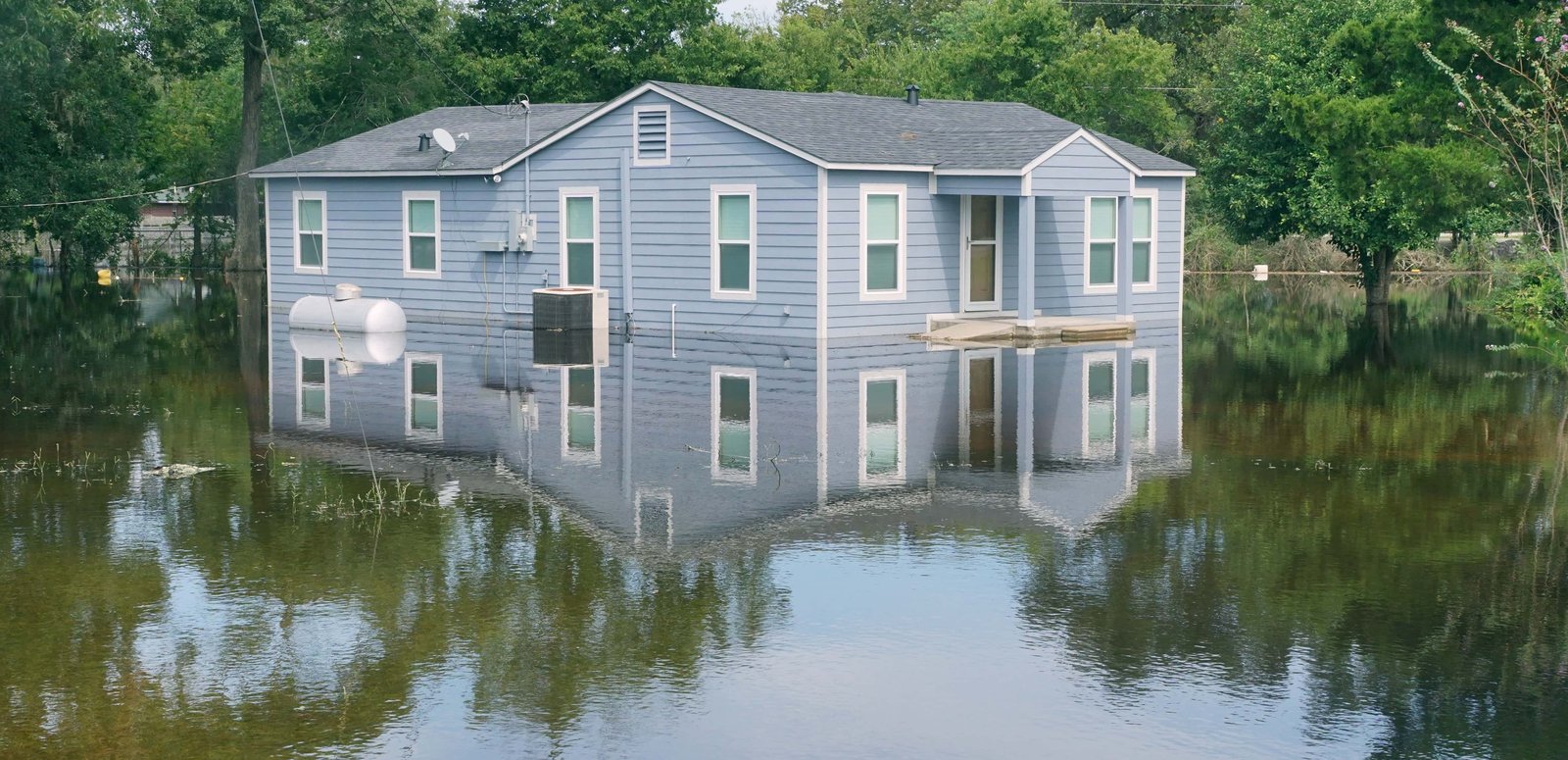
Sea-level rise will worsen coastal flooding at all levels by 2050, according to the latest projections from the National Oceanic and Atmospheric Administration. Moderate flooding, which often damages houses and infrastructure, will likely occur 10 times more often than it does today, while the average rate of high-tide flooding will double. Major coastal storms associated with severe flooding, such as Atlantic hurricanes and landfalling atmospheric rivers on the West Coast, are expected to increase and intensify in the coming decades. Continued population growth on the coasts, and with it increased development, will leave communities more vulnerable to flood-related risk. In the absence of climate adaptation strategies, the IPCC anticipates that coastal communities globally will experience double the amount of annual flood damages by 2100.
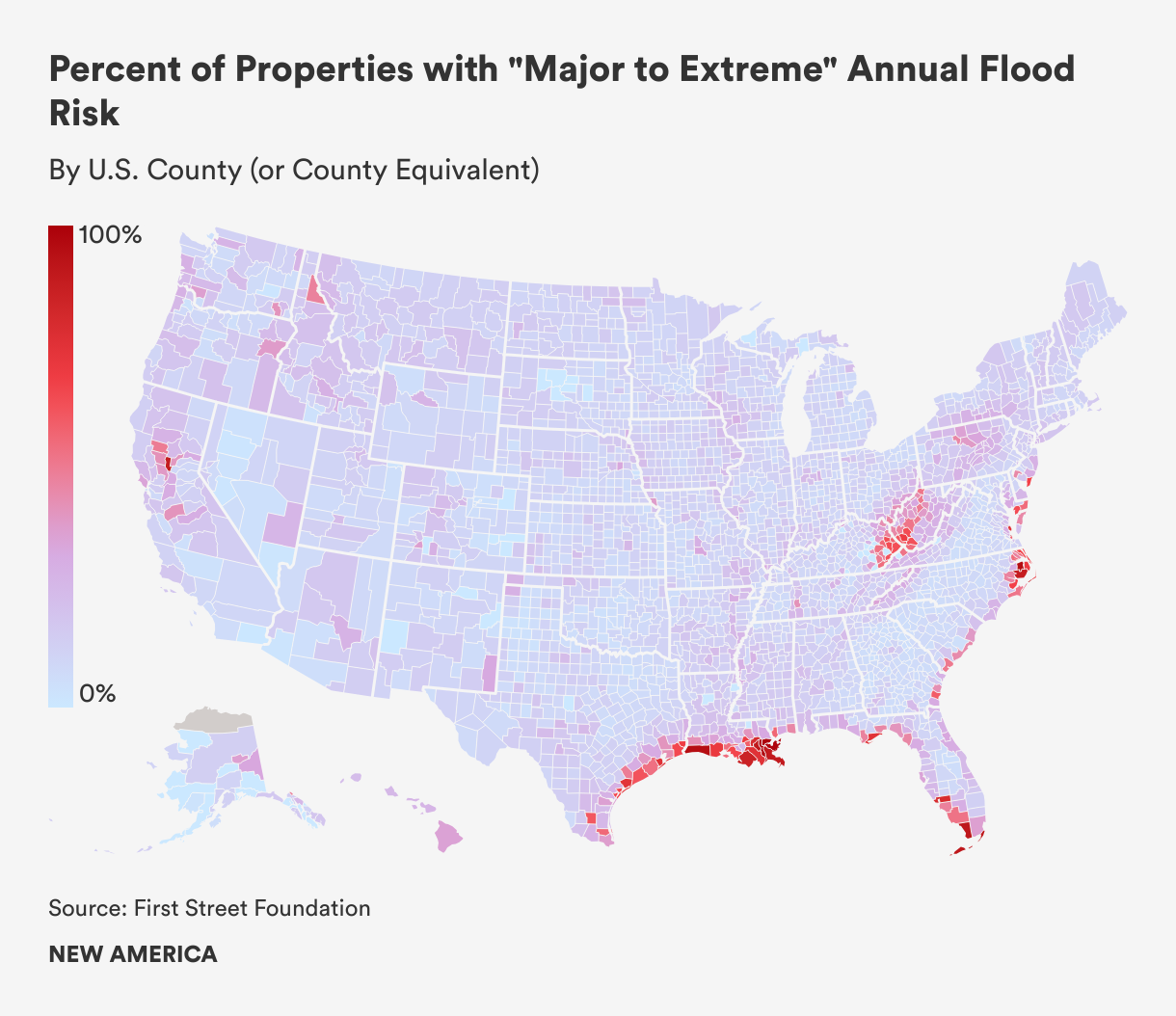
Accelerated climate impacts threaten tens of millions of homes in the U.S., notably in coastal communities. Approximately $1 trillion in real estate is at risk on the coasts and increased flooding is predicted to destroy billions of dollars of property by 2050, with the greatest impacts in the Atlantic and Gulf regions. Research from the Brooklyn-based nonprofit First Street Foundation found that flooding, the most common and costliest natural hazard, will threaten 23.5 million properties in the next 30 years. In particular, climate change will very likely compound the U.S. affordable housing crisis; peer-reviewed research projects that the number of affordable units threatened by coastal flooding will triple by 2050.
Increasingly severe climate impacts on U.S. housing security are expected to displace millions of people in the coming decades, likely causing a “ripple effect” of migration inland. The Internal Displacement Monitoring Centre found that 1.7 million Americans were displaced by natural disasters in 2020. This number is only expected to increase: Research from the University of Southern California projects that sea-level rise alone will displace 13 million people by 2100. Tulane University professor Jesse Keenan suggests that 50 million Americans could eventually move due to climate impacts more broadly. The scale of this expected displacement will reshape both coastal and inland communities socially, economically, and politically.
Climate Impacts on Vulnerable U.S. Populations
Socially and economically vulnerable populations, including minority and low-income communities, are disproportionately impacted by climate change and its associated risks to housing. These marginalized groups are more likely to live in areas exposed to climate risks, due to historic discriminatory policies such as redlining, urban renewal, and disinvestment. In large part, these policies have also led to insufficient, low-quality, or failing housing and infrastructure, all more vulnerable to climate-related damage. Renters are at even greater risk, as natural hazards threaten 40 percent of all U.S. rental housing, leaving lower-income populations with increasingly few housing options. Native Americans also face heightened risks due to near-total land dispossession historically, which has forced these communities into areas with greater climate vulnerability and fewer resources to address such threats.
Inaction within these projected scenarios would be tremendously expensive. With no climate adaptation, annual financial damage to U.S. coastal property is estimated to reach $5 trillion through 2100. Research from Industrial Economics and the University of Colorado predicts that if the government does nothing to move communities away from at-risk areas or otherwise adapt to climate change, coastal property owners will incur $350 billion in losses between 2060 and 2079, which then balloons to $880 billion over the following 20 years. In stark contrast, the study found that proactive adaptation would be 10 times less expensive.
Beyond the economic costs of inaction, there are potential social, political, and environmental consequences. Without proactive steps to reduce risk, climate change is expected to exacerbate existing social inequities as vulnerable populations, such as elderly Floridians or Native Alaskans, are least able to respond to severe hazards on their own. Poorly planned risk reduction strategies, often known as “maladaptation,” can result in financial losses, increased vulnerability, and greater distrust among residents towards government. And finally, ecosystems will suffer: During Hurricane Ian in Florida, for example, sewage pipes overflowed into waterways and gasoline leaked from submerged vehicles, polluting the coastal environment and posing threats to human health.