Army Logistics in the Pacific
Abstract
The Indo-Pacific Theater is a vast geopolitical region that encompasses the Indian Ocean and includes countries and regions such as South Asia, Southeast Asia, East Asia, and the Western Pacific. In April 2021, the United States Indo-Pacific Command (USINDOPACOM) commander, Admiral John Aquilino, stated, “The Indo-Pacific is the most consequential region for America’s future and the priority theater for the Department of Defense.” USINDOPACOM is a highly complex Area of Responsibility that presents a multilayered problem set regarding national security, with four of five national security threats— including China, Russia, North Korea, and violent extremist organizations—in the region.
Logistics challenges are present across all sectors of the Indo-Pacific Theater, from the port of embarkation for an Army unit on our West Coast to the port of debarkation in a locale that might range from Japan to Luzon, the largest island of the Philippines, or even Taiwan.
This report brings together both experience in logistics operations and research on the issues of logistics in the Pacific to provide a snapshot of key issues and operational challenges facing the United States—from equipment modernization to collaboration with allies and prioritization of data security.
By addressing these challenges, it will be possible to improve logistics operations in the Indo-Pacific Theater and ensure the success of sustainment operations. But to wait until after the conflict begins is to invite disaster.
Acknowledgments
Thanks to New America for investing in me and Peter Singer for his invaluable guidance and support. I also extend my thanks to the Army staff, J-4 Logistics and Engineering staff, the logistics community, and all the other Armed Services and leaders who have generously supported my work. I am genuinely grateful for the unwavering support of my husband, Elliot Skillern, and my dear friends, Tracy Price-Thompson and Lieutenant Colonel (Retired) Robin Smith.
Editorial disclosure: The views expressed in this report are solely those of Colonel Carmelia Scott-Skillern and do not necessarily reflect the views of New America, the government offices featured in this report, or their employees.
Downloads
Introduction
“Amateurs talk strategy. Professionals talk logistics.” These wise words, often attributed to General Omar Bradley, ring even more true today.
The challenges of war have changed significantly over the past two decades, resulting in changes to Army structure and equipment modernization. However, the characteristics of sustainment have yet to evolve. The U.S. must strengthen its deterrence posture in the Indo-Pacific to deal with the challenges emerging from our adversaries, especially the pacing challenge in the Pacific. As the Army focuses on the Pacific region, it must acknowledge the obstacles it must overcome to handle the challenges, including the growing threat in the Pacific.
One of the enormous challenges is logistics. Logistics is undeniably crucial in military operations as it ensures the timely and effective movement of personnel, equipment, and supplies. However, despite its significance, logistics often need to be noticed or more emphasized in policy discussions, debates, and wargames. There are several reasons why this might occur.
- An Outsized Focus on Tactical and Strategic Considerations: Policy discussions, debates, and wargames often prioritize tactical and strategic aspects of military operations, such as combat operations, intelligence, and strategic planning. While these aspects are undoubtedly vital, the intricate details of logistics tend to receive less attention as they are seen as supporting elements rather than central components of military decision-making.
- Perception of Invisibility: Logistics functions are often viewed as background operations that are less visually compelling or attention-grabbing than combat actions. This perception can lead to a lack of awareness about logistics’ critical role in supporting military operations and achieving mission success.
- Complexity and Technical Nature: Logistics involves complex systems, processes, and coordination across multiple stakeholders, making it challenging to comprehend fully. The technical nature of logistics operations can make it difficult for policymakers and decision-makers without logistics expertise to fully grasp its intricacies and potential implications.
- Short-Term Focus and Cost Concerns: In policy discussions and debates, there may be a tendency to prioritize short-term objectives and immediate results over long-term logistical planning and investments. The costs associated with logistics, such as infrastructure development, maintenance, and supply chain management, can also lead to budgetary concerns that overshadow the broader strategic importance of logistics.
To address the current lack of emphasis on logistics in policy discussions and wargames, raising awareness about its importance and highlighting the potential consequences of neglecting logistics planning and coordination is crucial. This can be achieved through educational efforts, training programs, and incorporating logistics-focused scenarios and exercises into wargames and simulations. For example, in 2014, General Vincent Brooks developed the Pacific Pathways program, combining a series of partner-nation exercises into an integrated operation to build partnership capacity and readiness throughout the Pacific. Pacific Pathways is composed of annual Army partner exercises within the Pacific, including Khaan Quest, Cobra Gold, Keris Strike, Talisman Saber, Orient Shield, Hanuman Guardian, Salaknib, Yudh Abhyas, and the U.S.-China Disaster Management Exchange.1 Major General David Wilson says, “These exercises increase multinational interoperability, assist in developing a regional sustainment network, enable experimentation with new Army capabilities, and support the rebalance of forces forward in the Pacific. As Pacific Pathways evolves, the Army prepares for persistent forward presence in the Indo-Pacific across all domains.”2
Prioritizing logistics is the key to the success of sustainment operations in the Pacific and ensuring that supplies reach where they are needed the most. By promoting a comprehensive understanding of logistics and its impact on military operations, policymakers can make informed decisions and develop strategies that account for logistical considerations from the outset, ensuring greater operational effectiveness and success.
Methodology
The findings in this report are drawn on insight from several sources. These include interviews with subject matter experts (SMEs), case studies, a literature review, and more.
As part of the research process, SMEs in logistics were interviewed to gather their expertise and insights. These interviews provided valuable firsthand information and perspectives from experienced professionals in the field. Historical case studies of sustainment operations were also conducted to examine past logistics experiences in relevant contexts. These case studies offered insights into the challenges and strategies employed in sustaining military operations. A thorough review of Doctrine JP4.0 was completed, which pertains to logistics and sustainment operations, to understand the established principles, guidelines, and frameworks outlined by military authorities. This doctrinal review provided a foundation for understanding best practices and standards in logistics and historical information and insights into logistics operations during the Pacific campaign.3 It offered specific examples and context regarding logistics challenges and strategies employed during that time.
A webinar series focused on logistics in the Pacific Theater also provided access to expert perspectives and research on logistics operations. The webinars allowed for the exploration of contemporary insights and discussions related to logistics in the specific context of the Pacific Theater. Finally, engagement with military commands and staff offered insightful perspectives that informed this report. Engagement with organizations such as the Joint Staff, Combined Arms Sustainment Command, Army G-3, Army Sustainment Command, and Army G-4 provided opportunities to gather information, insights, and perspectives from professionals involved in logistics planning and execution.
Drawing on these diverse perspectives and sources, this report hopes to provide a comprehensive understanding of logistics challenges and best practices in the Pacific Theater.
Citations
- Biden-Harris Administration, National Security Strategy (Washington, DC: The White House, October 2022).
- Major General David Wilson, “Army Sustainment Capabilities Instrumental to the Joint Force in the Indo-Pacific Region,” Joint Force Quarterly 108 (2023).
- Charles River Editors, Island Hopping across the Pacific Theater in World War II: The History of America’s Victorious Leapfrogging Strategy against Imperial Japan (Scotts Valley, CA: CreateSpace Publishing, 2017).
Scoping the Problem
The practice of logistics has been around since the earliest known standing Army of the Assyrians at about 700 B.C.1 Logistics has been a driving force behind the United States Army’s triumphs on the battlefield throughout history. From the American Revolution to modern-day conflicts, including the Civil War, Desert Storm, Afghanistan, and the ongoing conflict in Ukraine, the United States Army has demonstrated exceptional logistical capabilities that have shaped the outcomes of these wars.
In the American Revolution, the United States Army showcased its logistical prowess in sustaining the Continental Army and outmaneuvering the formidable British forces. Through effective supply chain management, transportation, and maintenance, the Continental Army overcame resource challenges and gained a strategic advantage.
During the Civil War, the United States Army witnessed a transition to more advanced logistics practices. Innovations such as railroads, telegraphs, and supply depots revolutionized logistical operations, enabling efficient troop movements, communication, and supply distribution. These advancements were pivotal in shaping the battlefield and influencing the war’s outcome.
The United States Army’s logistics excellence was further evident in Operation Desert Storm, where it executed a swift and successful military campaign against Iraq. Rapid deployment of multinational forces, coordinated supply chains, and efficient support systems were crucial factors that enabled the United States Army to achieve decisive victories on the battlefield.
In the challenging terrain of Afghanistan, the United States Army faced complex logistical obstacles. However, it sustained military operations and effectively supported troops in a dynamic and unpredictable environment through adaptive planning, innovative strategies, and efficient supply chain management.
Modern-day conflicts, such as the ongoing conflict in Ukraine, continue to test the logistical capabilities of the United States Army. The ability to coordinate multinational efforts, manage supply chains in volatile regions, and support troops in ever-changing circumstances demonstrates the Army’s commitment to logistical excellence in shaping the battlefield and contributing to overall mission success.
From the American Revolution to modern-day conflicts in Afghanistan and Ukraine, the Army’s ability to effectively manage resources, transport troops and supplies, and adapt to changing circumstances has been instrumental in securing victories. By continually refining and innovating its logistical practices, the United States Army maintains its position as a formidable force, ready to face the challenges of future conflicts.
“From the American Revolution to modern-day conflicts in Afghanistan and Ukraine, the Army’s ability to effectively manage resources, transport troops and supplies, and adapt to changing circumstances has been instrumental in securing victories.”
Recent events in Russia have shown that inadequate preparation, poor logistics, and unrealistic planning can all lead to a potential defeat on the battlefield. Examining the importance of logistics in Ukraine can provide the United States with valuable insights applicable to the Pacific region. While the conflicts and geopolitical dynamics may differ, overarching lessons can be learned.
- Multinational Coordination: The ongoing conflict in Ukraine involves various actors and requires coordination with multinational partners. The United States can draw lessons on establishing effective multinational logistics networks, including supply chain management, communication protocols, and interoperability with allied forces. These insights can be valuable in enhancing logistics coordination with Pacific allies and partners.
- Complex Terrain and Infrastructure Challenges: Ukraine’s diverse terrain, including urban areas and rugged landscapes, presents logistical complexities. The United States can apply the lessons learned in overcoming logistical challenges posed by complex environments, such as establishing efficient transportation networks and ensuring the adaptability of supply chains. These insights can inform logistics planning for operations in the Pacific region, which includes diverse landscapes and remote areas.
- Rapid Deployment and Sustainment: Ukraine’s conflict has involved the rapid deployment of forces and sustaining operations in a dynamic and evolving environment. Understanding the logistics strategies employed in Ukraine, such as prepositioning of equipment and supplies, agile supply chain management, and flexible support systems, can provide the United States with valuable insights for quick response and sustained operations in the Pacific.
- Adaptability and Resilience: The conflict in Ukraine has witnessed constant changes and unforeseen circumstances. The United States can learn from the adaptability and resilience of logistics operations in Ukraine, including improvisation in the face of resource constraints, innovative use of technology, and the ability to respond to evolving threats. These insights can help enhance the adaptability and resiliency of logistics capabilities in the Pacific region.
- Information Sharing and Intelligence: Ukraine’s conflict underscores the importance of timely and accurate information sharing for effective logistics operations. The United States can glean insights into information-sharing mechanisms, intelligence gathering, and communication networks employed in Ukraine.
Applying these lessons can improve situational awareness, support decision-making processes, and enhance logistics effectiveness in the Pacific. By analyzing the importance of logistics in Ukraine, the United States can gain valuable insights that inform the development of logistics strategies, capabilities, and coordination specific to the Pacific region. Understanding the challenges, successes, and innovations observed in Ukraine’s conflict can improve readiness, efficiency, and effectiveness in supporting military operations in the Pacific Theater.
While there are valuable insights to be gained from logistics lessons learned in Ukraine, it’s essential to acknowledge that not all aspects may directly apply to a Pacific Theater situation.
Here are a few factors that may influence the applicability of lessons learned:
- Geopolitical and Operational Context: Ukraine's geopolitical dynamics and operational environment differ significantly from the Pacific Theater. The specific challenges, terrain, infrastructure, and logistics networks in the Pacific may require tailored solutions and approaches that may not directly align with those employed in Ukraine.
- Operational Scale and Scope: The scale and scope of operations in Ukraine may differ from those in the Pacific. The Pacific Theater involves a vast area with diverse environments and potential operational scenarios. Logistics operations must consider the unique challenges of long distances, remote areas, and potentially dispersed operations, requiring specific logistical adaptations.
- Regional Alliances and Infrastructure: The Pacific Theater involves various regional alliances and existing infrastructure that may necessitate different logistical approaches. Existing partnerships, basing agreements, and established infrastructure networks can impact logistics planning and execution, requiring tailored solutions specific to the Pacific region.
- Threat Environment and Force Posture: The threat environment and force posture in the Pacific Theater may differ from Ukraine. The specific nature of potential adversaries, their capabilities, and the strategic objectives in the Pacific can influence logistics considerations, including force protection, resilience, and adaptability.
While lessons from Ukraine can offer valuable insights, it is crucial to contextualize and adapt them to the unique challenges, requirements, and dynamics of the Pacific Theater. The United States must consider the specific regional factors, operational objectives, and potential partnerships to effectively tailor logistics strategies and capabilities to support military operations in the Pacific.
To enable successful operations against future adversaries in the Pacific region, the Army must better prepare for the three challenges that inherently accompany logistics in this region: contested logistics, tyranny of distance, and modernization of equipment.
Contested Logistics
Staff Sergeant Luis Nieves/331st Transportation Company
In the Pacific, logisticians at all levels must have the freedom of action to operate autonomously in a contested environment to maintain a strategic advantage. Today, Army forces can expect to deploy anywhere in the world with threats from adversaries. Consequently, contested logistics pose significant challenges to U.S. military operations. The Army’s role in this endeavor is crucial and cannot be understated.
As the Army navigates the logistics environment, they face numerous challenges that require careful consideration. The Army must confront increased threats to supply chains, limited mobility, and the need to operate in austere environments. Contested logistics in the Pacific could mean adversaries actively target and disrupt logistics operations, aiming to impede the movement of personnel, equipment, and supplies for the United States Army, its allies, and other services. There are impacts to contested logistics, including targeted assets and tactical and strategic consequences.
Targeted Assets
Adversaries could target various logistics assets, including:
- Supply convoys: Attack or interdiction of ground-based transportation routes, disrupting the flow of supplies.
- Ports and airfields: Attempt to disable or deny access to critical transportation hubs for deployment and sustainment.
- Communication networks: Disrupt communication systems and infrastructure that supports logistics coordination and information sharing.
- Fuel and ammunition depots: Destruct or sabotage of storage facilities to limit the availability of critical resources.
- Maritime and aerial supply lines: Interfere with sea and air transportation routes, hindering the delivery of supplies and reinforcements.
Tactical Consequences
- Disrupted supply chains: Delays or shortages in critical supplies impact the readiness and effectiveness of forces on the ground.
- Reduced mobility: Restrictions on the movement of troops and equipment limit operational flexibility and response capabilities.
- Increased vulnerability: If resupply and reinforcement efforts are hampered, troops and equipment may become more exposed to enemy attacks.
- Impacted sustainment operations: Provision of medical support, maintenance services, and other essential sustainment functions are more difficult.
Strategic Consequences
- Degraded operational tempo: Disrupted logistics operations can slow the pace of military operations, affecting the overall campaign timeline and objectives.
- Diminished force projection: Limitations on the ability to rapidly deploy forces and sustain operations potentially reduce deterrence and combat effectiveness.
- Impaired alliance coordination: Disrupted logistics can strain coordination and interoperability with allied forces and impact the cohesion and effectiveness of joint operations.
- Increased risks to force posture: Troops and equipment may be more exposed to threats due to limited resources and diminished force protection capabilities.
Contested logistics in the Pacific present significant challenges that require comprehensive planning, coordination, and resource allocation. Addressing vulnerabilities and implementing strategies to mitigate disruptions are essential to maintaining operational readiness and sustaining military effectiveness in the face of such challenges.
Tyranny of Distance
Major Matthew Devivo/113th Sustainment Brigade
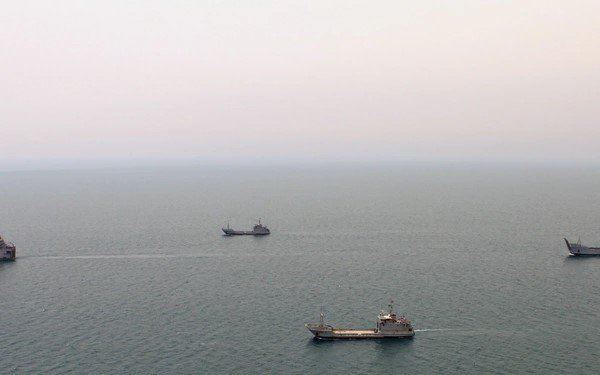
As we consider the logistics challenges in the Pacific, another challenge that stands out is the tyranny of distance. This term refers to the logistical challenges posed by the vast distances in the Pacific Theater, where operations and distribution efforts span across significant distances between bases, theaters, and strategic locations. The vast expanse of the Pacific Ocean and the remote nature of many islands and territories create unique logistical complexities.
Logistics Challenges
Logistics challenges generally associated with the tyranny of distance include:
- Extended supply lines: The extensive distances in the Pacific Theater require transporting personnel, equipment, and supplies over long and often vulnerable supply lines, resulting in increased logistical requirements and potential vulnerabilities.2
- Time-sensitive operations: The prolonged transit times and distances impact operational planning and response times, making it crucial to ensure timely delivery of critical supplies and resources.
- Limited infrastructure: Some areas in the Pacific lack well-developed infrastructure, including ports, airfields, and transportation networks, requiring additional efforts to establish and maintain logistical capabilities.
Remote Island Operations
The logistical challenges associated with these remote island operations include:
- Supply and sustainment: The procurement and transportation of supplies, such as food, water, fuel, and ammunition, becomes more complex due to the extended distances and limited local sources. Ensuring regular resupply and sustainment operations is essential to support the forces deployed on the island.
- Maintenance and repair: The remote location can hinder the availability of repair facilities and logistical support for equipment maintenance. Effective logistical planning and coordination are crucial to ensure timely repairs, minimize downtime, and sustain operational readiness.
- Personnel rotation: Long distances and extended transit times make personnel rotations and relief efforts more logistically demanding. Ensuring seamless personnel rotation while maintaining operational continuity requires careful coordination of transportation and logistical resources with all Services and allies.
Impact on Military Effectiveness
The logistical challenges resulting from the tyranny of distance in the Pacific Theater matter due to their direct impact on military effectiveness and operational capabilities. These include:
- Operational readiness: Effective logistics are essential to maintain operational readiness by providing timely access to supplies, fuel, equipment, and personnel support.
- Force projection: The ability to project military power across vast distances depends on efficient logistics. Inadequate logistics can hinder the rapid deployment of forces and the support required for sustained operations.
- Resilience and adaptability: Robust logistics capabilities enable forces to adapt to changing operational conditions, respond to unforeseen events, and overcome logistical obstacles, enhancing overall mission effectiveness.
Addressing the logistics challenges posed by the tyranny of distance in the Pacific requires comprehensive planning, resource allocation, and innovative approaches to sustainment, transportation, and coordination. By ensuring efficient and resilient logistics networks, military forces and allies can overcome these challenges and maintain operational readiness across the vast expanse of the Pacific Theater.
Aerial Delivery
Aerial delivery is a critical function in the Pacific to negate the tyranny of distance due to several key reasons.
First, aerial delivery enables the Army to respond swiftly to emerging situations or operational requirements in remote locations. By leveraging aircraft, such as cargo planes or helicopters, they can rapidly transport personnel, equipment, and supplies, ensuring timely support to forces on the ground.
Second, the Pacific region encompasses vast expanses of ocean and numerous remote islands. Aerial delivery provides the means to reach these remote areas efficiently. It ensures that troops in remote outposts or forward operating bases receive the necessary resources and reinforcements, overcoming the logistical challenges of long distances and limited ground infrastructure.
Third, aerial delivery offers the Army flexibility and agility in deploying assets and adjusting operational priorities. It allows for the rapid movement of forces and equipment to different areas as needed, adapting to changing battlefield dynamics or emerging threats. This flexibility is essential in the Pacific, where strategic priorities may shift across diverse operational theaters.
Fourth, aerial delivery is a critical method for logistical resupply, replenishing troops with essential items such as food, water, ammunition, medical supplies, and spare parts. By utilizing aerial platforms, the Army can ensure a continuous logistics flow even in challenging or contested environments, supporting sustained combat operations.
Fifth, aerial delivery enhances operational maneuverability by providing the ability to shift forces or conduct airborne operations rapidly. It enables the Army to conduct air assaults, airborne insertions, or aerial reconnaissance, expanding their operational reach and maintaining high mobility in the Pacific region.
Finally, aerial delivery capabilities are vital for humanitarian assistance and disaster relief operations in the Pacific. In response to natural disasters or humanitarian crises, the Army can utilize aerial assets to transport emergency aid, rescue personnel, and deploy medical teams and relief supplies to affected areas quickly and efficiently.
Overall, aerial delivery by the Army in the Pacific helps overcome the tyranny of distance by ensuring timely response, reaching remote areas, providing flexibility and agility, supporting logistical resupply, enhancing maneuverability, and facilitating humanitarian operations. It is a critical enabler for effective military operations in the Pacific Theater.
Intra-Theater Lift Improvement
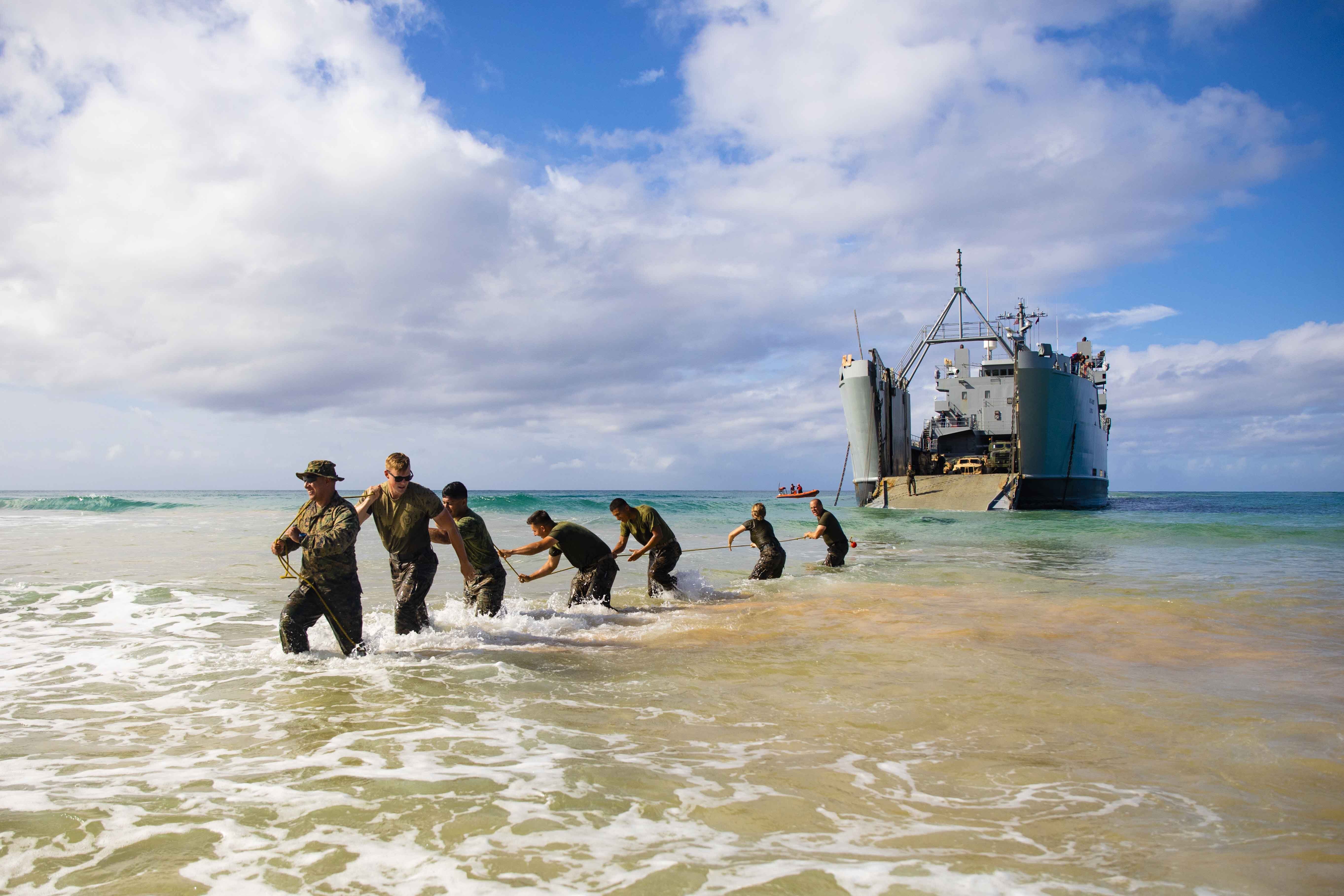
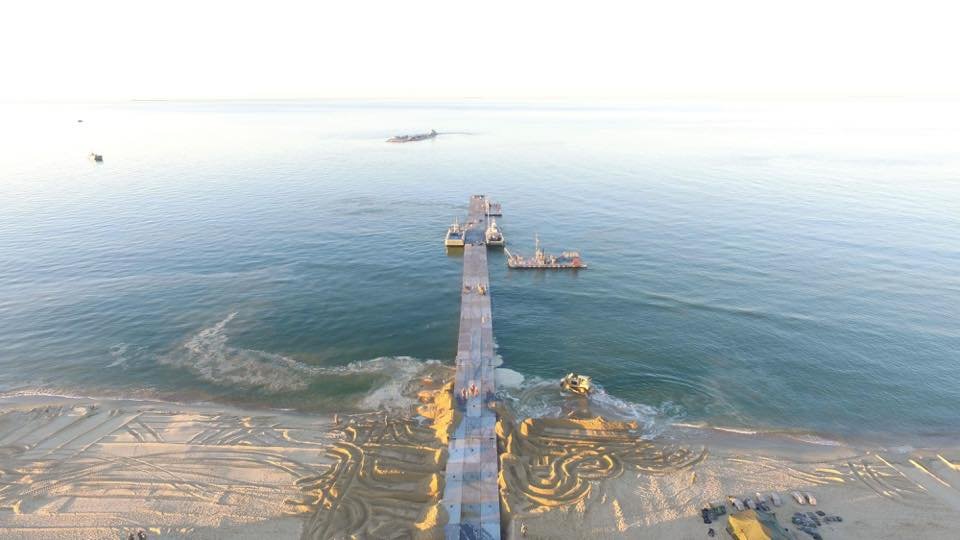
To further improve distribution in the Pacific, the Army must invest in its intra-theater lift capabilities, especially regarding its watercraft fleet. This is particularly vital in the Pacific Theater, where water is abundant and speed is crucial to efficiently transport supplies to where they're needed most. The 7th Transportation Brigade has conducted a thorough analysis of the risks associated with supplying and sustaining operations in the Pacific, and one of the key takeaways was the vital importance of watercraft operations. However, at a recent point in time, the readiness rate for the Army’s watercraft fleet was reported around 37 percent. The decline in Army watercraft readiness will significantly impact Pacific operations and distribution. Potential consequences include limited mobility, supply chain disruptions, force projection impacts, compromised operational flexibility, and increased operational risk.
Army watercraft provide mobility and logistical support in amphibious and riverine operations. A decrease in readiness means a reduced number of operational watercraft, resulting in limited capabilities to transport personnel, equipment, and supplies. This can hinder the Army’s ability to rapidly deploy forces, conduct amphibious assaults, and maneuver effectively in Pacific theaters.
Watercraft are also crucial for transporting critical supplies such as ammunition, fuel, and rations to troops in the field. With reduced readiness, the distribution of supplies becomes constrained, potentially causing disruptions in the supply chain. This can result in delayed resupply, inadequate support for forward operating bases, and a strain on the sustainment of military operations.
The Pacific region often requires power projection capabilities to maintain deterrence and respond to emerging threats. Army watercraft are essential for enabling force projection by transporting heavy equipment, vehicles, and troops to remote locations. Lower readiness levels can limit the Army’s ability to rapidly project forces, conduct joint operations, and provide critical support to other military branches. A decrease in the readiness of Army watercraft can limit the ability to operate across various operational environments, such as coastal areas, rivers, and inland waterways. This can hamper the Army’s flexibility in conducting combined arms operations, amphibious landings, and joint exercises with allied forces in the Pacific. Lower readiness levels of Army watercraft increase operational risk for personnel and equipment. A decline in maintenance, training, and readiness standards can potentially lead to accidents, mechanical failures, and safety issues during maritime operations. These risks can impact the safety and effectiveness of military operations in the Pacific region.
Addressing the readiness challenges and improving the condition of Army watercraft is crucial to ensure the Army’s operational effectiveness, sustainment capabilities, and force projection in the Pacific Theater. By investing in maintenance, training, and resources, the Army can mitigate the impacts and restore the necessary readiness levels to support operations and distribution effectively in the region.
“Army Watercrafts are essential for the Army's sustainment operations in the region, as they are this unique, often overlooked capability that expands movement and maneuver within the littorals and enables the joint force to operate through fixed, degraded, and austere ports allowing for transporting personnel, equipment, and supplies across waterways, especially when providing support for remote locations and vast distances between islands,” writes Major General David Wilson.3 Our Army cannot function without watercraft, however, the Army's transformation plan proposes reducing the number from 134 systems to 74. While this restructuring may be necessary, it certainly raises some concerns about whether 74 watercraft will be enough to support logistics operations during a high-intensity conflict. The Army must conduct a study to determine the correct number of watercraft needed to sustain logistics during multi-domain operations.
Modernization of Equipment
Navy Petty Officer 3rd Class Marcus Henley/Department of Defense
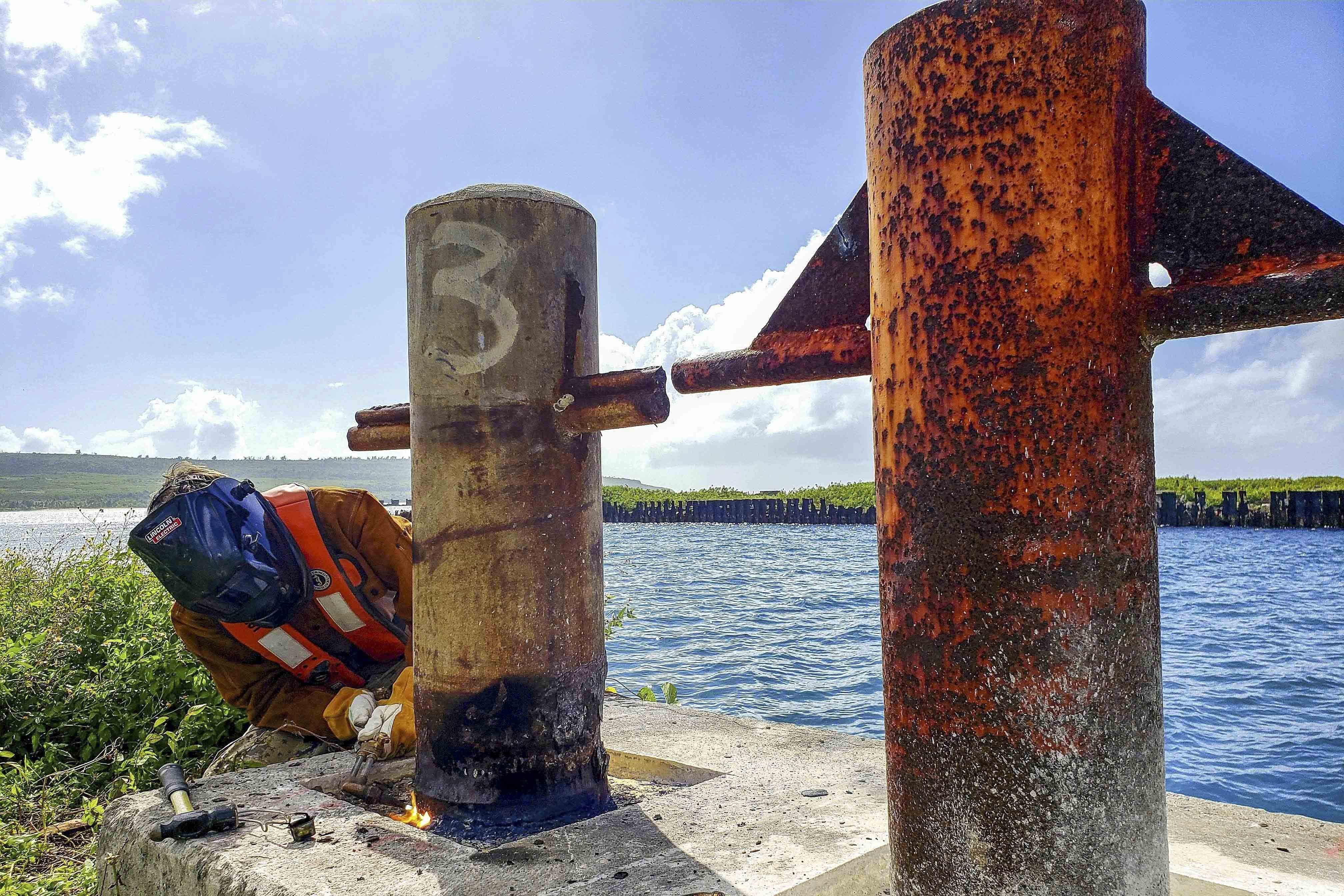
The Army’s approach focuses on addressing the immediate challenges of today’s fight while also undertaking modernization efforts to prepare for the future battlefield in 2040. This approach recognizes the need to maintain readiness and effectiveness in current operations while simultaneously adapting to emerging threats and technological advancements. The Army's modernization efforts have undeniably yielded positive results, granting them unparalleled access to remote areas and the ability to travel longer distances, crucial in the vast expanse of the Pacific. However, while the modernization of Army equipment brings numerous benefits, some negative consequences can be associated with the process. It’s important to acknowledge these challenges and implement measures to address them.
Here are a few examples of adverse effects:
- Cost and Budgetary Pressures: Modernization efforts often require substantial investments, which can strain defense budgets and lead to cost overruns.
- Technological Complexity: Modernized equipment can become technologically complex, requiring specialized training and increased maintenance expertise. This can create challenges regarding manpower, skill gaps, and maintenance burden.
- Supply Chain Disruptions: The introduction of new equipment into the supply chain can disrupt existing logistics processes such as inventory management, spare parts availability, and supply chain coordination.
- Interoperability Challenges: Modernization efforts across different services and international partners can lead to interoperability challenges due to varying equipment capabilities, communication systems, and operational doctrines.
- Legacy Systems and Equipment Sustainment: As modernization efforts focus on introducing new equipment, there can be challenges in sustaining and maintaining older or legacy systems.
The Army must focus on equipment sustainment and supply chain management as it continues its modernization efforts. The Army Futures Command recently established a Cross-Functional Team (CFT) for sustainment to focus on logistics challenges. CFTs must partner with manufacturers and suppliers to ensure that new equipment meets the organization's rigorous standards and specifications and that the Army has a reliable, sustainable supply source. CFT's function is critical in newly fielded equipment. Before introducing new equipment, the team must consider two factors: soldiers' ability to sustain the equipment and the equipment failure rate. This approach guarantees that soldiers can access the tools needed to maintain the equipment while minimizing the risk of equipment breakdowns.
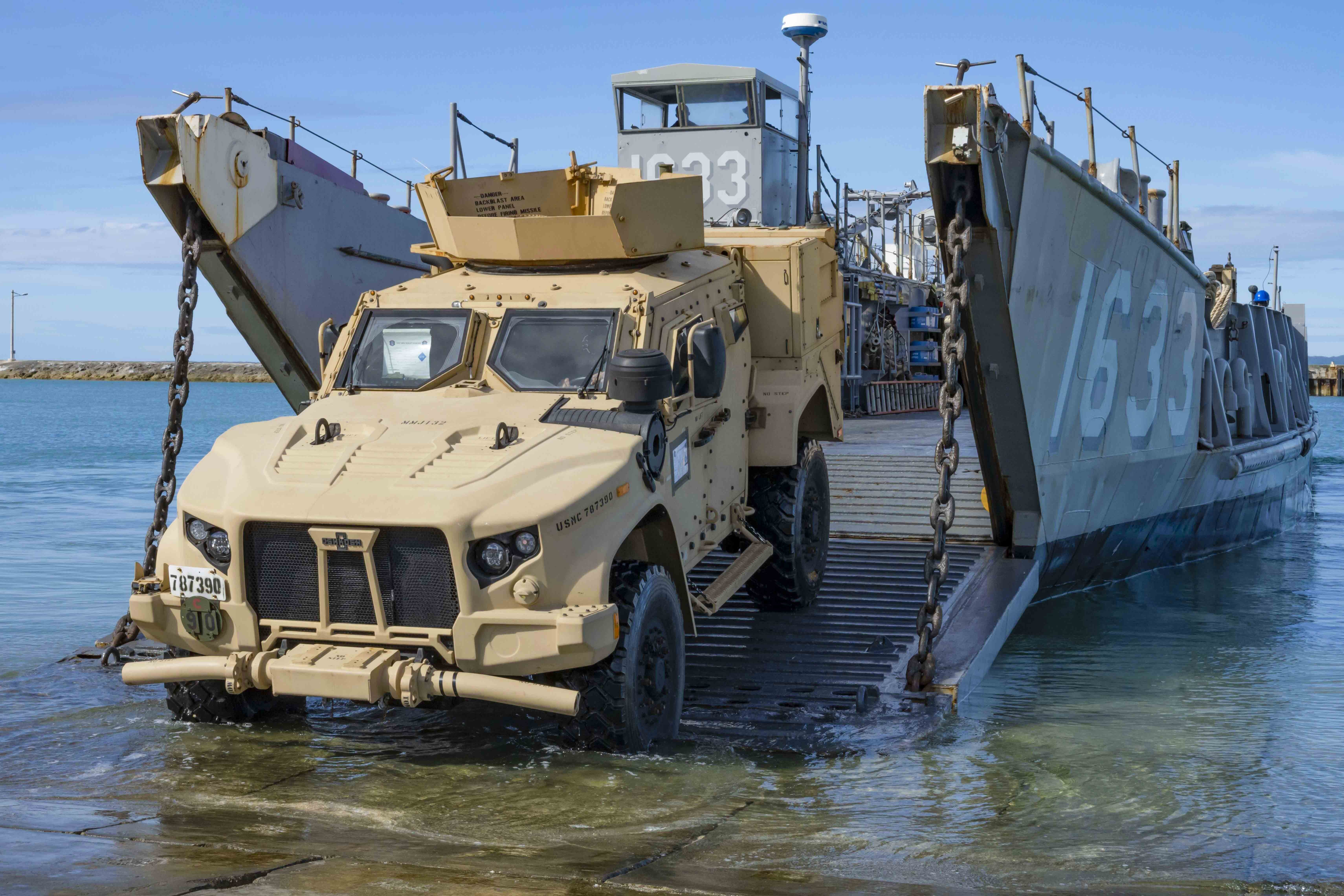
For example, fielding the non-standard Joint Light Tactical Vehicle posed sustainment challenges as there was no demand history for this equipment because it’s yet to be considered an Army Program of Record. This indicates little to no historical data or previous information regarding the equipment’s usage or performance. This lack of demand history can have several implications:
- Uncertainty in Resource Planning: Without historical data on equipment demand, it becomes challenging to accurately forecast and plan for the required resources, such as spare parts, maintenance personnel, and logistical support. This uncertainty can lead to inefficiencies in resource allocation and potential gaps in sustainment capabilities.
- Difficulties in Inventory Management: Lack of demand history makes it difficult to determine optimal inventory levels for the equipment. Without data on usage patterns or maintenance requirements, it becomes challenging to establish appropriate stock levels, potentially resulting in excess inventory or shortages.
- Limited Basis for Performance Evaluation: In the absence of demand history it becomes challenging to evaluate the equipment’s performance, reliability, and suitability for specific operational requirements. This lack of data hinders the ability to assess whether the equipment meets operational needs effectively.
- Impediment to Decision-Making: The absence of demand history may limit the ability to make informed decisions regarding the equipment’s lifecycle management, replacement, or upgrade. Historical usage data is essential for evaluating the equipment’s lifespan, determining the optimal timing for replacements or upgrades, and allocating resources accordingly.
As a result, organizations can experience prolonged repair lead time and increased maintenance costs, especially after the warranty expiration of the contracted maintenance. By proactively addressing the lack of demand history, the Army can gain better insights into equipment utilization, performance, and maintenance needs, leading to more effective resource allocation, improved inventory management, and informed decision-making.
Citations
- Keith Beurskens, The Long Haul: Historical Case Studies of Sustainment in Large-Scale Combat Operations (Fort Leavenworth, KS: Army University Press, 2018).
- Major General David Wilson, “Army Sustainment Capabilities Instrumental to the Joint Force in the Indo-Pacific Region,” Joint Force Quarterly 108 (2023).
- Major General David Wilson, “Army Sustainment Capabilities Instrumental to the Joint Force in the Indo-Pacific Region,’’ Joint Force Quarterly 108 (2023).
Recommendations to Sustain Logistical Operations to 2035 and Beyond
As we evaluate the Army's logistical challenges in the Pacific, it is evident that we need to take swift action. We must update our doctrine, policies, and training to modernize the Army’s force and equipment efficiently. We must emphasize predictive logistics and data analytics to enable logistics operations to run more smoothly, effectively, and profitably. The Army must increase sustainment operations in multinational exercises and wargame scenarios to better prepare for sustainment in a contested environment, particularly in the Pacific. Furthermore, it is essential to prioritize contract equipment and maintenance. Leaders must comprehend contract capabilities, personnel, and equipment and how to sustain them. We will require congressional support to secure these necessary resources to run the Army effectively.
Addressing Contested Logistics
The Army can take several steps to prepare for the challenges of contested logistics in the Pacific; there is time to respond.
- Threat Analysis and Intelligence: Conduct thorough threat analysis and intelligence gathering to identify potential adversaries, their capabilities, and their likely targets. This information will inform the development of specific countermeasures and mitigation strategies.
- Redundant Supply Chains: Establish multiple supply lines and transportation routes to reduce reliance on vulnerable assets. Diversify supply chains to increase flexibility and ensure the availability of critical resources, even if one route is compromised.
- Infrastructure Hardening: Enhance the protection of critical logistics infrastructure, including ports, airfields, and communication networks. Implement physical security measures, cybersecurity protocols, and redundancy systems to safeguard these assets from attacks.
- Force Protection Measures: Implement robust force protection measures to mitigate vulnerabilities during logistics operations. This includes convoy security, enhanced situational awareness, and the deployment of countermeasures against threats such as ambushes or improvised explosive devices (IEDs).
- Prepositioned Stocks: Strategically preposition stocks of critical supplies, equipment, and spare parts in various locations across the Pacific Theater. These stocks serve as reserves, ensuring rapid access to essential resources even in contested environments.
- Flexibility and Adaptability: Develop flexible logistics plans and contingency strategies that quickly adapt to changing circumstances. Establish alternative supply routes, identify backup communication systems, and maintain adaptable logistics support structures.
- Offensive Counter-Logistics: Employ offensive measures to disrupt and target the adversary’s logistics operations. This may involve interdicting their supply convoys, turning off their communication networks, or targeting their critical infrastructure to effectively undermine their ability to contest logistics.
- Multinational Coordination: Strengthen coordination and interoperability with allied forces and partner nations in the Pacific. Conduct joint exercises, share intelligence, and harmonize logistics procedures to enhance collective capabilities and responses.
- Continuous Training and Exercises: Conduct realistic training exercises that simulate contested logistics scenarios to test response capabilities, validate plans, and identify areas for improvement. This ensures that personnel are prepared and well-trained to operate in challenging environments.
- Technological Innovation: Embrace emerging technologies such as advanced data analytics, artificial intelligence, and unmanned systems to enhance logistics efficiency and resilience. These technologies can provide real-time situational awareness, predictive maintenance capabilities, and improved decision-making support.
By implementing these measures, the Army can better prepare for contested logistics in the Pacific, mitigate the potential consequences, and maintain operational readiness and effectiveness even in challenging and hostile environments.
Action Items: Contested Logistics
The Army must preposition stocks, establish hub sites, and partner with allies to deter contested logistics in this region.
- Strategically preposition critical supplies and equipment stocks to respond quickly to threats or contingencies.
- Establish hub sites in key locations that will facilitate the movement of troops and supplies, enabling the Army to respond rapidly to changing circumstances.
- Partner with allies in the region to provide additional logistical support and resources to help ensure that the Army can operate effectively in a contested environment.
Master Sergeant Shelia Fourman/8th Theater Sustainment Command
Combating the Tyranny of Distance
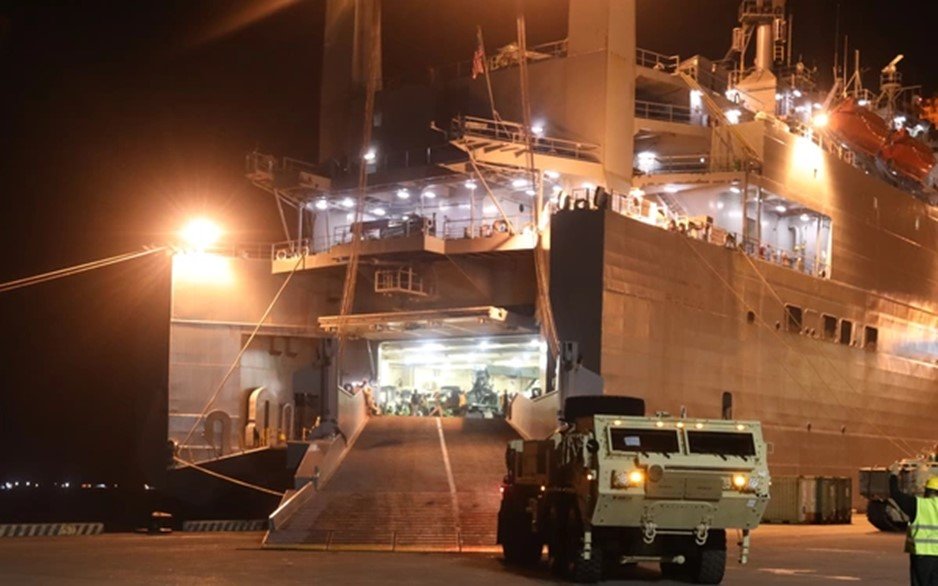
Similarly, to prepare for the logistical challenges posed by the vast distances in the Pacific Theater, the Army could undertake several proactive measures:
- Comprehensive Logistics Planning: Develop comprehensive logistics plans that account for the unique requirements and challenges of vast distances in the Pacific. Consider factors such as transportation modes, supply chain management, storage facilities, and coordination with other services and partner nations.
- Forward Presence and Prepositioning: Establish forward logistics hubs and preposition stocks of critical supplies, equipment, and spare parts in strategic locations across the Pacific Theater. This reduces reliance on lengthy supply lines and enables more rapid response and sustainment capabilities.
- Enhanced Transportation Capabilities: Invest in advanced transportation assets, including watercraft capabilities, to facilitate the rapid movement of personnel, equipment, and supplies across vast distances in the Pacific. Maintain a mix of assets suitable for different operational scenarios.
- Agile Supply Chain Management: Develop agile supply chain management strategies to ensure timely delivery of supplies and resources to units deployed across the Pacific. This involves efficient inventory management, supplier coordination, and predictive analytics to anticipate demand and optimize distribution.
- Communication and Information Systems: Establish robust and resilient communication and information systems to facilitate real-time coordination and information sharing across the vast distances of the Pacific Theater. This ensures seamless logistics operations and enables efficient decision-making.
- Interoperability and Multinational Cooperation: Foster interoperability with allied forces and partner nations operating in the Pacific. Establish common standards, procedures, and communication protocols to facilitate joint logistics operations, resource sharing, and coordination.
- Training and Exercises: Conduct realistic training exercises that simulate logistics operations in the Pacific Theater. Practice coordination with joint forces, rehearse logistics support in remote and austere environments, and familiarize personnel with the challenges of operating over vast distances.
Nevertheless, intra-theater distribution is critical to success in the Pacific, and watercraft is essential to this mission. The Army must ensure the required level of support for its watercraft missions; it is necessary to undertake a severe inventory and maintenance program overhaul.
The Army must conduct a comprehensive study to determine the appropriate number of watercraft required for operational sustainability in dispersed areas, particularly in the Pacific. To achieve this, the Army must focus on three key lines of effort: implementing a codified watercraft strategy, modernizing watercraft systems, and modernizing watercraft units and personnel. These efforts will aid in transforming the Army's watercraft capability into a more modern and capable fleet by undertaking various measures such as unit inactivations, reorganizations, reallocation, and divestment. With these measures in place, the Army could streamline its systems if deemed necessary.
Action Items: Tyranny of Distance in the Pacific
To combat the vast distances in the Pacific and improve its supply chain and access to repair parts, the Army must establish a network of forward operating bases and logistics hubs.
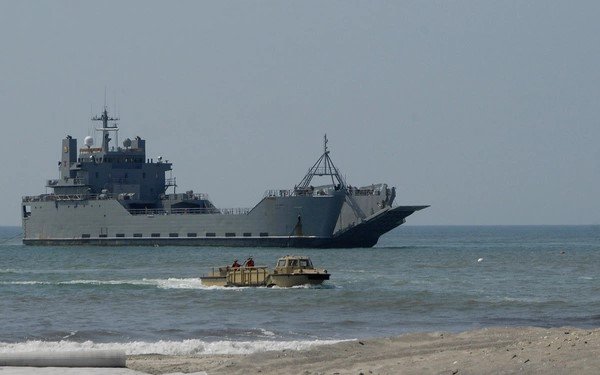
- Invest in upgrading its watercraft fleet with newer, more efficient vessels better equipped to handle long distances and rough sea conditions. The modernization of Army watercraft could reduce the time and cost of intra-theater distribution.
- Position watercraft in certain areas in friendly waters and ports to minimize distances to travel when a crisis arises.
- Analyze the correct number of watercraft needed to sustain operations in dispersed and contested environments based on lessons learned and various Pacific scenarios.
Petty Officer 2nd Class Christopher Hall/U.S. Navy
Fixing Issues with Modernization of Equipment
To prepare for the challenges associated with the modernization of equipment, the Army could take several steps:
- Cost and Budgetary Pressures: Establish thorough cost assessments as rigorous budget planning can help mitigate these challenges. Prioritize requirements, implement effective acquisition strategies, and promote transparency in procurement processes to contribute to better cost management.
- Technological Complexity: Implement comprehensive training programs to ensure operators and maintainers are proficient in using and maintaining the new equipment. Foster partnerships with industry and academic institutions to provide the logistics workforce with continuous training and professional development opportunities.
- Supply Chain Disruptions: Conduct thorough supply chain assessments to identify potential disruptions and plan for contingencies. Enhance coordination and information sharing between equipment manufacturers, logistics personnel, and suppliers to ensure smooth integration of new equipment and minimize disruptions.
- Interoperability Challenges: Foster interoperability through robust communication and collaboration mechanisms. Promote standardized interfaces, joint exercises, and information sharing to ensure effective coordination and seamless integration of modernized equipment across different units, services, and coalition partners.
- Legacy Systems and Equipment Sustainment: Develop a comprehensive sustainment plan that accounts for legacy systems, ensuring adequate resources, spare parts, and maintenance support. Prioritize sustainment efforts based on criticality and potential risks associated with aging equipment.
Action Items: Equipment Modernization
The Army can help sustain the modernization of its new equipment distribution and repair parts by implementing a comprehensive and efficient supply chain management system.
- Prioritize training and education for maintenance personnel to ensure they have the skills and knowledge to repair and maintain new equipment timely and effectively.
- Ensure new equipment has a sustainment support plan. This plan must include provisions for repairing equipment failures and an extended warranty to avoid unnecessary repair costs.
- Establish partnerships with manufacturers and suppliers to ensure newly fielded equipment is high quality and meets the organization's specific needs.
Petty Officer 1st Class David Krigbaum/U.S. Navy
Predictive Logistics
But more than these are needed; more efficient and effective logistics management becomes increasingly important as the Army evolves and modernizes. One key aspect of this is Predictive Logistics (PL), which involves using data to anticipate equipment needs and optimize the supply chain. To effectively manage this process, the Army must be able to store data both on and off-platform. According to an unpublished Combined Arms Sustainment report, “PL allows leaders to go from reactive sustainment to precision sustainment and is the Combined Arms Sustainment Command's primary modernization effort for 2023. PL focuses on Army 2030 execution while informing Army 2040.”1
However, based on the criticality and complexity of PL, there are dozens of stakeholders throughout the enterprise, including the Assistant Secretary of the Army (Acquisition, Logistics, and Technology), Army Materiel Command, Army Futures Command, Army Training and Doctrine Command, Department of the Army Headquarters, G-4, and others, to develop an overarching PL strategy to fully synchronize and operationalize current efforts to get to an end-state of decision dominance within the Army’s goals for 2030 and 2040.

As the Army expands its data storage capabilities, it is imperative to establish robust PL systems. PL is essential in supporting the Army's long-lead repair parts and maintenance upkeep requirements. With PL, the military can predict equipment failures and schedule maintenance in advance, guaranteeing that all necessary components are available when required. This leads to a significant reduction in downtime and a marked increase in overall equipment readiness. Furthermore, PL can optimize the Army's supply chain, lowering costs and ensuring that equipment is always available at the point of need.
Conversely, the Army must prepare for potential challenges by implementing PL with platform sensors. For a PL system to be effective, it must have access to a wide range of data sources and be able to analyze that data in real-time. Inaccurate sensor data could lead to incorrect predictions and delays in sustainment support. The Army must prioritize sensor quality and data reliability to overcome these challenges. This requires regular maintenance, calibration checks, and backup systems for continuous operation. Additionally, there are logistical challenges associated with implementing a PL system, such as training personnel and integrating the system into existing Army infrastructure.
Finally, data security and privacy must also be a top priority. Robust security protocols, encryption, and access controls are necessary to limit data access to authorized personnel. Regular security audits and assessments are also crucial. By taking these steps, the Army can improve its signal management capabilities and protect its data from unauthorized access and other security threats.
Action Items: Predictive Logistics
Having sound predictive logistics systems helps minimize downtime and significantly increases overall equipment readiness. The Army needs to prioritize this aspect of its operations.
- Ensure data is properly encrypted and protected, using secure servers and encryption software to protect sensitive information from prying eyes.
- Collect data necessary for their operations, avoid collecting unnecessary data points, and be selective about the types of information stored in their systems.
- Prioritize training and education for personnel to ensure they have the skills and knowledge necessary to maintain equipment effectively.
- “Regularly review and update security protocols, which involves conducting regular security audits, implementing new software updates, or investing in advanced security solutions that can help identify and prevent potential security threats or data breaches.”2
Citations
- Predictive Logistics (Washington, DC: U.S. Army Combined Arms Sustainment Command, n.d.).
- Hady Elhady, “Data Validation: What Is It, and Why Is It so Important?” Layer, April 4, 2023, source.
Conclusion
The challenges of war have significantly evolved over the past two decades, resulting in necessary changes to Army structure and equipment. However, the characteristics of sustainment have yet to catch up. The U.S. must strengthen its deterrence posture to handle the challenges emerging from adversaries in the Indo-Pacific, including China's growing threat. One of the significant challenges is logistics, which is likely contested in this region. It will require collaboration among nations to ensure the safety and security of the area. The Army must thoroughly evaluate the many challenges accompanying logistics in the Pacific region to enable successful operations against future adversaries.
As we move forward with the Army's modernization efforts, it is essential to prioritize the maintenance and sustainability of our equipment. In addition, the Army must focus on policies, training, and oversight to successfully integrate new technologies. As we move towards a more efficient and effective military force in 2040, our leaders must remember that logistics alone cannot win a war, but their absence or inadequacies can lead to defeat.
Additional Resources
- John Wood, “U.S. Indo-Pacific Command Priorities,” (webinar, ISEAS Yusof Ishak Institute, October 27, 2020).
- Major Christopher Lochridge, U.S. Air Force, The Pacific’s Strategic Blind Spot: U.S. Indo-Pacific Command’s Problem of China in the Western Pacific (Fort Leavenworth, KS: School of Advanced Military Studies, Command and General Staff College, May 2020).
- Helen Sullivan, “China’s Rising Power and Influence in the Pacific Explained in 30 Seconds,” Guardian, March 8, 2023.
- Carmen Romero, “Protecting the Future: NATO’s Madrid Summit and Strategic Concept,” TQP, August 22, 2022.
- Jay Price, “The U.S. Makes Deals with Smaller Pacific Nations as its Relationship with China Worsens,” Texas Public Radio, March 8, 2023.
- Katie Nelson, 402nd Army Field Brigade, “Theater Army Employs APS Afloat for the First Time in Indo-Pacific,” U.S. Army, May 10, 2022.
- Michael E. O’Hanlon, “But CAN the U.S. Defend Taiwan?,” Brookings, June 1, 2022.
- Brig. Gen. Pat Ryder, “Readout of Secretary of Defense Lloyd J. Austin III Meeting with Philippine Senior Undersecretary and Officer in Charge of the Department of National Defense, Carlito Galvez,” U.S. Department of Defense, February 2, 2023.
- George Petras and Janet Loehrke, “U.S. Plans to Expand its Military Presence in the Philippines to Counter Threats Against Taiwan,” USA Today, February 2, 2023.
- Sanya Mansoor and Simmone Shah, “Why the Philippines Is Letting the U.S. Expand Its Military Footprint in the Country Again,” Time Magazine, February 3, 2023.
- Tom Temin, “How the Army Stays Supplied,” Federal News Network, October 13, 2022.
- Major Eric A. McCoy, “The Impact of Logistics on the British Defeat in the Revolutionary War,” Army Sustainment University.
- Richard Bush, Bonnie Glaser, Shelley Rigger, and Kharis Templeman, “What Does the Future Hold for Taiwan?,” (panel discussion, Center for East Asia Policy Studies at Brookings Institution, May 25, 2023).
- Andrew Yeo, “The Capital Cable #65: South Korea's Indo-Pacific Strategy,” (presentation, Center for Strategic and International Studies, February 22, 2023).
More About the Authors

Carmelia Scott-Skillern
Chief of Staff of the Army Senior Fellow, Future Security
Issues
Programs/Projects/Initiatives
Related