
8/17 FCC Coalition Comments Regarding Proposed Changes For Next-Generation Broadcasting
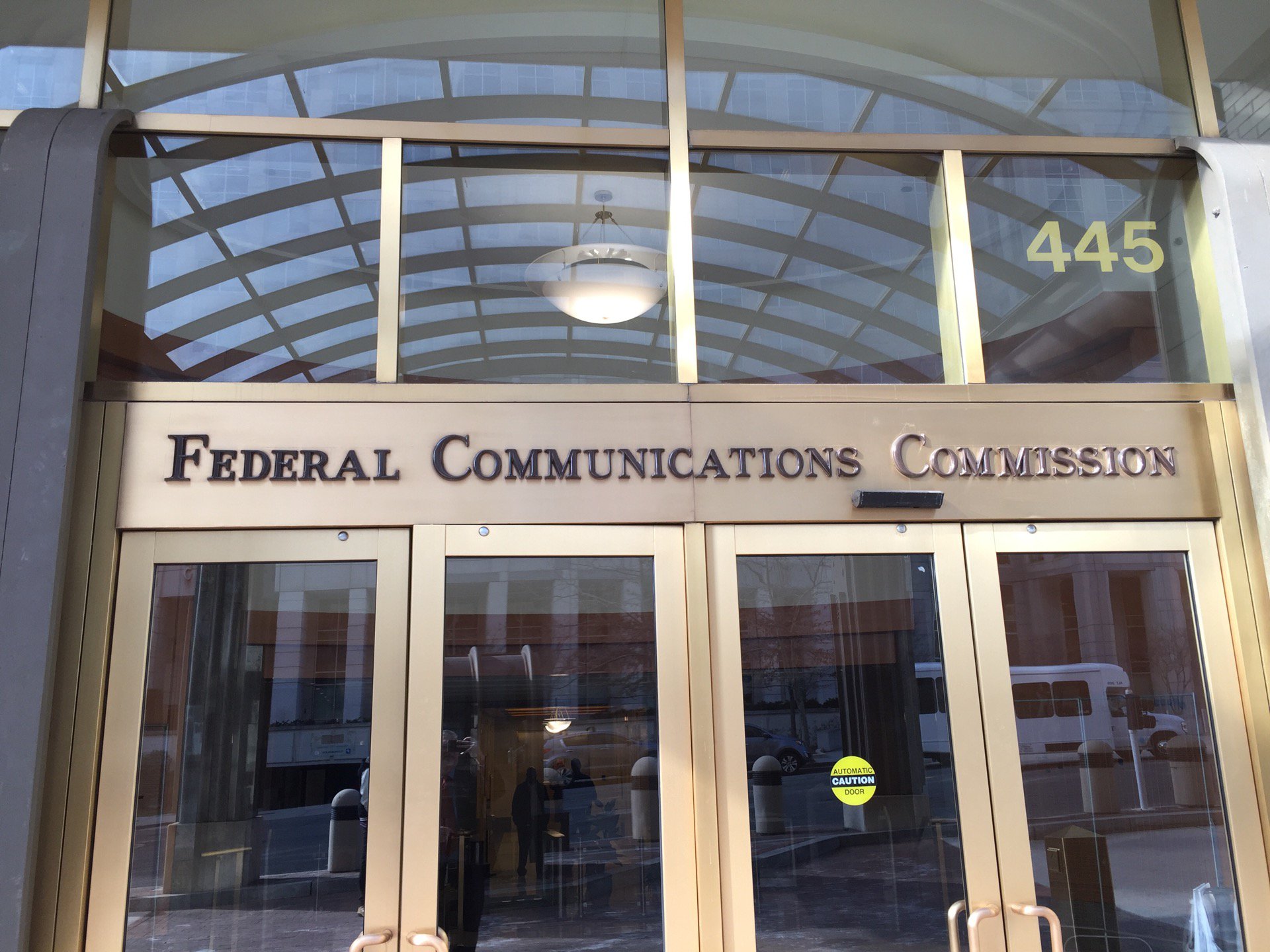
New America's Open Technology Institute filed comments with Public Knowledge and Consumer Reports urging the Federal Communications Commission ("Commission") not to make sweeping deregulatory changes and giveaways to broadcasters as it moves to finalizing the rules of next-generation broadcast technology, ATSC 3.0. Available below is an introduction and summary of the comments:
Public Knowledge, New America’s Open Technology Institute, and Consumer Reports (Collectively “Public Interest Commentors”) submit these comments in response to the Federal Communications Commission’s (the “Commission” or “FCC”) Notice of Proposed Rulemaking on “Promoting Broadcast Internet Innovation through ATSC 3.0” (the “NPRM”) that was proposed on June 9, 2020. The FCC’s stated goal is to “identify and remove the overhang of 1 unnecessary government regulations” that are or would prevent “growth of new competitive offerings.” The Commission believes that by deregulating the field to encourage ATSC 3.0 2 adoption and the increased use of ancillary services, “[b]roadcasters will not only be able to better serve the information and entertainment needs of the communities, but they will have the opportunity to play a part in addressing the digital divide.…” Yet, the NPRM fails to address 3 several critical issues that have the potential to dramatically impact the public interest and undermine these supposed goals.
Public Interest Commentors ask the FCC to give due consideration to the following concerns. First, the FCC has statutory obligation to collect fees from broadcasters that choose to lease their spectrum for ancillary services, not only does this prevent broadcasters from receiving a windfall for their free spectrum allocation but it also recovers funds for the public that would otherwise be collected at auction. Second, the transition to ATSC 3.0 will come at great expense to consumers who will need to upgrade their equipment. The FCC should retain the ancillary service fees it must collect in order to off-set these consumer costs because it is a critical component to ensuring that the public has affordable access to the innovative services ATSC 3.0 promises to deliver. Finally, the FCC should update the public interest requirements of television broadcasters to better account for the advancement of television broadcast technology. With the promises of ATSC 3.0, a single free standard definition broadcast channel no longer qualifies as an “advanced television service.”
Issues
Programs/Projects/Initiatives
Related

Data Matters: Power, Democracy, and Our Data One Year In