
7/27 PISC FCC FNPRM Reply Comments on Rules for 6 GHz Band
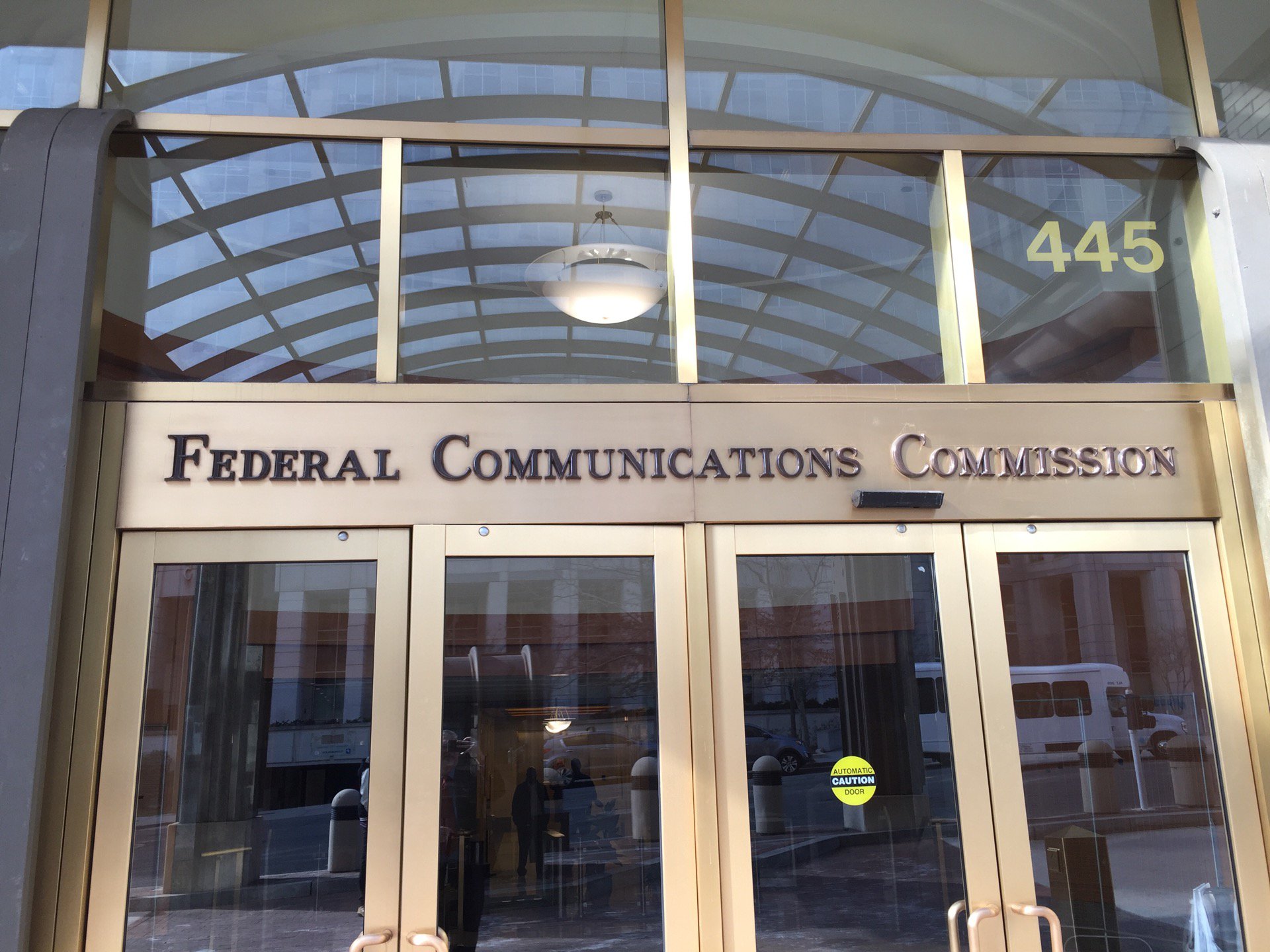
New America's Open Technology Institute wrote and filed reply comments on behalf of the Public Interest Spectrum Coalition (PISC)—Public Knowledge, the American Library Association, the Schools, Health & Libraries Broadband (SHLB) Coalition, National Hispanic Media Coalition, CoSN– Consortium for School Networking, Benton Institute for Broadband and Society, Next Century Cities, the Institute for Local Self-Reliance, Tribal Digital Village Network, Common Cause, Access Humboldt and X-Lab—responding to arguments in the record regarding the Federal Communications Commission's effort to open up the 6 GHz band for unlicensed services.
Specifically in the reply comments, PISC argued that the record showed strong and clear support for increased power level for indoor-only devices, the authorization of client-to-client communications, the authorization of "very low power" devices across the entire 6 GHz band at appropriate power levels, the authorization of mobile standard-power operations in the band, and the support of directional antenna use. Further, PISC opposed proposals to impose a preclusive and counter-productive out-of-band emissions limit on the 5.9 GHz band. The reply comments come after PISC filed initial comments in the proceeding last month.
An introduction and summary is available below:
In April, the Commission took a historic first step toward enabling the next generation of Wi-Fi technology that will accelerate the availability and affordability of 5G-quality applications and services to all Americans in every part of the country. With the right set of rules the Commission can ensure the 6 GHz band is used to its fullest potential, creating both the world’s most robust 5G wireless ecosystem and helping to bridge the digital divide. Accordingly, in these reply comments, PISC describes how the record supports a number of additional provisions:
First, and most critically, the record reflects clear support for authorizing low-power, indoor-only (LPI) devices at a power spectral density of 8 dBm/MHz across all 1200 megahertz in the 6 GHz band. A wide variety of stakeholders joined PISC in observing that the technical studies in the record clearly establish that a PSD limit of up to 8 dBm/MHz will not create a substantial risk of harmful interference to incumbent operations. Authorizing LPI devices to operate at this modestly higher power level across the entire 6 GHz band is necessary to ensure that the public interest benefits of next generation Wi-Fi—including multi-gigabit capacity and low-latency—is fully available and affordable in every home, business, school and library in the country. Maintaining a PSD limit of 5 dBm/MHz will almost certainly deny the benefits of next generation Wi-Fi to the typical home and small business.
Second, the record reflects support for the authorization of client-to-client connectivity. Client devices should be allowed to intercommunicate when they are both within range of an authorized 6 GHz access point. Doing so will unlock a wide range of important use cases for 6 GHz Wi-Fi, including for education, health care, industrial and mobile workforce use cases. When clients are both sufficiently close to the access point, client-to-client connectivity is extremely unlikely to cause harmful interference to incumbents, especially indoors, due to the close proximity between the clients interconnecting for these sorts of applications.
Third, the record demonstrates overwhelming support for the Commission to authorize the use of Very Low Power (VLP) devices across the entire 6 GHz band. However, merely authorizing this new class of VLP devices is meaningless if the technical rules are not robust enough to facilitate the potential innovation and consumer welfare possible in a 5G wireless ecosystem. PISC urges the Commission to authorize a power level of 21 dBm EIRP – but in any case a power limit no lower than 14 dBm EIRP (1 dBm/MHz power spectral density).
Fourth, the record shows strong support for the Commission to support mobile standardpower operations. Authorizing mobile access points under the control of an AFC is no more technically difficult than for fixed APs. Conceptually, the rules can parallel those the Commission has proposed for TV white space devices (“WSDs”). The record supports an authorization for mobile standard-power operations with an EIRP limit of 36 dBm.
Fifth, the record demonstrates strong support for the use of directional antennas. The Commission should both permit and encourage AFCs to take account of antenna directionality in order to make the most efficient use of this spectrum. The directional characteristics of antennas can readily be incorporated into AFC calculations. Controlling the interference footprint of usage can significantly increase the capacity of the band for both directional and non-directional users.
Finally, the Commission should reject proposals to increase the out-of-band emissions (OOBE) limit at the bottom of the 6 GHz band. PISC strongly objects to any reconsideration of this issue. The Commission considered and decided this matter in the Report and Order and did not seek comment on a change. The auto industry’s proposal reinforces the need to relocate future auto safety applications, particularly C-V2X, to another band such as the lightly-used 4.9 GHz public safety band. C-V2X should not be wedged between the current and future most valuable and intensely used bands for high-capacity Wi-Fi. Relocating future auto safety communications would achieve a win-win-win for broadband users, the automotive industry, and 5G mobile carriers.
Issues
Programs/Projects/Initiatives
Related

Data Matters: Power, Democracy, and Our Data One Year In