
6/29 PISC FCC FNPRM Comments on Rules for 6 GHz Band
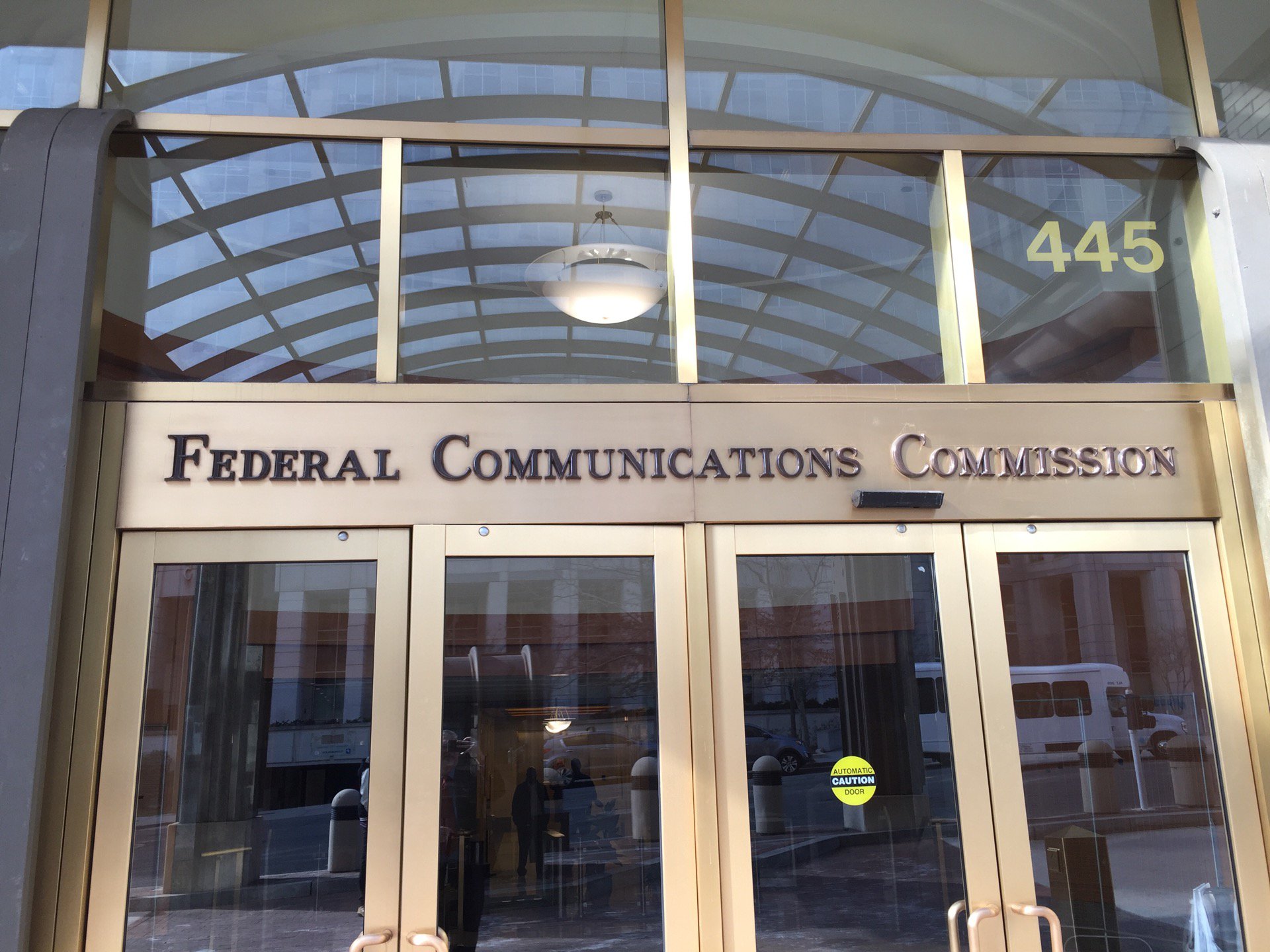
New America's Open Technology Institute wrote and filed comments on behalf of the Public Interest Spectrum Coalition (PISC)—Public Knowledge, Consumer Federation of America, Consumer Reports, the American Library Association, the Schools, Health & Libraries (SHLB) Coalition, National Hispanic Media Coalition, CoSN–Consortium for School Networking, Benton Institute for Broadband and Society, Next Century Cities, Access Humboldt and X-Lab—supporting the FCC’s effort to open up the 6 GHz band for unlicensed services. In the comments, PISC specifically calls for the FCC to adopt robust rules to facilitate the most efficient use of this spectrum for unlicensed operations and next-generation use cases using 6 GHz spectrum, such as the use of Very Low Power devices. An introduction and summary is available below:
The Public Interest Spectrum Coalition (“PISC”) commends the Commission for its unanimous Report and Order authorizing open public access to an additional 1200 megahertz of unlicensed spectrum across the entirety of the 6 GHz band. Our organizations generally support the Commission’s proposals in the FNPRM. We urge the agency to adopt the most robust possible technical rules so that the next generation of Wi-Fi technologies, as well as mobile 5G networks, can offer consumers and the American economy the potentially revolutionary benefits of affordable gigabit-fast connectivity and innovative new applications both at home and on the go. In these comments we address each of the four primary issues raised in the FNPRM.
First, PISC strongly supports the Commission’s proposal to authorize very low power (“VLP”) unlicensed devices to operate both indoors and outdoors across the band’s entire 1200 megahertz unburdened by any requirement to be under the control of an Automated Frequency Control (“AFC”) system.2 It’s crucial that the Commission authorize VLP devices to operate at power levels up to 14 dBm EIRP (1 dBm/MHz power spectral density). PISC believes this is the minimum power level needed to achieve the enormous potential consumer and economic benefits of VLP, while also fully protecting band incumbents from harmful interference.
VLP devices with sufficient power to be fully functional will prove central to the entire 5G wireless ecosystem. Widespread access everywhere to untethered, solar- or battery-powered VLP devices will facilitate not only Wi-Fi 6 networks, but will also make 5G mobile networks far more valuable to consumers and workers alike. Just as the smartphone ignited an apps economy and a wave of innovation over the past decade, the ability to create a ‘personal area network’ (PAN) and tether a myriad of innovative new peripheral devices to smartphones, tablets, game boxes and other sources of wireless connectivity is likely to fuel yet another wave of innovation that benefits consumers worldwide. The full potential of next generation Wi-Fi 6cannot be realized without the complementary innovation and productivity enabled by connecting VLP devices at a fully functional power level (i.e., 14 dBm EIRP). In addition to everyday consumer use, we expect that peripheral VLP devices, tethered to mobile access points, will become an essential tool to increase productivity for millions of mobile workers; to increase the productivity and cost-effectiveness of enterprise IoT; and also to enhance the quality of life for millions of Americans with disabilities.
Second, the Commission’s historic decision in April to authorize low-power, indoor-only (“LPI”) devices across the entire 6 GHz band will potentially make the enormous benefits of next generation Wi-Fi technology available and affordable to every home, business, school and library. However, these enormous public interest benefits will be undermined if the Commission restricts the power levels for LPI to an arbitrary level that might appear to be a “compromise” with powerful incumbents, but which in practice will make Wi-Fi routers far more costly, complex, and less useful for the average household or small business. In the context of the current pandemic, because Wi-Fi 6 routers and devices can come to market as soon as the end of this year, PISC believes it is critical that consumers and businesses have the indoor coverage they need to function well and affordably. The Commission should not pull the technical rug out from under ordinary consumers, small schools, and small businesses unless the engineering evidence in the record clearly establishes that LPI at up to 8 dBm/MHz will measurably and substantially increase the risk of harmful interference to incumbent users in the band.
Third, PISC strongly supports the authorization of higher power limits and antenna directivity for fixed standard-power access points in the U-NII-5 and U-NII-7 bands, whether operating indoors or outdoors, that harmonize with the rules for the nearby U-NII-3 band. PISC believes that addressing the broadband speed and affordability gap in rural, tribal, and other underserved areas is a compelling public interest that justifies harmonizing the power and antenna gain limits for standard power operations under AFC control with the current limits that apply to U-NII-3. There is no reason to conclude that allowing increased power will pose a substantially greater risk to incumbent fixed microwave links if the Commission subjects deployments exceeding a threshold level (i.e., 36 dBm EIRP) to both professional installation and prior coordination and approval by a certified AFC.
Finally, PISC believes the Commission’s world-leading decision in April to authorize unlicensed users to operate both indoors and outdoors at standard power under the control of a certified AFC fell short in one important respect: the Report and Order limits outdoor operations at power levels up to 36 dBm EIRP to completely fixed access points. There is little doubt that the use cases for connectivity on mobile platforms will greatly benefit consumers and the economy. For example, thousands of transportation systems (e.g., buses, commuter and freight trains, autonomous truck convoys, ferries) can give customers access to a higher-capacity RLAN along a pre-planned route, or within certain pre-cleared areas. We urge the Commission to authorize standard-power access points, under AFC control, for mobile applications under rules similar to those the Commission has proposed for personal/portable TV white space devices.
Issues
Programs/Projects/Initiatives
Related

Data Matters: Power, Democracy, and Our Data One Year In