
12/11 FCC Public Interest Spectrum Coalition Reply Comments 3.7-4.2 GHz Band
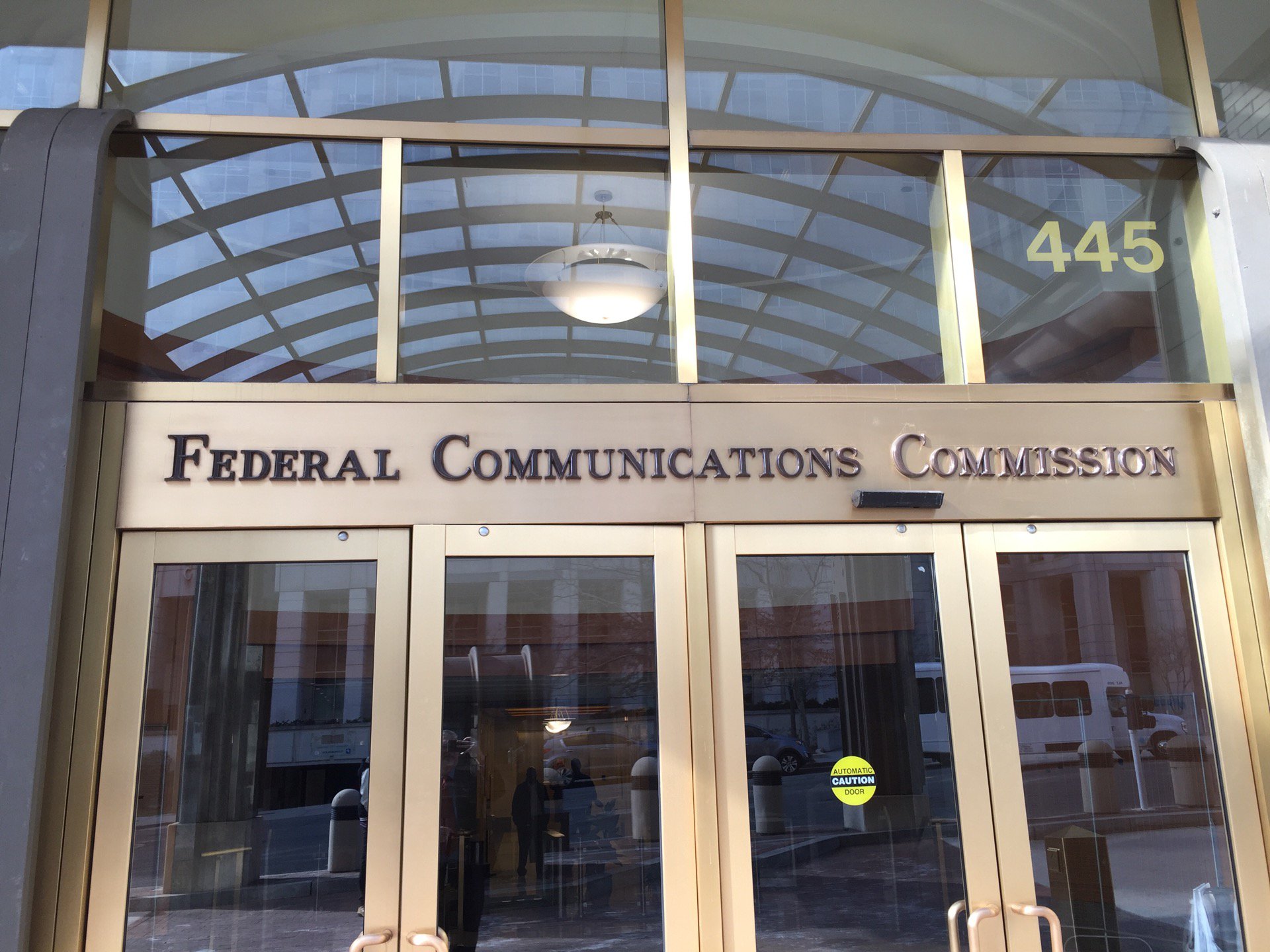
OTI's Wireless Future Project wrote and submitted reply comments to the Federal Communications Commission ("Commission") on behalf of the Public Interest Spectrum Coalition, including Consumers Union, Consumer Federation of America, National Hispanic Media Coalition, American Library Association, Next Century Cities, Public Knowledge, Common Cause, Institute for Local Self Reliance, and Access Humboldt. The comments urge the Commission to use the 3.7-4.2 GHz for an authorized, licensed, point-to-multipoint fixed wireless service to bring high-speed broadband access to rural and underserved areas of the United States. An introduction and summary is copy and pasted below:
The record reflects strong support for the Commission‟s proposal to authorize shared use of vacant spectrum in the 3.7 GHz band for high-capacity point-to-multipoint fixed wireless services in rural, tribal, and other underserved areas throughout the United States. Because Cband spectrum is grossly underutilized in many areas it offers a prime opportunity to provide spectrum as infrastructure to expand the capacity and lower the costs of high-speed broadband in rural, tribal and other unserved and hard-to-serve areas. Providers will be able to deploy fixed, point-to-multipoint (“P2MP”) services in less densely populated communities at a fraction of the cost associated with wired technologies and offer consumers more affordable high-speed service.
There is also strong support in the record from a diverse range of commenters for the Commission‟s proposal to terminate the outdated and counter-productive “full band, full arc” policy, replacing it instead with a “when and where needed” policy that protects FSS earth stations only with respect to the spectrum they are actually using. FSS incumbents can be protected from harmful interference without warehousing the vast majority of the band‟s spectrum capacity for a future need that may never arise.
The record strongly supports the Commission‟s view in the NPRM that it is entirely feasible to authorize P2MP fixed wireless to “operate on a secondary basis vis-à vis FSS in any part of the band in which FSS continues to operate during a transition period to accommodate repacking and, thereafter, on a frequency-coordinated basis to protect actual FSS operations.” PISC believes the Commission should authorize P2MP providers to coordinate shared use across the entire upper portion of the band that remains allocated to FSS (e.g., 3900-4200 MHz) on a first-in-time licensed basis. The record shows that a diverse range of commenters agree that sharing between fixed P2MP and FSS is perfectly feasible without impeding a repacking of earth stations and without risk of harmful interference to earth station incumbents in the ongoing FSS portion of the band.
In addition to authorizing coordinated sharing of the upper portion of the band that remains in use for FSS, there is strong and diverse support for authorizing fixed P2MP providers to coordinate opportunistic use from 3.7 GHz to the top of the guard band. PISC strongly agrees with commenters supporting the view that the Commission should authorize opportunistic use by P2MP operators, on a use-it-or-share-it basis, in any locally-unused portion of the band reallocated for flexible use terrestrial licensing.
The simple and proven coordination mechanism proposed by the Broadband Access Coalition under Part 101 can immediately allow the deployment of fixed wireless P2MP service in the band. However, to facilitate both more cost-effective sharing with FSS and opportunistic use of vacant spectrum in the future flexible use portion of the band, the record supports the rapid implementation of an automated frequency coordination system. Opportunistic access, on a use-it-or-share-it basis, can be managed in exactly the same way as the geolocation databases that coordinate access to the Citizens Band Radio Service (CBRS) and in the post-auction 600 MHz band (TV White Space spectrum), potentially putting every unused megahertz to work.
Finally, as our coalition did in our initial comments, PISC strongly opposes the “marketbased” C-Band Alliance proposal for a number of reasons. A diverse range of commenters expressed grave concerns about the private sale proposal outlined in the FNPRM and expressed a preference for a public auction and FCC control over the reassignment of the new flexible use licenses. First, a private auction or negotiated sale controlled by four foreign-based companies, and with no return of the anticipated proceeds of $10 to $40 billion or more to the Treasury, amounts to a massive and needless giveaway of public assets. A private auction or negotiated sale would be an unlawful end-run around Section 309(j) of the Communications Act in clear contravention of Congressional intent and precedent. Only a public incentive auction run by the Commission can ensure a monetary return to the public and avoid unjust enrichment. Second, without full transparency and close FCC supervision, a private sale is also likely to distort competition in the mobile market. Third, PISC argued that allowing private deals would set a dangerous precedent: incumbent licensees in the future will wage all-out resistance to giving up or sharing unused spectrum unless the Commission agrees to give them the public revenue that until now has been returned to the public, as Section 309(j) clearly stipulates.
Issues
Programs/Projects/Initiatives
Topics
Related

OTI Joins Bipartisan Group Asking FCC to Update EPFD Limits Imposed on Satellites

OTI Files Comments to Inform the USF Working Group