
10/29 FCC Public Interest Spectrum Coalition Comments 3.7-4.2 GHz Band
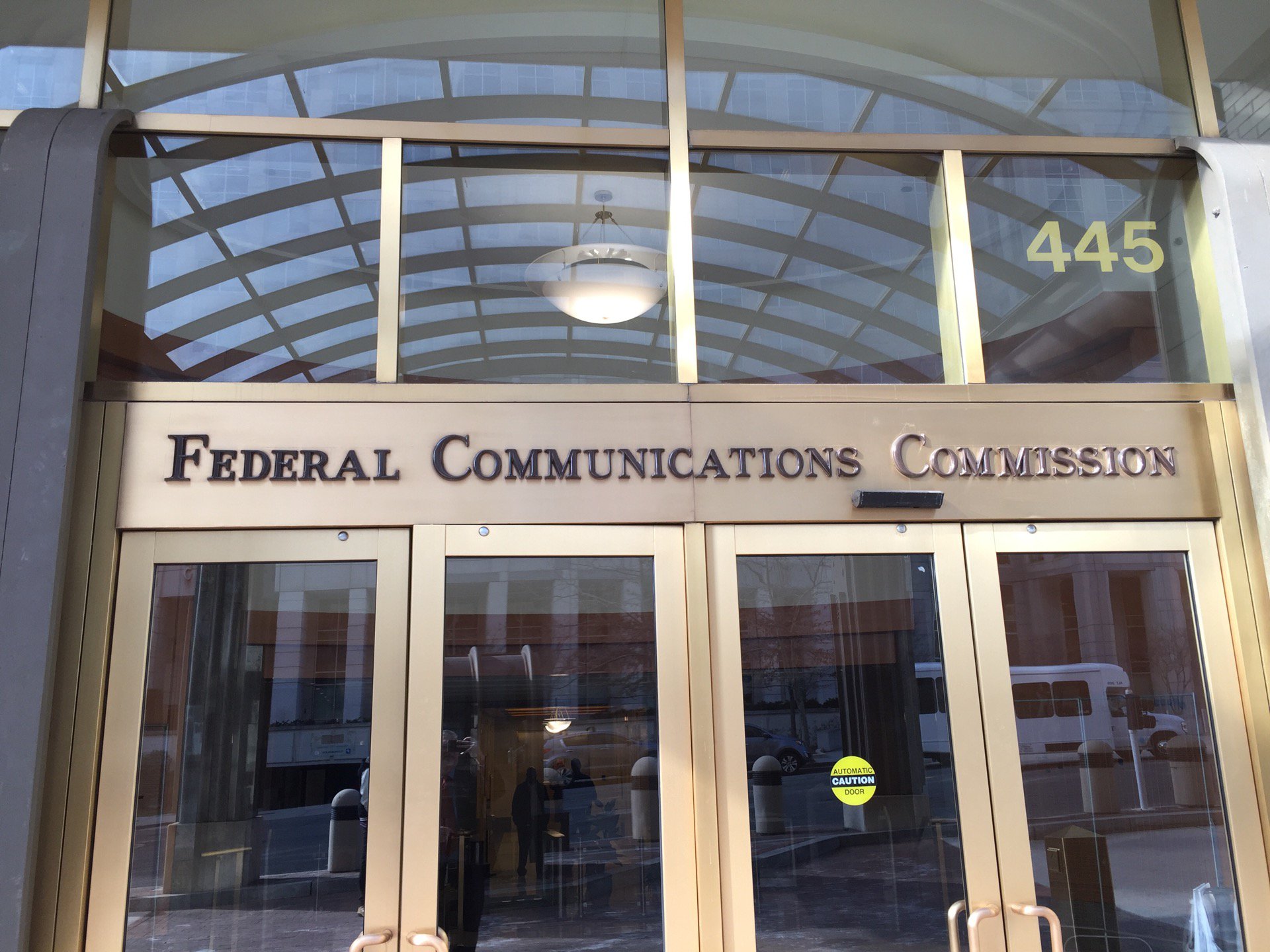
OTI's Wireless Future Project wrote and submitted comments to the Federal Communications Commission ("Commission") on behalf of the Public Interest Spectrum Coalition, including Consumers Union, Consumer Federation of America, National Hispanic Media Coalition, American Library Association, Next Century Cities, Public Knowledge, Common Cause, Institute for Local Self Reliance, and Access Humboldt. The comments urge the Commission to use the 3.7-4.2 GHz for an authorized, licensed, point-to-multipoint fixed wireless service to bring high-speed broadband access to rural and underserved areas of the United States. The comments focus on how following through on this proposal can open up much needed spectrum for infrastructure for fixed wireless providers to immediately provide relief for unserved and underserved rural Americans to help bridge the digital divide and stimulate economies across the country. The comments also strongly push back against the use of a "market based" or "private auction" approach to reallocating a portion of the band to mobile carriers since this would violate Congressional intent and transfer billions of dollars from the American public to foreign companies that never actually paid for the spectrum.
Executive Summary:
The Public Interest Spectrum Coalition (PISC) strongly supports the Commission‘s proposal to open unused spectrum in the 3.7-4.2 GHz band for a point-to-multipoint (P2MP) fixed wireless service that empowers providers to extend high-speed broadband to rural, tribal, small town and other underserved areas. The Commission‘s proposal to authorize coordinated, shared use of the 3.7 GHz band is an essential component of a potential win-win-win solution that achieves three vital public interest outcomes: first, to enable fixed wireless providers to bring high-speed broadband access to rural and other underserved areas; second, to reallocate a substantial portion of the band available for mobile 5G networks; and third, to protect incumbent Fixed Satellite Services (FSS) licensees from undue disruption or harmful interference.
The Commission should allow P2MP wireless broadband providers to coordinate shared use across the upper 300 megahertz of the band (3900-4200 MHz), on a first-in licensed basis. In addition, PISC urges the Commission to authorize opportunistic access (on a license by rule basis) by P2MP operations to any vacant frequencies in the lower portion of the band until such time as future ―flexible use licensees notify the Commission or a frequency coordinator that they are ready to commence service in a local area. With the benefit of an automated frequency coordination system, the Commission can once again adopt the ―use it or share it approach that it has already adopted for GAA use of vacant PAL spectrum (in CBRS) and for unlicensed use of locally-vacant flexible use spectrum in the post-incentive-auction 600 MHz band. Unlocking every megahertz of the grossly underutilized C-band will serve as part of the foundation for a more inclusive and robust 5G wireless ecosystem.
While opening access to unused spectrum across the entire band is critical to make highspeed broadband more universally available and affordable, PISC is also concerned about the process by which the lower portion of the band may be cleared and reassigned for ―flexible use licensing. PISC believes the ―market-based approach described in the NPRM is severely flawed. A private auction or negotiated sale controlled by a few incumbent and foreign-based companies, and with no return of the anticipated proceeds of $10 to $30 billion or more to the Treasury, amounts to a massive and needless giveaway of public assets. A ―market-based approach that is tantamount to a private auction or sale would be an end-run around Section 309(j) of the Communications Act in clear contravention of Congressional intent and precedent. The fact that four satellite operators are lucky enough to be the only cars parked in a half-empty public lot does not mean that they should receive a massive giveaway that needlessly denies the public any return on the spectrum.
A ―market-based approach that is tantamount to a private auction or sale would be an unlawful end-run around Section 309(j) that ignores more recent and repeated expressions of Congressional intent forbidding multi-billion dollar giveaways of federal revenue to licensees that never paid for spectrum. If the Commission allows a few incumbent licensees to decide among competing applicants (whether by ―negotiated agreement or private auction), this would not satisfy the Commission‘s obligation in the public interest to use negotiation to avoid mutual exclusivity pursuant to Section 309(j)(6)(e) of the Communications Act. If it does, then – like the Cheshire Cat who taught Alice ―the rules of Wonderland – there will be nothing left of the Section 309(j) auction requirement except the grin. If the ―negotiation exception in Section 309(j) is satisfied by authorizing a private auction or a privately-negotiated sale as the mechanism to avoid mutual exclusive uses of the band, then the exception swallows the rule and 309(j)(1) is rendered meaningless. Congress did not recently add incentive auction authority to Section 309(j) because it intended to give the Commission the authority to give away tens of billions of dollars in public revenue with no return to the Treasury. The incentive auction authority under Section 309(j) that Congress adopted as part of the 2012 Spectrum Act is the legitimate ―market-based approach that can and should be designed to work for this band.
Without full transparency and close FCC supervision, a private sale is also likely to distort competition in the mobile market. Spectrum will be made available to potential bidders based only on maximizing the incumbent licensees‘ profit rather than the broader public interest. Moreover, a private sale would set a dangerous precedent, suggesting that incumbent licensees should always wage maximum resistance against giving up or sharing unused spectrum unless the Commission agrees to give them all the public revenue that until now has always, with few exceptions, flowed back to the public, as Section 309(j) clearly intends.
Issues
Programs/Projects/Initiatives
Topics
Related

OTI Joins Bipartisan Group Asking FCC to Update EPFD Limits Imposed on Satellites

OTI Files Comments to Inform the USF Working Group