
Cincinnati Residents and Planners Convene on Climate Migration Preparedness
New America and City of Cincinnati will Host a Scenario Planning Session in Walnut Hills Community on Climate Migration and Housing Affordability
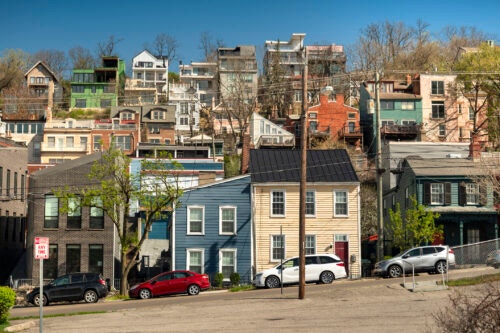
Climate change could drive millions of Americans to relocate inland from the Sun Belt and from the U.S. coasts in the coming decades. If left unplanned, such large-scale population shifts could prove significantly disruptive for the communities that receive climate migrants.
But one Midwest city is getting ahead of the game, with help from New America. In May 2026, the City of Cincinnati published its Climate Migration Readiness Plan, the first of its kind nationally, outlining a strategy to accommodate up to 500,000 new residents due to climate migration by 2050. The plan names New America’s Future of Land and Housing program (FLH) as a key collaborator, spotlighting FLH’s work with the City’s Office of Environment and Sustainability to understand resident perceptions of future housing pressures tied to climate migration.
Cincinnati’s readiness plan follows five guiding principles aligned with New America’s position on climate migration preparedness: center current residents, prevent displacement, align housing supply, invest ahead of stress, and stay welcoming and inclusive. Building on the plan, FLH and the City continued working together—convening residents to discuss their concerns, desires, and needs around possible climate-related population growth, in order to inform future planning.
The New York Times reported on Cincinnati’s plan, framing Mayor Aftab Pureval’s push to upzone for denser multifamily housing and expand public transit as bets that will pay off for current residents’ housing affordability and climate resilience—whether or not a large wave of climate migrants ever arrives. To highlight recent migration and displacement trends, the Times drew on FLH’s research report, Climate Migration’s Impact on Housing Security in the United States.
As the impacts of climate change on migration and housing intensify, New America’s Great Lakes Receiving Network is working alongside anticipated receiving cities in the region—including Cincinnati, Chicago, Minneapolis, and others—to help ensure that these communities are ready and resilient.
New America and City of Cincinnati will Host a Scenario Planning Session in Walnut Hills Community on Climate Migration and Housing Affordability
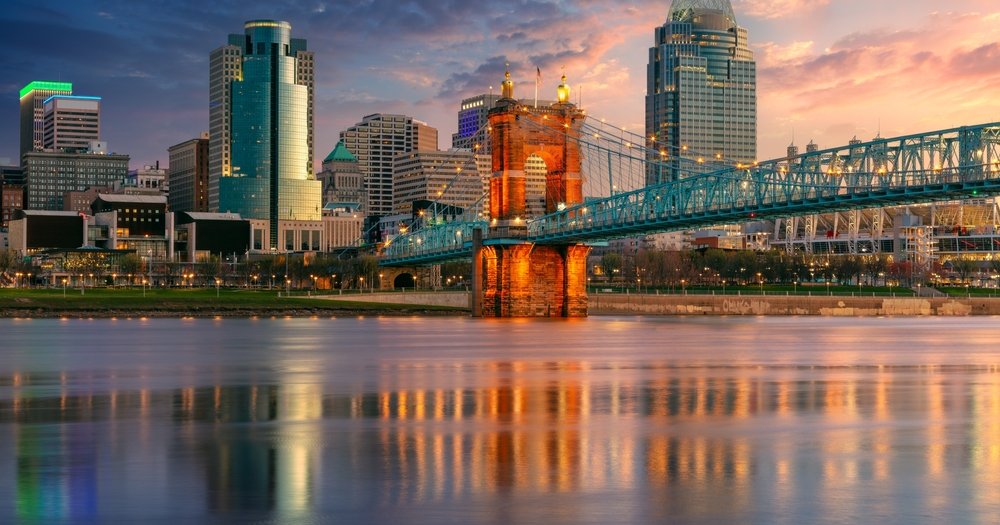
Ahead of climate migration, Cincinnati should prioritize boosting access to its many older, affordable homes.