
Homeowners Insurance Q&A with Alice Hill
Climate risk expert Alice Hill spoke with FLH’s Yuliya Panfil about housing affordability, homeowners insurance, and climate change.
A new blog and multimedia series hosted by New America, shaped by its contributors
In the United States, a housing shortage of millions of units, combined with a scarcity of adequate housing assistance, has fueled an unprecedented affordability crisis. Rent prices and home prices are at all-time highs, evictions are back to their pre-pandemic levels, and homelessness is growing in cities across the country. Globally, conflict, climate change–fueled weather events, and rapid and unequal economic development have resulted in 1.1 billion people—23 percent of the world’s adult population—saying they feel uncertain about their rights to their land, homes, and other property.
The Rooftop offers a home for innovative ideas to address the housing and land rights crises in the United States and globally. Through written articles, Q&As, and more, New America’s Future of Land and Housing (FLH) program seeks to showcase a range of housing solutions—those big or small, public or private, well-trodden or novel. To receive new contributions as they’re published, subscribe to The Rooftop today.
Q&A with Andrew Frederick: Transforming the Construction Industry Using Natural Materials
Architect Andrew Frederick talks with The Rooftop on how to combine natural materials, climate action, and high performance construction.
Interested in contributing? If you have an idea you’d like to share via The Rooftop, please fill out this short form, and a team member from FLH will reach out to you.
Editor’s note: The views expressed in the articles on The Rooftop are those of the authors alone and do not necessarily reflect the opinions or policy positions of New America.
Climate risk expert Alice Hill spoke with FLH’s Yuliya Panfil about housing affordability, homeowners insurance, and climate change.

FLH’s Tim Robustelli argues that Cincinnati should prioritize boosting access to its many older, affordable homes ahead of U.S. climate migration.
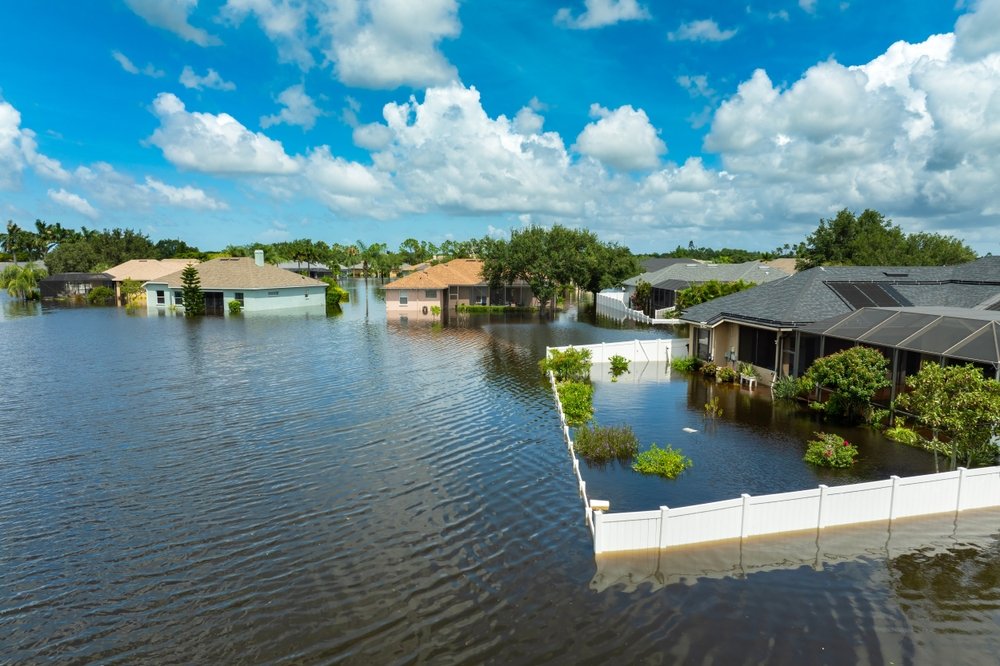
Property insurance is too expensive and doesn’t promote climate resilience. Housing Resilience Agencies could be the solution, writes Moira Birss.

The key to a better housing system lies not in building for people, but in equipping them to lead and design their own upgrades, write Ariana Karamallis and Marsella Garcia Prieto.

Kyle Rosenthal, a climate risk and sustainability professional based in Rochester, explores how the upstate city can becomes a climate success story—or a cautionary tale.

As people struggle to pay for housing and air conditioning, Federation of American Scientists researcher Autumn Burton offers strategies to make cooling more accessible.

Daniel Abrahams, CEO of BeechTree, and Abby Ross, founder The Resiliency Company, write about the disasters being caused by climate change—and the housing solutions emerging to protect our communities.

Matt Sedlar of the Center for Economic Policy and Research spoke to FLH’s Tim Robustelli about how states and cities can adapt to climate change, especially as federal support declines.

Grace Arlan with the Flagstone Initiative spotlights their innovative model for upstream eviction prevention: no-interest, no-fee rent loans.

Brian Stromberg of Grounded Solutions Network pinpoints where community land trusts could convert renter households into homeowners in this article for The Rooftop.

A survey last year found that many insurance carriers declined to cover subsidized buildings. Tim Lambert explores this trend.

In Indianapolis, a prosecutor’s office treats the housing crisis as a public safety issue by connecting eligible offenders to support, writes Matthew Impink.
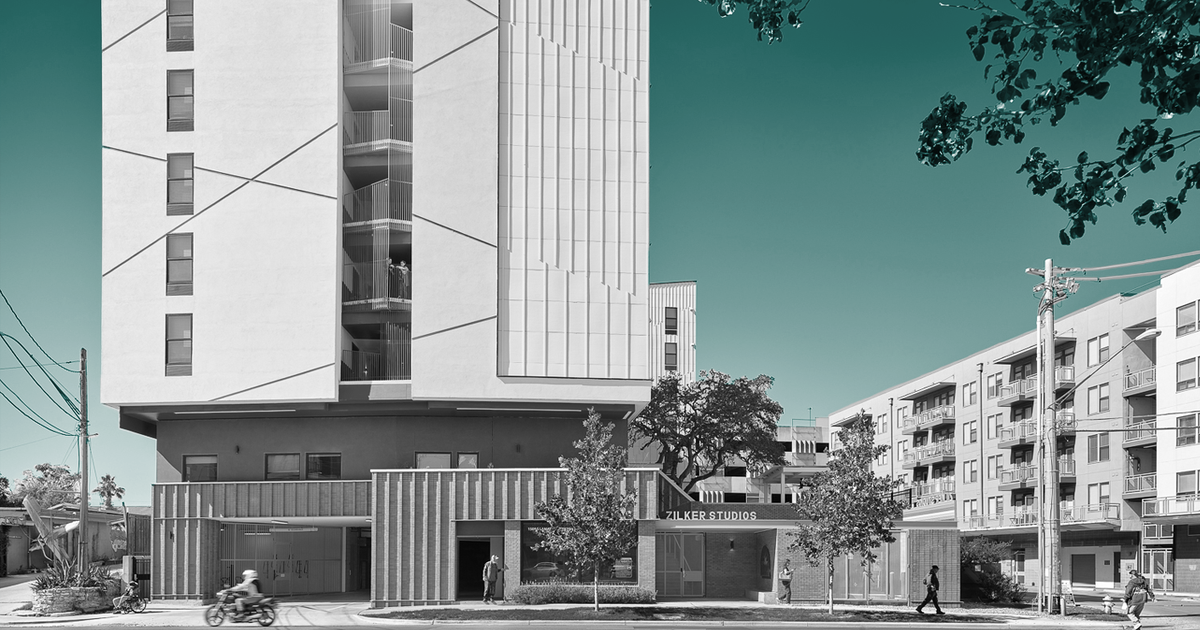
Jon Hagar shares exciting lessons from income-restricted housing in designing for connection, community resilience, and healing.

Feminist urban critic Lo Sontag speaks with Helen Bonnyman of Future of Land and Housing about creative tools to make housing affordable.
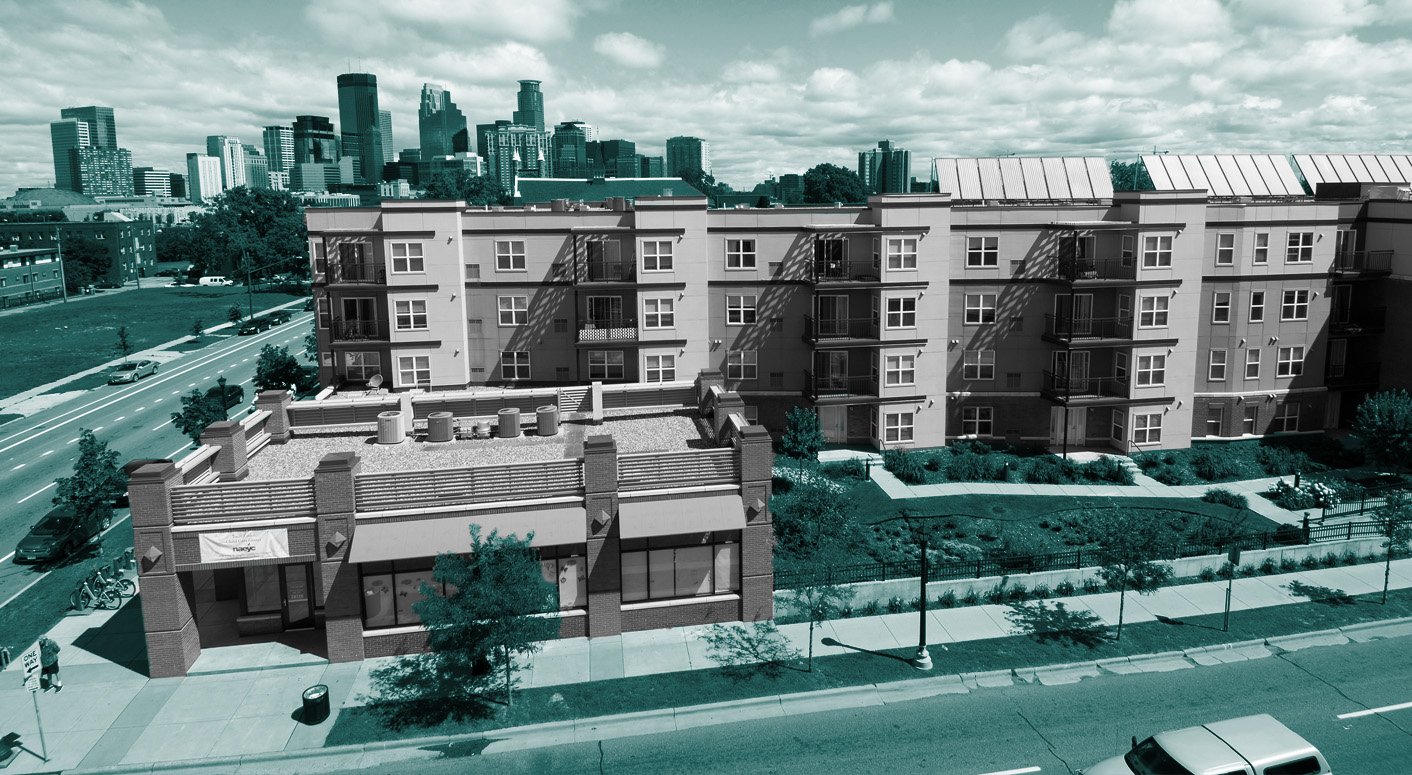
Will Delaney and Maggy Otte of the Hope Community nonprofit explain that even though affordable housing has high operating costs, that doesn’t mean its owners have to raise rents beyond what residents can pay.

Ezra Rosser, a professor at American University Washington College of Law, argues that the Supreme Court’s allowance of anti-homeless ordinances left the door open to recognize encampments as necessary when people have nowhere else to go.

Journalist Alec Appelbaum makes the case for opening our minds on open spaces to foster community and development.

Higher education expert Eddy Conroy and housing researcher Nick Graetz discuss insights from their recent study with FLH’s Yuliya Panfil.

Lawyer Fanilla Cheng, who lives in San Francisco, writes that public camping crackdowns in her neighborhood show a misguided approach to housing stability.

Joanna Carr, who works for the nonprofit Community Solutions, shares her experience finding housing for veterans with high care needs in Arizona and identifying scalable approaches to homelessness.

As lawyer Tara K. Ramchandani explains, when bad actors try to conceal intentional discrimination, this cornerstone of civil rights law can bring it to light.

Lawyer Stephen Hayes writes that the United States shouldn’t ditch a doctrine that allows companies to serve consumers while improving their bottom line.

The Trump administration is moving to shrink federal data and worsen housing insecurity. FLH deputy director Sabiha Zainulbhai breaks down a report to Congress that offers solutions.
FLH director Yuliya Panfil spoke with former White House policy aide Chiraag Bains on housing antidiscrimination protections gutted by the Trump administration.

Shared equity models can help make homeownership accessible and address racial wealth gaps. Outdated tax policy shouldn’t stand in the way, explains journalist and housing policy specialist Colby Sledge.
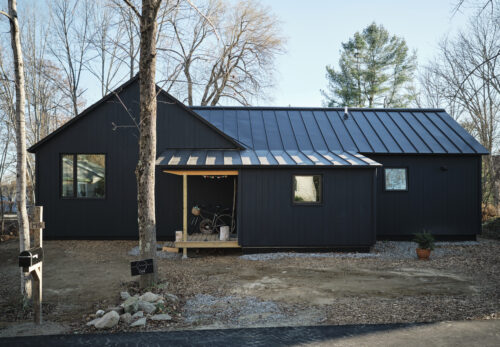
Architect Andrew Frederick talks with The Rooftop on how to combine natural materials, climate action, and high performance construction.

On The Rooftop: Alameda County, CA is piloting innovations to make missing middle housing easier and cheaper to build.

Alexei Alexandrov distinguishes between two types of housing markets in the United States: those where land is expensive, where densification will lead to lower housing costs, and those where land is relatively inexpensive, where lowering construction costs is the more effective path to affordability.

When zoning centers outcomes instead of restrictions, it can promote growth and support community needs, explains architecture professor Adam Lubinsky in conversation with FLH’s Helen Bonnyman.

If you want less of something, tax it—and that’s why easing taxes on buildings can help cities grow, argues Greg Miller of the Center for Land Economics.

To translate policy progress into built homes, we need innovators developing repeatable, scalable systems, writes Apoorva Pasricha of Cloud Apartments.

Founder of Urban Research Advisors Benjamin Preis argues that policy entrepreneurs are in a unique position to support innovative ideas in housing.

Fixating on national scale often means missing out on the most sustainable housing solutions from regional innovation, writes Ruby Bolaria Shifrin of Terner Labs.
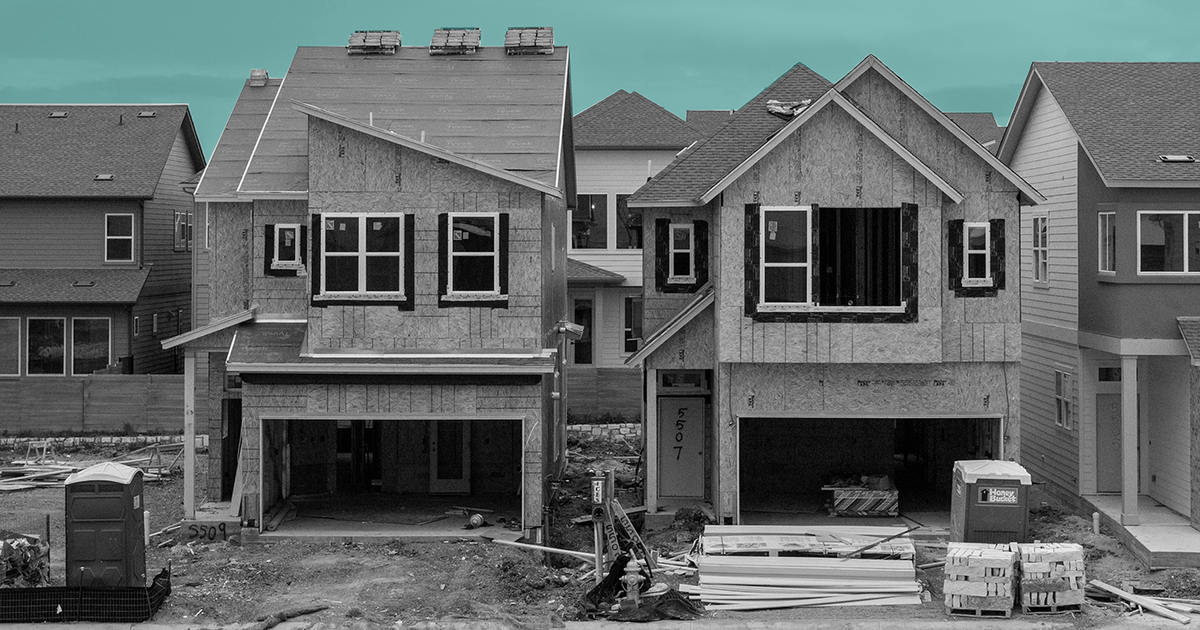
Writer Henry Long explores how Austin, Texas, went from failed zoning reform to a housing success story that other cities can follow.

Urban policy specialist Diana Lind shares how strategies that have made accessory dwelling units successful can be leveraged to boost other housing supply policies.

U.S. housing supply is failing to meet demand. Economist Alexei Alexandrov argues the federal government should boost construction by tying discretionary funds to fewer zoning restrictions.