
Innovations for Universal Early Care and Education
A Research and Reporting Project
The Covid-19 pandemic had sparked a continued burst of action, both small and large, across the country, as communities sought to grapple with the child care crisis.
Better Life Lab writers Haley Swenson and Rebecca Gale argued in the Columbia Journalism Review that mainstream news organizations have for too long neglected to cover child care in a sustained, robust, and rigorous way. We made the case for news outlets across the country to dedicate resources to forging child care beats in their newsrooms. Yet we also saw that those same newsrooms were struggling to survive in a tightening economy, shedding jobs and dropping coverage areas. Many lacked the bandwidth to add child care coverage to the reporting beat.
We decided to take advantage of both trends: that there was more to report on child care innovations, and that there were now more seasoned reporters with experience covering policy available in need of work. We offered a round of reporting grants, similar to a previous project in which we had offered reporting grants to independent journalists to dig into understanding the impact of paid family and medical leave on workers with care responsibilities. We asked independent journalists, writers, and content creators from a variety of backgrounds and regions in the country to turn their reporting eyes on the child care crisis and places where communities were coming together to seek solutions to address it. The grants were also designed to help develop and support a cadre of talented journalists and content producers to expand the chorus of storytellers who can write with nuance and understanding about care infrastructure.
What follows on this page is a series of our efforts – stories told by reporters we have worked with, and stories by our own Better Life Lab team. The stories may range in specificity and medium, but they are aligned in the goal of making child care a larger part of our national conversation.
For if we want to shift narratives about the way our country views care, we also must change the stories we tell about it too.
This project is a collaboration between the Better Life Lab program, Early & Elementary Education program, and Early Learning Nation.
Expanding Access to Quality Care
Solutions and lessons for increasing the supply of high-quality, affordable early care and education in the United States, including for families with nontraditional work arrangements.

Improving Child Care in Puerto Rico Begins with Building a Data Infrastructure

Reframing Caregiving Leave as an Opportunity at Work, Not a Liability

Quality Journalism Needed to Shift Attitudes on Child Care

The Child Care Cliff Meant the End of Federal Funds – But Some States Are Stepping In to Fix That

Child Care At Work? New Report and Conversation Questions the Role Business Should Play in our Nation’s Child Care

Growing the Pipeline of Early Childhood Educators
Gas, Groceries, Homeownership Opportunities and Kids’ Extracurriculars
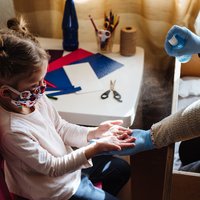
Did Covid Break Child Care or Was It Already Broken? A Brief Visual Explainer

Fresh Food, Dance Class, and Nap Mats: What's Lost Without Federal Money for Child Care
Rebecca Gale: Every News Outlet Should Have a Childcare Beat

The Child Care Cliff, A Cautionary Tale
Private Equity Is Coming for Child Care. What Does That Mean?

Why is Child Care So Expensive? What We Can Do About It.

Video: The Future of Reporting on Child Care

Telling the Story of Child Care

Fixing the U.S. Child Care Crisis Starts with Investing in Care Journalism

In Texas, A Break for Child Care Providers Via Property Taxes

From Trauma to Development
A Policy Agenda for an Equitable Future for Young Children of Immigrants
Innovations for Universal Child Care
Could Biden’s child care plan might make things harder for family caregivers?
Rebecca Gale wrote for the Washington Post about how Family, Friend, and Neighbor care might change under Build Back Better.

Universal Child Care May be Coming to Vermont
Rebecca Gale wrote for Early Learning Nation about Vermont’s journey to becoming the first state to provide families with universal child care.

After falling off the ‘benefits cliff,’ this mom decided to build a child-care safety net
Even before the pandemic, the number of regulated, in-home care providers had declined nationwide. One reason for this drop is that to receive government subsidies, home-based providers were required to meet higher training standards in the wake of a 2014 reform.

The New America Care Report
The New America Care Report proposes systemic change to the early care and learning infrastructure, including additional public and private investment in early care and learning; better training; pay and professionalization of the teaching workforce; as well as select innovative policy recommendations to help make high quality care more affordable and accessible to all families.
Improving Quality in All Settings
Solutions and lessons for improving early care and education quality in center, home-based, and informal care environments and ensuring a well-trained and compensated care workforce.

Centering Immigrants in the Search for Child Care Solutions
After arriving in Ohio from Vietnam, Ai Binh and her sister spent their nights working at a factory with their parents. What would “good child care” have meant for them?

Forget the ABCs. This Is What Preschool Teachers Want Your Kids to Learn
Rebecca Gale wrote for Working Mother about defining “kindergarten-ready” and the quality standards that make such determinations tricky.
The New America Care Report
The New America Care Report proposes systemic change to the early care and learning infrastructure, including additional public and private investment in early care and learning; better training; pay and professionalization of the teaching workforce; as well as select innovative policy recommendations to help make high quality care more affordable and accessible to all families.
Making Care Affordable
Solutions and lessons for making early care and education affordable for all families, regardless of income or employment status.
Centering Immigrants in the Search for Child Care Solutions
After arriving in Ohio from Vietnam, Ai Binh and her sister spent their nights working at a factory with their parents. What would “good child care” have meant for them?

The Moms Who Can't Afford to Work, But Can't Afford to Quit
Rebecca Gale wrote for Working Mother about the difficulty many low- and middle-income families face in affording child care.

Direct cash assistance helped Oklahoma families. Could these pandemic payments help pave the way for a Universal Basic Income?
Even before the pandemic hit, raising a child — particularly affording the cost of child care — was hard for many families. Could cash assistance change that?
The New America Care Report
The New America Care Report proposes systemic change to the early care and learning infrastructure, including additional public and private investment in early care and learning; better training; pay and professionalization of the teaching workforce; as well as select innovative policy recommendations to help make high quality care more affordable and accessible to all families.
Elevating Job Quality and Wages for Early Educators
Solutions and lessons for improving training, wages, and job quality among early educators and other care providers.
Could Biden’s child care plan might make things harder for family caregivers?
Rebecca Gale wrote for the Washington Post about how Family, Friend, and Neighbor care might change under Build Back Better.

What’s Missing in Early Childhood Education: A School District
Rebecca Gale wrote for Early Learning Nation about the need for a centralized office to manage child care centers' more complex administrivia.

The New America Care Report
The New America Care Report proposes systemic change to the early care and learning infrastructure, including additional public and private investment in early care and learning; better training; pay and professionalization of the teaching workforce; as well as select innovative policy recommendations to help make high quality care more affordable and accessible to all families.