
The Impact of Pandemic Aid on Families in Poverty
This report provides an in-depth look at the impact of pandemic-era government spending on families and what they say they need to thrive.
From Unprecedented Investments to “You’re On Your Own”
From March 2020 to March 2022, as the global COVID-19 pandemic raged, the U.S. government passed sweeping pandemic relief packages totaling more than $5 trillion. In a qualitative study of pandemic-era government spending and its impact on families, the Better Life Lab and our partners at the New Practice Lab organized focus groups, wrote ethnographic case studies, performed in-depth interviews, and produced original journalism. We found that for a brief and powerful moment, many families living in poverty had a glimpse of what a more stable, financially secure life might be like. Of all the pandemic aid, participants told us they benefited most from rental assistance and eviction moratoria, improved food benefits, an expanded Child Tax Credit and flexible, direct cash payments, broader access to Medicaid, and expanded unemployment insurance benefits. However, the policies’ brevity and piecemeal nature meant many participants’ families continue to struggle to get by today.
Eleven families and one child care provider showed that contrary to prevailing poverty narratives, families work hard, often in full-time jobs, and simply cannot make ends meet. The study demonstrates the power of telling fuller narratives of poverty from more diverse storytellers to better understand the barriers to U.S. families thriving and the changes needed to overcome them.
The Better Life Lab would like to thank the Robert Wood Johnson Foundation for its generous support of this work.
In-depth case studies and interviews with families in poverty reveal how pandemic-era government aid provided a brief moment of stability.
This report provides an in-depth look at the impact of pandemic-era government spending on families and what they say they need to thrive.
This project’s facilitated, first-person storytelling series interrogates a critical question: How do we design an economy that works for all families? To answer this, we looked into the day-to-day lives of our narrators.

Our facilitated, first-person storytelling series interrogates a question critical to this project: “How do we design an economy that works for all families?”

While this aid was good for most families—and Ali is very clear that it helped her, too—her story still brings questions about policy design to the forefront.

Latoya Dyer is clear that receiving pandemic-era aid made her feel more human. Her sentiments succinctly sum up nearly everything about this project—that robust federal investment in family-supportive policy can positively affect the lives of the people who need it most.
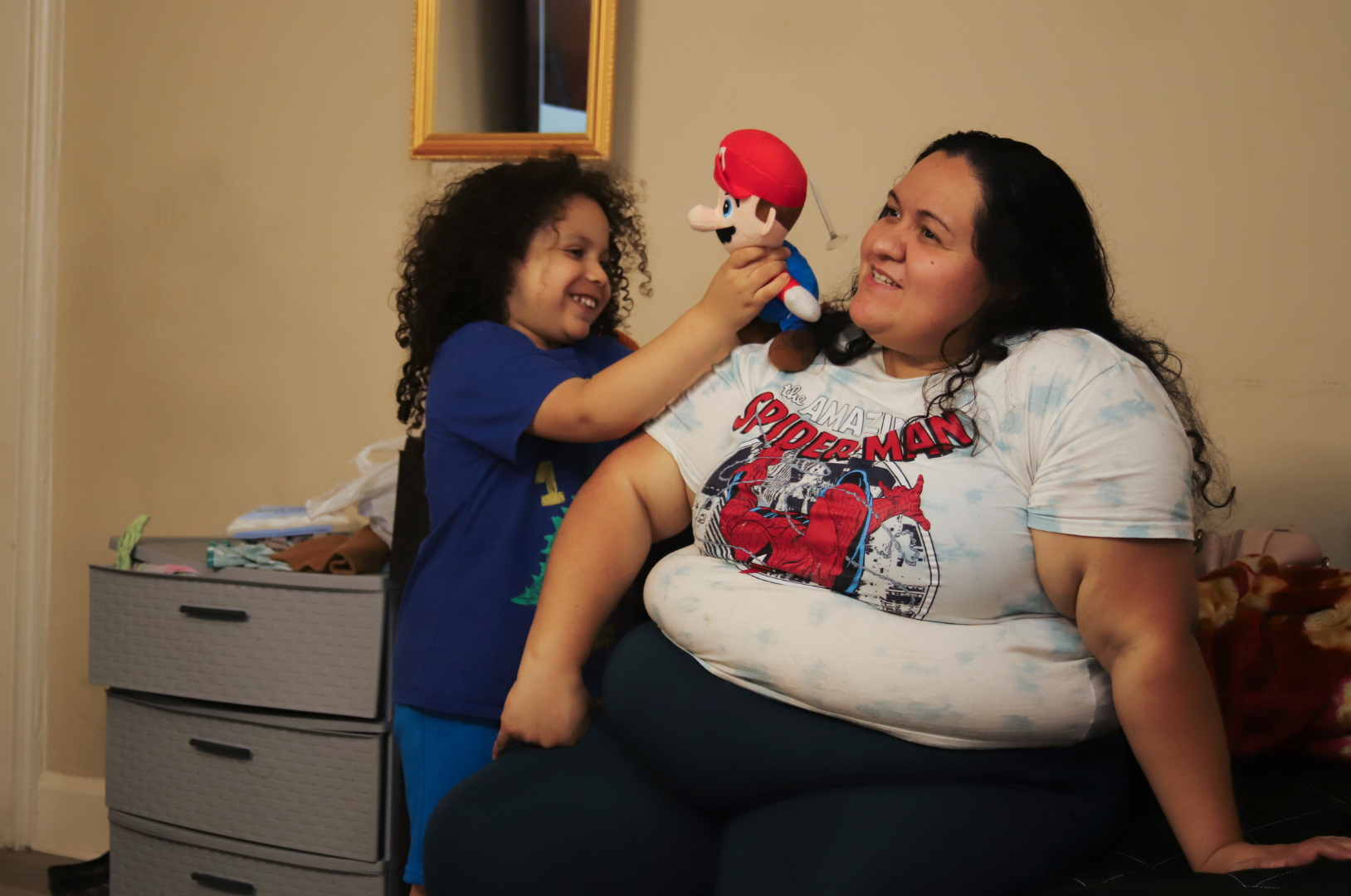
To share her story about the impact pandemic-era federal aid made in her and her family’s lives, Vilma Cabrera invited writer Brigid Schulte and photographer Jasmine Heyward to spend time with them on April 26, 2024.
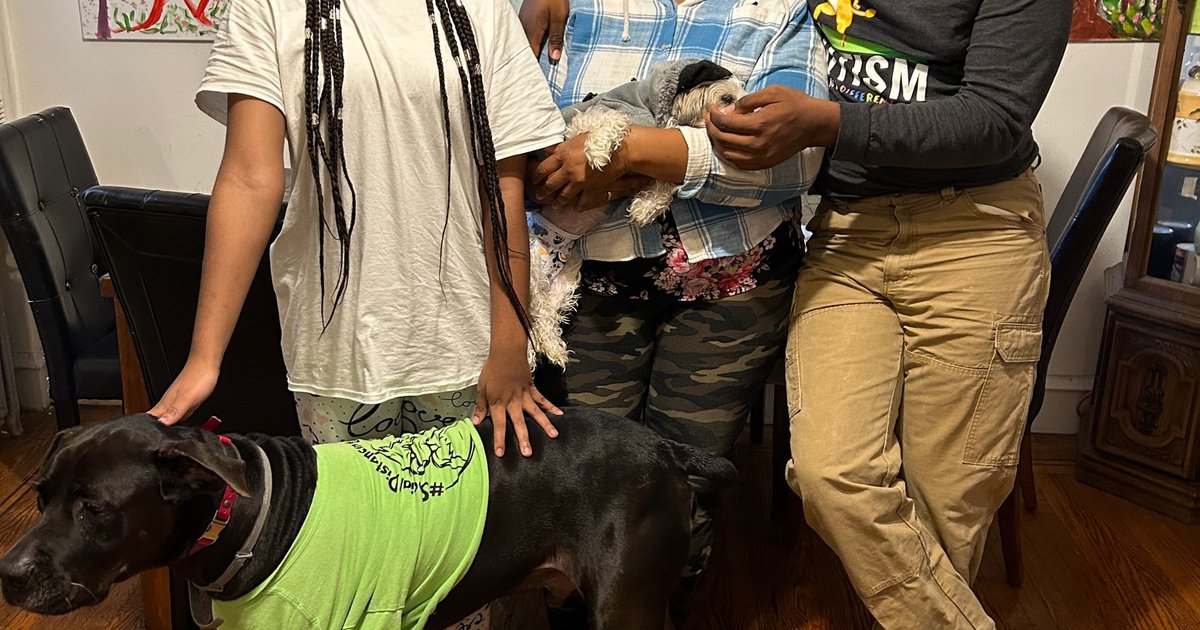
During the pandemic, like most care workers, Philipa Nwadike-Laster lost all of her outside paid care work and struggled to provide for her family. Brigid Schulte spent the afternoon with her at her tidy row house in the Olney neighborhood in Northeast Philadelphia.
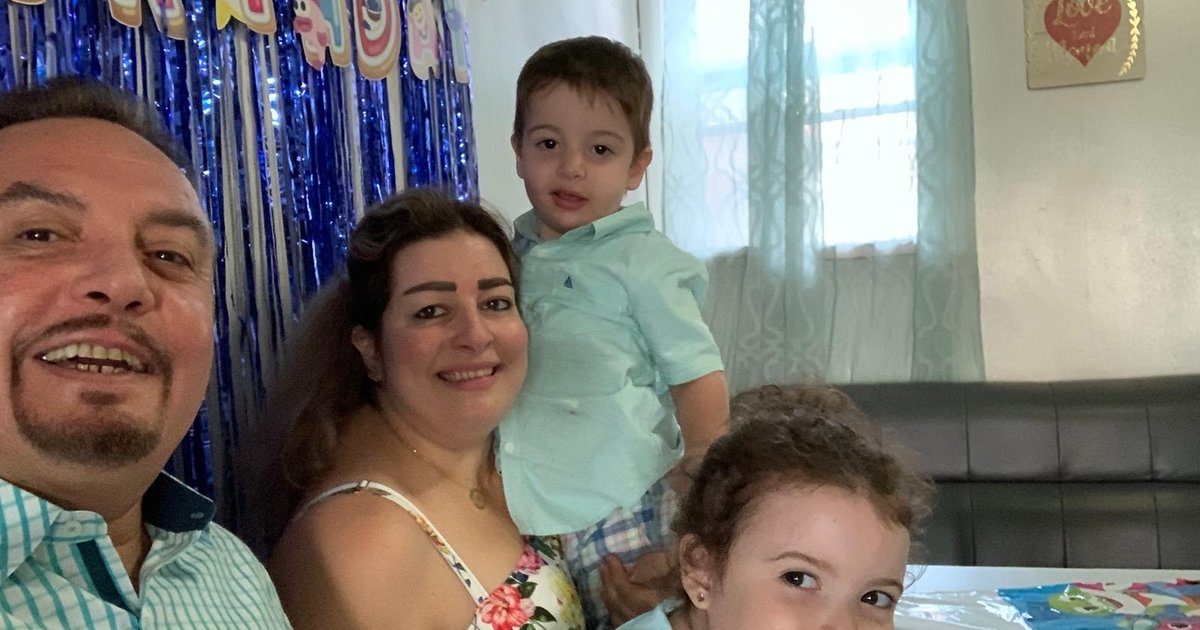
Child care subsidies and federal pandemic aid saved Ruaa Sabek’s family from financial disaster. In January 2024, she began working full-time in a bank, effectively doubling her salary and reducing the family’s public benefits.

The federal government’s pandemic-era investments kept Blessing Aghayedo’s family housed, fed, and, provided them with health insurance through Medicaid. But as the pandemic ended, all of that aid ended.

Federal pandemic aid, particularly the stimulus and child tax credit payments, and the health care available for financially strapped families under Medicaid have been lifelines for Kel and her family. What she wonders is, why did it have to stop?

When Mariam Dewi thinks of what she and other working families like hers need to thrive, she lists three things: better pay, good medical care, and affordable housing.
We created a series of multimedia elements to enhance our storytelling.
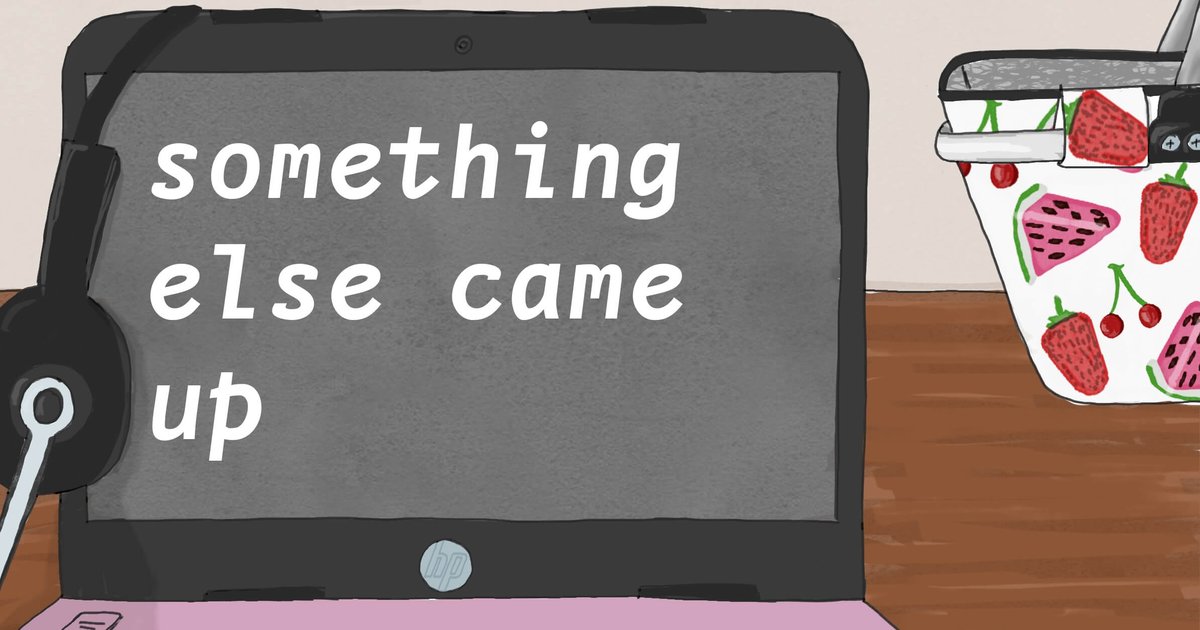
something else came up is a choice-based interactive experience highlighting the denial of agency and how it traps people in poverty.
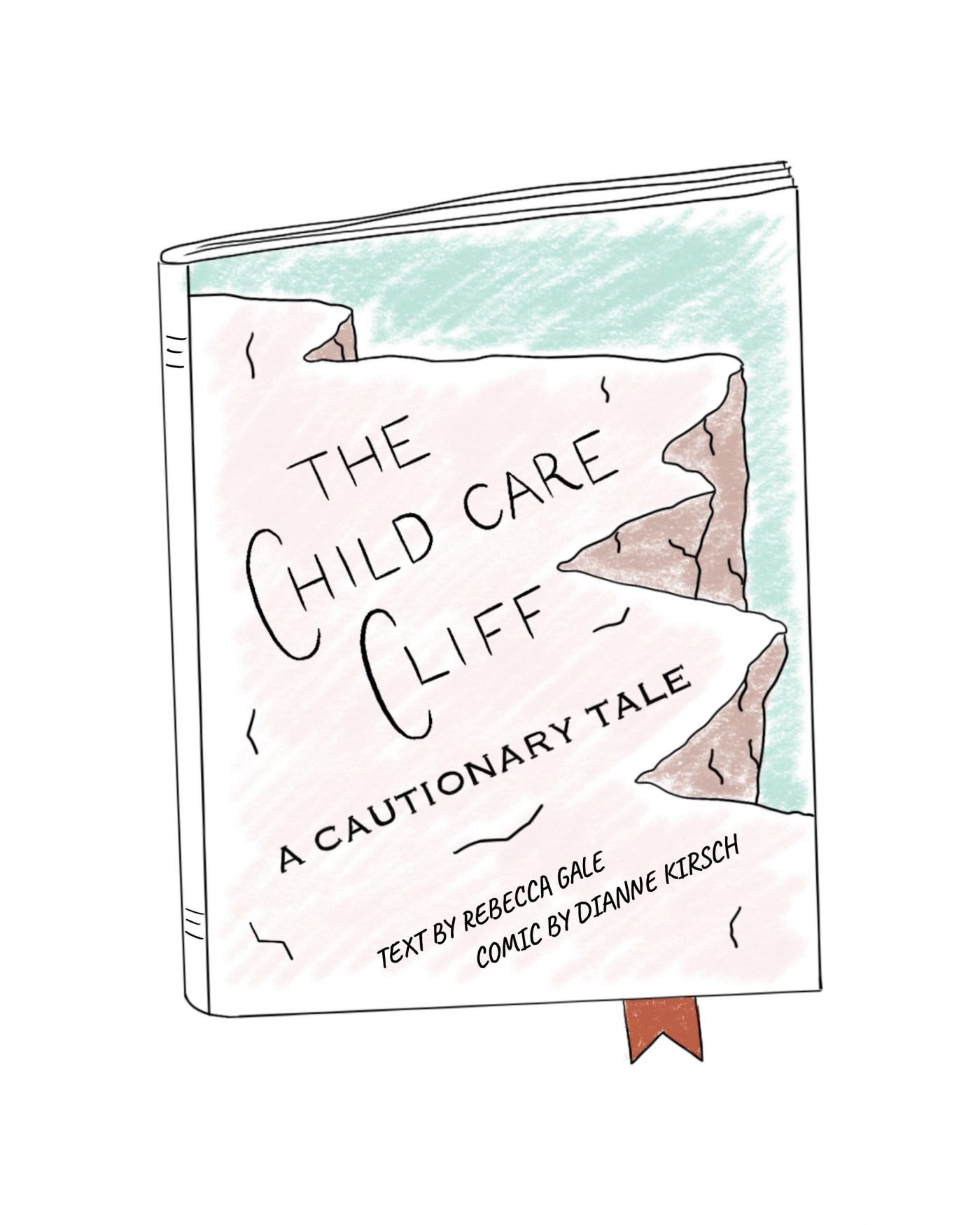
What does the child care cliff mean, and why should people care?

An in-depth analysis of how centuries of neglect toward the health of Black women and their children led to the stark inequities seen today.
Addressing Black maternal and child health disparities in the U.S. requires a multifaceted approach.
Child care can’t be solved by free market forces alone.
A virtual discussion on what families say they need to thrive and the future of family economic security and well-being.

Hear directly from families who participated in the study about their experiences and perspectives.

We wrote many news stories, blogs, and articles for this project. We also interviewed several poverty and policy experts.
Many working parents are piecing together informal, ad-hoc care like grandparents, rotating schedules, or babysitting trades to cover full-time jobs in the absence of formal child care, revealing a fragile system that leaves families improvising simply to get by.

The White House has expanded its Newborn Supply Kits—offering essentials like diapers, fever thermometers, Vitamin D, and vouchers to new parents, but these helpful provisions don’t address deeper structural challenges such as the high cost of child care, lack of paid family leave, and insufficient support for caregiving in the U.S.
Child care in the U.S. is exorbitantly costly. Burdened by low staffing ratios, rising overhead expenses such as rent, taxes, insurance, and supplies, and a lack of consistent federal investment, it's forcing families to shoulder the unsustainable remainder.

The end of federal child care funding is stripping programs of essentials like healthy food, enrichment activities, and adequate staffing—putting early childhood care at risk.
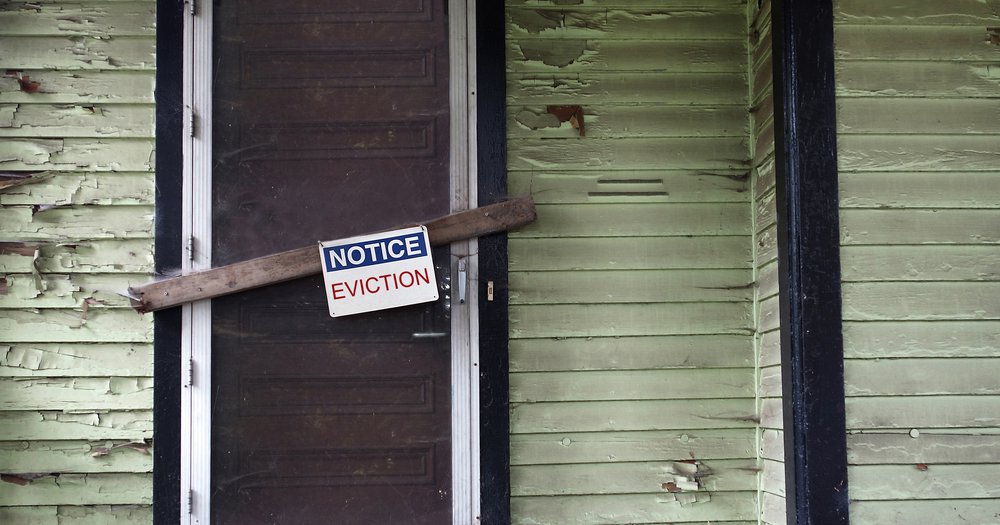
Children under five years old are the group most likely to be threatened with eviction in America.
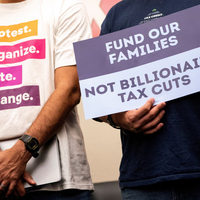
Republicans portray those in poverty as lazy people who make poor decisions. They’re using that trope to justify huge cuts to the social safety net

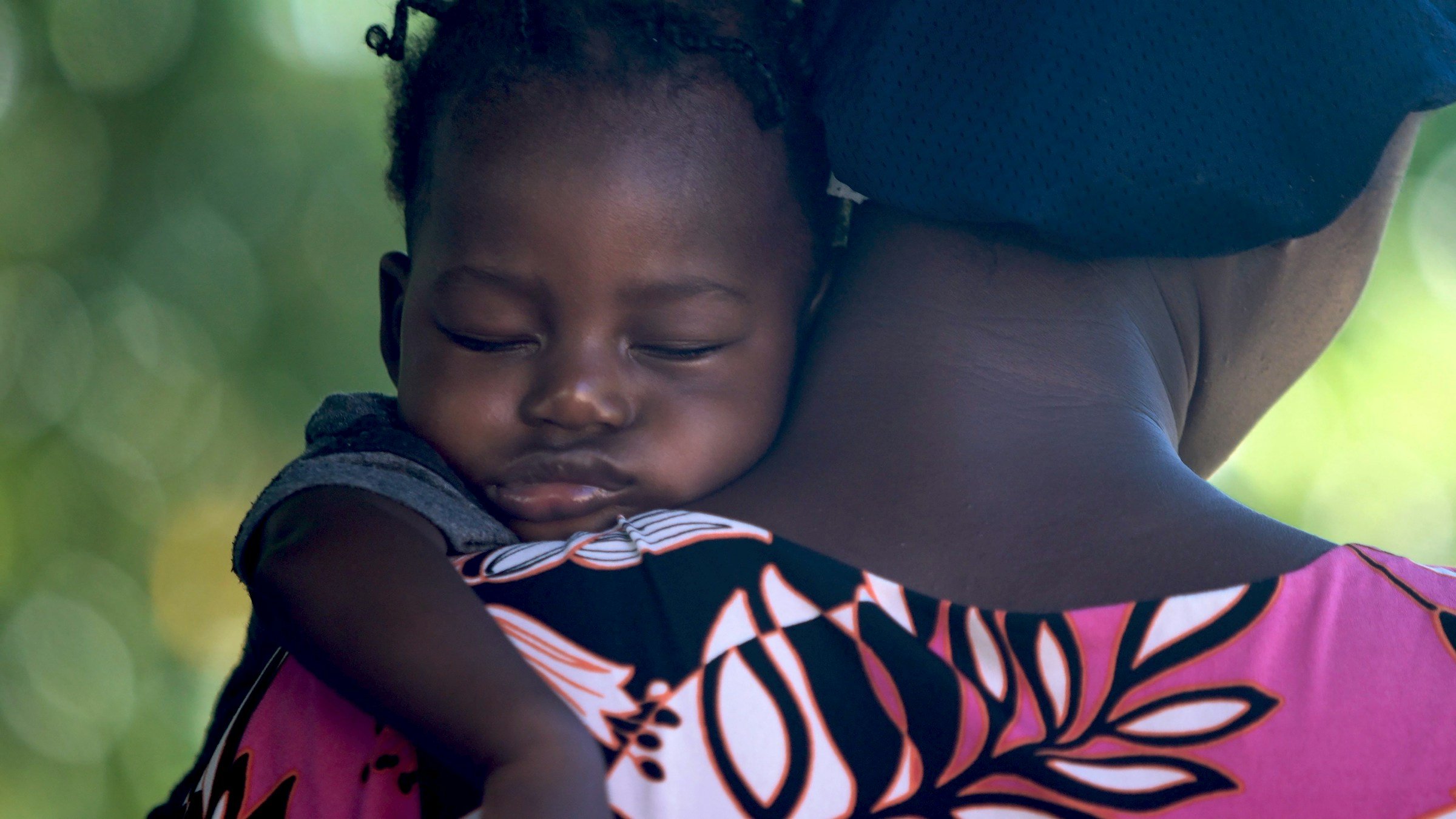
Maternal mortality is shockingly high in the United States. What exactly is being done about it?

How is it that at the depth of the crisis, when tens of millions were unemployed, most people were actually financially better off?
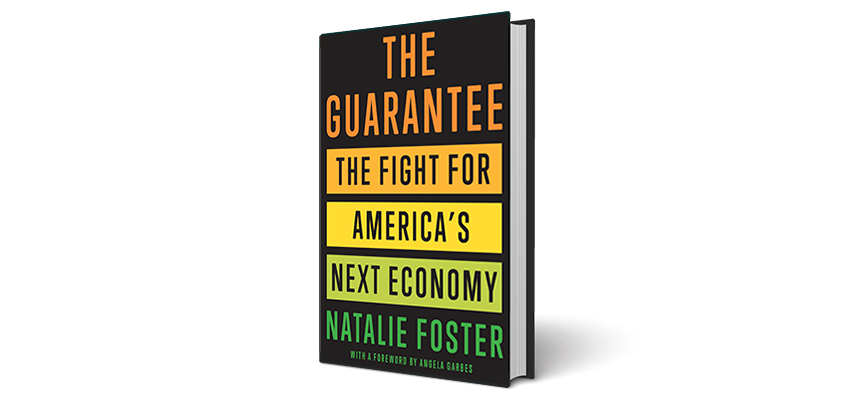
Imagine an economy where everyone has access to good health care, education, stable housing, and time and support for caregiving.

“Sometimes, stress during pregnancy is, for lack of a better phrase, the straw that breaks the camel’s back.”

The Neighborhood Villages apprenticeship program graduated its first cohort in 2024 and continues to grow.
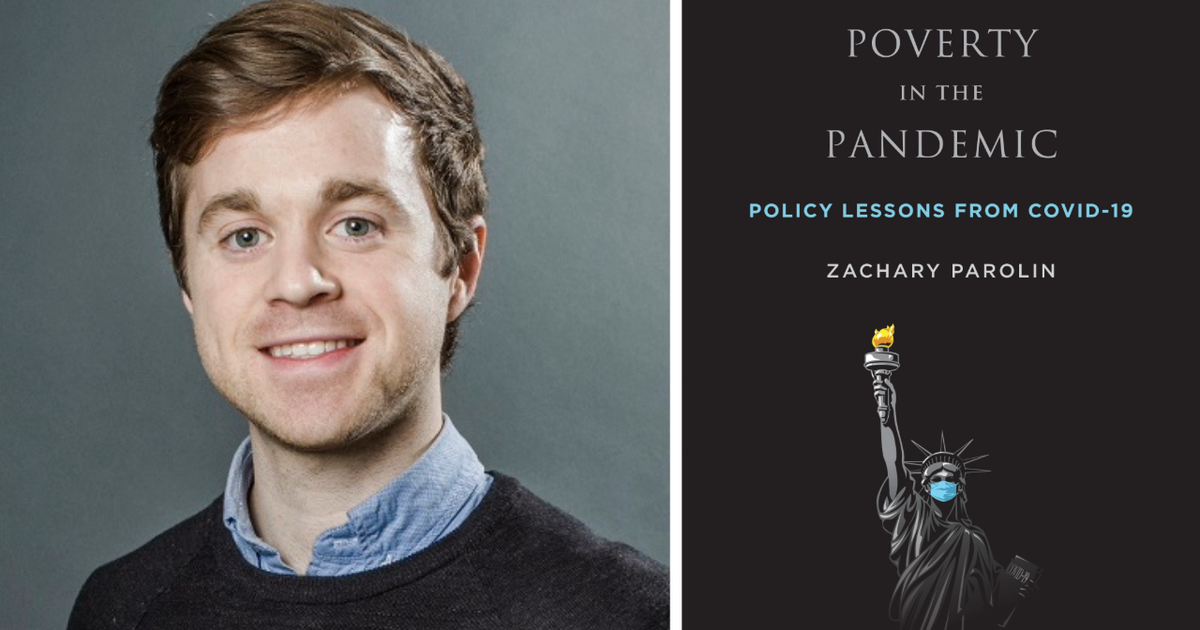
In his book, Poverty in the Pandemic: Policy Lessons from COVID-19, Zach Parolin painstakingly analyzes the real-world impact of federal investments.
A Century Foundation report details the how and why of states deciding to invest in child care.

When ARPA funds ran out in September 2023, thousands of child care providers had to change the way they operate.

Instead of direct payments to providers, a ballot referendum in Texas offers a property tax break.
The onus is on Congress to deliver the economic and social policy building blocks that can enable Americans to thrive.

Every year, more than 25 percent of Black children living in rental households receive an eviction filing.

The first empirical data on child care and employment in Puerto Rico was published in September 2023.

The pandemic opened the door to the potential of eliminating child care expenses. Now it’s time to take the next step.

In the United States, around one in three children belongs to a single parent household, the vast majority of which are headed by women.

When expanded federal funding for child care ended, many extended families, including grandparents, shouldered the burden.

The CARE for Moms Act includes federal funding to boost the doula workforce, grant funding for Rural Obstetric Mobile Units, and extended SNAP WIC benefits.

Live to See the Day by Nikhil Goyal is a sweeping indictment of what it mean to be poor in America.
Before the pandemic, U.S. child care was already considered broken.
Blacksburg, Virginia, has money allocated to give child care providers a much-needed pay boost, but for some it may be too late.
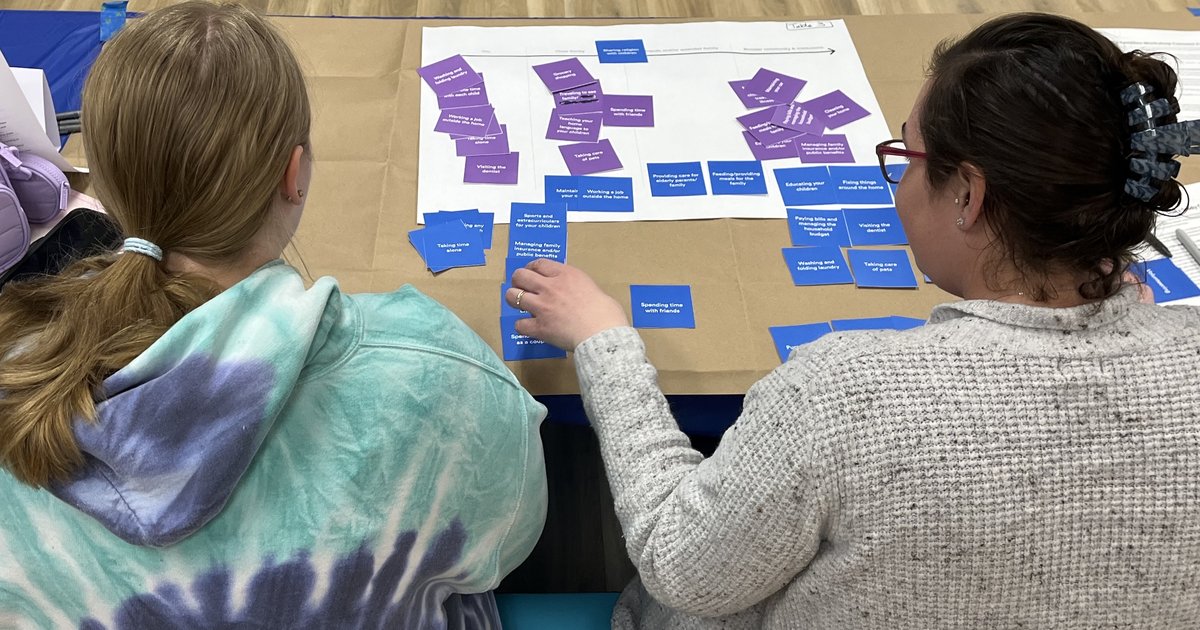
It is critical that we develop a robust policy response to support parents and kids who have been cut out of opportunity and prosperity.

The 2023 legislative session resulted in about $750 million in new funds for child care and early learning programs.
Here’s a quick guide to the social supports that participants in our facilitated storytelling series said helped them the most—or, options they wished they’d had—throughout the pandemic. (You can read more robust descriptions of these programs in chapter two of our report.)
CTC: The Child Tax Credit is a tax benefit designed to support families with children by reducing their tax liability or providing a direct payment, depending on their income and eligibility. The CTC was expanded in 2021, offering significant financial relief to families.
SNAP: Supplemental Nutrition Assistance Program is a federally funded program that provides financial assistance to low- and no-income families and individuals to purchase food. During the pandemic, all benefits were increased by 15 percent, and every eligible household’s benefit was increased to the maximum possible for their household size.
P-EBT: A temporary program that allowed families with children who would have received free or reduced lunches if not for pandemic-related school closures to purchase food.
Unemployment Insurance (UI): A joint federal-state program providing cash benefits to eligible workers. The 2020 Coronavirus Aid, Relief, and Economic Security (CARES) Act created three UI programs that: 1) gave people receiving state unemployment benefits extra cash atop of their existing weekly payment; 2) expanded coverage to people who typically wouldn’t qualify—including part-time workers, independent contractors, gig workers, and those who are self-employed; 3) and extended the amount of time a person could receive unemployment insurance from 26 weeks to a maximum of 79 weeks.
Medicaid: A program providing health care coverage to low-income people in the U.S. Pandemic-era legislation lowered qualification requirements and automated re-enrollment so that most people who qualified for unemployment insurance and immediate family members automatically qualified for Medicaid through March 2023.
WIC: The Special Supplemental Nutrition Program for Women, Infants, and Children provides cash assistance, nutrition counseling, and breastfeeding support to married and single parents or legal guardians who live with a child under five. During the pandemic, waivers were offered to make requirements more flexible.
Direct Cash Assistance: A medley of local and federal programs and initiatives that provided financial aid directly to individuals or households to address unemployment, eviction risk, or other forms of material hardship. During the pandemic, this included stimulus checks, guaranteed basic income, emergency rental assistance, Navajo Hardship Assistance, and other direct payments to qualifying U.S. residents.
Emergency Rental Assistance: Federally funded programs initiated during the pandemic to help renters and landlords affected by COVID-related financial hardship. These programs were established under the 2021 Consolidated Appropriations Act and expanded through the 2021 American Rescue Plan Act.
Child Care Assistance: In 2021, Congress dedicated an additional $39 billion to child care, with $24 billion in stabilization grants to child care providers and $15 billion in discretionary funding. States used much of this funding to increase child care assistance payments to low-income families. However, most of our participants continued to handle child care independently throughout the pandemic as they could not access the subsidies.
Paid Leave: In 2020, the Families First Coronavirus Response Act required public employers and those with fewer than 500 employees to provide workers with two weeks of fully paid sick leave for COVID-related illness or caregiving duties. The provisions expired in 2021, and many of our participants did not benefit from these mandates