Men and Care in the United States
An overview of the Better Life Lab’s work on the cultural and structural barriers to men taking on a more equitable caregiver role.
American families have changed dramatically in the past 50 years, with more women and mothers in the workforce, and more families, particularly those with less education and lower incomes, forming outside the traditional structure of marriage or the nuclear family. Yet work practices, social policies, and cultural attitudes have failed to adapt. Unpaid care work of young children, of sick family members, and, increasingly, of aging relatives, has been undervalued as “women’s work,” which has disadvantaged the financial independence, health and wellbeing, equity, opportunity and advancement of women and their families. And at a time when experts predict that traditionally masculinized jobs will become automated in the near future, the fastest growing jobs are those that can’t be fully automated: paid care work. These jobs, too, have been traditionally filled by women and undervalued. The pivot, now, is figuring out how men can and should factor into this paid and unpaid care equation, and shine a spotlight on the fact that many are already beginning to, or want to.
As a leader in data-driven original research, policy recommendations, practical tools and storytelling with a purpose to challenge status-quo thinking and shape human-centered shared narratives, the Better Life Lab is exploring how men can and should factor into this changing future of care and pointing the way to the systemic, structural and cultural barriers that need to be redesigned in order to do so fully and effectively.
Reports
Explore reports from the Better Life Lab as part of the Men and Care project, as well as other New America reports that laid the foundation for this work.

Providing Care Changes Men

Professional Caregiving Men find Meaning and Pride in their Work, But Face Stigma

The Bipartisan Case for Caregiving

Engaged Dads and the Opportunities for and Barriers to Equal Parenting in the United States
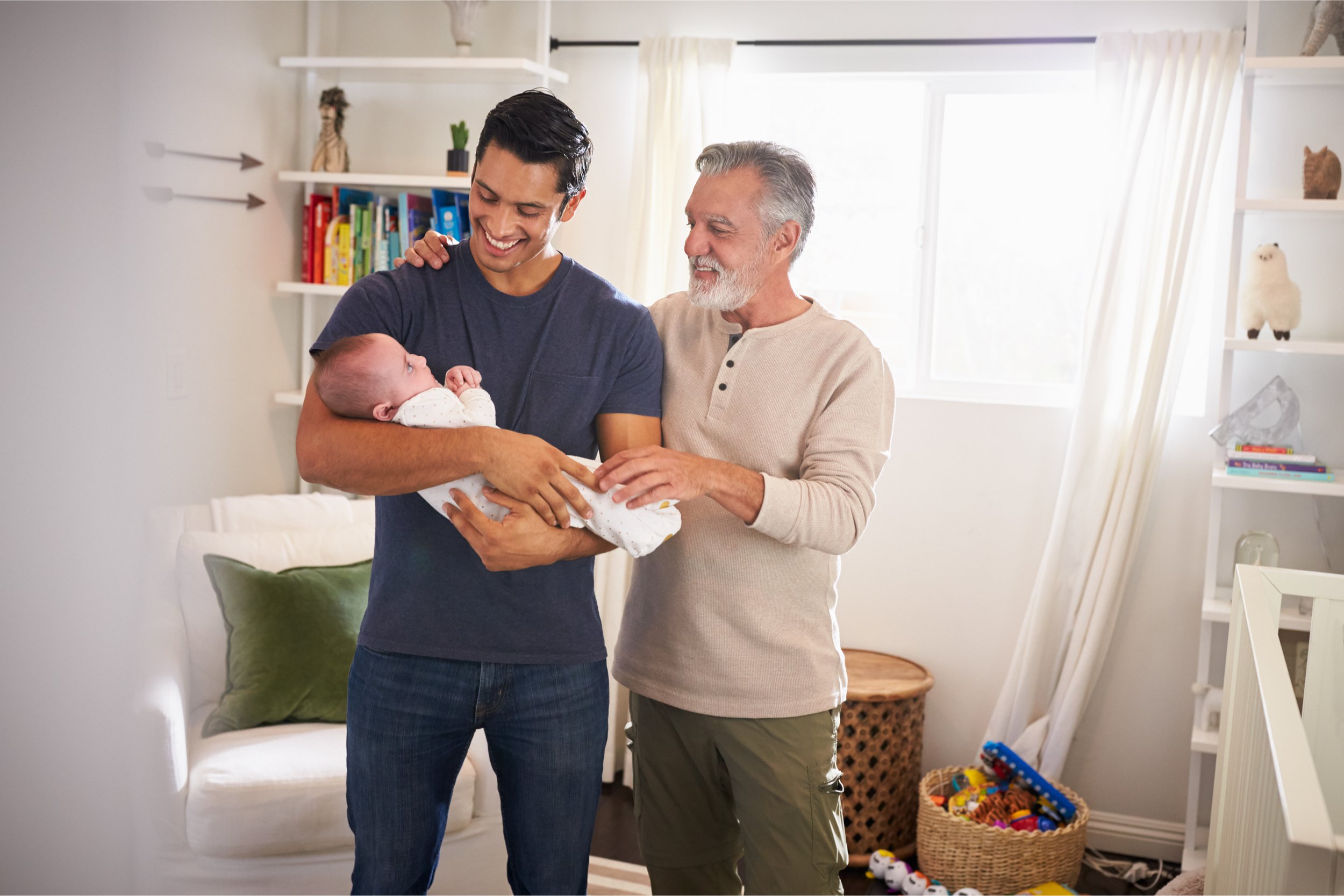
Lifting the Barriers to Paid Family and Medical Leave for Men in the United States
A Better Work, Better Caregiving 2020 Policy Agenda

The Summer Care Gap

The Care Report
Op-Eds, Media Mentions, Blog Posts, and Guest Spots
Discover more insights, analysis, and commentary on men and care from Better Life Lab experts across media outlets, podcasts, and radio shows.

The Future of the Recent Flexible Work Revolution Depends on Men

How Supporting Men as Caregivers Advances Gender Equity
What New Research Reveals About Men and Care Work

How Care Is Viewed for Men vs. Women

How Research Debunks False Narratives About Black Fathers

This Father’s Day, Give the Gift of Paid Parental Leave and Make Sure He Takes It

“They Didn’t Really See Black Men as Parents”

Black Family Caregivers Face Major Financial Hurdles

Knowing that My Fathering Matters

The Future of Work May Be Even More Sexist

What’s Keeping Men from Doing More at Home? Actual Caregiving Experience

Dads Say They Want to Be Equal Caregiving Partners. Now They Just Need to Do It.

Painting a Portrait of Caring Black Men

Paid-Leave Pioneers: Japanese Dads Spark a Child Care Revolution
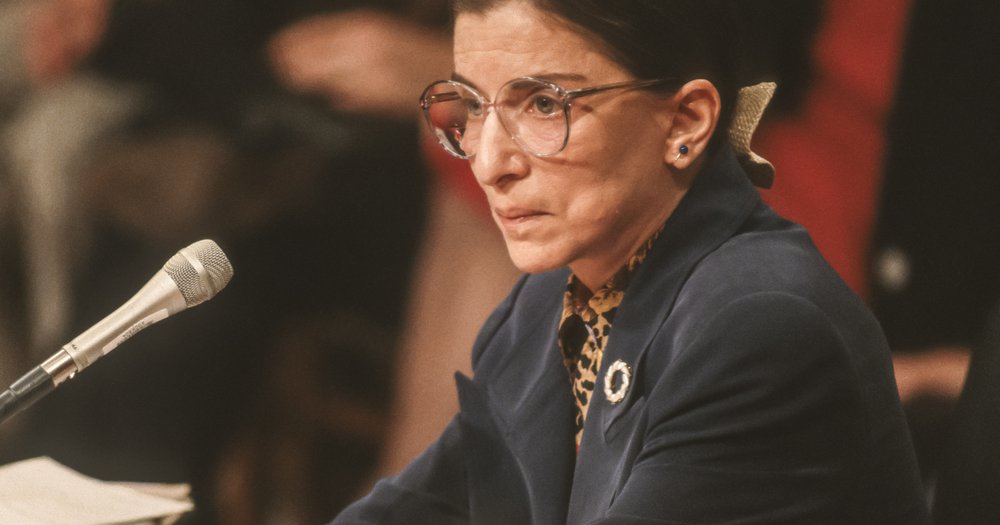
In Memory of Justice Ruth Bader Ginsburg

Paternity Leave Is Ignored by Corporate America—and That’s a Problem for Women

Pushing Against Gender Roles, Now that We’re All Home Together

Men Say They Want Paid Leave but Then Don’t Use All of It. What Stops Them?

Study: Men Want to Do More Caregiving, but Can’t

Who’s Watching The Kids? The Challenge of Child Care During A Pandemic

Fatherhood and the Pandemic: How Men Are Stepping Up with Child Care

An Unexpected Upside to Lockdown: Men Discover Housework

More Men Are Doing Housework and Caregiving Amid This Pandemic

Explainer: Paid and Unpaid Leave Policies in the United States

Explainer: Paid Leave Benefits and Funding in the United States
Events
Below are events the Lab has held to shine a light on the unique challenges fathers and men with caregiving responsibilities across the life cycle face in taking paid family leave and assuming a more equitable share of those caregiving duties.

Crisis Conversations: Being a Dad in the Time of COVID-19