Dismantling the Department of Education Would Irreparably Damage Student Learning
Linda McMahon’s secretary of education confirmation hearing shines a light on Trump's assault on child welfare and public education.
Research, Analysis, and Commentary across New America’s Education & Work Teams in Support of the Department’s Critical Role
From supplementing state and local funding in high-poverty schools to ensuring students with disabilities receive a free appropriate education to administering financial aid and federal student loans, the U.S. Department of Education plays a critical role in supporting student achievement and creating more equal learning opportunities.
New America’s Education & Work teams are aggregating their analyses, opinion pieces, and research in one place to make the case for why the Department of Education matters, who it helps, and what’s at stake if it were to be shut down.
For related media inquires, reach out to Katherine Portnoy and she can help connect you to the appropriate expert.
Linda McMahon’s secretary of education confirmation hearing shines a light on Trump's assault on child welfare and public education.
The Trump administration lacks both the legal authority and the political power to actually close the Department of Education.
Trump administration asserts federal control over schools, colleges, and students to a degree never before seen.
President Trump signs a “short and substance-free” order to close the U.S. Department of Education.
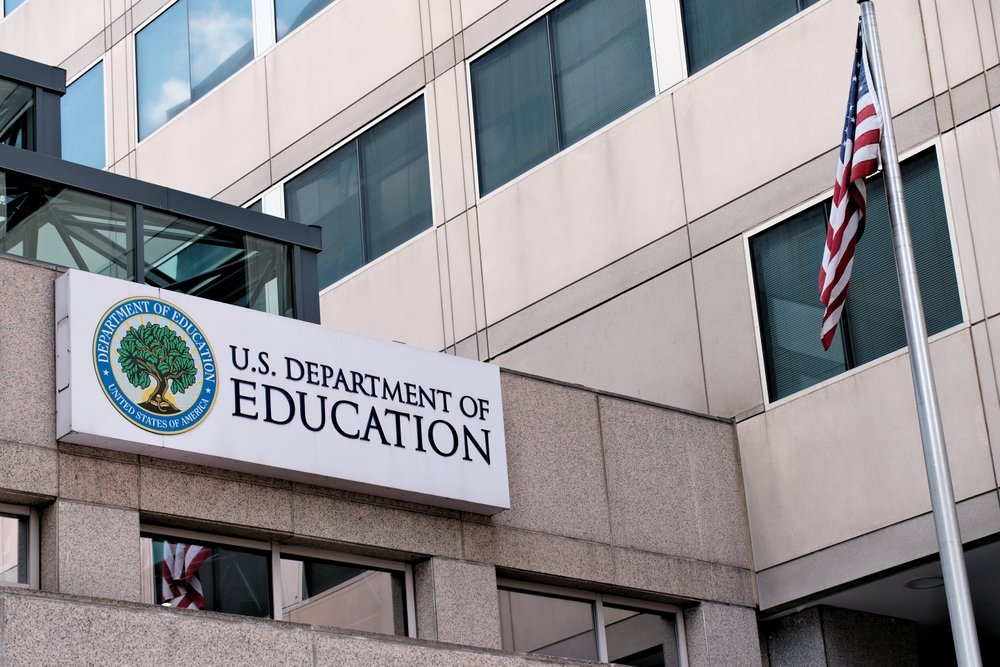
The Trump administration’s latest attempt to dismantle the U.S. Department of Education is lawless, wasteful, and bad for students.

The U.S. Department of Education monitors and protects the civil rights of students with disabilities and their families. What happens if it falls?

The stakes are high for young children in the upcoming debate about the proper size and role of federal programs and agencies.

Elena Silva explains what the Texas v. Becerra lawsuit means for students with disabilities.

Low-income and rural districts, which serve higher proportions of Medicaid-eligible students, would bear the brunt of these cuts.

Slashing the U.S. Department of Education, Medicaid, and more hurts young children with delays and disabilities.

Cuts to the U.S Department of Education’s Office for Civil Rights create impossible case loads for investigators and fewer protections for young children.
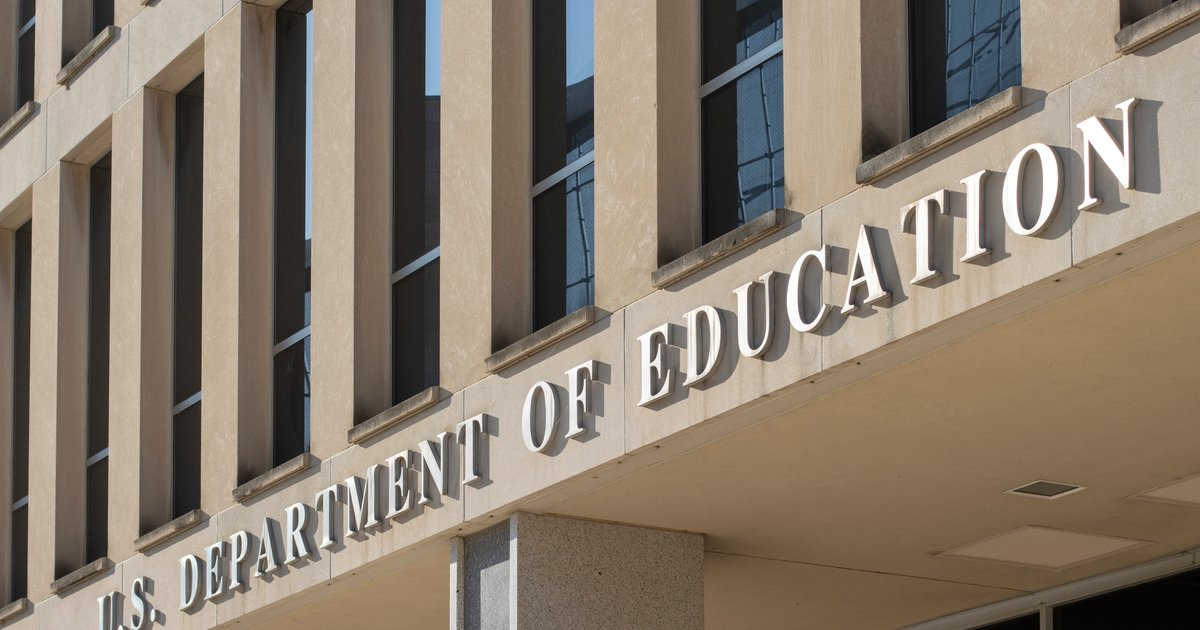
The U.S. Department of Education is one of the smallest agencies in the government, but one of the most impactful on the lives of Americans.

As achievement gaps are widening, the current administration plans to reduce funding designed to help high-poverty districts catch up.

Oklahoma’s recent proposal highlights the dangers of block granting federal education funds.
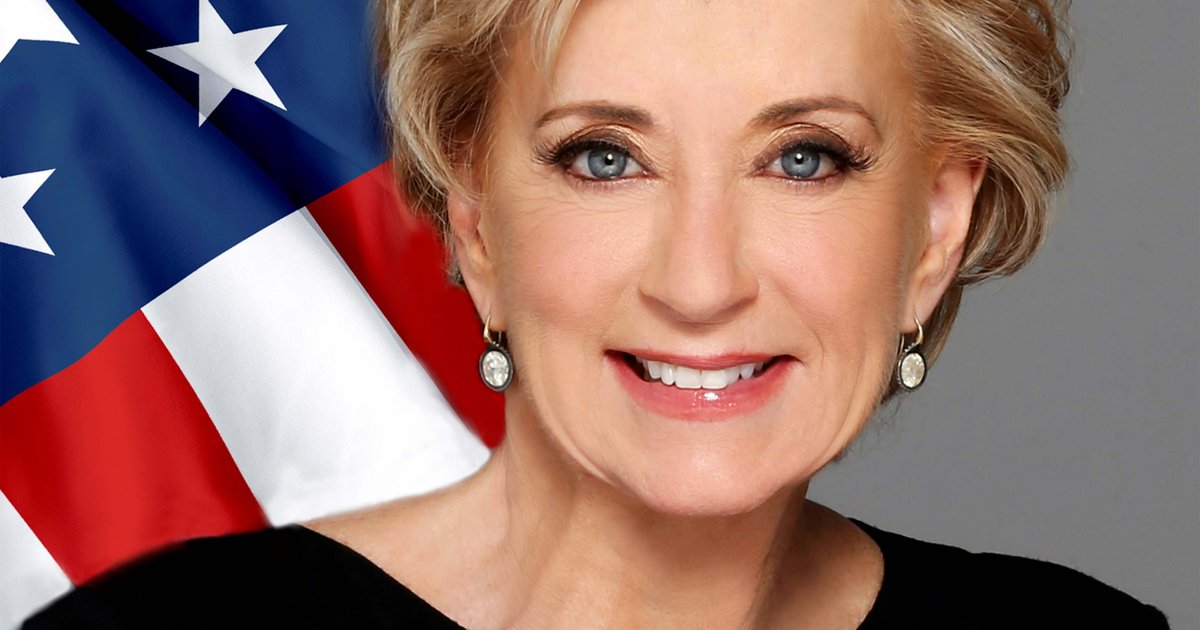
Adam Harris examines two critical moments of the would-be Education Secretary’s confirmation hearing.
The Institute of Education Sciences funds critical data and research on teaching and learning. Cuts are counterproductive.
Dismantling the U.S. Department of Education would be devastating for the country’s children from their earliest years of learning through graduation

A range of English learner programs and funding sources are under threat if Trump dismantles the U.S. Department of Education.

Here are three ways the U.S. Department of Education’s demise would wreak havoc on educators and the quality of instruction in our public schools.
Jazmyne Owens argues that the Trump administration has systematically weakened civil rights enforcement by dismantling staffing, redefining legal interpretations, and sidelining protections for marginalized groups under the guise of preserving civil rights.
New America urges the U.S. Department of Education to maintain rigorous, inclusive civil-rights data collection, enhance transparency and privacy protections, and better monitor disciplinary practices like threat assessments.
Moving education programs around, while adding in the back-and-forth communication and red ink required by complicated new partnerships, will create unnecessary confusion and delay for states and localities, ultimately hurting students.

The six interagency partnerships that ED announced this past week will make it harder—not easier—for state and local education leaders to provide what students need. Congressional leaders should request that the Government Accountability Office (GAO) examine how executing this plan would impact the overall time, cost, and quality of services.

Kevin Carey wrote an op-ed for the Chronicle of Higher Education on the Trump administration’s agenda to hurt higher education.
As efforts to eliminate the U.S. Department of Education mount, here are the biggest roles the organization plays in students’ lives as they navigate college.
Staff with the Department of Government Efficiency (DOGE), charged with scrutinizing federal spending, has fed sensitive student data into artificial intelligence software.

Republicans who argue that the U.S. Department of Education is a bloated bureaucracy miss how it protects students and assists them in climbing the social mobility ladder.

In a search for imagined cost savings, the so-called Department of Government Efficiency has suggested AI could replace staff that help students with thousands of FAFSA and student loan questions every day.
Challenges like student financial aid and civil rights investigations in schools demand the specialized oversight of the Education Department.
On February 12, 2025 Mary Alice McCarthy testified before the House Appropriations subcommittee on Labor, Health and Human Services, Education, and Related Agencies on the importance of leveraging and better funding our community college system to build a thriving middle class.
For the past few weeks, the so-called Department of Government Efficiency (DOGE) has made headline-grabbing claims that it has eliminated hundreds of millions of dollars in “wasteful” government spending. However, a closer look at DOGE’s cancelled contracts show the savings it’s heralding are heavily inflated and fail to account for money that’s already been spent.

New poll findings show Trump’s proposal for education unpopular among Americans.

Institutions have the opportunity to be defenders of diversity efforts and academic freedom as the Trump administration assails those values.