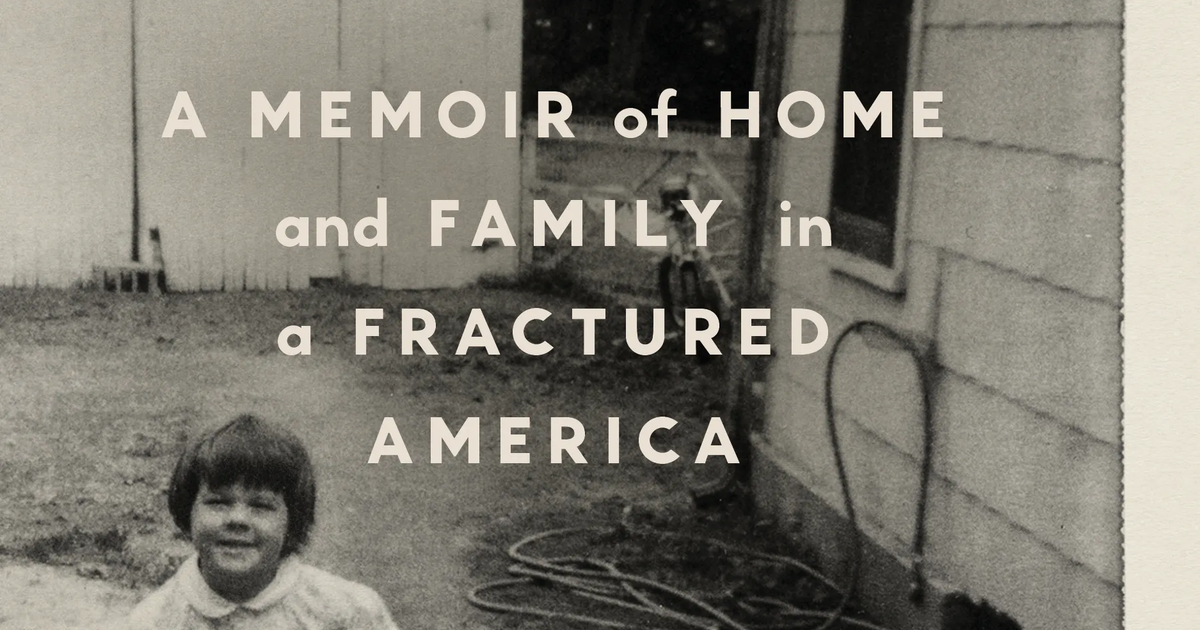
Better Life Conversations
How do we live better lives? What can we do as individuals? How are policymakers and organizational leaders driving change? Where are the bright spots we could learn from? Who are the thinkers and doers with big ideas, fresh imaginations and hopeful visions working toward building better futures of thriving individuals and families?
For our Better Life Conversations series, these are some of the questions we explore and the stories we tell as we talk to people who are thinking about, writing on, or working to make the world a better place for work, family, gender an care. When policymakers, business leaders, and all of us work to remove the limitations of the status quo, especially for those most disadvantaged by it, we free everyone to live fuller, healthier, wholehearted lives and reach our full potential as individuals, communities, and as a nation.
Public Policies that Support All Families and an Economy that Works for All People

Economist Kathryn Anne Edwards on Rebooting the American Dream
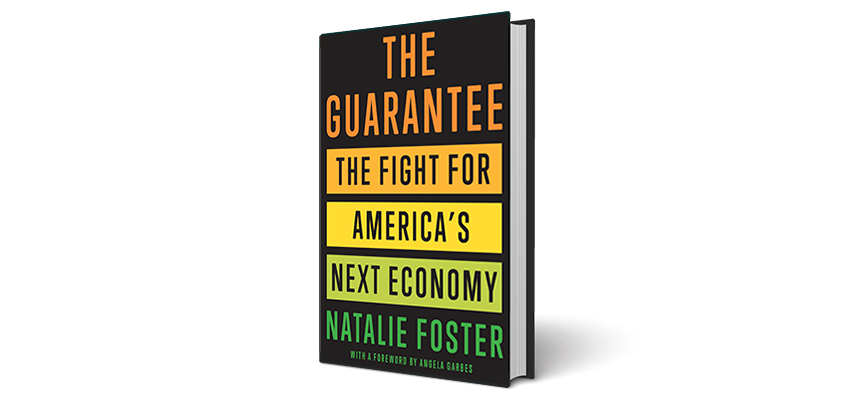
Natalie Foster on Imagining the Guarantee Economy

Economist Scott Fulford on how Pandemic Aid Improved Financial Wellbeing
Grandmothering while black: our policies were not built for grandma-led households
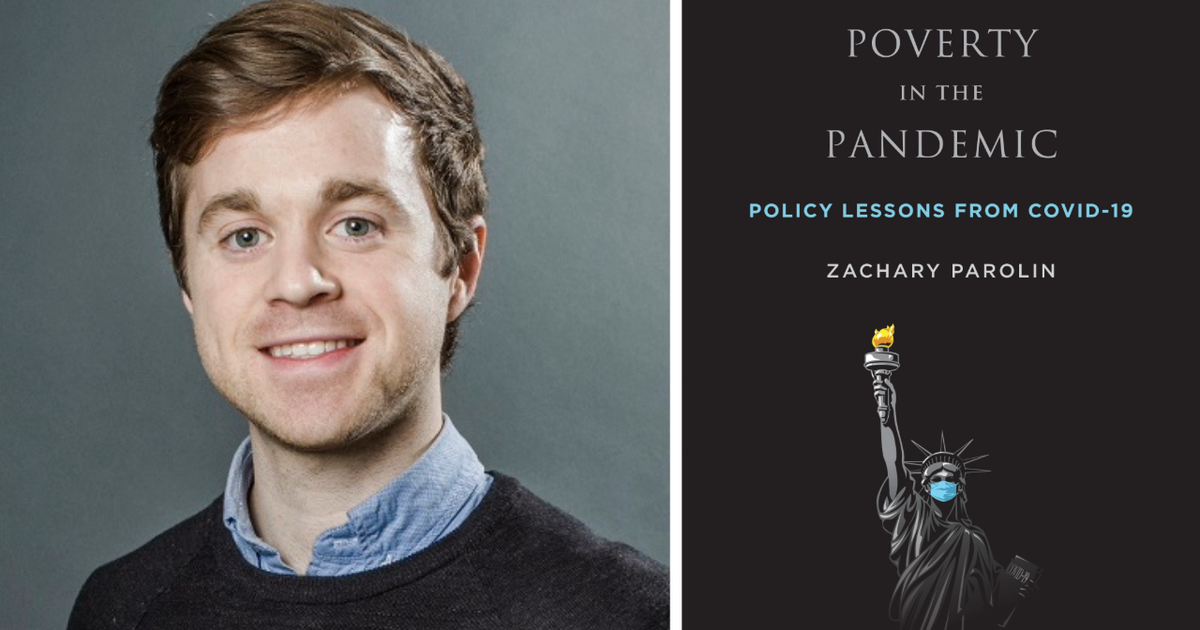
Zach Parolin on the Lessons We Should Have Learned from the Federal Spending during the pandemic
Rep. Robin Kelly on Making Life Easier for Pre-and Postpartum Moms
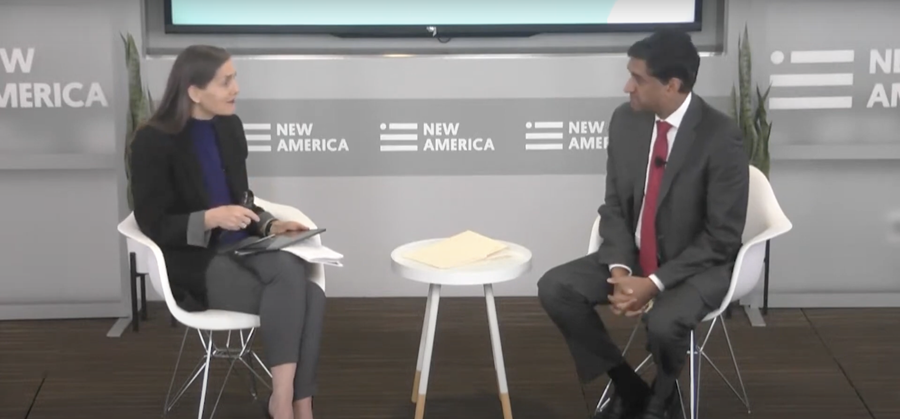
Rep. Ro Khanna on an Economic Patriotism Agenda, and why Universal Childcare and Paid Family Leave are critical to it
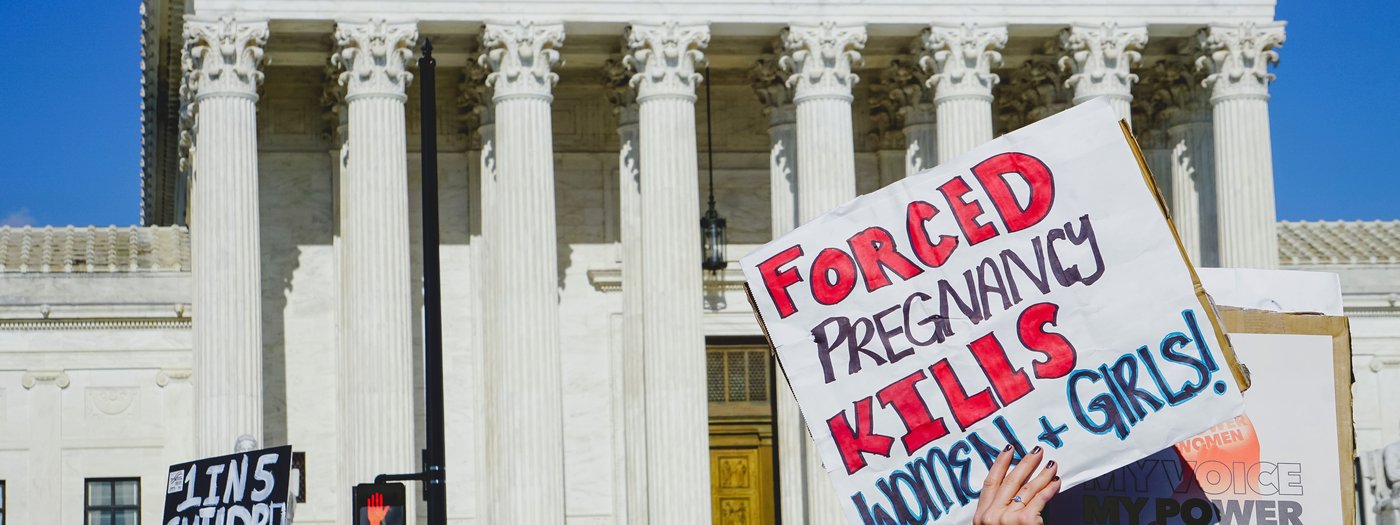
Researchers Jackie Jahn and Alina Schnake-Mahl on America’s New Reality: Forcing Birth With No Support
Elevating the Value of Care
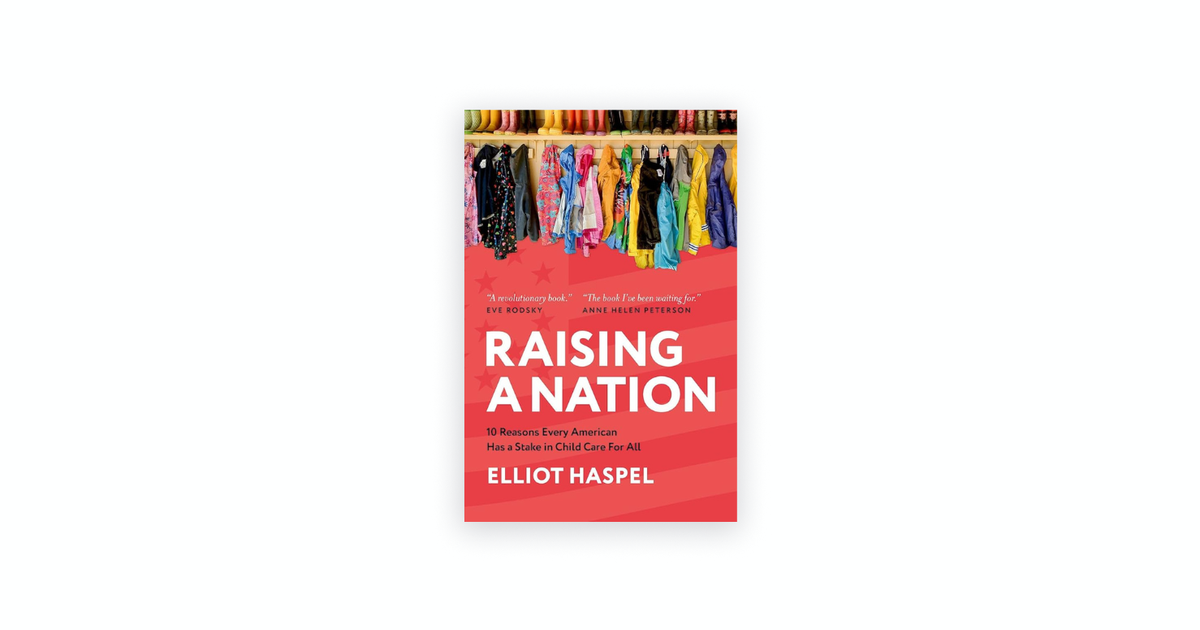
Elliot Haspel Q+A Raising a Nation

Elissa Strauss on the Unexpected Magic of Caring for Others

Elliot Haspel on How Private Equity is Reshaping American Child Care
I’ve had the privilege of working with Elliot Haspel and reading his work on child care since I began reporting on this topic in earnest, nearly four years ago. There are few reporters on this issue that understand the nuances and complexities surrounding the child care economy as Elliot does, and he also brings a deep level of compassion in shaping his opinions on how to improve the care space – both for the families that rely on care and the workers who deliver it.
Julie Kashen on the Child Care Cliff and how Some States Are Stepping In to Fix That
The Covid-19 pandemic ushered in unprecedented federal spending in the child care industry. When schools and child care programs shut down, child care was recognized for what it is: a necessary component of a functioning economy. Through bipartisan legislation, funds were provided to keep the industry afloat and stable – a lifeline for providers and families who already found the industry precarious. But now, the emergency phase of the pandemic ended and much of the aid has run out. Despite cries from child care advocates and families, partisan politics have blocked Congress from making the federal funding permanent.
Grandmothering while black: our policies were not built for grandma-led households

Keisha Blair on how True Well-Being Isn’t Achievable Without Care Policy
Gender Equality to Unleash Human Freedom and Opportunity
Leslie Forde on Mothers' Need for Self-Care

Dr. Kameelah Phillips on The Future of Birth Control Access
Molly Dickens on how Stress Shapes Maternal Health
Omny Miranda Martone on the distinctions between Gender-Based Violence, Violence Against Women, and Sexual Violence
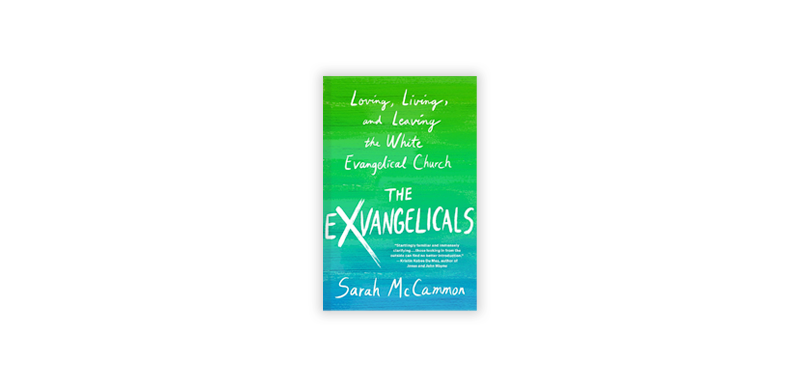
“For All Of The Pain Of That World You Came From, It's Still Home”: “Exvangelical” Sarah McCammon on Faith, Politics, and Leaving The Church
The Trump movement inspired an emerging online community of former Evangelical Christians to start asking questions about gender, the family, politics, and science. In doing so, many of them have walked away from the beliefs and the people they once knew.

DeJa Love on what Well-being Means for Black women

Jody Heymann and Aleta Sprague on Gender Equality within Our Lifetimes
Redesigning Work to Promote Fairness, Well-being and Effectiveness
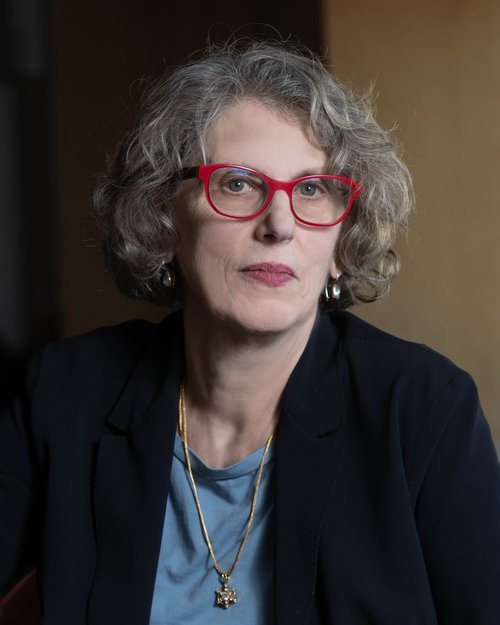
Juliet Schor Makes the Case for a Four-Day Work Week: Companies see an increase in employee productivity and well being
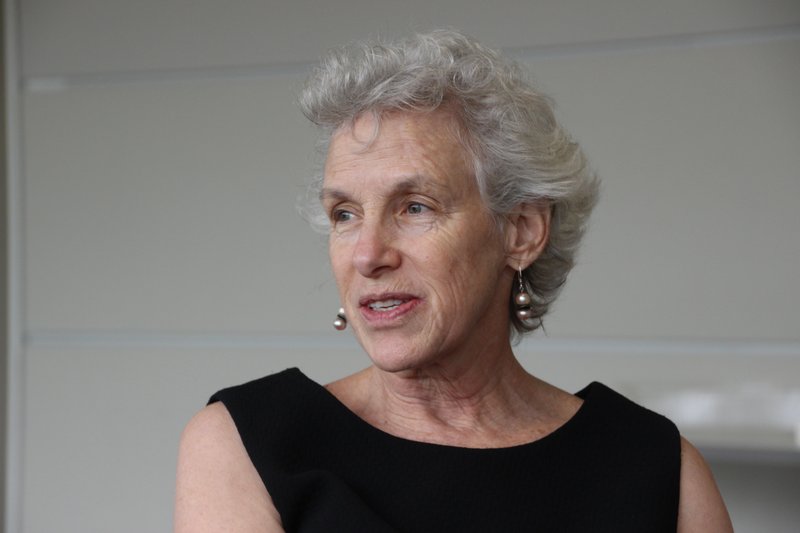
Work-life Movement “Rock Star” Takes On How Understanding Class Could Transform Caregiving Policy
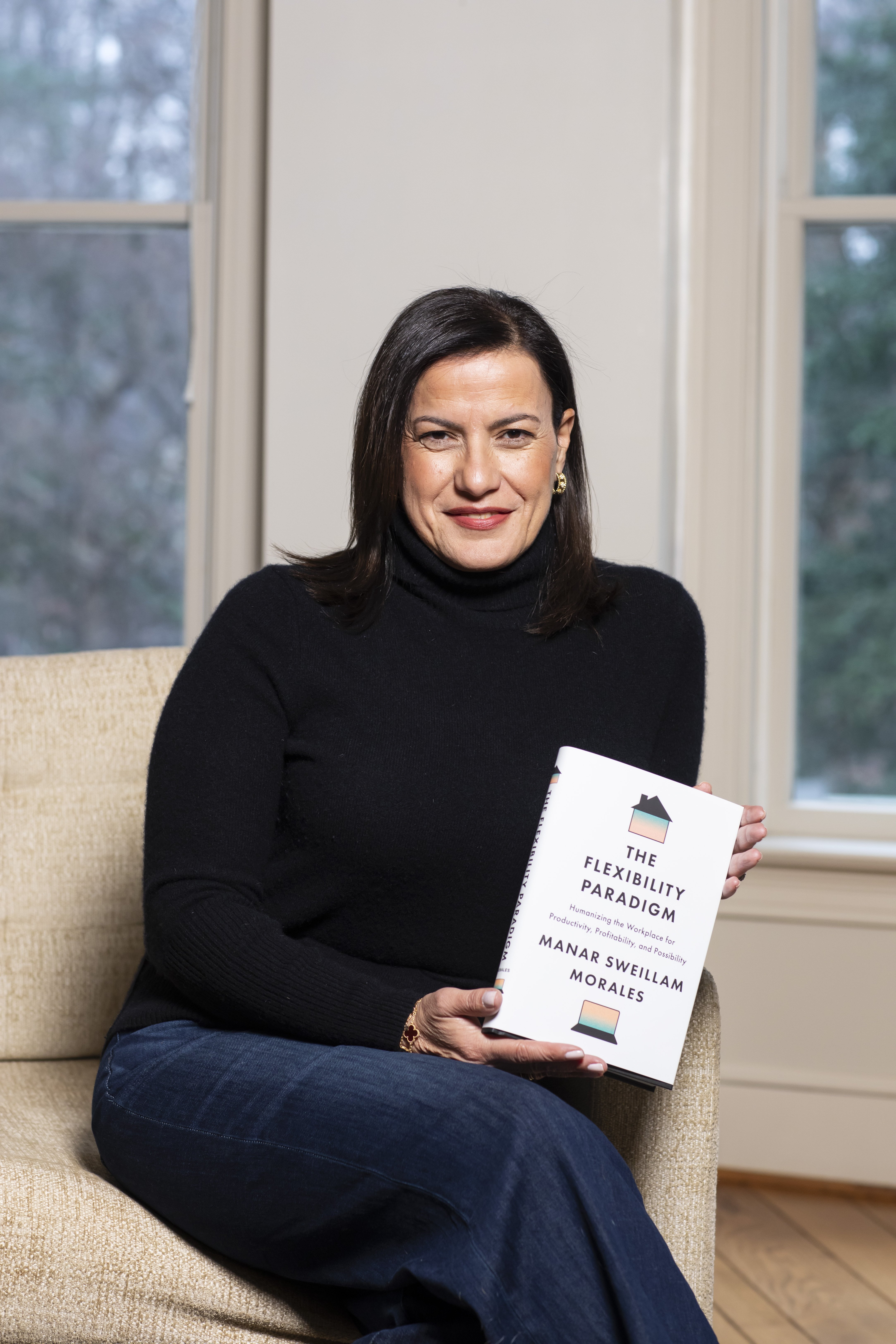
Manar Morales on Creating Flexible Work Cultures
Manar Morales shares with Brigid Schulte the five-step process to creating flexible work cultures.

Siri Chilazi on How to Make Work Fair
With Diversity, Equity and Inclusion under attack, how can work places ensure everyone can thrive? We share strategies.
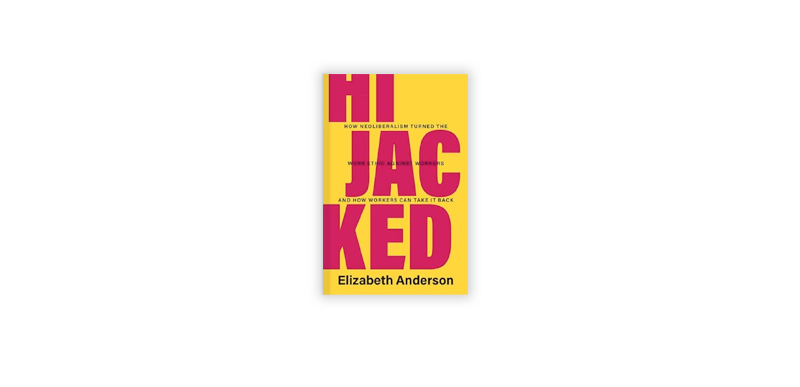
Why Does Work Suck for So Many Workers? Philosopher Elizabeth Anderson on the Protestant Work Ethic
Simone Stolzoff on Embracing the “Good Enough Job” in a Work-Devoted Culture
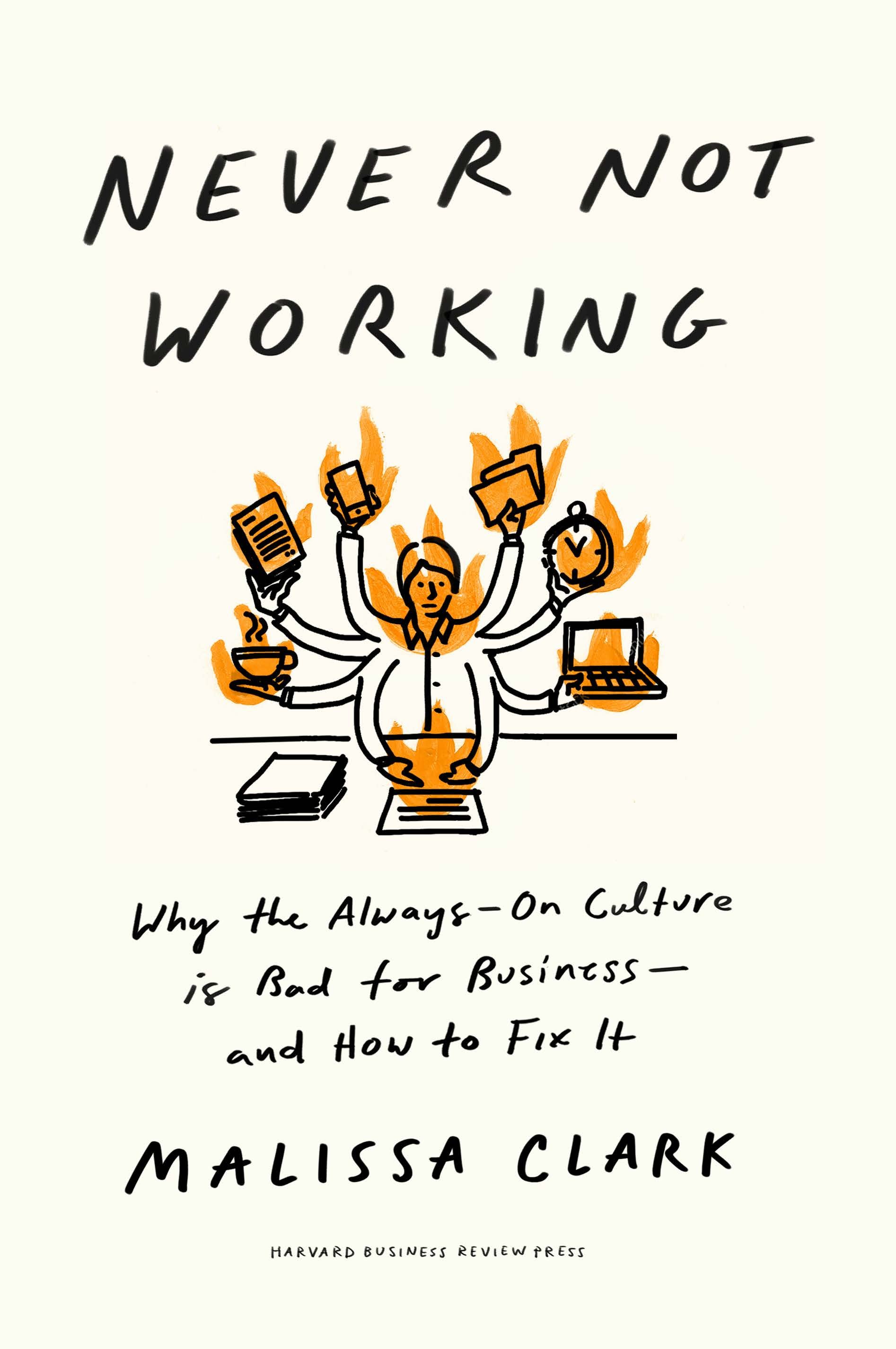
Malissa Clark on Workaholism in the United States and Why it's Worse for Women

Sociologist Youngjoo Cha on why Gender-Neutral Flexible Work Policies Work Best

Cal Newport Thinks We Can Work Better – But Where Does Caregiving Fit In?
Work and caregiving seem to exist as a yin and yang on our lives: the pull of one exerts influence on the other. Yet many of us are required to do both, and while many countries have the documented evidence that creating infrastructure to support caregiving provides economic rewards and increases work opportunities for women, we’re still at a disadvantage in the United States because we lack many of these basic social safety net supports, like federally subsidized child care, paid family leave, even the right to take a sick day.
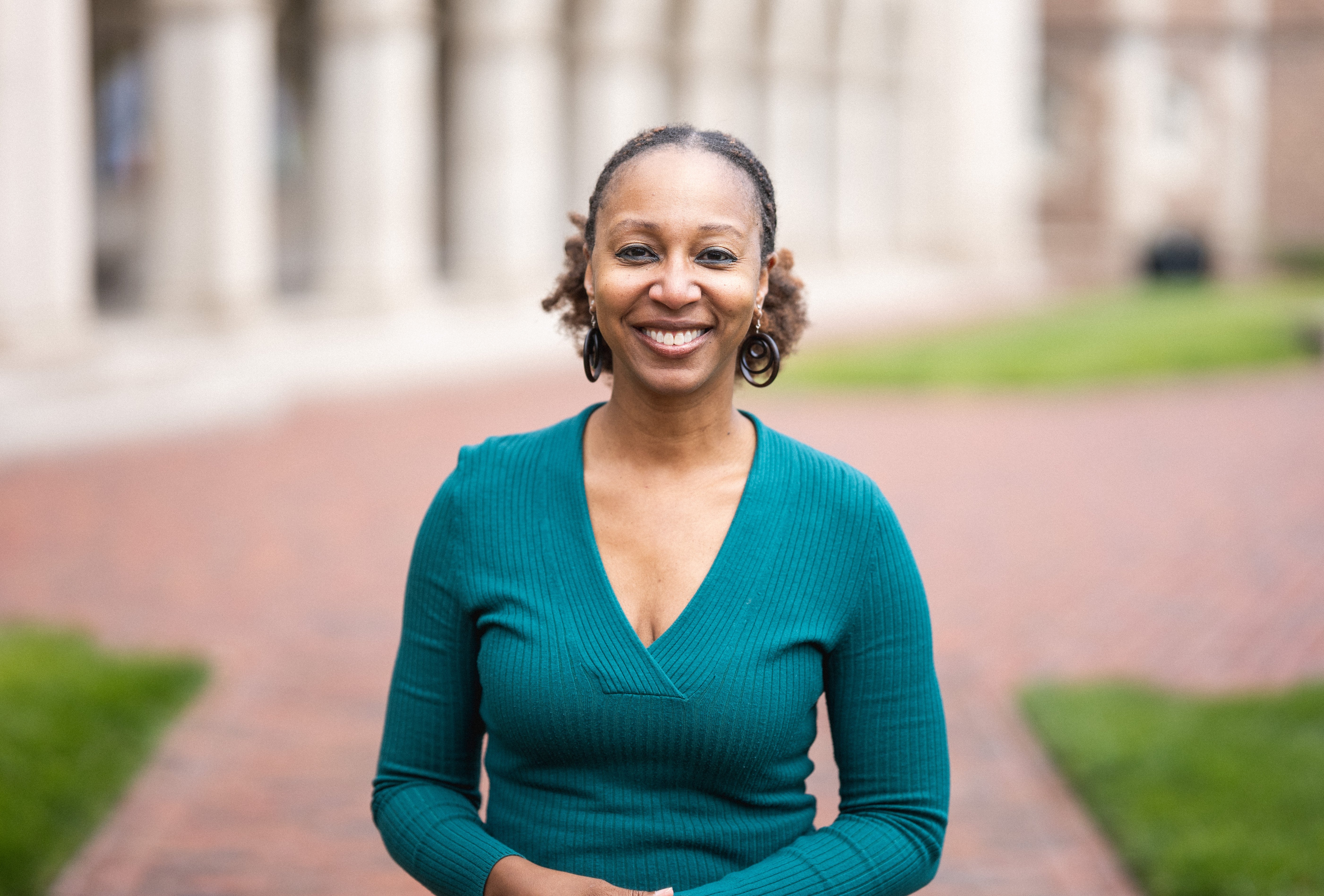
Adia Harvey Wingfield on how “Gray Areas” Perpetuate Racism at Work, and What to Do about them
The Art and Science of Living a Better Life
Elizabeth Weingarten on How to Fall in Love With Questions in Times of Uncertainty
