
Women of Color Caregivers Face Workplace Barriers at Every Turn
New online networking platform Kapwa tries to solve that problem through shared space and shared humanity
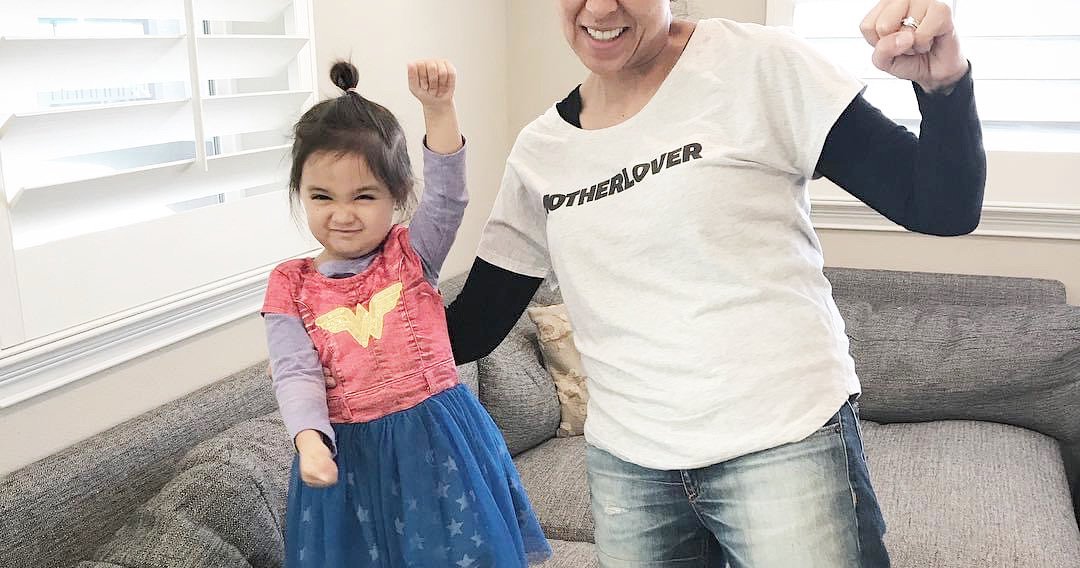
Kapwa (pronounced kah-pwah) is a Filipino term that means shared space and shared humanity. It reflects a viewpoint that links people together, rather than one that separates us from one another. – Tet Salva
According to the largest study of women in corporate America, McKinsey and LeanIn.org’s 2021 Women in the Workplace report, women’s representation improved across all levels of the corporate pipeline in 2020, and yet women of color remain stuck at every step in the pipeline. The representation of women of color drops off by more than 75 percent between the entry-level and the C-suite. As a result, women of color account for only four percent of C-suite leaders—the same as in 2018.
It was a recognition of the enormous structural and interpersonal barriers standing in their way that set Tet Salva on a mission to build Kapwa, a new community platform currently hosted by Might Networks that aims to reach women of color caregivers across corporate America. Kapwa arose out of the success of Salva’s MomWarrior that has connected hundreds of moms working in the corporate sector. Salva adds that she wants to engage with women of color and caregivers at the middle management level, who might be stuck in their positions without a path upward and few allies at work.
Salva explains that she deliberately chose a Filipino name derived from her own heritage to reflect the important step the platform is taking towards uniting with other women of color: “if I am going to help other women like me, I need to be comfortable with myself.”
This realization was not easy for Salva, who says she long kept her “heritage at arm’s length” in her career. Salva says she shortened her name to make it easier for people to pronounce—the kind of strategic choice she sees many women of color making in response to discrimination they face from employers and potential employers.
Salva says that bias against women of color includes an expectation of them to take on a domestic role on the job. She has been asked to pick up a client’s drycleaning and groceries when doing so was absolutely not part of her job description. Although these chores fell outside of her responsibilities, Salva says she performed them due to pressure she and other women of color often feel to simply be grateful they are in the professional workplace at all.
Sometimes for women of color in business, Salva explains, “We are so grateful for this opportunity to be here. . . It’s the gratitude. . . It [is] always [being] indebted to something as opposed to saying, ‘Hey, I’m worth more.’”
The gratitude conditioning that Salva describes is what scholar Mimi Nguyen has described as “the gift of freedom,” in which the refugee/immigrant is stuck in an inferior position of ‘owing’ the United States for their rescue (and effectively erasing the history that has forced them to escape)—grateful for the opportunity to be in the U.S. and have a corporate job, even at the expense of their well-being. It is the state of being a minority that compels this gratitude. That is, being one of the “first” or “only” people with their identity and background drives women of color to feel privileged and grateful, despite the fact that they are much more likely than white women to face disrespectful and “othering” microaggressions that reinforce harmful stereotypes or cast them as outsiders. These microaggressions have a real impact on their abilities to advance because they lead to burnout, negative feelings about their job, and an inability to concentrate due to stress.
Women of color face multiple barriers, including combined effects of gender, racial, ethnic, ableist, and other forms of bias, as they navigate institutions like white-collar workplaces, where ideal worker norms built around a white male employee with no caregiving responsibilities still reign. As Salva explains, “You have a cement wall where people don’t see you. And you have to climb up that wall. And sometimes that wall just keeps going.”
This is exactly where Kapwa comes in, to help women of color caregivers who are pushing up against their own walls at work: “I am such a huge proponent of access, because if only we get there, then maybe we are able to move things for other people.”
Salva helped form a group focused on caregiving that has successfully shifted policies and programs for caregivers at her previous day job, the business solutions tech company Workday. The group successfully extended parental leave from 12 weeks to 16 weeks, introduced compassionate leave (which considers bereavement, menopause, mental health, infertility, and adoption), and developed a mentorship program to elevate the careers of the company’s Black employees. She is currently developing a similar caregiving-focused group at tech company Asana, where Salva is now an organizational strategist and transformational leader.
Salva sees the potential of technology to transverse geographical and socioeconomic barriers, which have long made organizing caregivers difficult. Kapwa is intended to be a safe place for members to ask each other questions, give advice, and share experiences of being women of color caregivers and ambitious members of corporate America. Kapwa also includes advice forums and job boards to open doors to fulfilling jobs for women on the platform. She hopes that Kapwa will create a direct connection between the applicant and recruiter, which can mitigate the cases of women of color being unfairly removed from the job pool by the applicant tracking system or the AI and present their backgrounds as potential assets rather than setbacks.
You can join Kapwa at gokapwa.com. Membership is free, with a paid “premium” upgrade of $9/month or $98/year, which includes access to the job boards and for the advice forums. Salva explains that the cost reflects her effort to promote “the integrity of what I’m trying to do and hopefully, create that space of psychological safety we are all needing right now.” The idea is that having a low-cost subscription fee may uphold accountability in the advice forums, ensuring that people are named subscribers with a stake in making the community safe, rather than anonymous, drive-by commenters. And security for the forum is important since the job boards include direct emails of recruiters and hiring managers who are specifically looking for ways to recruit a more diverse workforce.
Despite being the founder of and having made tremendous strides through MomWarrior and her workplaces, Salva still sees herself as the kind of woman she’s trying to reach with Kapwa. Salva hopes that over the next five years Kapwa “grows into a thriving community—on its own unique platform—and continues to serve as a catalyst for elevating women of color and caregivers in the workplace.”
More About the Author
Issues
Programs/Projects/Initiatives
Related
America Has A Black Maternal Health Problem

Free: How Racism is Pushing Some Black Women to Choose Not to Have Children

“They Didn’t Really See Black Men as Parents”