
Terrorism in America After 9/11
A comprehensive, up-to-date source of online information about terrorist activity in the United States since 9/11.
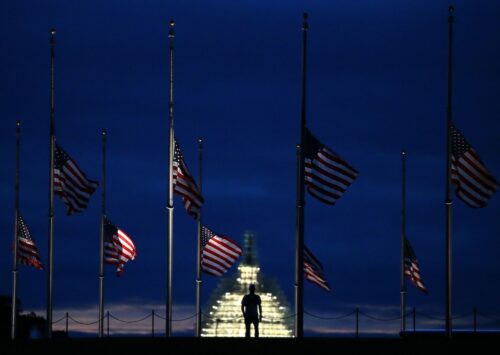
In the years following 9/11, public debates about terrorism in the United States were often driven by fear, political rhetoric, and incomplete information. Policymakers and journalists lacked reliable data to understand who was committing terrorist acts, how often, and why.
To address this gap, New America created the Terrorism in America after 9/11 database. It tracks terrorism-related arrests and incidents across ideologies and is continuously updated with new analysis and reporting. It provides one of the most comprehensive public records of domestic terrorism in the country.
Over time, this work fundamentally changed how terrorism is understood in public life. One of its most influential findings showed that, since 9/11, right-wing extremists had killed more Americans than jihadist terrorists—reframing national security priorities and challenging prevailing assumptions. The database and related research now serve as a trusted foundation for media reporting, congressional oversight, and federal policy decisions.
By grounding national security debates in evidence rather than speculation, New America has helped promote more effective, accountable, and balanced counterterrorism policy.
A comprehensive, up-to-date source of online information about terrorist activity in the United States since 9/11.
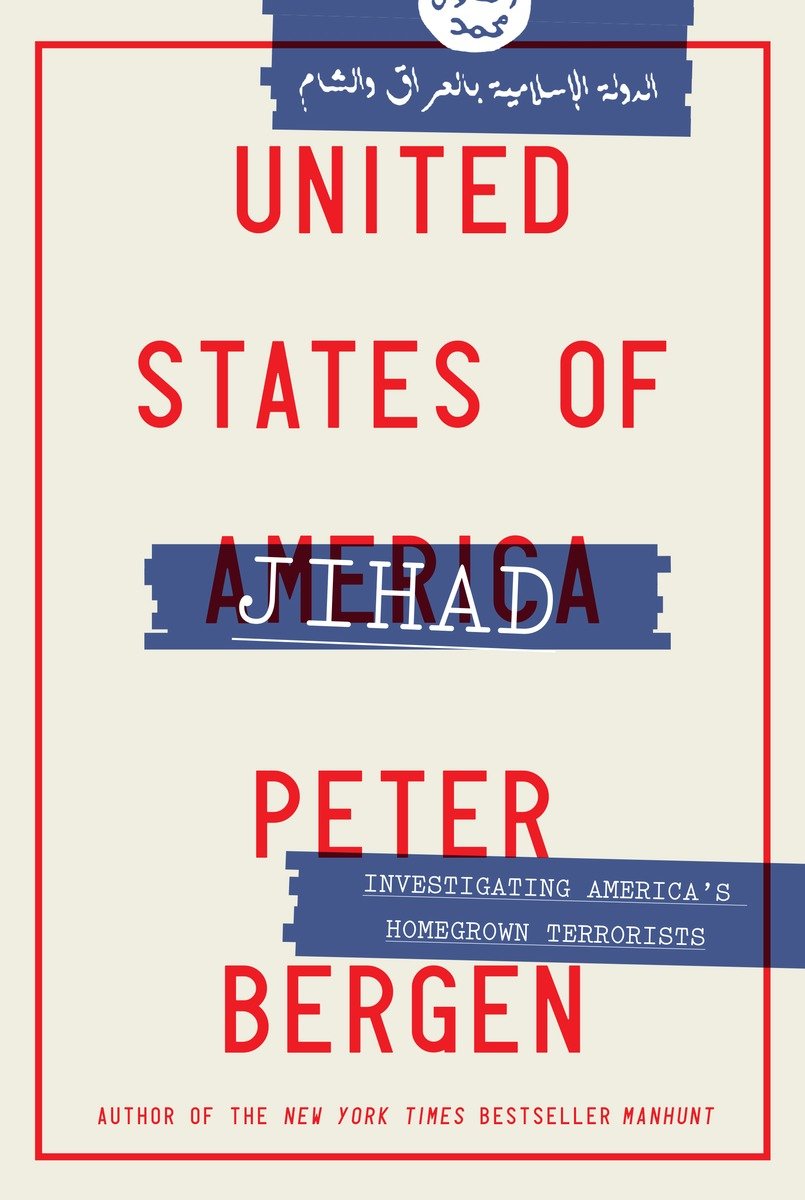
Paced like a detective story, United States of Jihad tells the entwined stories of the key actors on the American front.