Vicki Shabo
Senior Fellow for Gender Equity, Paid Leave & Care Policy and Strategy, Better Life Lab
How TV and Film Can Help Create the Gender-Equitable, Caring Country We Need

![shutterstock_1976604494 [Converted].png](https://d1y8sb8igg2f8e.cloudfront.net/images/shutterstock_1976604494_Converted_GR1uQXP.original.png)
Editor’s note: This resource was originally published on September 9, 2022, and has since been updated with new research on entertainment media and more recent examples of effective storytelling.
Hollywood can help drive progress for working people and families through authentic narratives about gender, work, family, and care—and showing what more supportive systems would look like.
Storytellers can make a difference by giving visibility to the realities that most people face as they manage jobs and family. Stories can illuminate the factors that affect parents and family caregivers, including the availability (or lack) of affordable paid family and medical leave, child care, and care for older and disabled loved ones, along with concerns about finances, health, and workplace stigma. Cultural specificity in storytelling about gender, work, family, and care is also critically important.
TV and film narratives can contribute to upending the cultural myth that individual grit is the only key to success at work and at home, and instead show how shifts in policies and practices can help ensure that all people can thrive.

In recent years, many people’s lives have been dramatically affected by:
Most people in the United States want a more supported and stable future. Narratives that help people make sense of their circumstances and offer different possible futures can help pave the way for change.
Entertainment media captures people’s attention and imagination in ways that news media does not. It plays an important role in shaping our shared story so that all people— regardless of gender, race, income, disability, or any other factor—feel seen.
Television and film storytelling can integrate realities that inspire understanding of ourselves and others and help us imagine a time when everyone can thrive at work, care for their loved ones, and achieve economic security and opportunity.
This is essential in a time of division and uncertainty, in which zero-sum thinking too often interferes with compassion and limits our potential.
Storytellers can help move the needle by showing that work and family care are ever-present in people’s lives by bringing these realities into pop culture. Work and family stories are human, emotional stories. They can be funny, tragic, suspenseful, poignant, and everything in between. Storytellers can:
Women are half of the U.S. population, nearly half the workforce, and more often than not, contribute substantially to a family’s household income. Most women in the paid workforce also care for at least one child or a loved one, which requires their attention to both work and family. But, on screen, women’s lives are more segregated. They’re often depicted as either focused on their home with paid work playing little-to-no role, or in high-pressure work roles without reference to family life. They’re almost never portrayed as their family’s main breadwinner, according to the Geena Davis Institute in research conducted for MomsFirst.
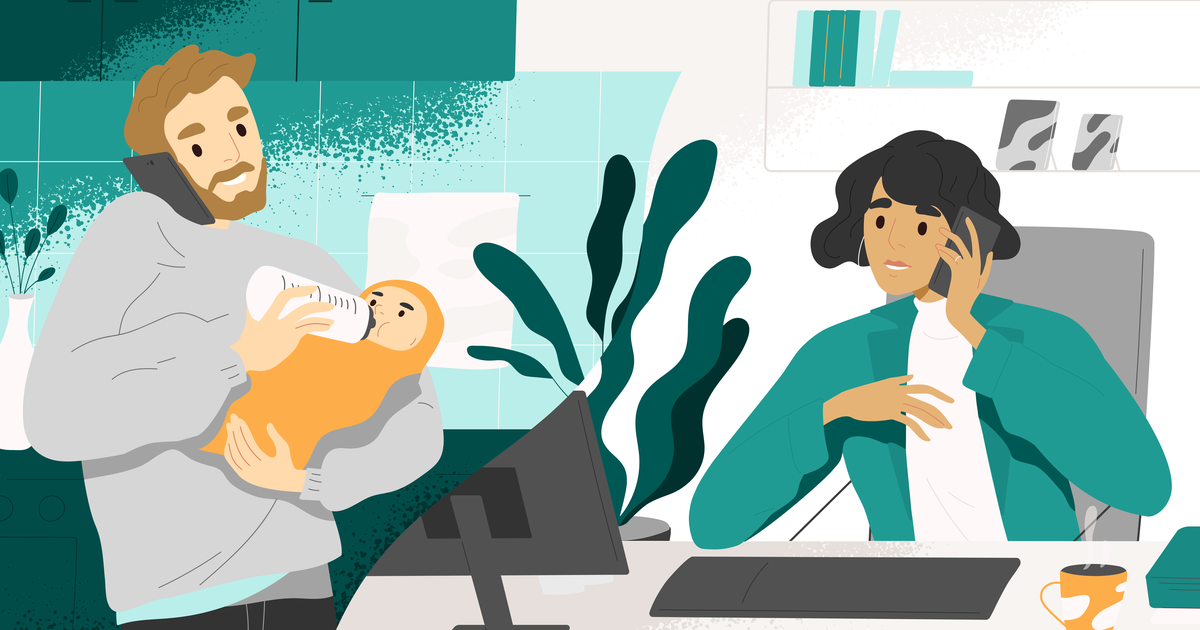
Men’s caregiving has increased over time in U.S. households. Fathers are increasingly providing more hands-on care to children, and men make up more than 40 percent of the primary caregivers to disabled or aging loved ones. Yet on screen, fathers are often represented as incompetent or abusive, according to research by the Geena Davis Institute for Equimundo. This can reinforce outdated gender norms that pigeonhole women as “naturally better” caregivers.
In the U.S., 53 million adults provide care to a loved one, yet caregiving is depicted on screen in fewer than 11 percent of scripted television shows. Care for children—including disabled children—and loved ones is overwhelmingly shown as “women’s work,” according to research by the Geena Davis Institute for Caring Across Generations. However, thoughtful depictions can make a difference. Research on NBC’s This is Us conducted by the Norman Lear Center for Caring Across Generations found that caregiving stories on screen helped viewers to see their own struggles as connected to others and spurred discussion of their lives in the context of the show.
There is no longer a dominant family style in the United States, and the majority of children are raised in families where all available parents work. Child care is expensive and can be difficult to find. Yet, on screen, child care arrangements are shown infrequently and unrealistically.
Work, finances, and social connections are all affected by the need to provide care to loved ones. Access—or lack of access—to paid family and medical leave and high-quality affordable child and elder care can make or break women’s workforce participation, earnings, and retirement security. On screen, these connections are hardly ever depicted or discussed. Showing the ways that providing care is deeply connected to every other aspect of a person’s life and decision-making—rather than isolated from them—is critical.
Since the U.S. Supreme Court overturned Roe v. Wade, more than half of U.S. states have severely restricted or banned abortion outright, while others have strengthened reproductive rights protections. Medication abortion, which is a common method of care, is under attack. More people face serious health risks, transportation and care challenges, and unwanted parenthood. Most abortion-seekers are already parents, and most are also not white and not wealthy, according to the Abortion Onscreen project at Advancing New Standards in Reproductive Health. Television and film portrayals are often inaccurate and lack context. More attention to authentic and holistic depictions of the health care, economic, and family realities of pregnant people would help audiences develop a more sophisticated, empathetic understanding of people’s lives.
People in the United States have very individualistic views of the economy and poverty, health and caregiving, and personal responsibility—and this is fueled by news and scripted television storytelling. Research underscores troubling trends in individualistic, fatalistic thinking—but stories can shift these perceptions. Describing connections between problems and solutions at the correct scale, naming systemic factors at play, and showing interdependence can help shift individualistic culture toward systems thinking, according to separate research by the Frameworks Institute and the Norman Lear Center.

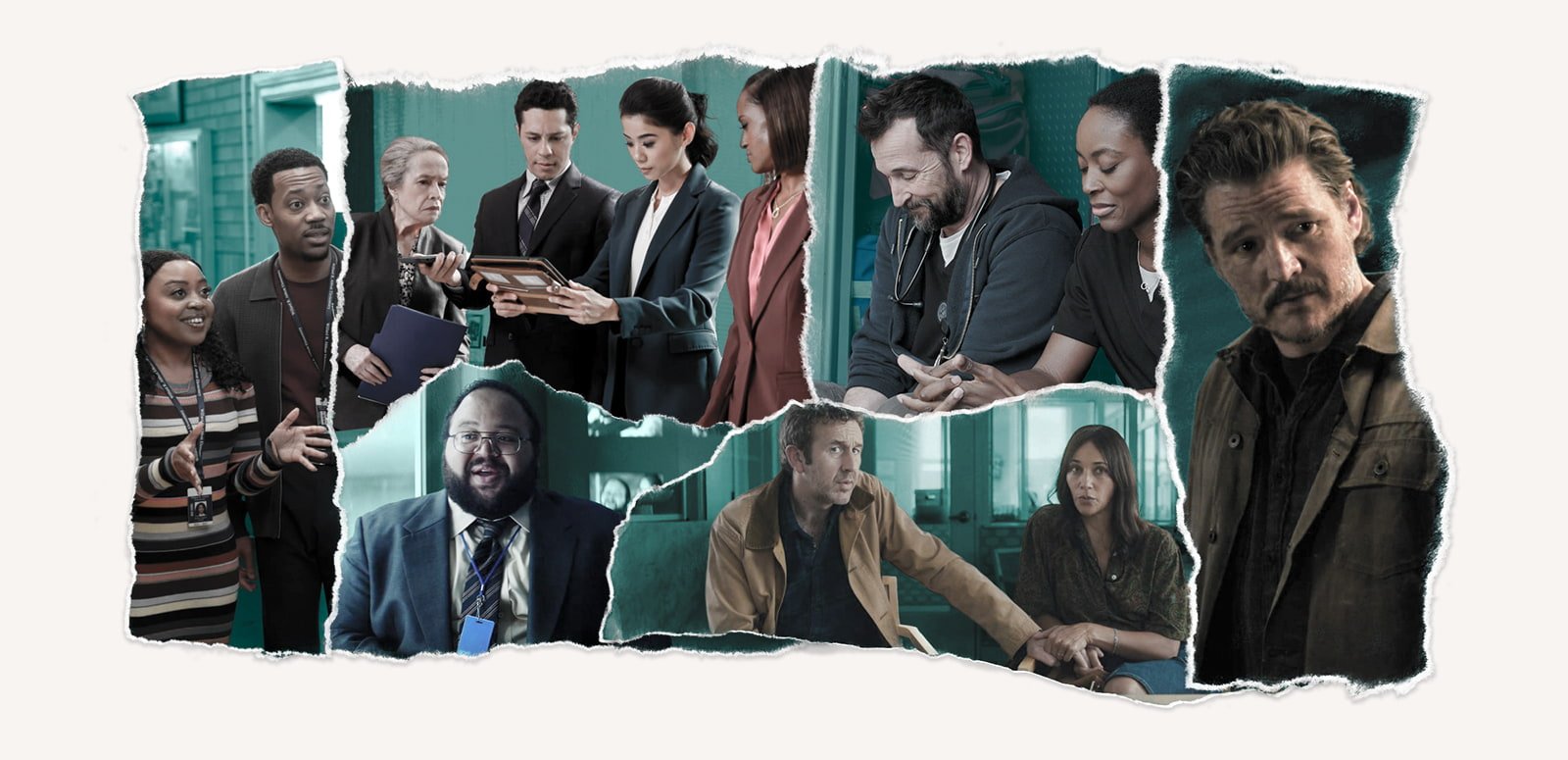
Research tells us that nuanced stories about work, family, and care are rare. A survey conducted for New America’s Better Life Lab by MarketCast also found that 84 percent of streaming viewers want to see more of them. Here are some of our favorite examples:
The Better Life Lab at New America is focused on advancing gender and racial equity and work-family justice.
We offer creatives in television, film, and advertising:
For additional resources for entertainment storytellers, visit newamerica.org/entertainment. These include:
We also have a wealth of research, data, and analysis on gender, work, care, and work-family justice—including the systemic barriers affecting women, workers with care responsibilities, low-wage workers, workers of color, and immigrant workers. We also offer connections to other experts, advocates, and people with lived experience in many parts of the United States.
For more information, please contact our entertainment initiative founder and director Vicki Shabo, Senior Fellow, Better Life Lab at New America at [email protected] or 202.847.4771.
Senior Fellow for Gender Equity, Paid Leave & Care Policy and Strategy, Better Life Lab
Research & Communications Officer, Entertainment Initiative