Audio Recording: Unvarnished Podcast
Less than a month after it first appeared, Sarah Maslin Nir’s two-part report
on systemic wage theft, rights violations, and dangerous working
conditions in New York City nail salons already looks like a
journalistic parable for the ages. Within hours, the exposé had sparked
thousands of conversations, in news broadcasts and on social media,
about how best to help the vulnerable employees Maslin Nir had
described. As a result, New York governor Andrew Cuomo ordered, on an
emergency basis, broad new protections for nail salon workers, and
hundreds of multilingual volunteers fanned out across New York City,
distributing fliers and talking to the workers about their rights.
Today, New York’s nail salon industry, which had been almost completely
unregulated, faces some of the strictest standards in the country.
Unvarnished,
as the series was called, is an object lesson in the power of careful,
sensitive reporting and writing to expose and correct workplace abuse, a
warp-speed, Twitter-enabled version of what Upton Sinclair did for the
Theodore Roosevelt-era meatpacking industry. But it comes at a time when
few American publications still employ dedicated labor reporters, and
only a handful continue to support long-term investigations like Maslin
Nir’s (“Unvarnished” took 13 months to report). What might this mean for
workers in the United States, especially in an era of weakened unions
and new rights for American corporations?
Issues
Programs/Projects/Initiatives
Related
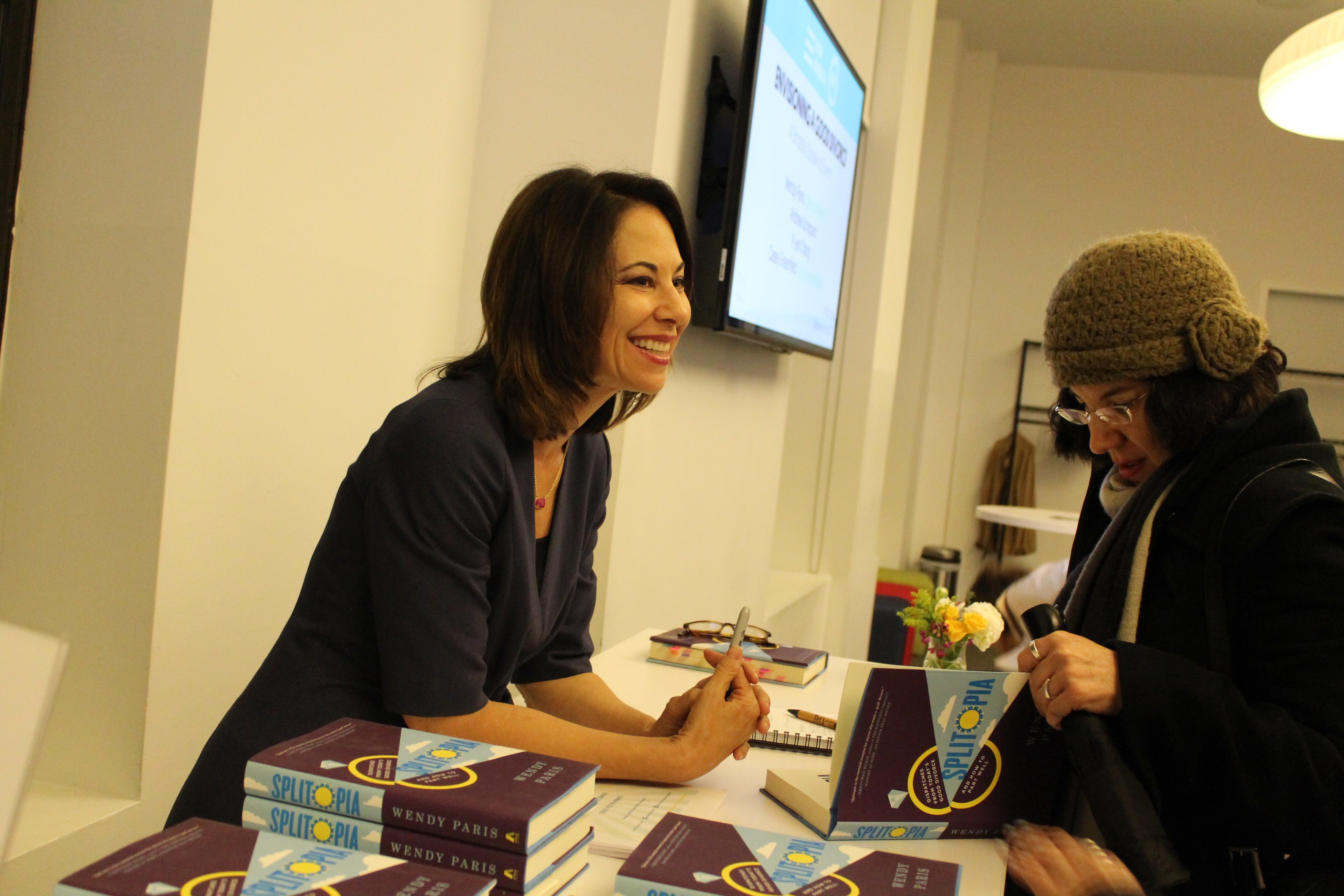
Audio Recording: Envisioning the Good Divorce
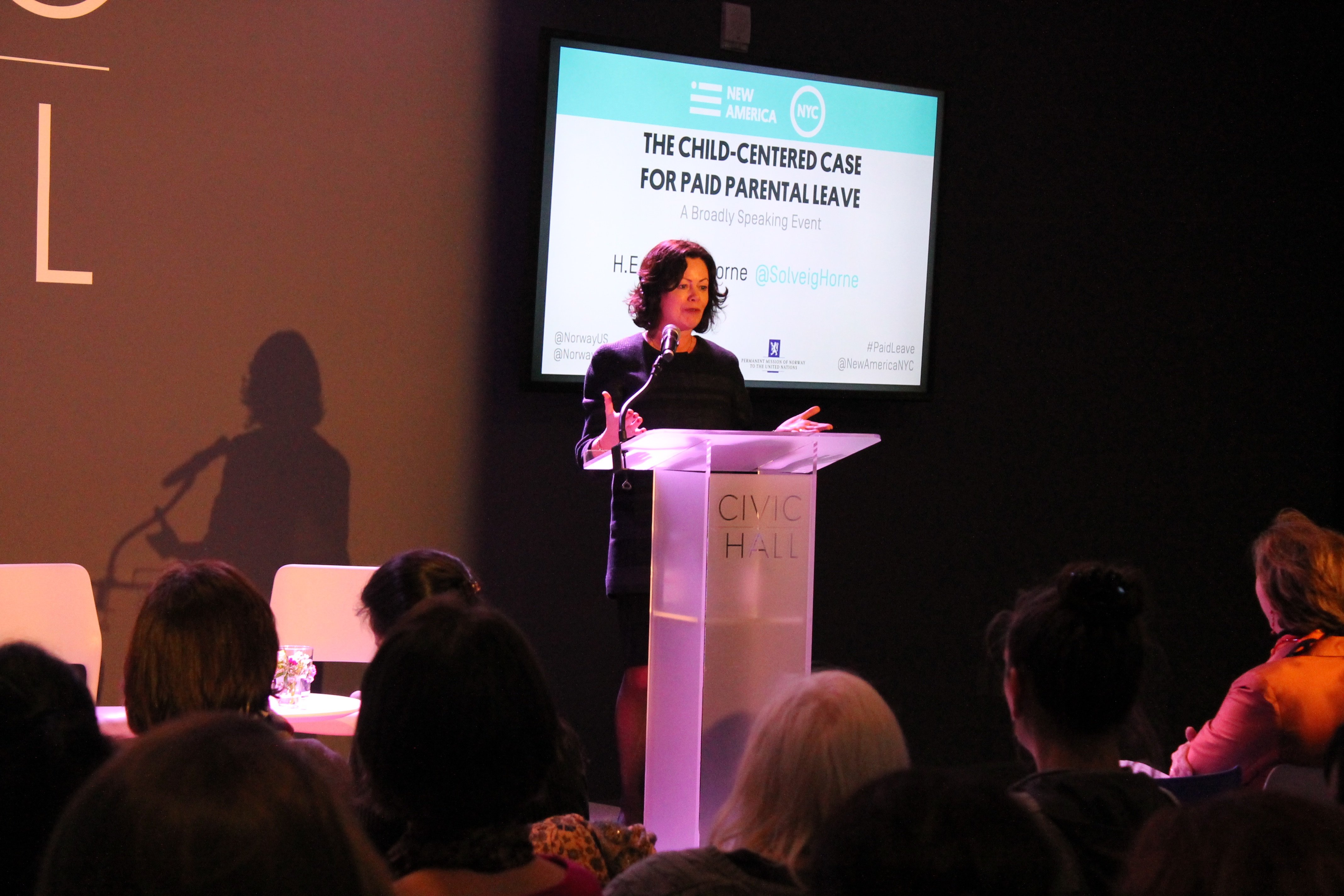
Audio Recording: The Child-Centered Case for Paid Parental Leave
