Twenty-First Century Proxy Warfare Brief
Proxy warfare will shape twenty-first century conflicts for the foreseeable future, but Cold War norms no longer apply. The rise of transnational social movements, diffusion of weapons of mass destruction, and remote targeting capabilities are making proxy forces more lethal and shifting the horizons of strategic surprise. Where Moscow and Washington once set the rules of the game, state and non-state sponsors of proxy forces are proliferating in today’s globalized markets for force erasing traditional frontlines, reshaping alliances, and transforming rivalries. Today, a complex mesh of partnerships among states, corporations, mercenaries, militias, and other “useful brigands” are radically changing how wars are fought and won.
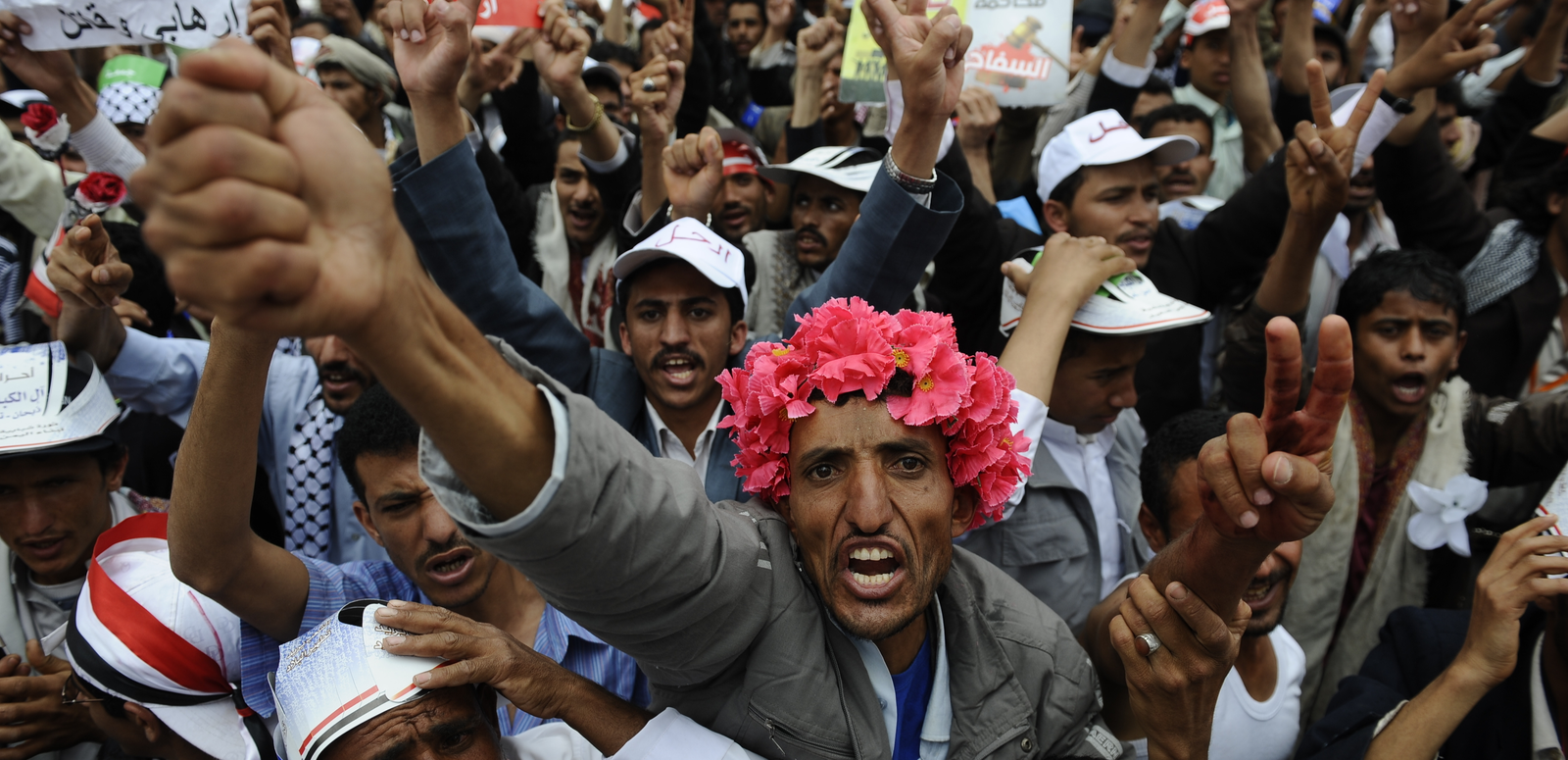
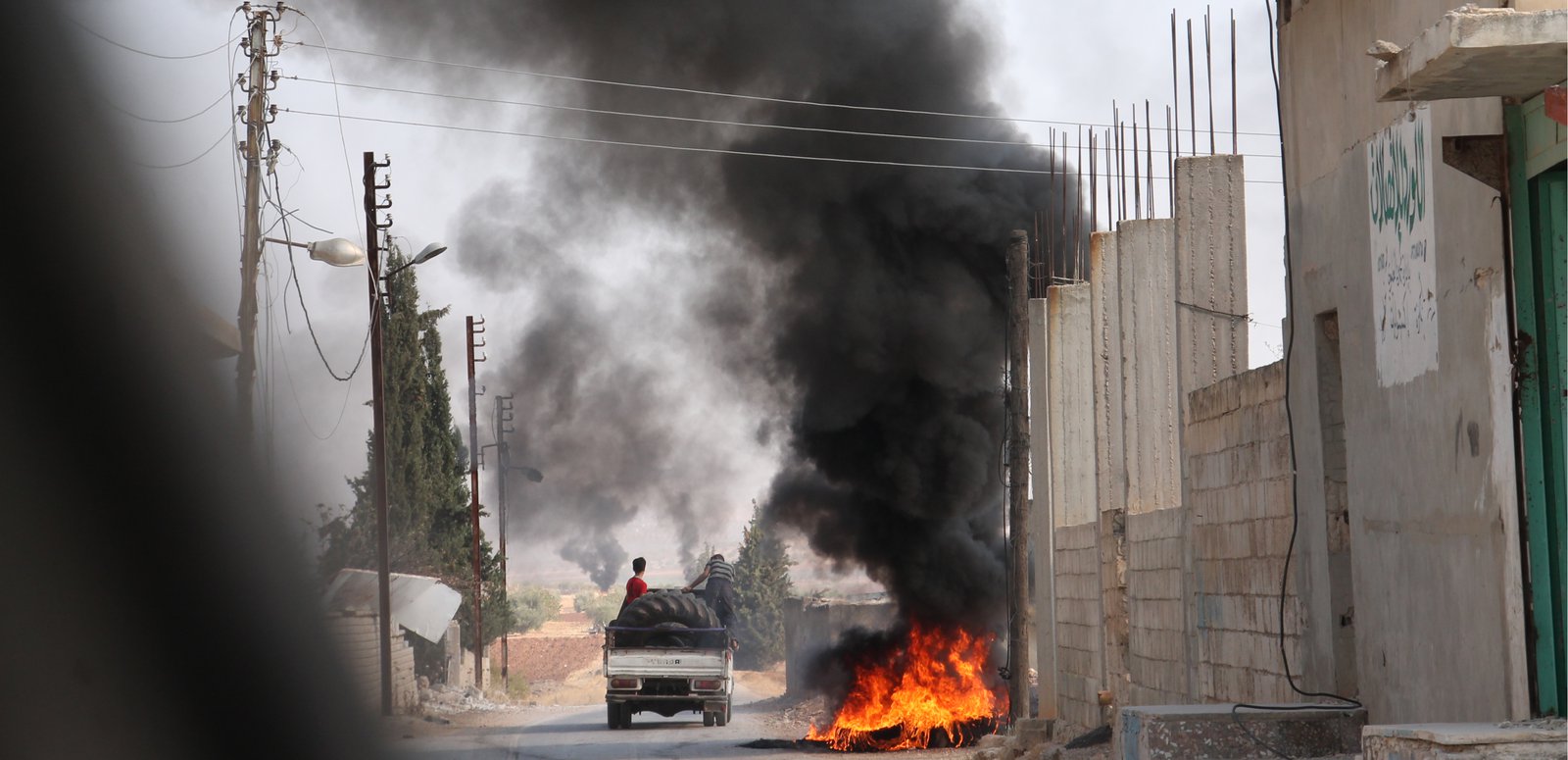
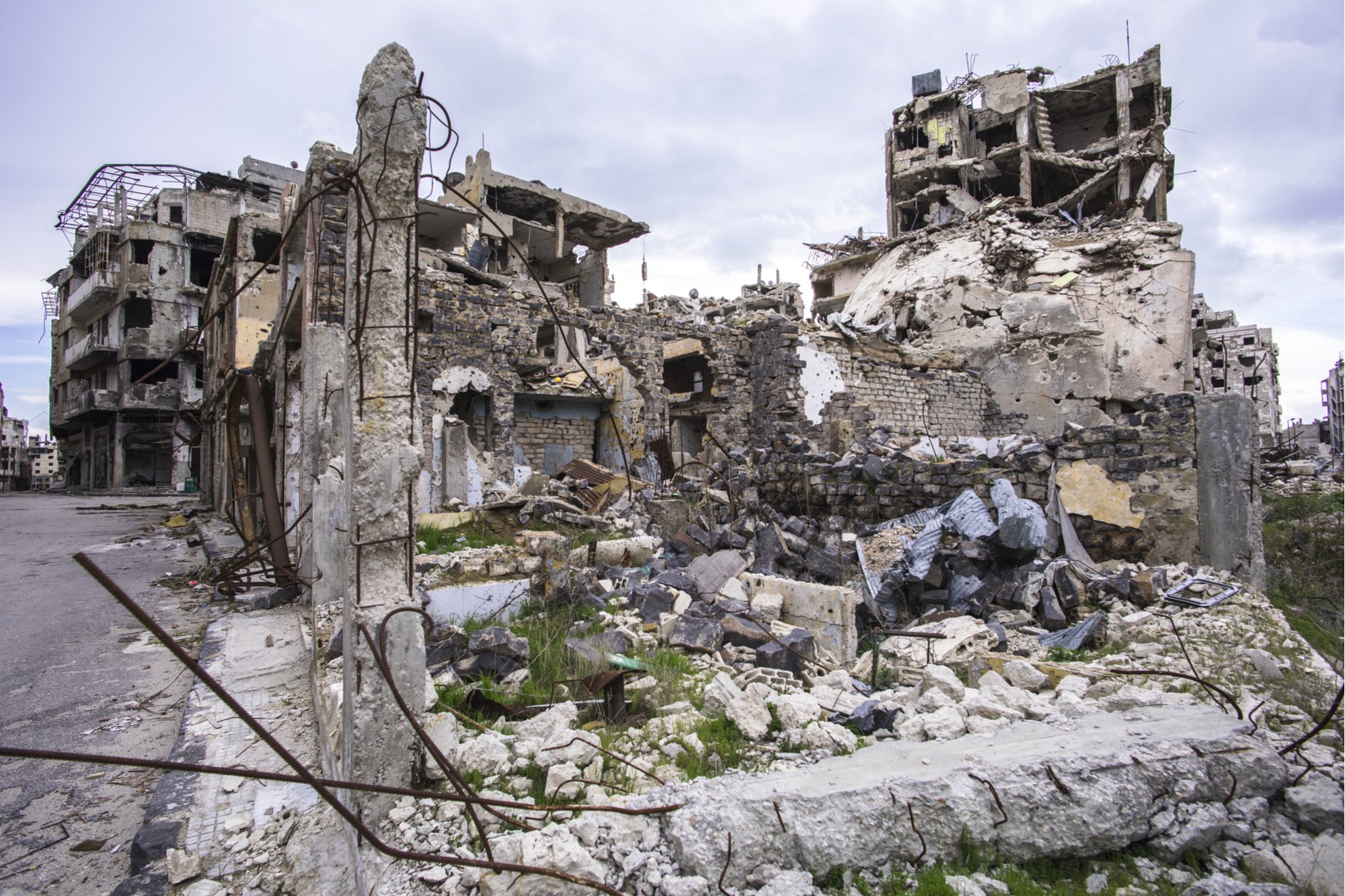
The devastating impact of proxy war is keenly felt in the Greater Middle East and its periphery. While conflicts in Ukraine and Afghanistan appear stuck for the moment in a precarious status quo, Syria, Iraq, Libya, and Yemen stand out as ground zero in multi-sided proxy wars that are testing international norms. From U.S.-backed Kurdish forces and Russian private military security contractors in Syria to Iranian-backed Houthi rebels and UAE-supported militias in Yemen, proxy fighters have emerged as newly empowered change agents. They are rewriting the rules of engagement and strategic risk. They have developed relationships with a diverse range of sponsors for their own often-divergent ends–at times apocalyptic and revolutionary–while creating their own networks of sub-state proxies.
U.S. policy has yet to come to grips with this new reality and has been in a state of flux since the Arab Spring. Unable and unwilling to commit to direct military intervention after long, costly wars in Afghanistan and Iraq, Washington is once again doubling down on proxy warfare, gambling on a strategy that advances U.S. interests “by, with, and through” local partners in the Middle East, North Africa, and South Asia. It’s a pricey wager and it is still unclear whether it’s a winning bet. Civil wars raging today in the so-called “arc of instability” remain the greatest threats to international security. Conflict there has displaced tens of millions of people, killed hundreds of thousands, and devastated large swaths of the region’s economy and infrastructure. Renewed U.S. rivalry with Russia and China and competition among Iran, Saudi Arabia, Turkey, and Israel for regional primacy are forcing Washington to reconfigure its grand strategy. Current conceptions of proxy warfare do not account for the paradigm shift now underway. A clear-eyed cost-benefits analysis of proxy warfare is needed to make U.S. strategy more effective.
New America, as part of its partnership with Arizona State University, has embarked on a multiyear research project on twenty-first century proxy warfare. This paper is the first in a series on conflicts in the Greater Middle East and its periphery that will be published as part of the project. The study highlights research gaps and re-conceptualizes proxy warfare as a strategy that relies on third-party armed forces that lie outside the constitutional order of rival states engaged overtly or covertly in armed conflict. The analysis draws on a broad review of the existing literature and conversations with more than three dozen policymakers, researchers and practitioners from July to October 2018. The analysis is also informed by discussions during a workshop on the subject of proxy warfare held by New America in coordination with Arizona State University and the Omran Center for Strategic Studies in Istanbul, Turkey, featuring more than 35 journalists, analysts, and former policymakers.
Key Findings:
- Today’s conflicts are more complex and more intertwined than those of the past. Cold War notions of proxy warfare won’t pass muster in the twenty-first century.
- There are substantial gaps in the existing literature on proxy warfare, and the subject deserves fresh analytical attention.
- Much of the English-language research on the subject takes on a distinctly “Western” view point, and rarely draws on field data and primary source analysis in other languages.
- The study of proxy warfare has suffered from politicization and a “good for me but not for thee” problem that fails to question prevailing U.S. policy assumptions.
- Analytical attention has focused primarily on state-sponsored terrorism, the impact of external support in civil wars, and the efficacy of counterinsurgency campaigns.
- While some case studies have been examined in depth, including U.S. support for the Afghan mujahideen and the Contras in Nicaragua, other more recent cases–notably current wars in Syria, Iraq, and especially Libya and Yemen–have not received sufficient attention.
- Much of the field-based case study work that does exist has been journalistic, leaving other methods ripe for further exploitation, including the use of open source intelligence, digital forensics and analysis of social media data and satellite imagery.
- In the Greater Middle East and its Eurasian periphery, proxy warfare is back with a vengeance, rivaling and, perhaps, exceeding the threat it posed during the late Cold War. Several prevailing trends are driving the shift, most notably:
- An escalation of inter-state competition between a resurgent Russia, a rising China and the United States and intensifying sectarian divides and regional rivalries between client states.
- The proliferation or threat of proliferation of weapons of mass destruction among regional rivals such as Israel, Turkey, Iran, India, Pakistan, Saudi Arabia and other Gulf States are transforming frontlines and alliances.
- Globalization with its attendant liberalization of markets and currencies, integration of transportation, infrastructure, information and economies is knitting together a new network of corporate and individual interests that have a stake in proxy conflict outcomes.
- Three successive industrial revolutions have produced profound acceleration in technological synthesis.
- All of the above factors have helped precipitate the rise of transnational social movements, many of which hold millenarian and apocalyptic visions.
- Current conflicts in Syria, Iraq, Yemen, Libya and Afghanistan bear the hallmarks of the dawn of a new era in proxy warfare, one that could have lasting influence on international order.
- The enhanced military capacity of regional rival states engaged either covertly or overtly in conflicts is erasing frontlines, transforming alliances and reshaping battlefield norms.
- Proliferation of remote targeting capabilities among proxies and the weaponization of narratives are combining to make proxies more lethal.
- Civil war cleavages and the privatization of security globally have expanded the number and range of actors who are advancing their own interests through proxies.
Downloads
More About the Authors

Candace Rondeaux
Senior Fellow, Future Security

David Sterman
Deputy Director, Future Security, New America; Term Member, Council on Foreign Relations