A Chapter of: Celebrating 20 Years of New America
Linking the Individual Mandate and Social Responsibility
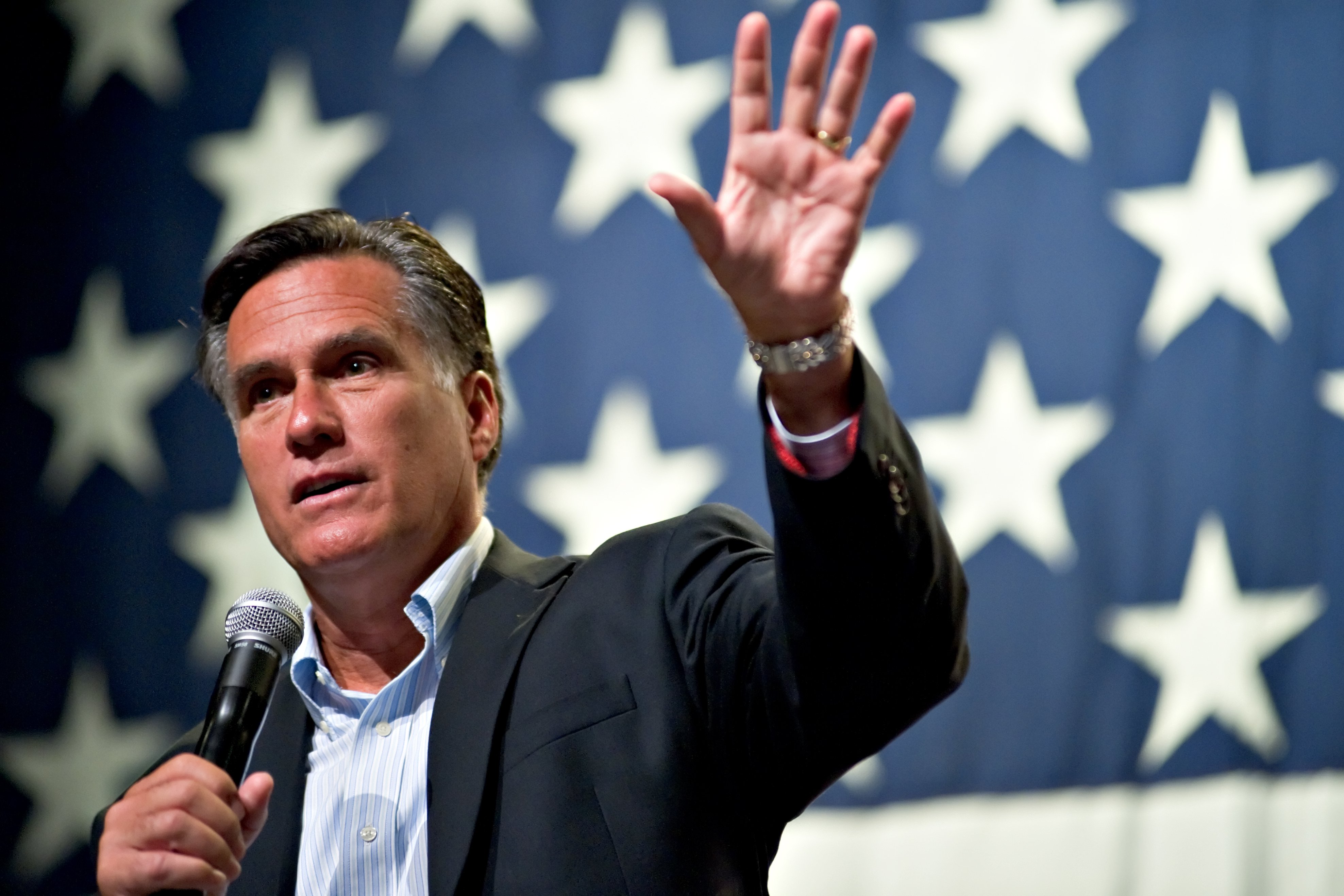
Christopher Halloran / Shutterstock
Idea
New America co-founders Ted Halstead and Michael Lind linked the personal responsibility of the individual mandate to purchase health insurance with the social responsibility to re-organize insurance markets through fairer rules and income-based subsidies. This linkage was central to their 2001 book The Radical Center, which also served as the founding document for New America and its approach to domestic policy in 2001.
Incubation
Their vision both attracted policy mavens and politicians to New America and helped make it a kind of central nervous system of serious bipartisan health care reform efforts in the 2000s. In a way that would later meaningfully influence their book, the specific details of how an individual mandate could work were first developed in 1991 by Mark Pauly and colleagues at the University of Pennsylvania and elsewhere, and were incorporated into a bipartisan counter-proposal to Bill Clinton’s Health Security Act, which centered on an employer mandate. By the mid-2000s the progressive Center for American Progress had embraced the individual mandate as a key element of its respective national reform proposals.
Impact
New America Health Policy Program Director Len Nichols and colleagues supplemented these ideas with their own analyses. They also helped shape legislative proposals that centered on the individual mandate, which had broad bipartisan support. Along with Romneycare in Massachusetts, the arguments that had been repeatedly articulated in constructing and defending the Wyden-Bennett Health Americans Act legislation helped set the stage for the debate about the individual mandate between Hillary Clinton (for) and Barack Obama (against) in the 2008 Democratic primaries, as well as the debate about the Affordable Care Act itself in the Congress of 2009-10 and beyond (and quite possibly forever).

Celebrating 20 Years of New America
- Fueling the Fight for Net Neutrality
- Embracing Ranked-Choice Voting as a Pathway to Pluralism
- Measuring U.S. Drone Use and Misuse
- Fulfilling the Promise of Child Savings Accounts
- Linking the Individual Mandate and Social Responsibility
- Tracking Terrorism in the United States
- Early Education Doesn't End at Pre-K
- Making Higher Education Outcomes Transparent
- Redefining Care Policy
- Using TV "White Spaces" to Create Equitable Internet Access
- Investing in America's Future Thinkers
- Proposing the Public Option
- Creating a Public Interest Technology Sector
- Building a New Practice of Public Problem-Solving
- Expanding Access to High School-Age Youth for High-Quality Apprenticeship Opportunities
- Engaging North Korea
- A Universal 401(k) Plan
- Measuring the Internet for Everyone
- Rethinking Economic Policy
- Documenting the Long Wars
- Ranking Digital Rights
- Future Tense
- Using Fiction to Make Policy More…Realistic
- Pop-Up Magazine
- Developing an MA in Global Security
- Helping Communities Deploy Mesh Networks
- Partnering with Universities