Introduction
When children enter kindergarten, they have had at least five—for some nearly six—years of learning and development. Over these early years, they have mastered many words. They have played games with other kids, family members, and other adults. They have dug in the sand, felt grass, and pulled leaves off bushes. They have solved puzzles, created art, and listened to stories and songs. They have asked countless questions about the world around them and participated in countless interactions. For the year or two just before kindergarten, some children in the United States have attended a public pre-K or Head Start program. Others have spent that time in the pre-K room of a child care center or an in-home child care. Still others have spent their days with a parent, a family member, or a friend or neighbor down the block.
How do local education agencies (LEAs), elementary schools, and teachers learn about these experiences? How can they make sure the kindergarten year deepens and builds on children’s previous learning? What are the best ways to keep children and families connected to school and engaged in learning? And how can LEAs, schools, and classroom teachers provide the smoothest transition possible into kindergarten? These are questions that states, LEAs, and public elementary schools must address or risk lost time, learning, and engagement. With only three years between kindergarten and the start of third grade, when most children begin taking state assessments, there is no time to begin from scratch.
Research on transition strategies and activities can help states, LEAs, and schools decide what to do, but district and building leaders must identify dollars for these initiatives. There are a number of federal programs that can help support state and local efforts to improve transitions for new kindergarteners and their families, including the Every Student Succeeds Act (ESSA), Individuals with Disabilities Education Act (IDEA), Head Start Act, and the Child Care and Development Block Grants (CCDBG). ESSA includes the Preschool Development Grant (PDG) program administered by the federal Department of Health & Human Services. For states awarded grants in December 2018, funding through PDG can be used for transition activities. There are also state programs that may include language that allow dollars to support transitions. Yet, in each of these programs, improved transitions for children are just one of many goals embedded in the program are competing for funding and time at the state and local level.
To help state and local leaders focus their efforts to support smooth transitions, especially into kindergarten, the sections that follow will discuss why transitions matter, highlight effective practices, explain funding streams that can support transition planning and activities, and share state and local examples.
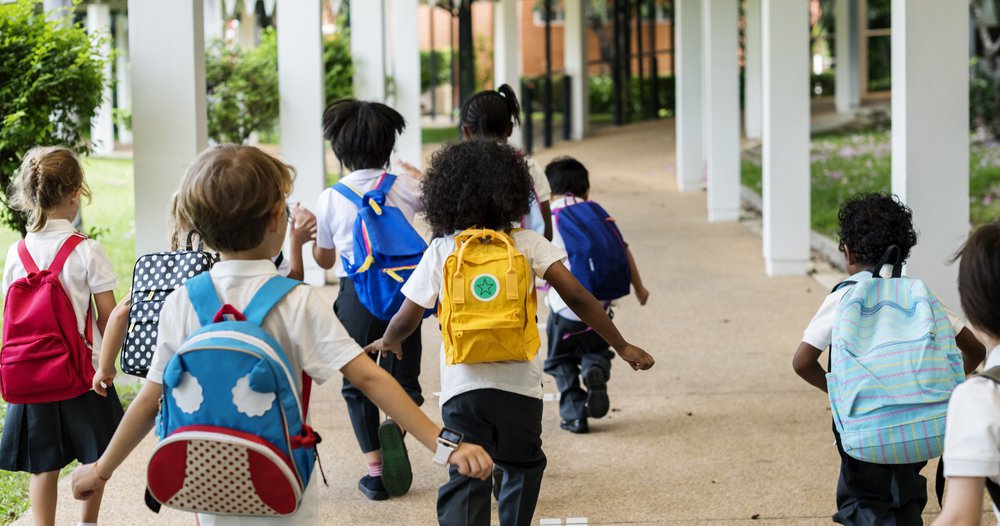
Using Local, State, and Federal Dollars to Improve Pre-K to K Transitions
- Introduction
- Pre-K to K Transitions Matter
- Federal, State, and Other Funding Streams Can Support Transition Planning and Activities
- Actions for States, LEAs, and Elementary Schools
- Conclusion
- Appendix I: Resources
- Appendix II: Federal Programs with Language Related to Pre-K to Kindergarten Transitions