Executive Summary
Authors: Sharon Burke and Francis Gassert
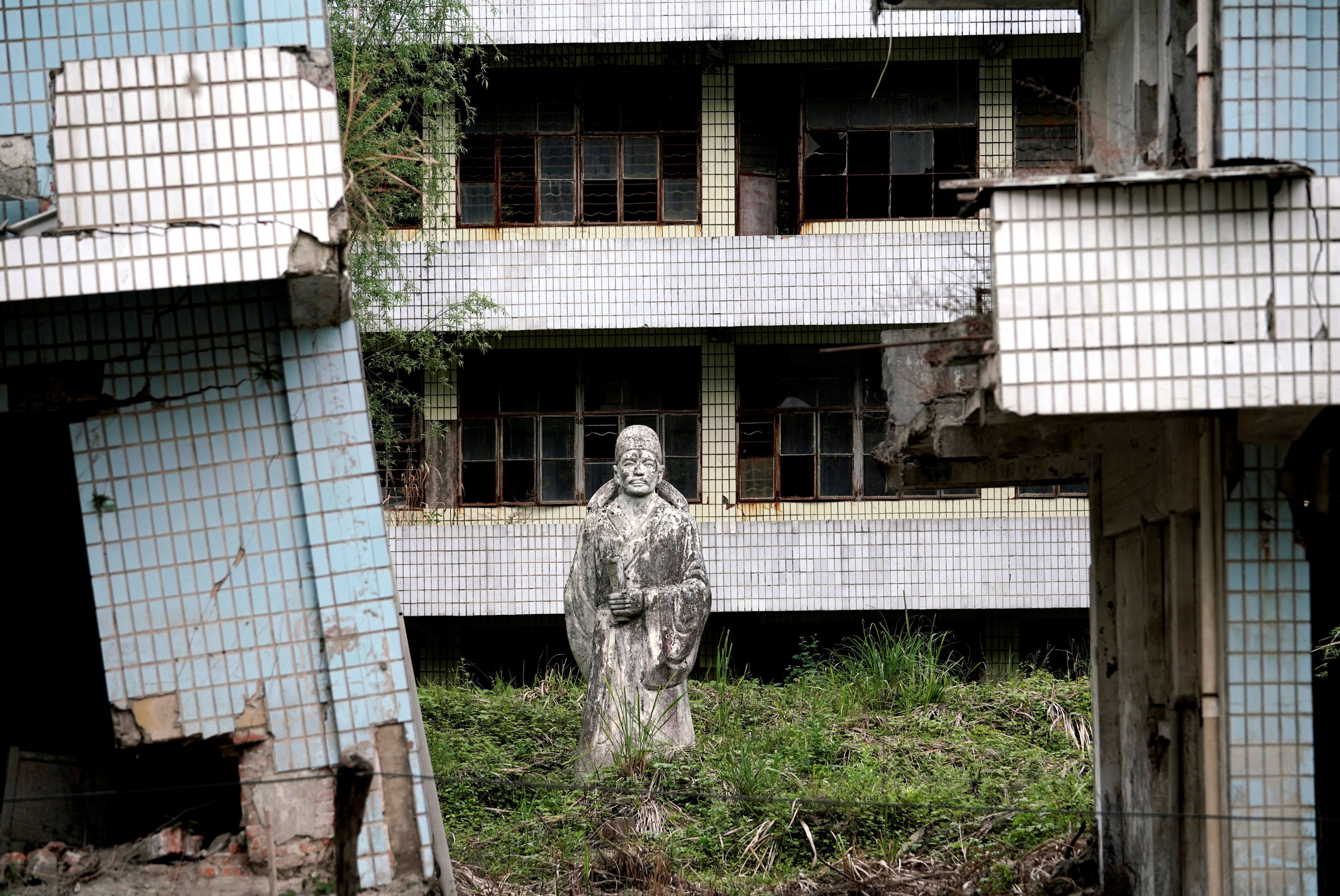
In the Great China Flood of 1931, one of the worst natural disasters of the 20th century, a staggering two million people drowned, starved to death, or succumbed to disease. Rising waters, the result of heavier than usual snow, rain, and river flooding, displaced an estimated 52 million more. In this century, an earthquake in Sichuan Province, China and Cyclone Nargis in Myanmar made 2008 one of the deadliest years for natural disasters. These events inflicted a combined death toll of more than 200,000 in May of that year alone. As this report was finalized, a new natural disaster was taking shape with a global pandemic, which started in Hubei Province, the epicenter of the 1931 floods.
These major disasters reveal important truths about the Pacific region. First, the Pacific remains a region full of natural hazards, from unpredictable earthquakes to extreme seasonal events to novel diseases. At the same time, since the Great Flood of 1931, the population of the region has quadrupled, meaning there are far more vulnerable people. And yet, ten times more people died in the Great China Flood than in all of 2008’s disasters. That illuminates other truths: societies all around the region have improved their resilience to natural disasters and nations all over the world have improved their ability to offer emergency aid. Finally, however, even the most resilient societies will have trouble responding to the most extreme disasters, as the current health crisis illustrates.
These observations are especially important for the United States, the Pacific nation most capable of responding to such catastrophes, in an era when global climate change and human vulnerability are raising disaster risks. Other countries in the area are increasingly able to respond, too, particularly China. By all rights, this rise in catastrophic conditions should prompt more cooperation, but with a growing rivalry between the United States and China, humanitarian and disaster relief may become one more arena for competition. To date, the COVID-19 response has been a case in point. The United States Indo-Pacific Command, as a key player in regional disaster response, must plan for more demands for such missions, whether the Pacific is a competitive or cooperative arena.
Notes from a Pandemic
As we finalized this report for publication, the World Health Organization declared the Severe Acute Respiratory Syndrome Coronavirus 2, or the disease it causes, COVID-19, a pandemic. Hundreds of thousands of people are infected, and tens of thousands have already died. Global financial markets are reeling, and the world economy is swiftly contracting toward a deep recession, or worse. Though the world is still in the early months of this outbreak, there are already lessons learned that are consistent with our findings in this report about how to be ready for natural disasters in a changing climate.
First, early warning and early action are critical for limiting the damage of a disaster. In the case of COVID-19, governments that took immediate and decisive steps with clarity of public communication, such as South Korea and Taiwan, appear to have made the most progress in containing the virus early. This is true of all disasters that overwhelm public services. With disease, hospitals reach capacity and must triage, and people panic in the absence of good information. With earthquakes and storms, we see the knock-on effects of loss of water, electricity, and transport, the spread of illness, and even a breakdown in civil order without prompt relief.
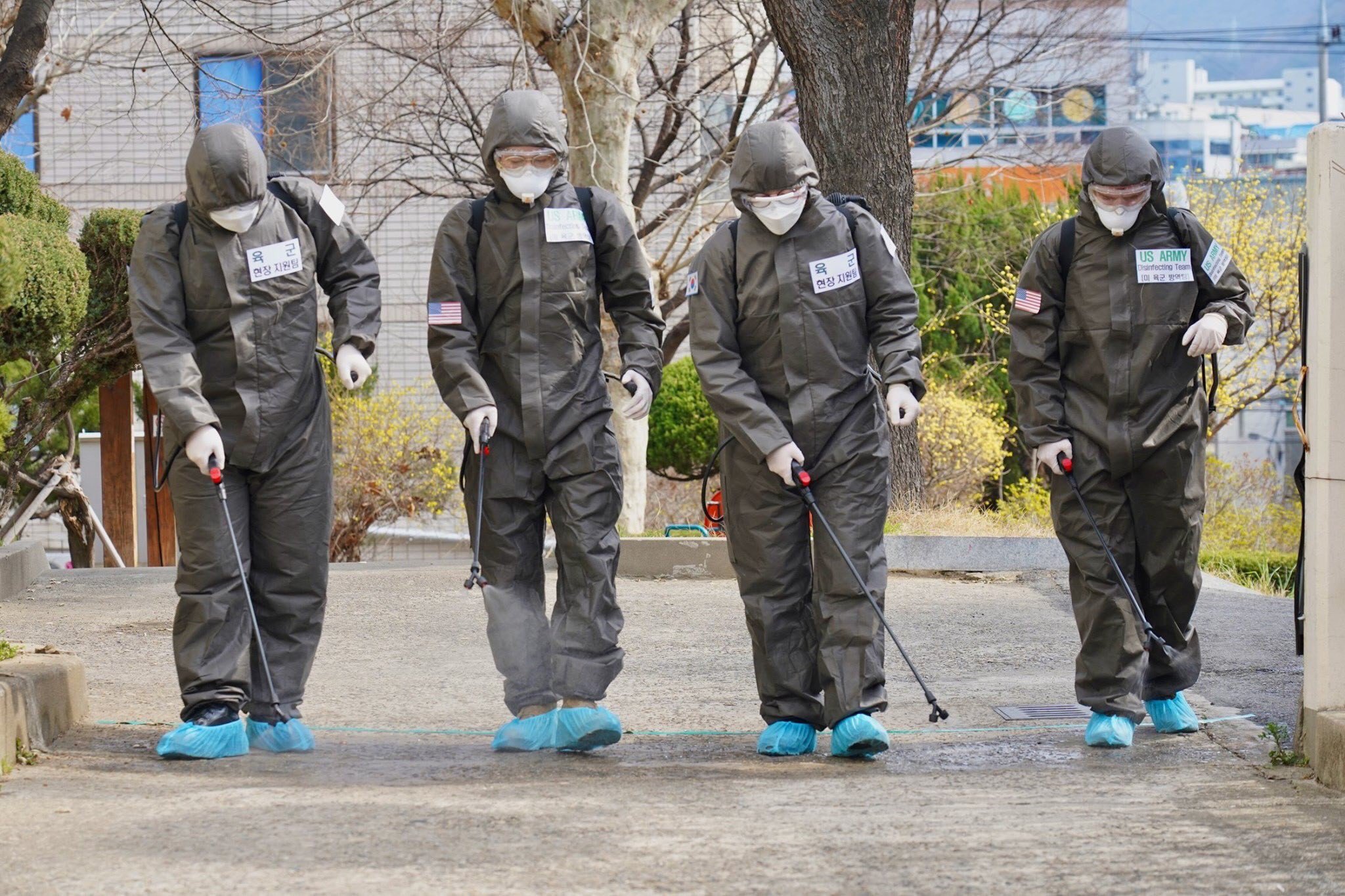
Photo by Kevin Bell and Spc. Hayden Hallman.
Second, while disaster is inevitable, and always has been—it’s a condition of living on this planet—the landscape of risk is rapidly evolving. In the current health crisis, we’ve seen all too well how disease can spread rapidly in a more populated and interconnected world. Although climate change is unlikely to directly affect coronavirus-type diseases, climate and environmental trends will shape the global health landscape in other ways. Habitat loss increases the chance of novel animal-to-human disease transfer, for example. Warmer temperatures extend the range and viability of some disease-carrying species, most notably the mosquito.
Finally, the safety and prosperity of the American people not only depend on disaster management in the United States, but around the world. Had COVID-19 been contained in its early days, its global impact would be much lower, and if it is not contained on a global basis, it will come back. For other disasters, lack of preparedness and resilience will mean more human suffering, and also disruptions in global supply chains and increased state fragility.
It is too early to guess the final toll of COVID-19 on human life. In recent history, epidemics have caused far fewer deaths than other disasters, thanks to advances in modern medicine. We hope that will remain the case with this pandemic, but the first few months suggest this will be an unprecedented global event in modern life.
A Disaster-Prone Place

http://blog.sina.com.cn/s/blog_8d3799ba0100y11p.html, Public Domain, https://commons.wikimedia.org/w/index.php?curid=18840497
Disasters have long been a fact of life in the Pacific, from the Indian subcontinent to the Hawaiian Islands. The region has tempestuous seasons, active tectonic plates, a “ring of fire” of volcanoes, and dramatic topography. These conditions create what can be a violent natural environment. At the same time, the population of the region is fast-growing, with many people moving from rural areas into cities accompanied by, for some, rising incomes. Now climate change is ratcheting up the severity of natural disasters. This high hazard, high vulnerability, high value situation translates to a high risk location. While governments in the region and around the world are getting better at meeting these challenges, extreme events have a history of overwhelming even the best prepared communities, as the current pandemic unfortunately now shows.
Earthquakes and Tsunamis
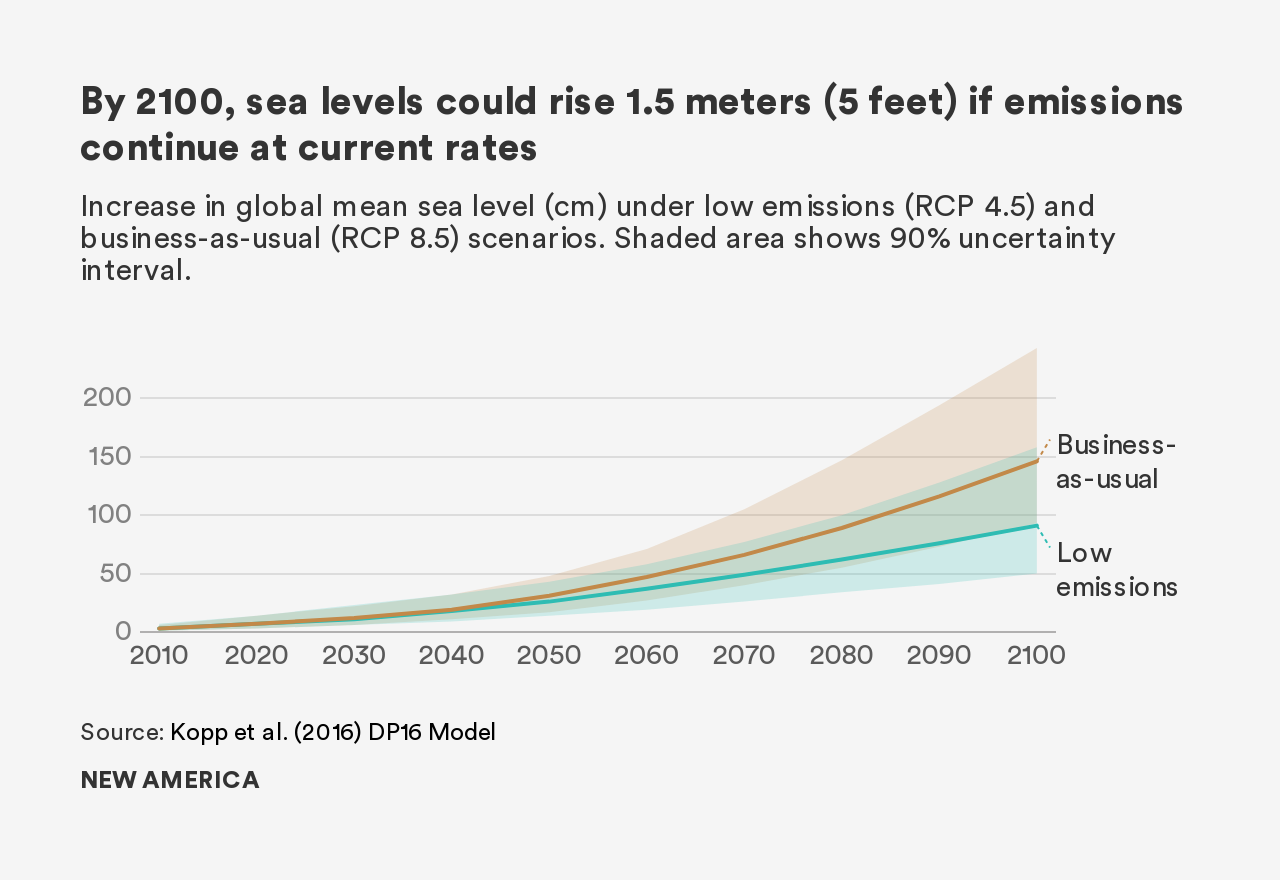
Historically, the most destructive disasters in the region, counting in both lives lost and dollars spent, have been earthquakes and the tsunamis that sometimes follow. These tend to be unpredictable, sudden onset disasters, which is part of their destructive power. Although climate change does not generally affect earthquakes and tsunamis, it may increase the reach of these events. Sea-level rise, for example, amplifies coastal flooding and tsunamis, even as already large coastal populations in the region continue to grow and put more people in harm’s way.
Tropical Cyclones
After earthquakes and tsunamis, tropical cyclones are the leading cause of disaster deaths in the region. There is considerable variation, with a high frequency of such storms in the Western Pacific Basin, and fewer but more powerful storms in the Northern India Basin. In general, the United Nations Intergovernmental Panel on Climate Change and other scientific experts expect that warmer oceans will fuel larger storms, and there is already, a noticeable trend over the past 30 years toward more big storms.
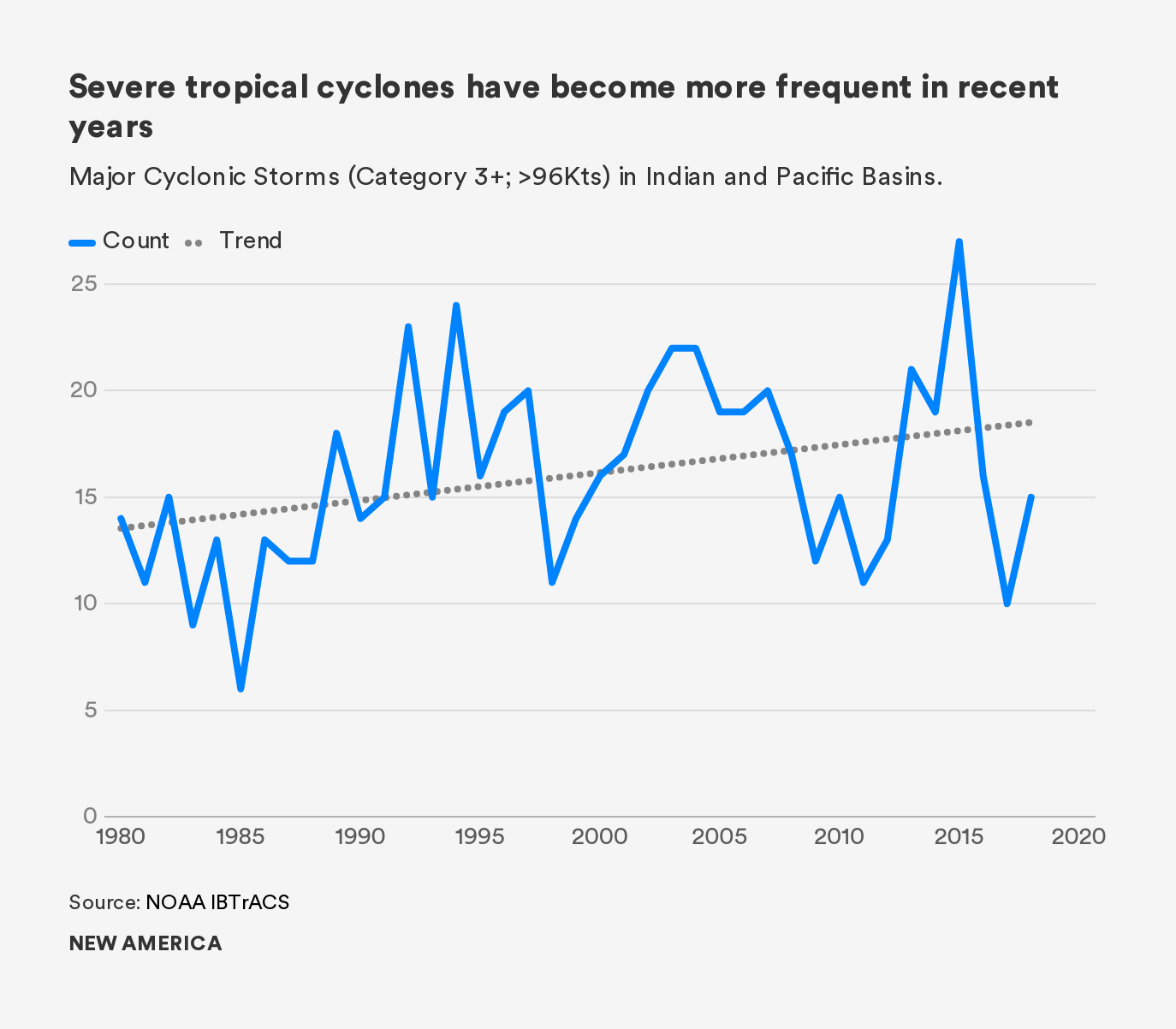
This increase in extreme storms is of particular concern, as it is the most severe storms that cause the highest numbers of deaths and property damages. At the same time, communities have a hard time building for the least frequent but most extreme events, which means that all the measures that can mitigate damage, such as early warning systems or flood control infrastructure, are likely to be overwhelmed by the biggest events. Investments in resilience are important to reducing the toll from such disasters, but an increase in more severe storms may inescapably mean an increasing demand for humanitarian assistance and relief efforts.
River Floods
The map of Asia shines with blue ribbons of water, including some of the largest rivers in the world. These river basins, combined with intense rainfall in some areas, contribute to frequent seasonal flooding, a costly but not unpredictable disaster that can affect broad land areas. Economic development and the rise of cities have been a mixed blessing, bringing some infrastructure that has mitigated flood risks, and some development that has made them worse. Climate change is certainly exacerbating these seasonal floods, increasing both average and extreme rainfall in some places.
Drought
Drought, a slow moving disaster that covers wide areas, is not simply the absence of water; it is the inability to get enough water at the right time in the right place. For rainfed agriculture, for example, a period without precipitation during critical points of the growing season or a late onset of the monsoon season can be a catastrophe. Climate change is likely to increase this kind of drought across the region, with drier dry seasons and less predictable monsoons. Compounding this trend, in many parts of South and East Asia, water stress is already a significant issue with population growth, economic development, and increased evaporation straining aquifers and reservoirs. While climate change will increase risk for rainfed and subsistence agriculture, other forms of drought risk will depend more on how countries manage their water resources.
General Climate Impacts
The Indo-Pacific region is already experiencing climate change; just how bad the effects will be in the coming decades will depend on the rise or fall of total greenhouse gas emissions. Regardless, a certain amount of change is already locked in due to past and continued greenhouse gas emissions, with significant effects on the severity and patterns of seasonal monsoon storms, changes in river flows due to changes in snowpack and melt, and sea level rise. These effects will have an impact on agriculture, energy, human health, and ecological systems across the region.
Summary of How Climate Change Will Affect the Indo-Pacific Region
Temperature: Average temperatures are projected to increase more rapidly closer to the poles than in the tropics. However, extraordinarily high temperatures will be more common for tropical areas that experience less background variation. Many areas will experience extreme heat levels much more frequently and for longer periods than in the past.
Precipitation: Annual precipitation rates are projected to increase across the region, but with greater variation. In addition, the frequency and intensity of extreme precipitation events is likely to increase.
Sea level rise: Global sea levels are expected to rise an average of 0.9m (3 ft) to 1.6m (5 ft) by 2100. Because the melting of ice sheets will likely lag behind other climatic changes, sea level rise will likely be slow in the near term but accelerate throughout the coming centuries. Even a relatively modest rise can be an existential threat to island states and delta populations.
Agriculture: The impacts of climate change on agriculture will be varied, with some areas potentially seeing positive change, at least in the short term, while others suffer. Higher temperatures will increase heat stress for certain crops and increase water demand, though the heat may extend growing seasons in colder climates. Increased variability in precipitation will affect rainfed agriculture and increase drought risk. Similarly, greater seasonal variation in river flows will increase the need for water storage to maintain large swaths of irrigated cropland across the region and is likely to put greater demand on groundwater resources. On the other hand, regions downstream of glaciated highlands may see increased irrigation water availability as these long-term stores of water are released, though there may also be destructive floods. Projections of the impact of global warming on crop yields remain uncertain, in part due to uncertainty around the net effects of CO2 fertilization.
Fisheries: Extensive coral reef bleaching is likely to occur under 2ºC of warming, severely damaging coastal fisheries and reducing tourism potential.
Health: Extreme temperatures are a known mortality risk, especially for elderly populations, and a number of countries in the region have aging populations (especially Japan, China, and the United States). Though tropical populations are more resilient to extreme heat, lack of air conditioning in poorer areas limits options for reprieve. Extreme heat may also compound risk to tropical cyclones, as severe storms lead to widespread blackouts. More frequent wildfires may negatively impact air quality, while higher temperatures will increase the range of disease vectors, such as mosquitoes.
Energy: Greater variability in river flows may limit hydropower output during the dry season and put competing demands for flood control on reservoirs during the wet season, though higher total precipitation may increase overall hydropower output. High temperatures may also limit energy generation of thermal power plants, which rely on cooling water to operate.
Security: Increasing water scarcity, sea level rise, and disasters will likely drive increased migration, which may exacerbate existing tensions and strain governments. Increased energy insecurity may also raise inter-state tensions. Shifting patterns of energy, food, and water availability, as well as sudden onset disasters, may challenge even strong governments, let alone weak or corrupt regimes.
Who is at Risk?
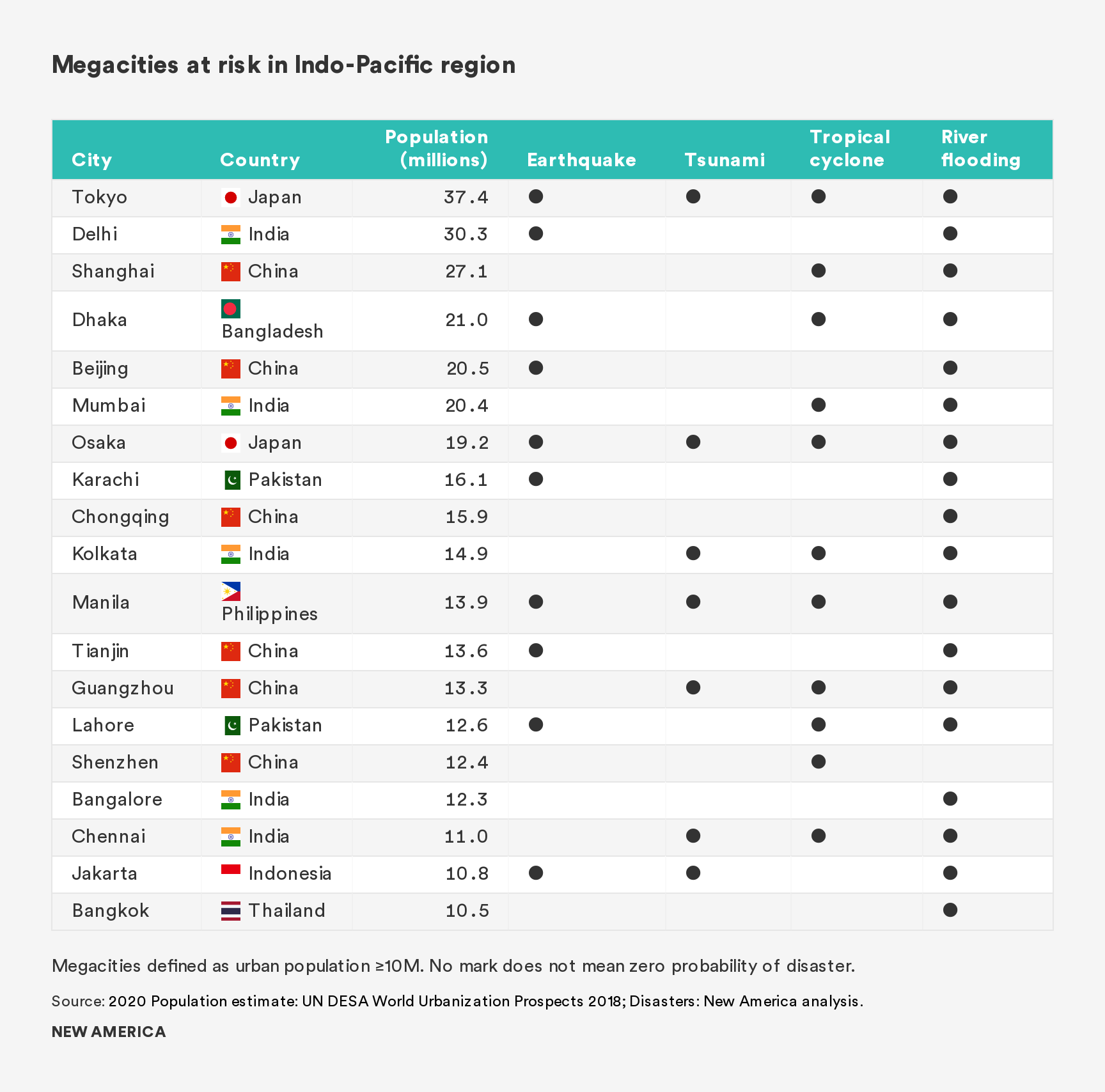
The whole Indo-Pacific region is at risk for a range of natural disasters, including health epidemics like the novel coronavirus that exploded in Wuhan, China in December 2019. While this includes American cities, this report does not look at domestic disaster relief. Seven other countries in the region have particularly high disaster risk, a history of U.S. humanitarian and disaster relief missions, and high relative strategic importance for the United States, including Bangladesh, India, Indonesia, Myanmar, the Philippines, Sri Lanka, and Vietnam. Only one of those seven, India, has significant military capabilities of its own for disaster relief. In addition, about 2.5 million people live along the coastlines of Pacific and Indian Ocean small island states, such as the Marshall Islands, Nauru, and the Maldives. These populations are highly exposed to sea level rise, tsunamis, and storm surge, with limited ability to respond to major disasters. The other important concentration of risk in the region are the megacities, bulging urban nuclei of 10 million or more people. Twenty of the world’s 33 megacities are in the Indo-Pacific region, and more cities meet this threshold every year. These cities expose large numbers of people, in many cases people who are especially vulnerable due to poverty or other disadvantages, to potential breakdowns in city operations when natural hazards strike.
Who Can Come to the Rescue?
The United States has a history of responding to requests for assistance from countries across the region. Although civilian organizations, including the U.S. Agency for International Development, United Nations agencies, and independent charities, conduct most humanitarian and disaster relief, militaries also play an important part. The U.S. armed forces, in particular, are able to deliver relief at a scale most civilian organizations cannot match, including in austere or insecure environments. This reflects significant capacity for transportation, logistics, operational planning, and emergency medical and engineering support. Between 1991 and 2018, for example, the U.S. Indo-Pacific Command conducted 27 humanitarian and disaster relief missions. For these missions, the Command relied most heavily on large cargo aircraft, amphibious ships, and rotary aircraft (i.e., helicopters). More specifically, 20 of the missions required rotary aircraft, 19 required strategic airlift, 18 required a maritime sea-base capability, and 12 required all three. Note that all of this equipment is also important for combat operations, which is what it was built for.
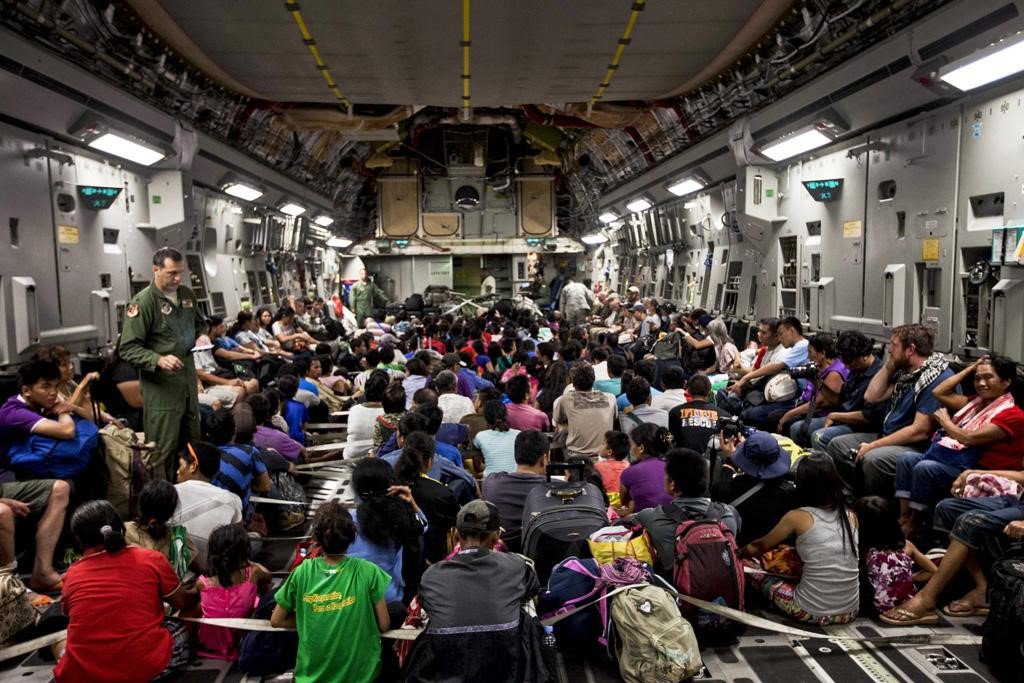
U.S. Marine Corps Sgt. Jonathan Wright/U.S. Indo-Pacific Command
Other countries in the region have some of the same military capabilities, albeit to a lesser degree. These include U.S. allies, particularly Australia, Japan, South Korea, and New Zealand. Thailand and the Philippines, also U.S. allies, are not as well equipped, but have some capability, as well. Following the 2004 Indian Ocean earthquake and tsunami, India started to build up its disaster relief capacity, just as it was expanding its military assets. Today, India’s disaster relief operations can extend beyond the Indo-Pacific region, most recently to Mozambique. In addition to the appropriate force structure, China has shown both the intent and the political will to support global military missions, including for humanitarian purposes. To date, most of its humanitarian and disaster relief efforts have been domestic or located in the region, but the Chinese government has signaled its intent to engage in global missions—including its desire to address the current pandemic. Increasingly competent forces could be a boon to humanitarian response, but only if nations are able to cooperate and coordinate.
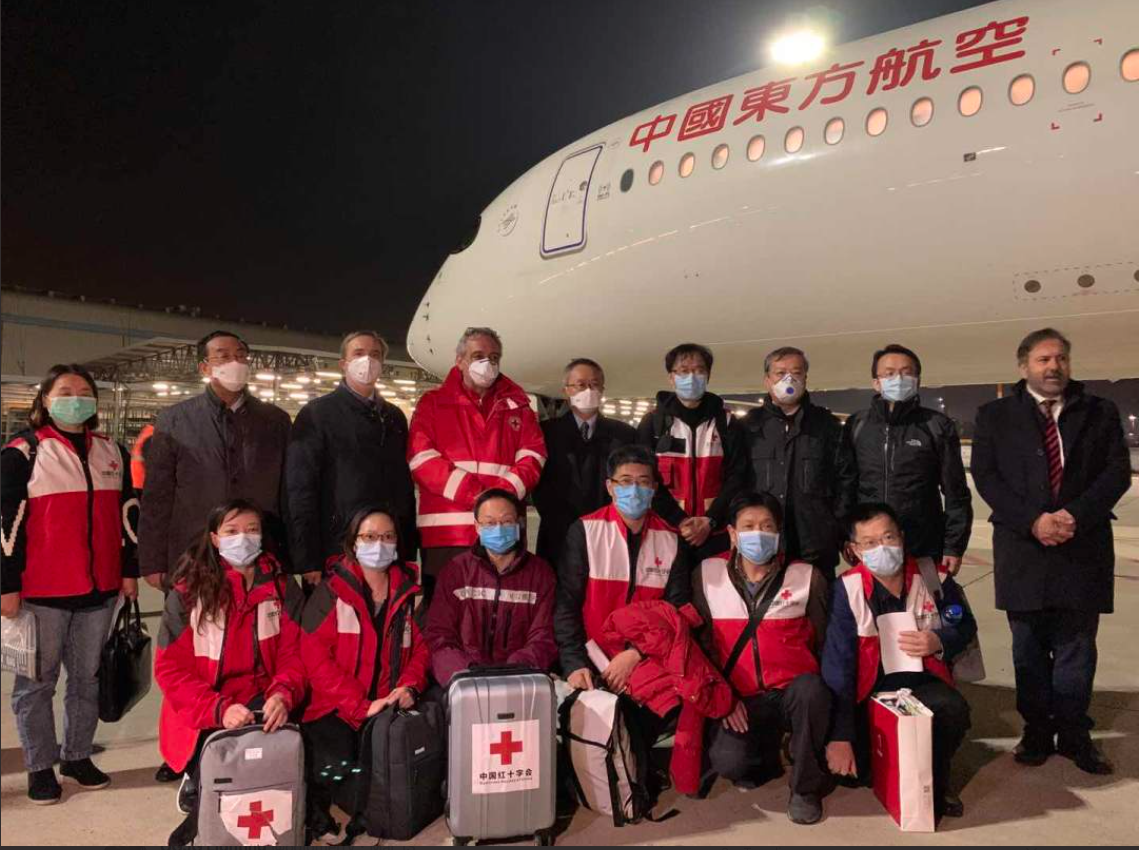
Courtesy of China’s People’s Daily on Twitter.
Conclusion
The natural hazards and human vulnerability of the Indo-Pacific region are on the rise, due to climate change, population growth, and migration into megacities. This is a vital concern for the United States, given the economic and strategic importance of the region now and in the future. There are three important ways the United States can help prepare for the region’s hazardous future, all consistent with the international Sendai Framework the United States committed to in 2015:
- Improve the understanding of current and projected hazards and vulnerabilities, including by sharing information with nations in the region. That means incorporating improved early warning technologies and actionable climate change projections into military and other government strategy and planning activities.
- Invest more in resilient communities, from public health to public works, through civilian missions such as development, aid, trade, and commerce. This, at times, may mean focusing on programs and projects that don’t seem directly related to disaster mitigation or security, such as economic development, child and maternal health, and job creation.
- Actively anticipate and plan for a future with more frequent or large scale humanitarian and disaster relief missions. That means making sure the right personnel, equipment, training, and partnerships are in place in “blue sky” times before disasters strike, and not just as a lesser-included-case. The tempo of humanitarian and disaster relief will rise in a way that requires a more deliberate approach to planning.
The capacity for humanitarian and disaster relief can be a comparative advantage in the Indo-Pacific that the United States either keeps or cedes to China. Or these missions could become a way for the two nations to cooperate with each other to the benefit of everyone in the region. After all, both American and Chinese military investments are focused on readiness for war when it comes to their relationship with each other, even though neither prefers such a ruinous outcome. Working together to prevent and respond to humanitarian disasters in the area both countries depend on for their prosperity would be an important confidence-building measure. As climate change makes the conditions even more volatile and destructive, building that mutual confidence will become far more useful than moving down the road toward conflict.