A Chapter of: Virtual Currency Donations
Appendix 9: South Africa
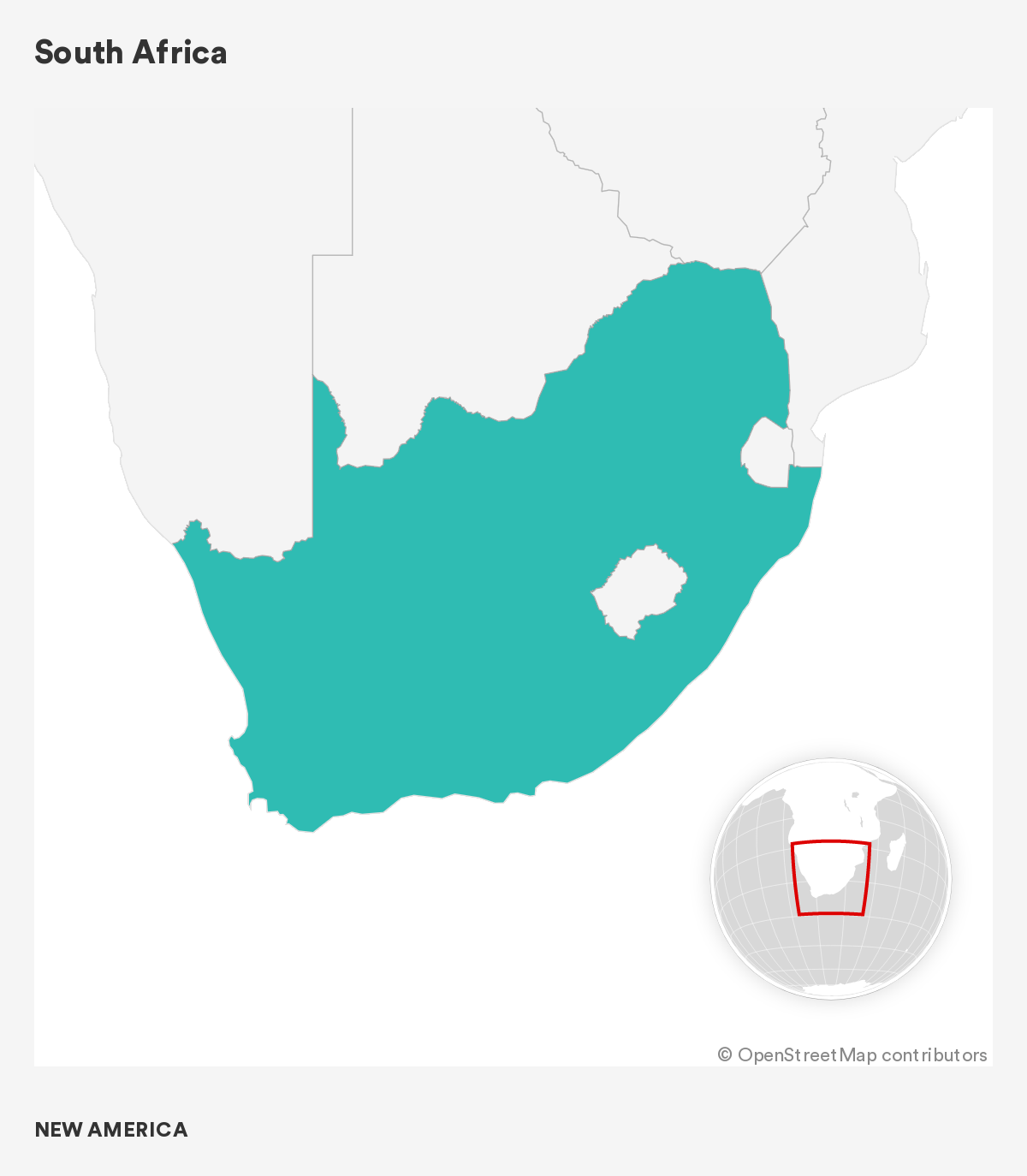
Highlights
- Virtual currencies are generally unregulated in South Africa. At the time of this writing, several bills have been introduced to regulate virtual currencies, but none have been enacted.
- Consequently, South Africa does not tax gains or losses related to cryptocurrencies. However, proposed amendments seek to provide clarification. For example, the Income Tax Act, as currently drafted, seeks to define cryptocurrencies as financial instruments for purposes of calculating gains and losses.
- The Fintech Unit of the South African Reserve Bank (SARB) participated in Project Khoka, a trial interbank wholesale settlement system using distributed ledger technology (DLT), but does not plan to implement a DLT-based payments system.
Virtual Currency-Specific Regulations
- South African Reserve Bank, Position Paper on Virtual Currencies (2014)
- South African Reserve Bank, Virtual Currencies/Crypto-Currencies (accessed 2019) [explaining that the 2014 Position Paper is still relevant]
- South Africa Intergovernmental FinTech Working Group (Crypto Assets Regulatory Working Group), Consultation Paper on Policy Proposals for Crypto Assets (Jan. 2019)
- Republic of South Africa National Treasury, User Alert: Monitoring of Virtual Currencies (2014)
Nonprofit Regulations
- South African Revenue Services, Tax Exemption Guide for Public Benefit Organisations in South Africa (2004)
- South African Revenue Services, Tax Exempt Organisations (2019)
- South Africa Financial Sector Conduct Authority, Financial Institutions (Protection of Funds) Act 28 of 2001 (2008) [duties on persons custodying/controlling assets of another]
- South African Government, Nonprofit Organizations Act, No. 71 (2000)
Tax Regulations
- South African Revenue Services, SARS’s Stance on the Tax Treatment of Cryptocurrencies (Apr. 2018)
- South Africa Parliamentary Monitoring Group, Taxation Laws Amendment Bill (B38-2018) Section 77: Money Bills [amending the 1962 Income Tax Act to include “cryptocurrency”; exempting cryptocurrency from Value-Added Tax Act of 1991].
- South Africa National Treasury, Financial Markets Act 19 of 2012
- South Africa Revenue Services, Budget Tax Guide: Donations Tax (2019)
Anti-Money Laundering Regulations
- South Africa’s AML laws do not appear to apply to cryptocurrencies.
- Sources: Law Library of Congress, Regulatory Approaches to Cryptoassets in Selected Jurisdictions: South Africa (April 2019), citing Jan. 2019 Crypto Assets Regulatory Working Group paper.
- South Africa Financial Intelligence Centre, Financial Intelligence Centre Act 38, 2001 (2017) [Generally establishes money laundering reporting requirements]
Other Relevant Regulations, Sources, Notes
- Global Legal Insights, Blockchain & Cryptocurrency Regulation (2019), “South Africa”
- Law Library of Congress, Regulatory Approaches to Cryptoassets in Selected Jurisdictions: South Africa (April 2019)
- International Center for Not-for-Profit Law (ICNL), Nonprofit Law in South Africa (2019)
- Practical Law, Charitable Organisations in South Africa: Overview (2018)
- PwC, South Africa: Individual – Deductions; Individual – Other issues (2019)

Virtual Currency Donations
- Executive Summary
- Introduction
- About Our Organizations
- Methodology and Terminology
- First Principles of Civil Society
- Blockchain and Digital Currency
- Use Cases
- Key Findings
- Other Findings
- Conclusion
- Appendix 1: Virtual Currency Terminology
- Appendix 2: International Highlights
- Appendix 3: Australia
- Appendix 4: Bermuda
- Appendix 5: Canada
- Appendix 6: Denmark
- Appendix 7: Malta
- Appendix 8: Singapore
- Appendix 9: South Africa
- Appendix 10: Switzerland
- Appendix 11: United Kingdom
- Appendix 12: United States