A Chapter of: Virtual Currency Donations
Appendix 3: Australia
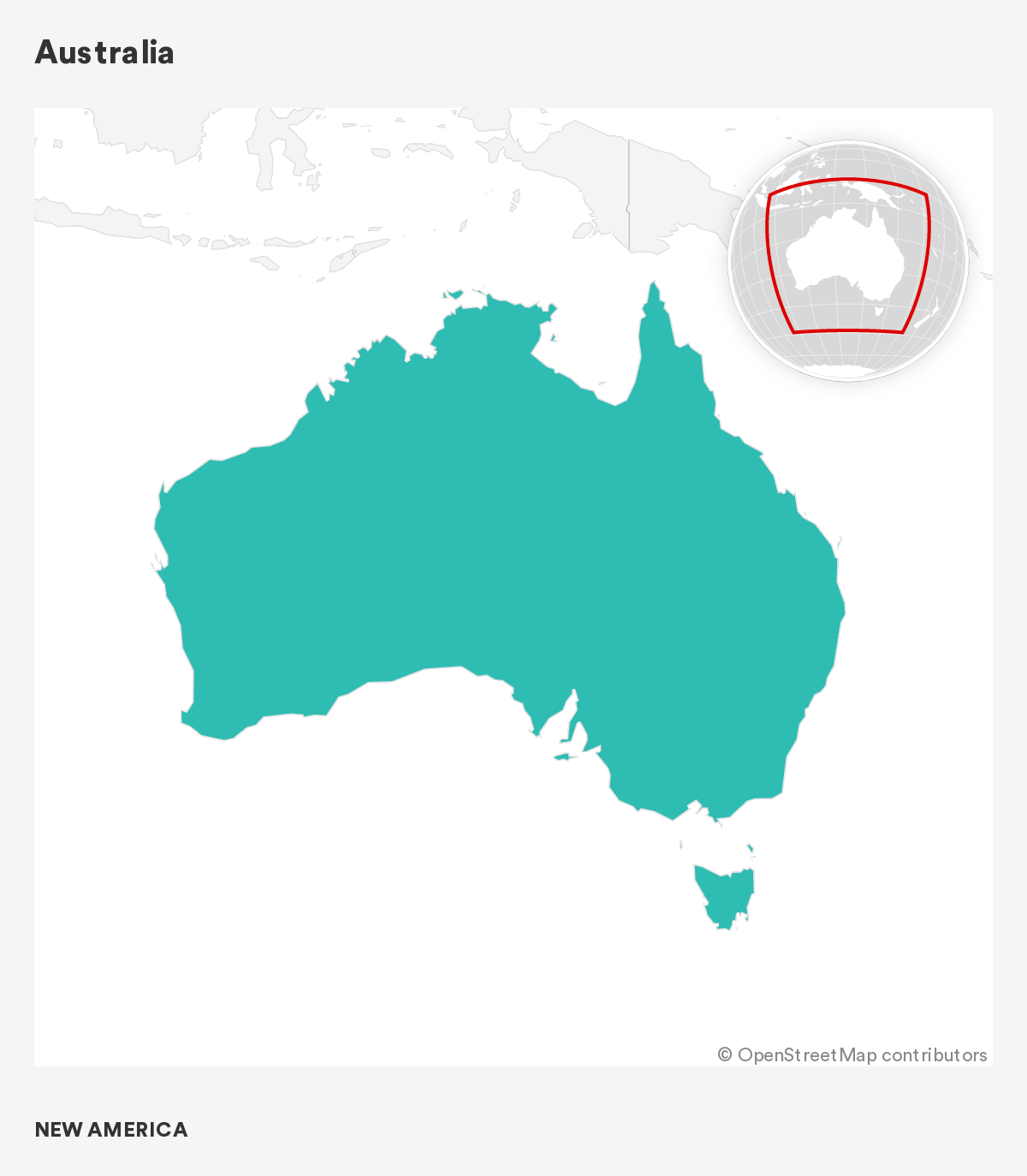
Highlights
- In February 2020, Australia's Department of Industry, Science, Energy and Resources launched a new national blockchain roadmap. It does not specifically mention charities, nonprofits, or donations but does indicate that the Australian Government has invested in a wide range of blockchain related activities, including through research grants, trade missions, funding for standards organizations, and innovation initiative pilots.
- The Anti-Money Laundering and Counter-Terrorism Financing Amendment Act of 2017 brings virtual currency exchanges under the AML/CFT legal framework, requiring such entities to be registered with the Australian Transaction Reports and Analysis Centre (AUSTRAC), maintain an AML/CFT program, and meet certain recording and reporting obligations.
- The Australian Securities and Investment Commission has said it does not consider bitcoin to be a financial product under the Corporations Act or the Australian Securities and Investments Commission Act. As a result, activities relating to bitcoin and similar virtual currencies are subject to Australian Consumer Law rather than to the licensing and disclosure requirements in the Corporations Act.
Virtual Currency-Specific Regulations
- Australian Senate Economic References Committee Report, Digital Currency – Game Change or Bit Player (Aug. 2015) (archived)
- Australian Tax Office, Tax Treatment of Cryptocurrencies (Accessed Oct. 2019)
- ATO finalized public rulings:
- GSTR 2014/3—Goods and services tax: the GST implications of transactions involving Bitcoin
- TD 2014/25—Income tax: is Bitcoin a 'foreign currency' for the purposes of Division 775 of the Income Tax Assessment Act 1997?
- TD 2014/26—Income tax: is Bitcoin a CGT asset for the purposes of subsection 108-5(1) of the Income Tax Assessment Act 1997?
- TD 2014/27—Income tax: is Bitcoin trading stock for the purposes of subsection 70-10(1) of the Income Tax Assessment Act 1997?
- TD 2014/28—Fringe benefits tax: is the provision of Bitcoin by an employer to an employee in respect of their employment a fringe benefit for the purposes of subsection 136(1) of the Fringe Benefits Tax Assessment Act 1986?
- ATO finalized public rulings:
Nonprofit Regulations
- Australian Tax Office, Non-Profit (accessed Oct. 2019)
- Australian Tax Office, Receiving Tax-Deductible Gifts (accessed Oct. 2019)
- Australian Tax Office, Claiming Tax Deductions (accessed Oct. 2019)
- Australian Tax Office, How Donors Get Valuations (accessed Oct. 2019)
- Gifts $5,000+ require valuation from ATO
- Australian Tax Office, Valuing Contributions and Minor Benefits (accessed Oct. 2019)
- Australian Tax Office, Keeping a Record of Your Donation (accessed Oct. 2019)
- Australian Tax Office, How Donors Get Valuations (accessed Oct. 2019)
- Australian Tax Office, Tax and Fundraising (accessed Oct. 2019)
- Australian Tax Office, Income Tax Exempt Organizations (accessed Oct. 2019)
- Australian Tax Office, Other income tax consequences (accessed Oct. 2019)
- Australian Tax Office, Record Keeping (accessed Oct. 2019)
- Council on Foundations, Nonprofit Law in Australia (Nov. 2018)
Tax Regulations
- Australian Tax Office, Tax Treatment of Cryptocurrencies (Accessed Oct. 2019)
- Australian Charities and Not-for-profits Commission (ACNC), Charity Tax Concessions (accessed Oct. 2019)
- Australian Tax Office, Summary of Tax (Accessed Oct. 2019)
Anti-Money Laundering Regulations
- AUSTRAC and ACNC, Australia’s Non-Profit Organization Sector: Money Laundering and Terrorism Financing Risk Management (Aug. 2017)
- AUSTRAC, Checklist: protecting your charity against the risk of terrorism financing (accessed Oct. 2019)
- Australian Government, Anti-Money Laundering and Counter-Terrorism Financing Amendment Act 2017 (brings cryptocurrencies within the scope of Australia’s AML)
- Australian Government, Submission of the Attorney-General’s Department, Senate Economics References Committee Inquiry into Digital Currencies (Dec. 2014)
- Australian Transaction Reports and Analysis Centre (AUSTRAC), Digital Currency Exchange Providers (accessed Oct. 2019)
Other Relevant Regulations, Sources, Notes
- Library of Congress, Regulation of Cryptocurrency: Australia (accessed Oct. 2019)
- Law Library of Congress, Regulatory Approaches to Cryptoassets in Selected Jurisdictions: Australia (April 2019)
- Global Legal Insights, Blockchain & Cryptocurrency Regulation (2019), “Australia”

Virtual Currency Donations
- Executive Summary
- Introduction
- About Our Organizations
- Methodology and Terminology
- First Principles of Civil Society
- Blockchain and Digital Currency
- Use Cases
- Key Findings
- Other Findings
- Conclusion
- Appendix 1: Virtual Currency Terminology
- Appendix 2: International Highlights
- Appendix 3: Australia
- Appendix 4: Bermuda
- Appendix 5: Canada
- Appendix 6: Denmark
- Appendix 7: Malta
- Appendix 8: Singapore
- Appendix 9: South Africa
- Appendix 10: Switzerland
- Appendix 11: United Kingdom
- Appendix 12: United States