A Chapter of: The Great Correction
Introduction
The speed with which the COVID-19 pandemic brought the global economy and so-called fortress nations to their knees, buckled healthcare systems, and crushed carefully conceived response plans should prompt deep societal reflection. When the pandemic finally clears and nations tally the human and economic toll of this crisis, one certainty will be a long list of lost lives and livelihoods. The central task now is to ensure that the sacrifices of once hidden heroes in the medical, scientific and educational communities and the trillions in national treasure spent in the heat of battle on recovery efforts will not be squandered. To realize that goal, any post-pandemic response and recovery plan must produce a better world.
Great crises often lay the groundwork for great reforms. Just as the incalculable toll of World War II gave birth to new international institutions with the twin charges of keeping the peace and ensuring that a rules-based economic system spread prosperity around the world, this crisis will give rise to new solutions and institutions. The COVID-19 pandemic will infect and affect millions of people, claim hundreds of thousands of lives, and cost trillions of dollars. This is a collective sacrifice that cannot be in vain. Along these lines, a new study has shown that lockdown efforts, while piecemeal across the country, may have averted 60 million cases. Global crises, like the COVID-19 pandemic that began in Wuhan, China and in a matter of five months affected more than 188 countries, proving that viruses, like vector-borne diseases and vile ideologies that span the globe, do not respect national borders. Except this time around, rather than coalitions of countries fighting together, like the post-war rules-based system would dictate, including via the guidance of multilateral health bodies like the World Health Organization (WHO), countries have taken the fight to the invisible threat all alone.
Politicizing the response to the pandemic, even in its earliest days, greatly hindered the world’s ability to mount a credible testing, containment, mitigation, and recovery strategy. Instead of following the guidance of public health officials and epidemiological experts, many countries adopted a zero-sum approach, introducing “beggar-thy-neighbor” healthcare responses while resurrecting national border controls not seen in a hundred years.
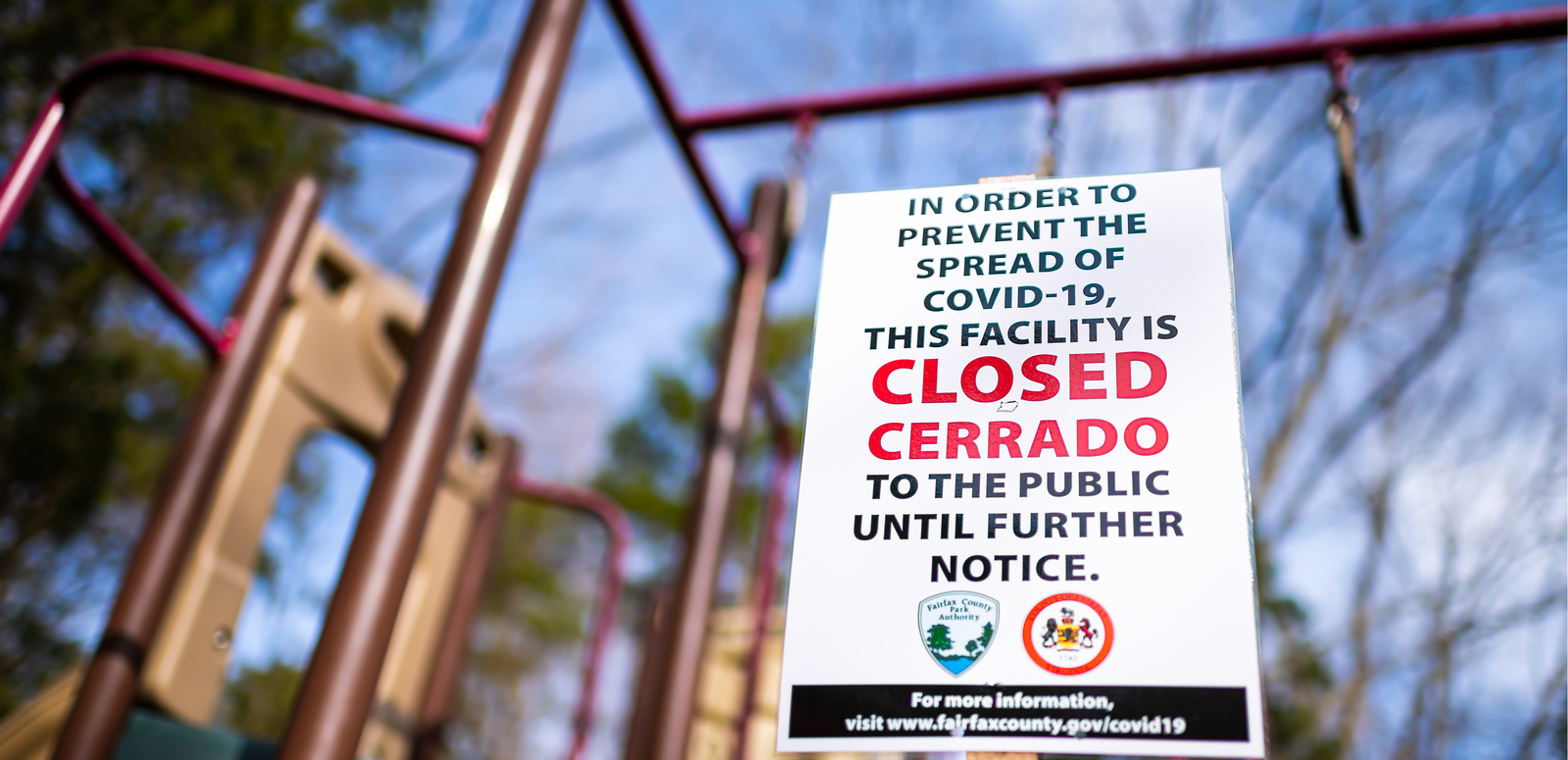
Indeed, European countries all but shredded the Schengen agreement that was first introduced in 1985 to enable the free flow of people and commerce across 26 European nations. In the United States, as the pandemic’s epicenter moved from a nursing home in Kirkland, Washington, where it was first spotted, to New York, to elsewhere across the country, neighboring states erected de facto barriers of their own. In Rhode Island, for example, police and National Guard units were deployed at the border with New York to check travelers and enforce mandatory 14-day quarantines. The home of the free and brave became the home of the quarantined and cowed as strict social distancing rules defined a surreal new normal. Tellingly, for the first time in history, all 50 U.S. states and territories were under disaster declarations.
As much as the coronavirus pandemic has brought the world to its knees, it has also revealed a number of areas where the fate of the planet, countries, and perhaps humanity is intertwined. Amid a rising tide of economic nationalism and populist sentiments that predated the outbreak, the world faced a threat that does not respect traditional forms of perceived strength any more than it recognizes wealth, religion, creed, or political allegiance. It has fractured societies and alliances, but the pandemic could yet emerge as a unifying force to the extent it reminds us of our common frailty, interdependence, and utter lack of preparedness for complex emerging threats. With the impact of climate change looming on the horizon, the pandemic might be humanity’s last best hope to develop a more coordinated global approach to other major societal risks.
Some claim—wrongly—that the pandemic’s disruptive consequences were unpredictable. Like other great crises, the coronavirus itself did not break the global economy, national healthcare systems, or response capabilities. Rather, it revealed areas that were already broken.
The pandemic also revealed that much of the new fatalism regarding population scale technology platforms may have missed the mark. Notwithstanding the real and troubling flaws that exist in many technology platforms, technology, when universally deployed, can not only level the playing field, it can help ensure business, operational, educational, and governmental continuity in the face of major disruptions. The video conferencing services that kept millions of students in virtual classrooms also kept a few cylinders of the global economy turning. The absence of universal hardware, software, and internet connectivity across a range of essential systems, from education, to banking, healthcare, elections, and payments, proved to be a real hindrance in pandemic response and recovery efforts.
Some countries have clearly used the pandemic as an excuse to exploit technology and violate human rights. However, overall, technology has proven to be a force for good through this crisis. From crowdsourcing data feeds that aggregated the number of confirmed COVID-19 cases around the world, often with detailed geographical accuracy at county or city levels, to 3D-printed essential medical equipment for frontline healthcare providers, the ability to pivot supply chains from lean, global, and just-in-time (which proved to be more tightly strung than a Stradivarius violin), to hyper-local sourcing, has been key in this battle.
Indeed, the absence of anything close to an adequate strategic global stockpile of ventilators, personal protective equipment (PPE) and N95 masks (all items that were subject to national and private sector hoarding, price gouging, and health security arbitrage), turned an already calamitous event into a template for human, governance, and market failure. Many countries, including the United States, resorted to wartime powers to shift their industrial base away from routine production toward manufacturing hand sanitizer, protective equipment, and other medical gear that was in short supply.
For the vulnerable sectors of the world’s population that did not succumb to the virus while undergoing medical care, sadly far too many perished for what will be proven to be a preventable loss due to the shortage of basic medical supplies and hospital beds per capita. Others, such as the financially vulnerable and minority communities, have proven to have higher mortality rates for obvious reasons. Their need to subsist through exposed jobs, along with underlying health and lifestyle issues, exposed a two-tier medical system.
Having already pledged trillions of dollars in direct aid to U.S. citizens through tax deferments, loans, and corporate bailouts of vulnerable sectors—ostensibly the largest non-war economic recovery package in world history—we must now pledge to use this societal down payment to build more resilient institutions and a more resilient country. To that end, this white paper is designed to serve as a blueprint for renovating areas of our public infrastructure that have not fared well amid the pandemic. Given the depth of the rot in so many of our institutions and systems, the crisis presents an opportunity to not only rebuild, but to emerge better off, with a heightened ability to address the challenges on our long national horizon.
The Great Correction
- Checklist
- Introduction
- Household Economy
- Community Resilience
- A Pandemic of Racism
- Election Integrity
- Healthcare Surge Capacity
- Supply Chain Management
- Universal Access to Digital Services
- Banking and Payment Systems
- Economic Resilience
- Future of Work
- Epidemiological Readiness
- Porous Lines of Defense
- Institutions
- Policy Considerations