A Chapter of: A Toolkit for Effective and Supportive Transitions for Children, Families, and Educators in Fall 2021 and Beyond
Scenarios to Consider in Response to COVID-19
While transitions are important every school year, they have become even more critical due to the widespread disruptions caused by COVID-19. After more than an entire school year of pandemic-related changes, there are multiple scenarios that schools may face this fall. Concerns and new expectations from families—especially families of color and families living in under-resourced communities—must be reflected in the design of transition activities. Review of recent research and major news stories, as well as conversations with states, districts, and other leaders, produced the following scenarios that schools and districts should consider and plan for over the next year. Each of these scenarios will require additional supports for the teachers and other staff with whom children interact.
- COVID-related changes in fall 2020 enrollment could play out in three primary ways in fall 2021:
- There may be an increased demand for pre-K after many parents chose to keep their children out of formal pre-K programs last year. These parents may be interested in enrolling in pre-K instead of going straight into kindergarten. Also, more parents of three- and four-year-old children may be interested in the developmental and social benefits of pre-K after a year of turmoil.
- Drops in pre-K and kindergarten enrollment last year suggest that there may be an influx of kindergarteners in fall 2021. This kindergarten class may have greater variation in skills because of children’s divergent experiences in the past year. There will also be more variation in age based on state policies and whether parents chose to wait a year to enroll their children in school.
- Teachers may have first graders with limited or no kindergarten experience. Based on what we know about young children’s learning, it is likely that children who attended virtual or hybrid kindergarten classes will not come to first grade as prepared as those in prior years. In states or districts where kindergarten attendance is not required, children may end up skipping kindergarten altogether and enter first grade with no formal school experience.
How do we know?
- A survey of 100 school districts conducted by NPR found that the average district saw a decline in kindergarten enrollment of 16 percent when official counts were taken for the 2020–21 school year last October.
- A study by the National Institute for Early Education Research (NIEER) found that participation in preschool programs declined from a pre-pandemic level of 71 percent of four-year-olds to just 54 percent of four-year-olds in the fall of 2020. In-person enrollment, according to NIEER, dipped most sharply for low-income children, as just 14 percent of children from the lowest-income families were enrolled in in-person pre-K compared to 64 percent pre-pandemic.
- There may be significantly undercounted enrollment declines of the past year, as researchers estimated that 400,000 fewer children and youth experiencing homelessness were identified by schools last year, even as housing instability and joblessness claims reached historic highs.
- Many are predicting a possible “kindergarten bubble” in the 2021-22 school year and now we are seeing districts planning for a surge.
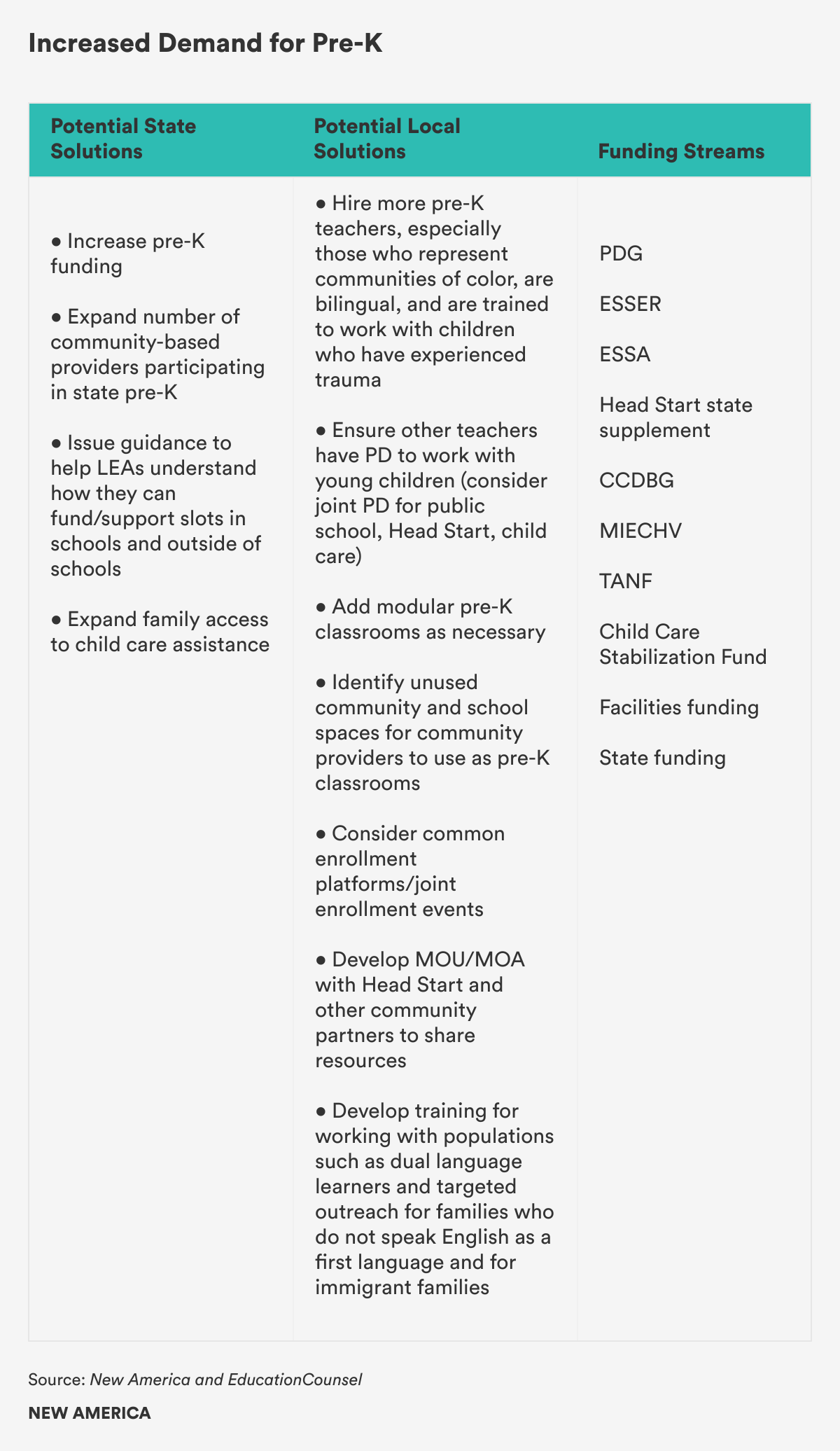
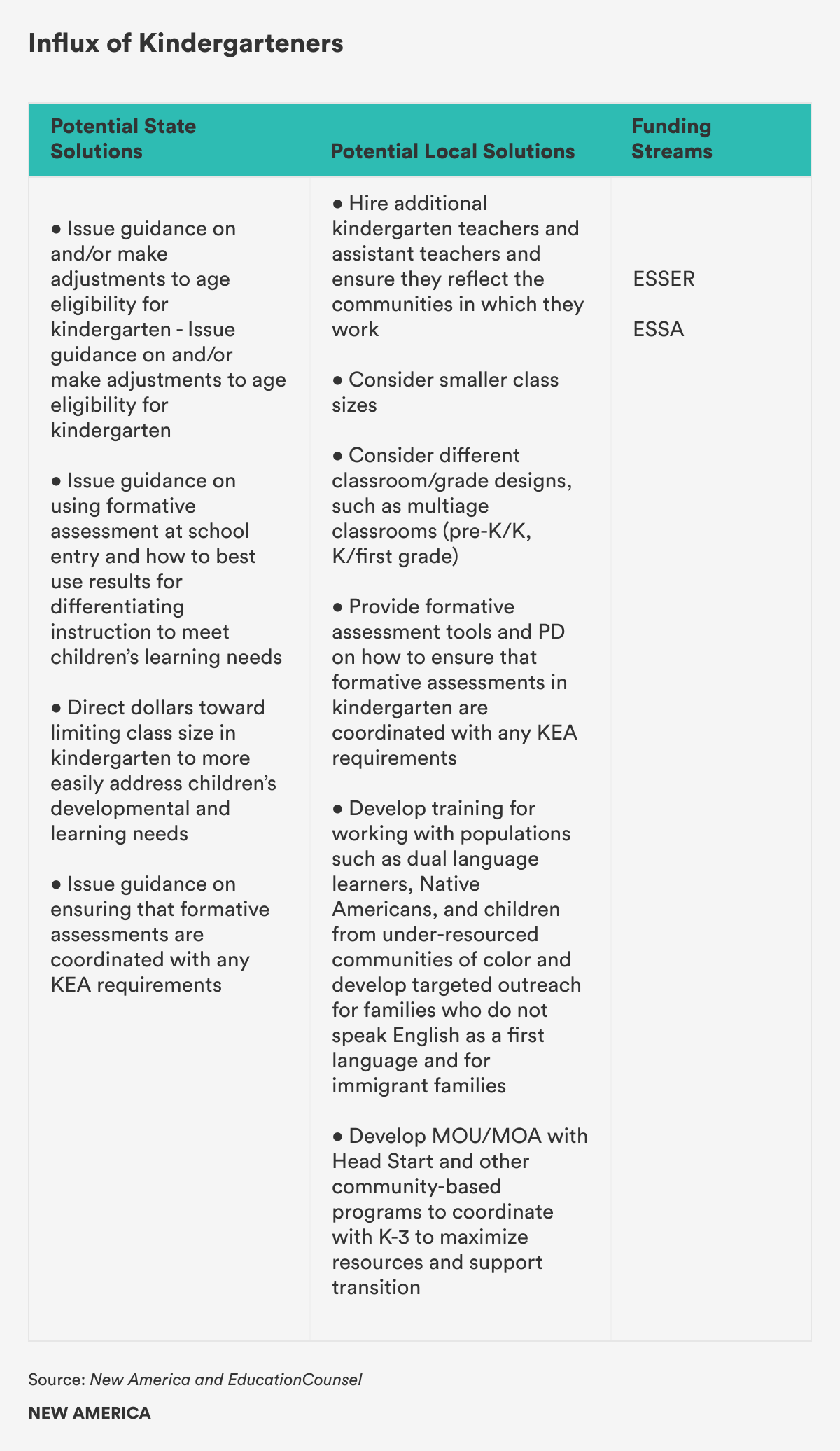
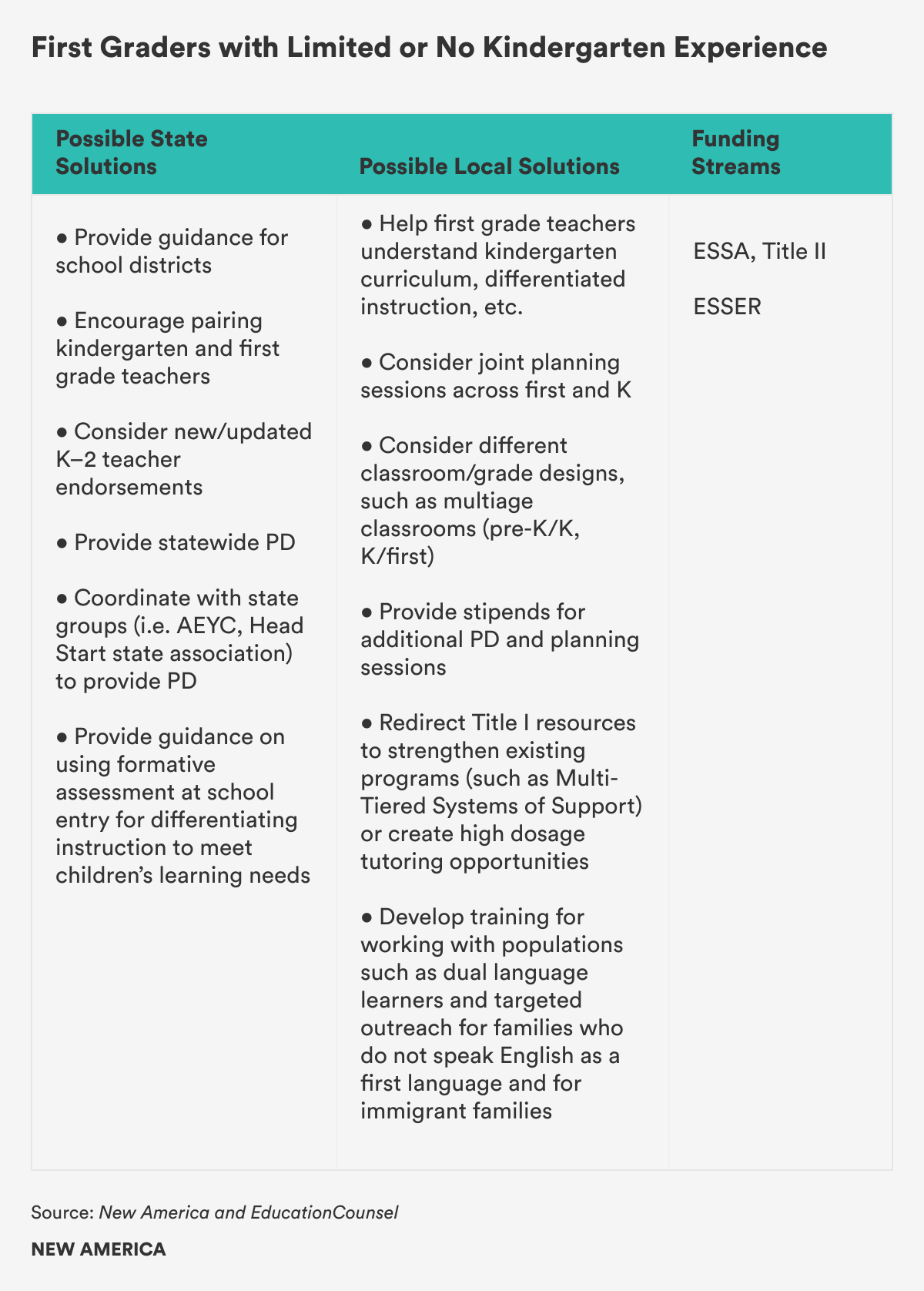
- Children will have different needs than a typical incoming class, depending on what they experienced during the pandemic.
- There will be an increased number of children experiencing trauma in fall 2021 and beyond. Over the last year, more families experienced economic hardship, job loss, food insecurity, homelessness, substance abuse, illness, and loss of loved ones, in addition to general social isolation and major disruptions to normal activities. Everyone was impacted by COVID-19 in some way, and some groups experienced disproportionate hardships. COVID-19 itself may be considered an adverse childhood experience.
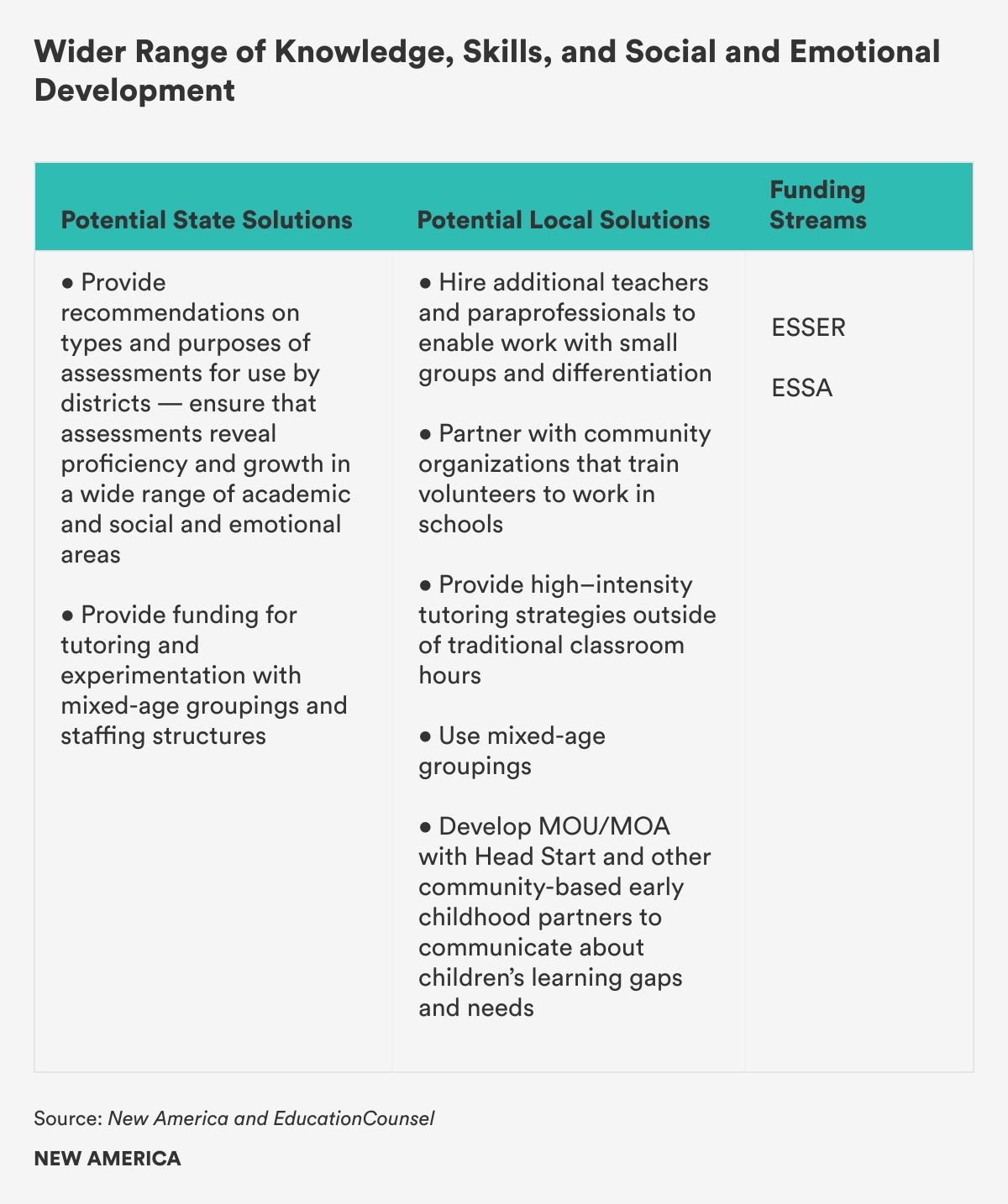
- Many children’s developmental and learning needs were not met well in the 2020-2021 school year. Coupled with the enrollment changes explained above, children in the same classroom will likely have a wider range of knowledge, skills, and social and emotional development.
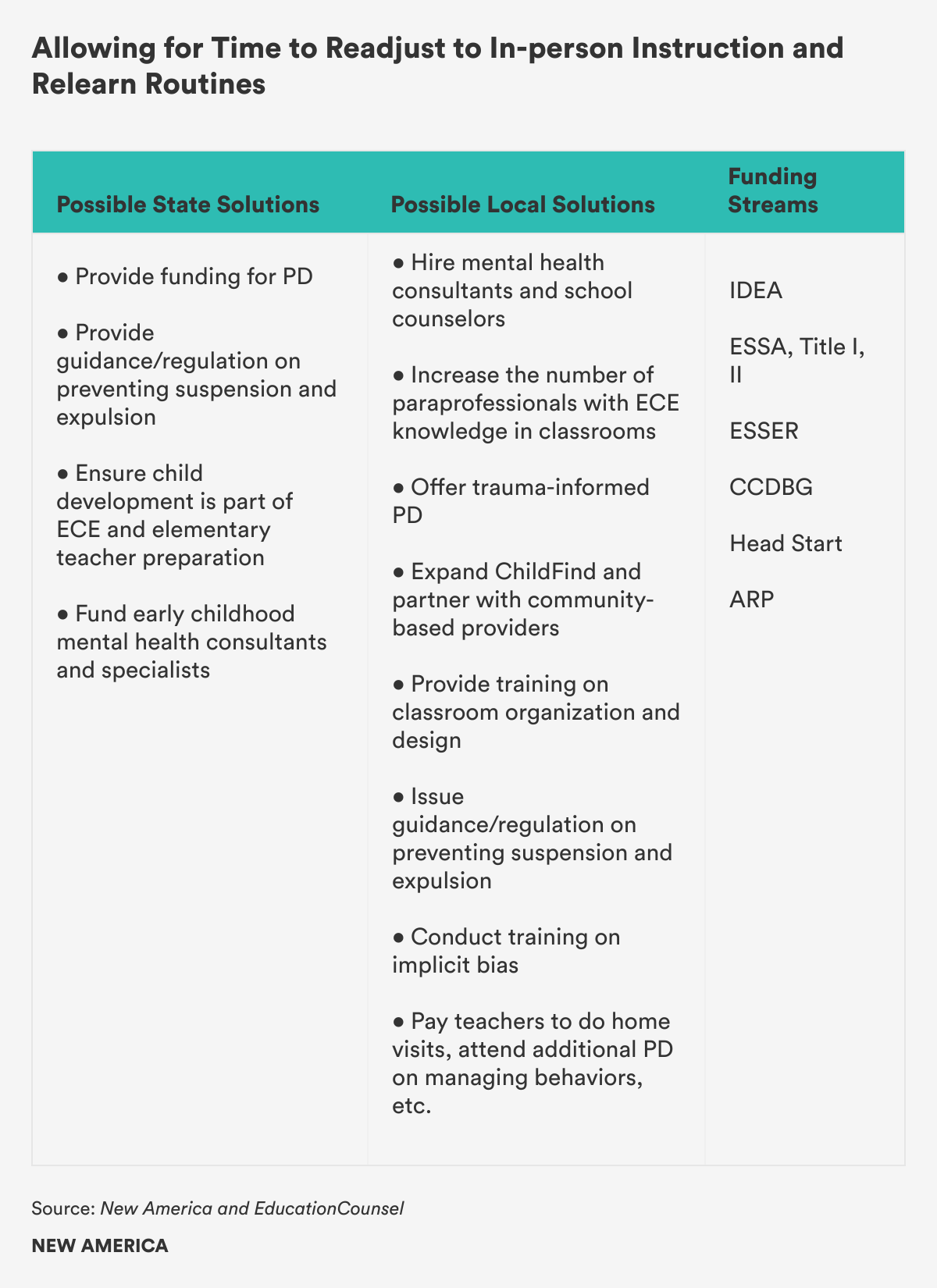
- Children of all ages and adults will need time to readjust to in-person instruction and relearn routines or learn them for the first time. Teachers, paraprofessionals, and other school staff need to be equipped to respond appropriately. Punitive action is likely not the appropriate response and children should not be excluded from the learning environment.
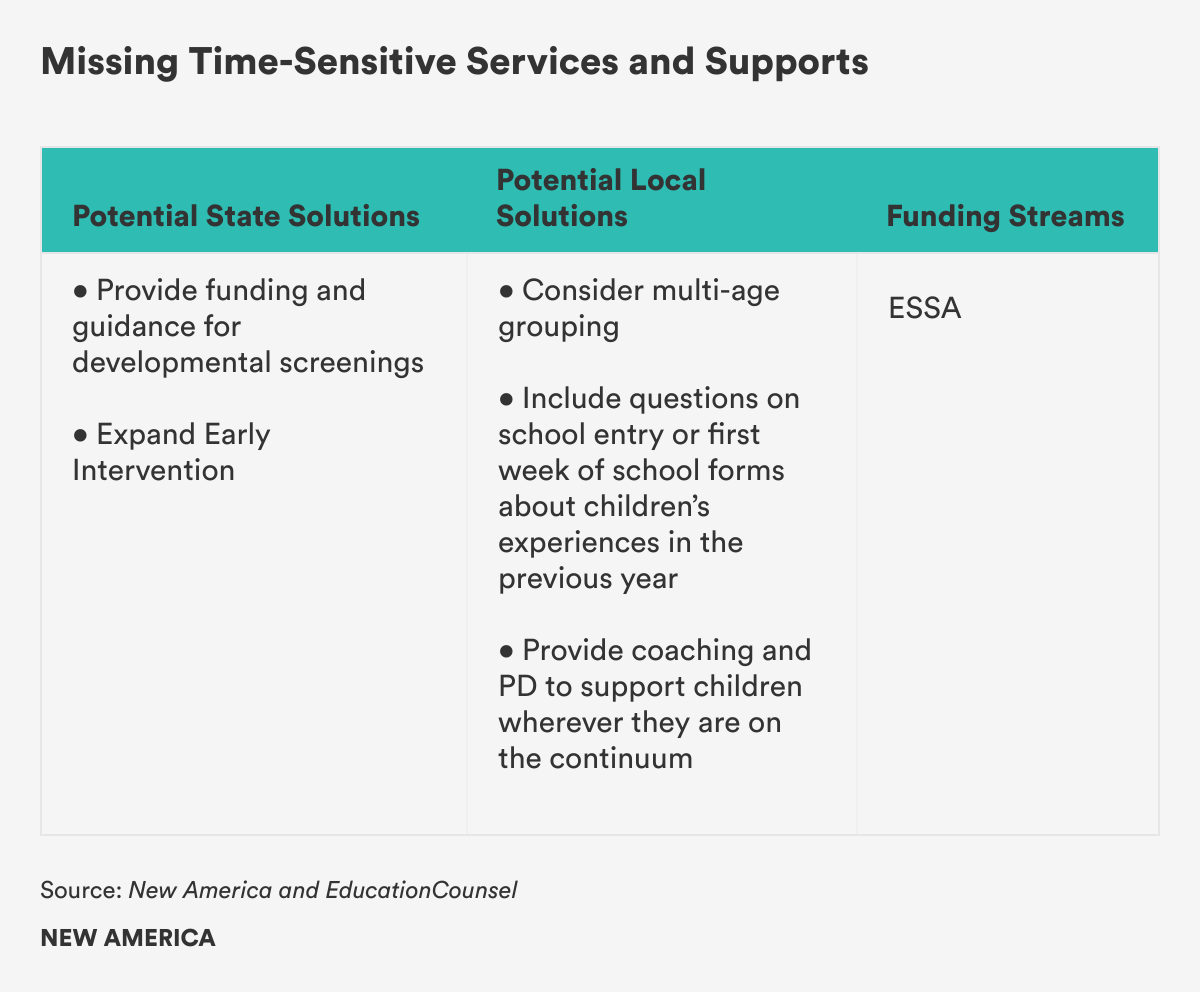
- Children may have missed out on time-sensitive services and supports usually provided through their schools or districts over the past year, resulting in academic decline. LEAs may have been particularly ill-equipped to meet the needs of children experiencing homelessness, students with disabilities, and dual language learners through virtual learning or hybrid models. Children new to the public education system have likely not been screened for services, supports, or access to additional resources, or may not have had appropriate supports to move from IFSP (early intervention) to IEP (preschool and school-aged services).
How do we know?
-
- Initial data paint a grim picture of children’s social and emotional wellbeing during the pandemic. In 2020, pediatric mental health-related visits to emergency rooms increased by 24 percent compared to 2019.
- A representative survey of more than 30,000 caregivers of Chicago public school students conducted during the height of the pandemic found that child mental health worsened significantly after school closures began. Negative social and emotional characteristics like loneliness, anger, stress, and anxiety were reported at much higher rates, while characteristics of positive mental health dropped across the board.
- Detrimental social and emotional and mental health impacts of the pandemic are likely to further complicate the stress children already experience as they transition into kindergarten.
- The pandemic has harmed children’s cognitive and academic development. State assessments were not widely administered in the spring of 2020, but the limited data that do exist from national tests administered early in the 2020–21 school year suggest that many elementary school children have experienced at least some level of academic decline.
- Given limited assessment data and insight into academic experiences of young children over the last year, many experts are calling on school districts to approach the learning and recovery needs of kindergarteners and others in early grades as directly linked to social and emotional wellbeing and mental health.
- According to a recent Ed Trust survey of state early intervention coordinators, referral rates dropped, wait times increased, and access to early intervention services dropped in many states.
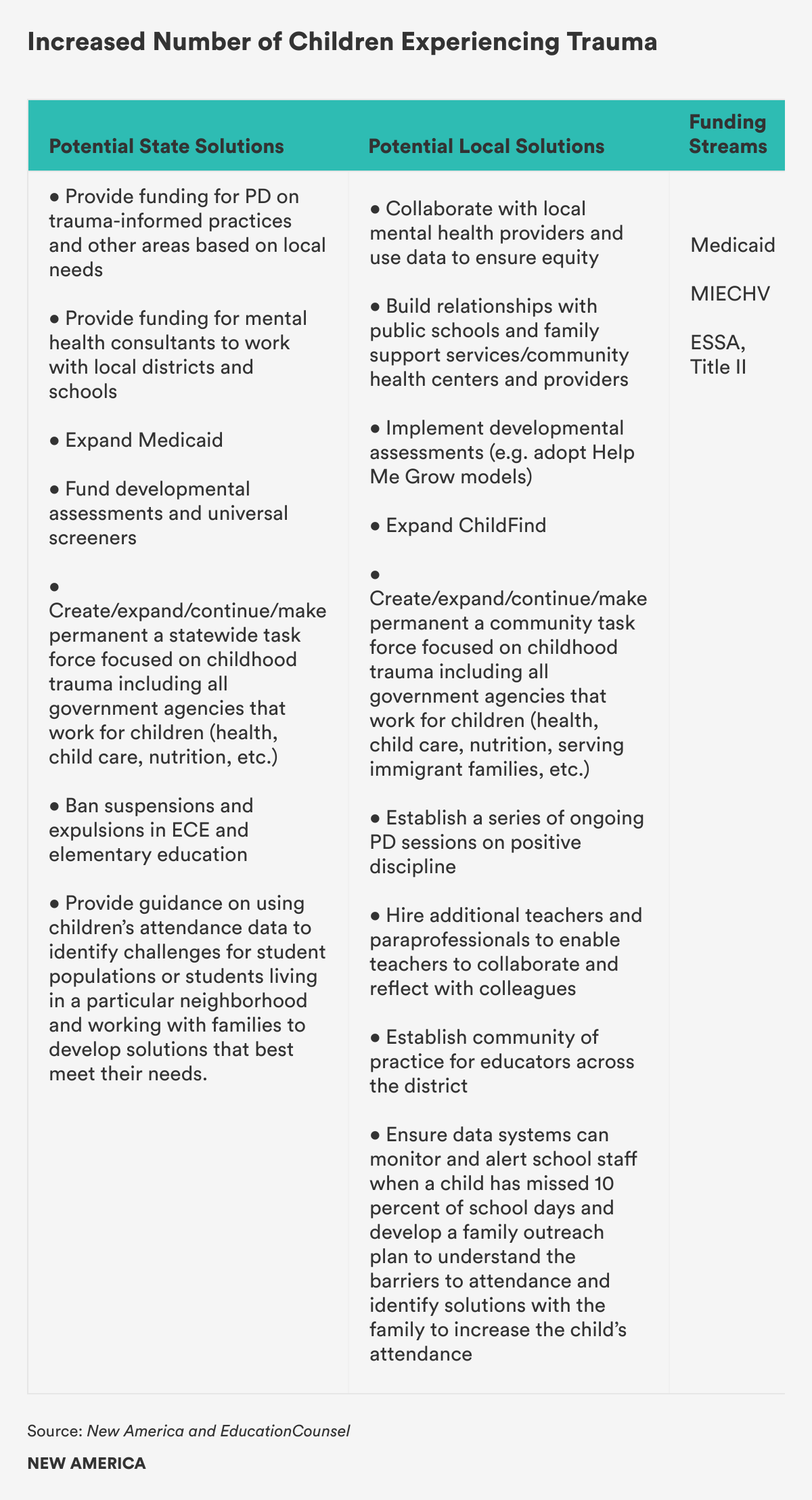
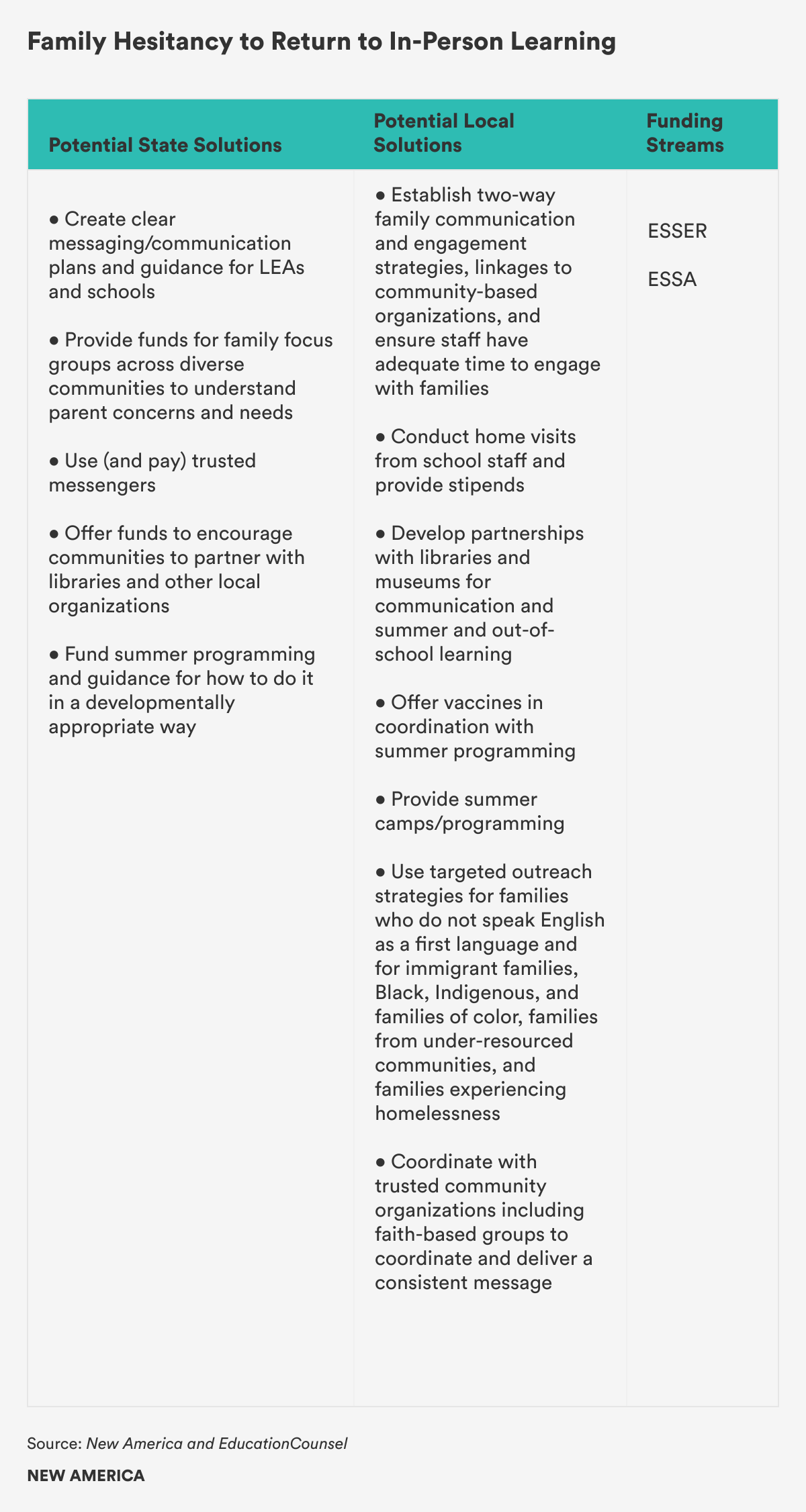
- The pandemic has had a negative impact on families as a whole. For reasons ranging from fear of COVID-19 spread and skepticism about public schools’ crisis management abilities after a challenging year, to a preference for virtual learning, there may be family hesitancy to return to in-person learning. There also may be families that need to be brought back into the school system.
One example of how we know:
- A spring 2021 New York Times article discussed the concept of “school hesitancy” and the number of families, oftentimes families of color, who have been unable to reconnect with school or are not ready to return to in-person learning.
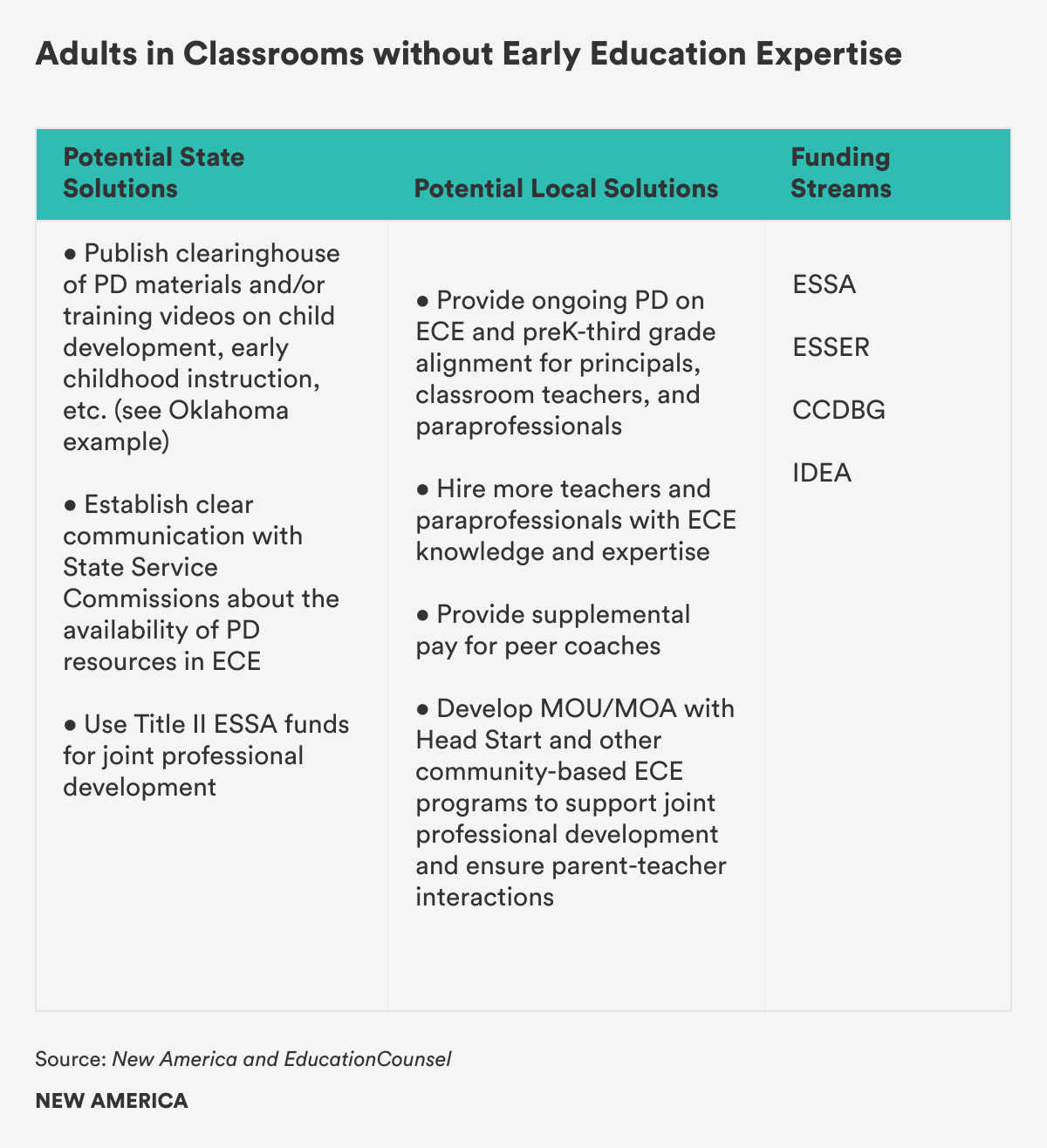
- With children coming in at different skill levels and staff potentially being moved around to accommodate fluctuations in enrollment, there may be more adults in classrooms without early education expertise.
How do we know?
- Previous research has found that elementary teacher preparation typically emphasizes teaching strategies that are more appropriate for older students.
- Paraprofessionals or teacher assistants are not typically required to have early childhood development training.
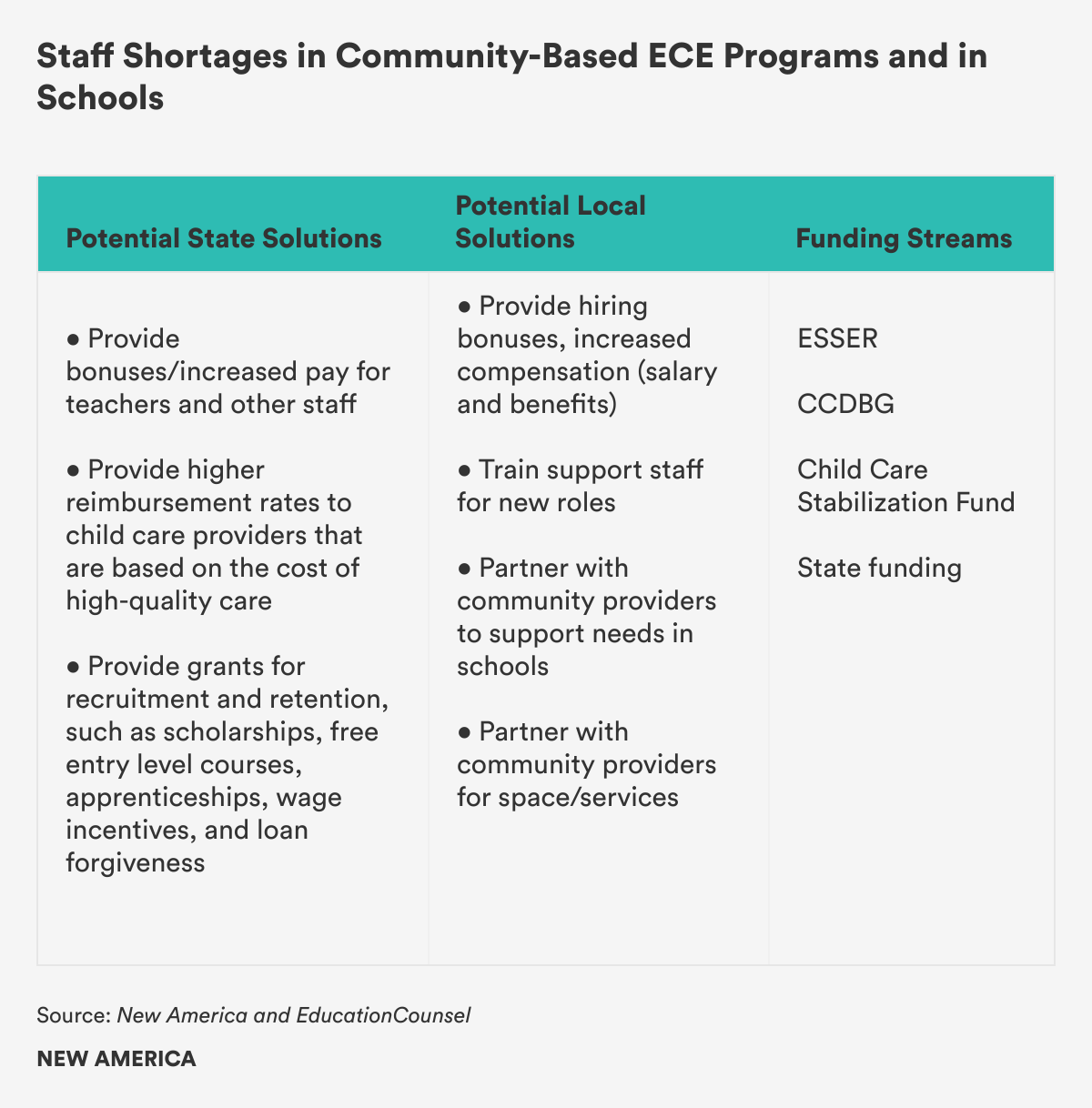
- Between early educators leaving the workforce during COVID-19 and staffing changes needed to accommodate the different potential scenarios, staff shortages in community-based early education programs and in schools may be a challenge. Educators in community-based programs may choose to work for the public school system instead as paraprofessionals, which are likely to be in higher demand, or as classroom teachers if they have the required education and training.
How do we know?
- Turnover has long been a serious problem in ECE settings and research shows that poor compensation is the primary reason. Wages, benefits, and working conditions tend to be significantly better in public school settings. Early childhood educators often leave community-based organizations for better paying jobs, including as paraprofessionals or teachers in elementary schools when they have the appropriate qualifications.
- As the country recovers from the pandemic, research already shows staffing shortages in child care settings, although the data do not specify where early childhood educators are working instead.
This project is a collaboration between New America and EducationCounsel.