Conclusion
To protect low- and moderate-income households from exploitative banking practices rampant in the years leading up to the Great Recession, the Federal government enacted the Dodd-Frank Act. By imposing this and other anti-predatory regulations, the government inadvertently disincentivized banks from issuing small dollar mortgages on affordable homes—a perverse and ironic consequence that hurt the very families the legislation meant to protect.
This report examines the causes and consequences of the lending hole at the bottom of the mortgage market. It hypothesizes that on the individual level, this lending hole contributes to widening the racial wealth gap and trapping families in persistent poverty cycles. At a neighborhood level, it contributes to a downward spiral of disinvestment and stagnation.
And, it challenges our assumptions about the causes of America’s housing crisis.
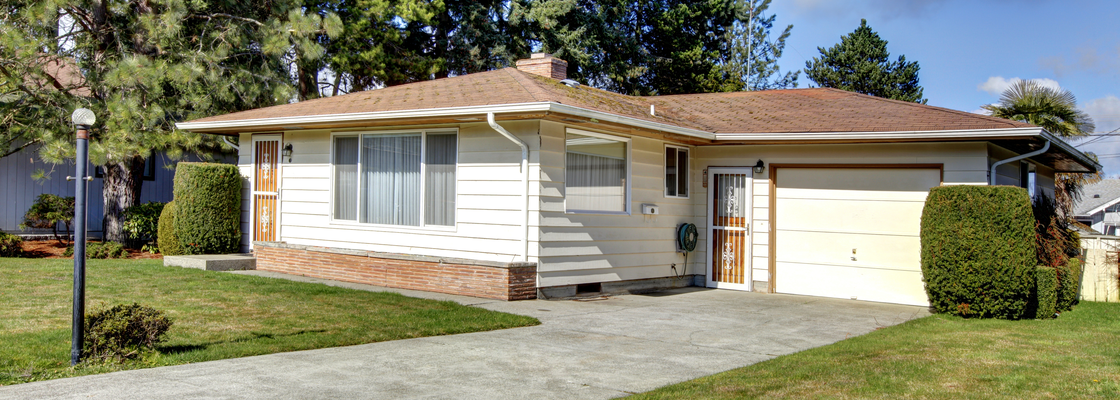
Housing affordability is undoubtedly a major part of the problem, and one that federal decision-makers seem committed to addressing. But even when homes are affordable—indeed, one-fifth of all owner-occupied homes cost less than $100,000—borrowers of these homes are finding it difficult to purchase them because banks are writing fewer and fewer small mortgages. Lenders exiting the small mortgage market, except in special cases where there is a specific community mission, means that families ready for homeownership are being locked out of the market. Even when families are able to obtain small mortgages, they often lose out in bidding wars to all-cash purchasers.
Over the past decade and a half, sobering indicators underscore the squeezing out of low- and moderate-income families, including a steady downward trend in small dollar lending, consistently higher denial rates for small loans compared to larger ones and the increasing prevalence of cash purchases on these homes by investors.
Our research into Forsyth County indicates a microcosm of what is happening nationwide: In 2001, about 74 percent of the county’s small dollar homes were financed through mortgages, whereas in 2021 it was only 25 percent. Three-quarters of these homes in 2021 were purchased with all cash.
Additional research is needed to better understand the complexities of this issue. This includes exploring the unavailability of small dollar mortgage credit on buyer demand and collapsing property values, the role of institutional investors in local housing markets, and the extent to which buyers can finance the rehabilitation and investment needed to make these homes habitable.
But given what we do know, solutions can be put in place today that would enable many Americans to buy their first home, begin to build wealth, and move up the economic ladder.
The Lending Hole at the Bottom of the Homeownership Market
- The Lending Hole at the Bottom of the Market: Small Dollar Mortgages
- A Roadmap to this Report: Methodology, Data Sources, and Definitions
- It’s Expensive to be Poor: Small Dollar Homes are Inaccessible to Low- and Moderate-income Families
- A Microcosm of the Problem: The City of Winston-Salem, North Carolina
- Increasing Access to Small Dollar Mortgages: Potential Solutions
- Conclusion