A Chapter of: From Trauma to Development
Conclusion: The Potential to Thrive
The growing population of young children of immigrants have tremendous potential to thrive, be happy, and contribute to the U.S. society and economy. The challenges they face result from geopolitical and structural circumstances, and therefore, can be mitigated through systematic investments.The suggested strategies are well-researched and have already been applied in different communities. Their future will be matched by the ways the United States lives up to its promise of the "American Dream."
Soor Gul Entizar, who worked for the U.S. government at the Department of State Annex in Afghanistan, recently resettled in Arizona with his wife and five children after the August evacuation of U.S. troops from his country of origin. They already have an U.S.-citizen in their family, a month-old Arizonan native. He dreams that his children can complete their education. With animated, laughing eyes, he adds that he’d love for them to be engineers or maybe Obama! He jokes because the future is still far from his mind.
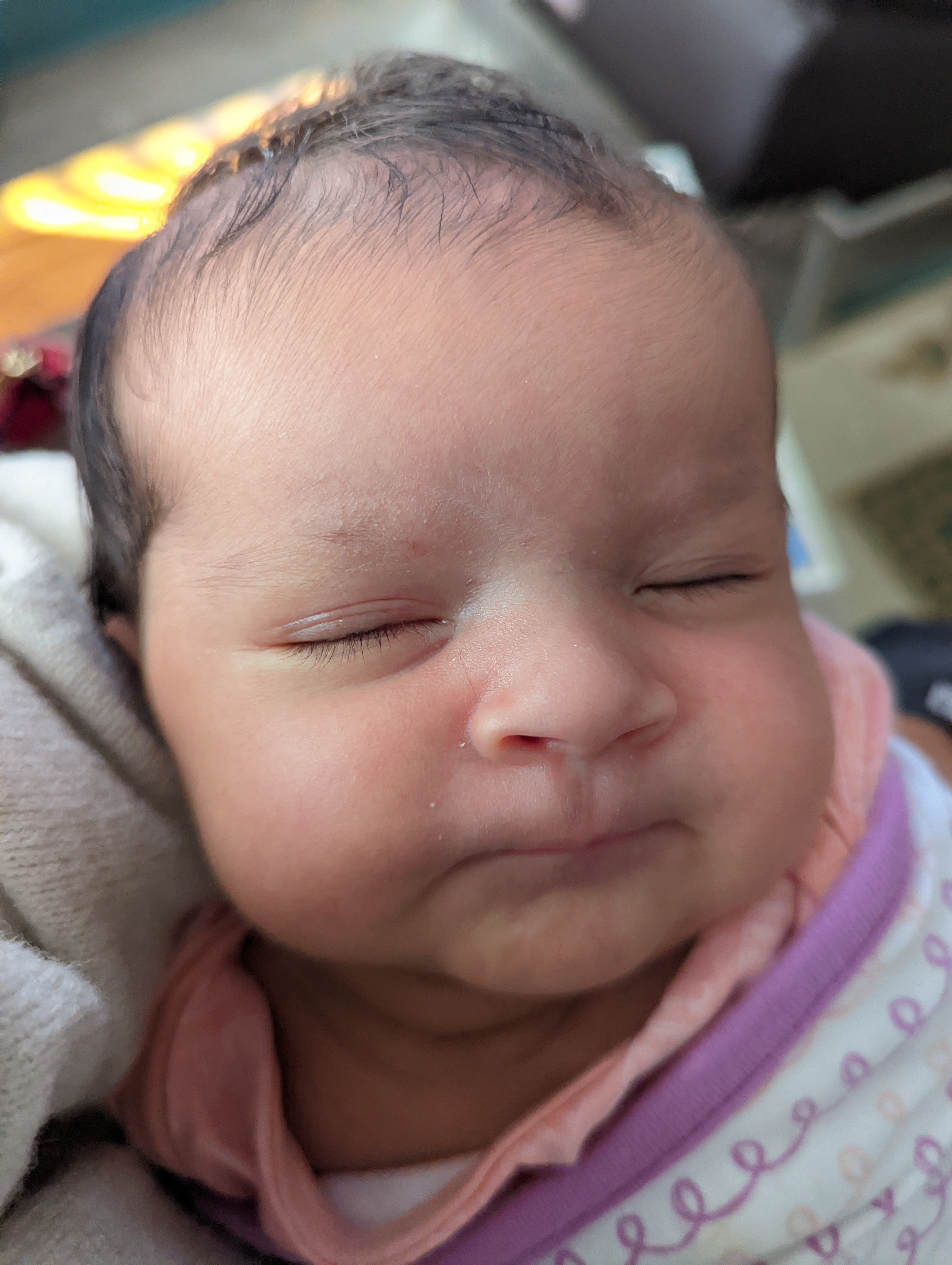
As of right now, it is very unlikely that Soor Gul’s children will ever attend any form of preschool. Like the other refugees in this report, he and his wife, Sarqas, do not know the available education options before first-grade. Although virtually all refugee parents with children up to age five will meet the income-based eligibility requirements for Head Start services, these families do not know about Head Start and refugee resettlement agencies are not responsible for helping refugees enroll their young children in programs.
Even Soor Gul’s oldest children, seven-year-old twins Naila and Nabila are not enrolled in school, despite having been in Tucson for months. Connie Phillips, CEO and president of the Lutheran Social Services of the Southwest, states that school enrollment simply has not been a priority, given the lack of resources and capacity the organization faces. While the Lutheran Social Services of the Southwest has been resettling refugees since 1975, the Trump administration immigration policy, COVID-19 pandemic, and housing crisis have completely changed the conditions of resettlement. The Trump administration devastated the resettlement system: the number of refugees admitted to the United States dropped by 86 percent from 2016 to 2020. Because of the sharp decline of arrivals, the agency decreased its staff, lost relationships with partners and local organizations, and dealt with budget cuts: “we just didn’t really have … our processes in place.” On top of this, the nationwide housing crisis requires many arriving refugees to stay temporarily in hotels or Airbnb, often moving more than once. Case workers delay enrolling children in school until they’re in permanent housing without a clear idea of when permanent housing will become available.
As a result, refugee children are isolated with their families rather than making new friends or learning English and other school subjects. Moreover, these children must negotiate their trauma and their parents' trauma alone. The violent deaths of family members are not an exception, but a common fact for many Afghan refugees, who will soon be, if they aren’t already, a significant part of communities across the United States. Soor Gul presented a picture of his brother, murdered one month after Soor Gul boarded a U.S. plane. His brother was targeted because of Soor Gul's escape to the United States. He showed a photograph of another brother, whose face is deformed by a Taliban member’s bullet. Next, a picture of two brothers in military clothes, who have also been killed by the Taliban. He says nothing about guilt or grief—just a visual catalog of his losses. Soor Gul explained that he never imagined that the United States could lose the war. He only learned of the imminent threat to his family’s lives when his U.S. superior commanded him to hand over the weapons to the Taliban. He was stupefied.
In addition to the many deaths of family members in Afghanistan, other Afghan families detailed family separation. Zahra Mohammed, whose husband stayed behind in order to take care of his parents, is now a single mother to her three-year-old daughter. Aziza Salehi, whose husband was too sick to escape with her, shared the grueling details of being at the overcrowded Kabul airport with eight children: one of her daughters fainted because they did not have any food for the three days they spent at the airport and a son unable to walk because his feet bled heavily after he lost his shoes in the dense crowd. A sympathetic man wrapped her son’s feet with papers and carried him for the rest of their time at the airport. Aziza has chronic back pain due to the arduous journey. Aziza counts every single day that has passed that she has been away from her husband. Still she expresses feeling both relief and good fortune—many people, especially elders and children, died in the airport. None of her five children under the age of 18 has been enrolled in school by a caseworker. The eldest three brothers, 18-, 19-, and 20-years-old, will all work to take care of the family.
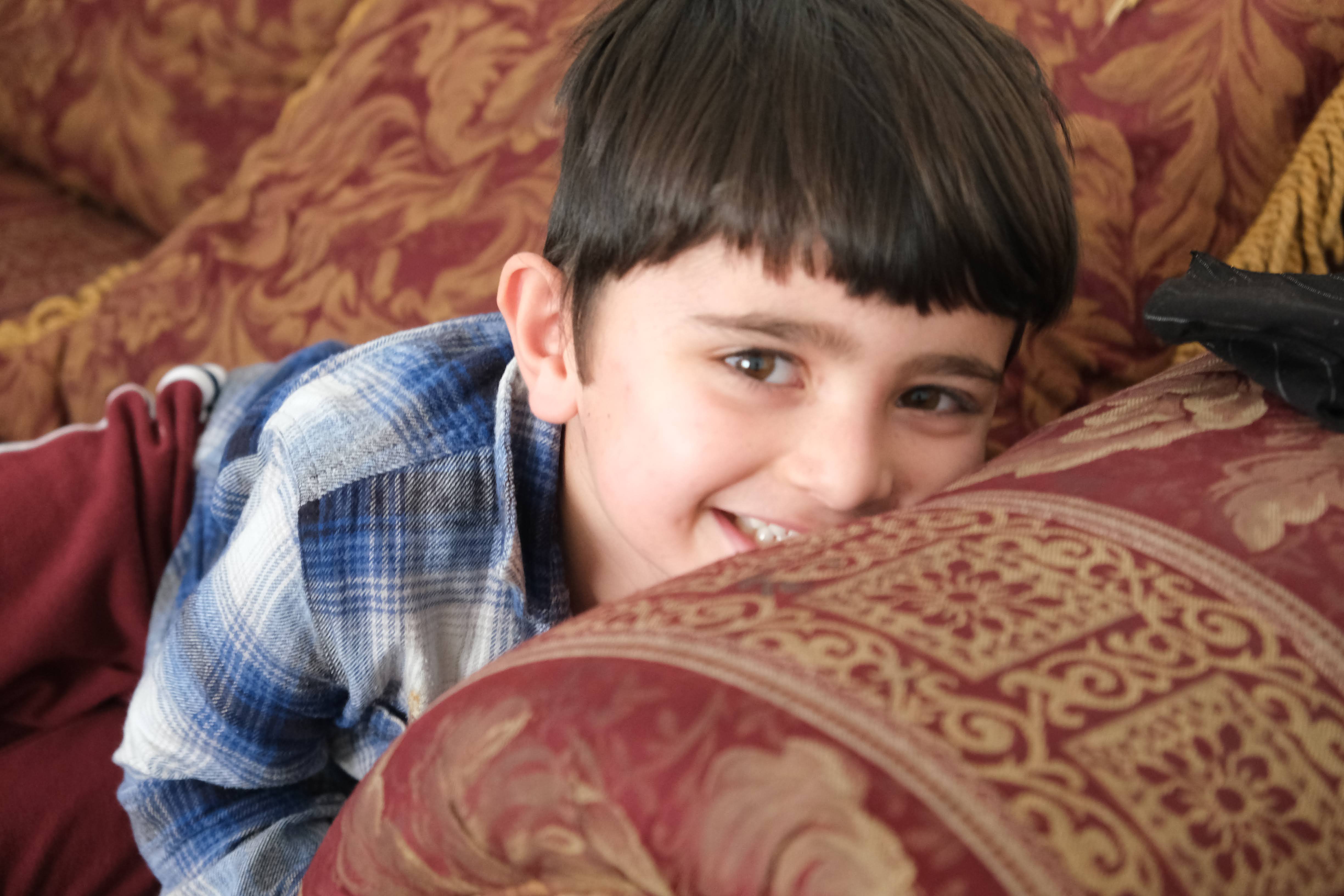
As the paper has discussed, the number of children in the United States who will have been subjected to such difficult conditions and whose parents are unable to provide them all they need to cope with it is growing. Failure to intervene in the children’s trauma and stress can harm their cognitive and socioemotional development. Along with Azizi’s and Soor Gul’s children, Joseph, Kingston, and Queen Elizabeth all deserve an equal chance to complete their education, which begins with the foundation of early learning and care. The very possibility of children of immigrants to attend college to become an engineer or public official is a very serious promise that the United States has made to children since its inception. The failure to uphold this promise undermines our democracy that depends on every voter to maintain its legitimacy. Whether children of immigrants—a population that is expected to be one-third of the U.S. child population by 2025—experience healthy development will profoundly affect their roles as future citizens, workers, and parents. Our investments signal our values and priorities, and our investments in the children of immigrants now will determine the stability of the U.S. culture, society, and economy for decades to come.
