
Table of Contents
The Changing Faces of the United States
The significance of the immigrant population in society cannot be overstated nor ignored as even at reduced levels, immigration made up a majority of population growth in 2021. This population includes lawful permanent residents, those with temporary visas, refugees and asylum seekers, and unauthorized immigrants. The immigrant population live myriad lives with disparate income, education, citizenship status, and English proficiency. While some immigrant parents are among the most educated people, others have low levels of education and work in sectors of the U.S. labor market relying on low-skilled workers, such as agriculture, service industries, and construction. They speak hundreds of languages, making sufficient translation and interpretation a challenge in every service.
States in the Southeast, Midwest, and West have all seen very rapid growth in their foreign-born populations. The population of young children of immigrants in North Carolina, Nebraska, and Arkansas grew 270 percent, 269 percent, and 244 percent, respectively, between 1990 and 2000. The dispersal of immigrant families across the country means that issues related to their health, well-being, education, and integration are new to many communities. This means that newer destination states might not have the necessary infrastructure to support these children and their families. For example, between 2016–18, internal migration may have played a role in the rise in children’s uninsured rates as immigrant families relocate from top destination states like California and New York to the Southeast and Midwest states. Additionally, states’ social and political views on immigration can affect immigrant families’ use of public programs. For instance, immigrant families in states with more generous public policies for immigrants were more likely to use Head Start and public pre-kindergarten than parental care.
The Young Children of Immigrants
The United States has become the first high-income country in the world with a majority-minority child population. From 2006 to 2019, the share of children of immigrants increased from 22 to 25 percent of the total child population, and by 2025, children of immigrants are expected to represent nearly one-third of the U.S. child population. Almost all—94 percent—of young children of immigrants are U.S.-born, and most live in mixed-status families with one or more noncitizen parents; 29 percent of young children of immigrants have undocumented parents. Latinx and Asian Americans and Pacific Islanders predominated among the country’s immigrant parents of young children, 50 and 26 percent respectively, between 2014–18. And a majority—60 percent—of children of immigrants live in six states that are traditional immigrant destinations (California, New York, New Jersey, Florida, Illinois, and Texas).
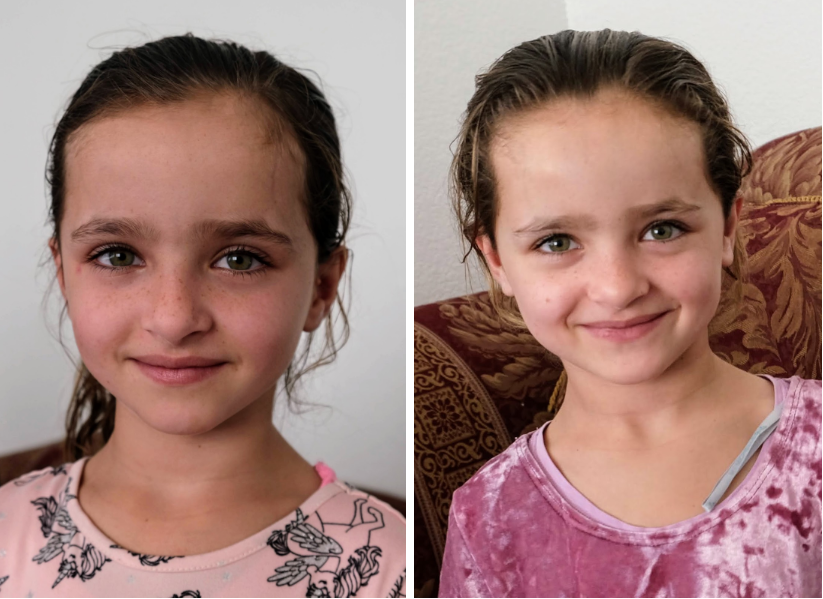
This report prioritizes the majority of children of immigrants. They grow up in particularly vulnerable circumstances, facing disproportionately high rates of poverty, low parental education, linguistic isolation, and especially exposed in the wake of the COVID-19 pandemic—all factors associated with low performance in school. Their exposure to these obstacles results from experiences of war, genocide, climate crisis, gang violence, and/or other external circumstances that pushed them out of their homeland and the structural inequalities in the United States. In other words, the challenges immigrant families experience are not personal barriers. As a result, promoting the wellbeing of children of immigrants requires systematic changes rather than demanding immigrant families to overcome hardships on their own.