A Chapter of: Army Logistics in the Pacific
Recommendations to Sustain Logistical Operations to 2035 and Beyond
As we evaluate the Army's logistical challenges in the Pacific, it is evident that we need to take swift action. We must update our doctrine, policies, and training to modernize the Army’s force and equipment efficiently. We must emphasize predictive logistics and data analytics to enable logistics operations to run more smoothly, effectively, and profitably. The Army must increase sustainment operations in multinational exercises and wargame scenarios to better prepare for sustainment in a contested environment, particularly in the Pacific. Furthermore, it is essential to prioritize contract equipment and maintenance. Leaders must comprehend contract capabilities, personnel, and equipment and how to sustain them. We will require congressional support to secure these necessary resources to run the Army effectively.
Addressing Contested Logistics
The Army can take several steps to prepare for the challenges of contested logistics in the Pacific; there is time to respond.
- Threat Analysis and Intelligence: Conduct thorough threat analysis and intelligence gathering to identify potential adversaries, their capabilities, and their likely targets. This information will inform the development of specific countermeasures and mitigation strategies.
- Redundant Supply Chains: Establish multiple supply lines and transportation routes to reduce reliance on vulnerable assets. Diversify supply chains to increase flexibility and ensure the availability of critical resources, even if one route is compromised.
- Infrastructure Hardening: Enhance the protection of critical logistics infrastructure, including ports, airfields, and communication networks. Implement physical security measures, cybersecurity protocols, and redundancy systems to safeguard these assets from attacks.
- Force Protection Measures: Implement robust force protection measures to mitigate vulnerabilities during logistics operations. This includes convoy security, enhanced situational awareness, and the deployment of countermeasures against threats such as ambushes or improvised explosive devices (IEDs).
- Prepositioned Stocks: Strategically preposition stocks of critical supplies, equipment, and spare parts in various locations across the Pacific Theater. These stocks serve as reserves, ensuring rapid access to essential resources even in contested environments.
- Flexibility and Adaptability: Develop flexible logistics plans and contingency strategies that quickly adapt to changing circumstances. Establish alternative supply routes, identify backup communication systems, and maintain adaptable logistics support structures.
- Offensive Counter-Logistics: Employ offensive measures to disrupt and target the adversary’s logistics operations. This may involve interdicting their supply convoys, turning off their communication networks, or targeting their critical infrastructure to effectively undermine their ability to contest logistics.
- Multinational Coordination: Strengthen coordination and interoperability with allied forces and partner nations in the Pacific. Conduct joint exercises, share intelligence, and harmonize logistics procedures to enhance collective capabilities and responses.
- Continuous Training and Exercises: Conduct realistic training exercises that simulate contested logistics scenarios to test response capabilities, validate plans, and identify areas for improvement. This ensures that personnel are prepared and well-trained to operate in challenging environments.
- Technological Innovation: Embrace emerging technologies such as advanced data analytics, artificial intelligence, and unmanned systems to enhance logistics efficiency and resilience. These technologies can provide real-time situational awareness, predictive maintenance capabilities, and improved decision-making support.
By implementing these measures, the Army can better prepare for contested logistics in the Pacific, mitigate the potential consequences, and maintain operational readiness and effectiveness even in challenging and hostile environments.
Action Items: Contested Logistics
The Army must preposition stocks, establish hub sites, and partner with allies to deter contested logistics in this region.
- Strategically preposition critical supplies and equipment stocks to respond quickly to threats or contingencies.
- Establish hub sites in key locations that will facilitate the movement of troops and supplies, enabling the Army to respond rapidly to changing circumstances.
- Partner with allies in the region to provide additional logistical support and resources to help ensure that the Army can operate effectively in a contested environment.
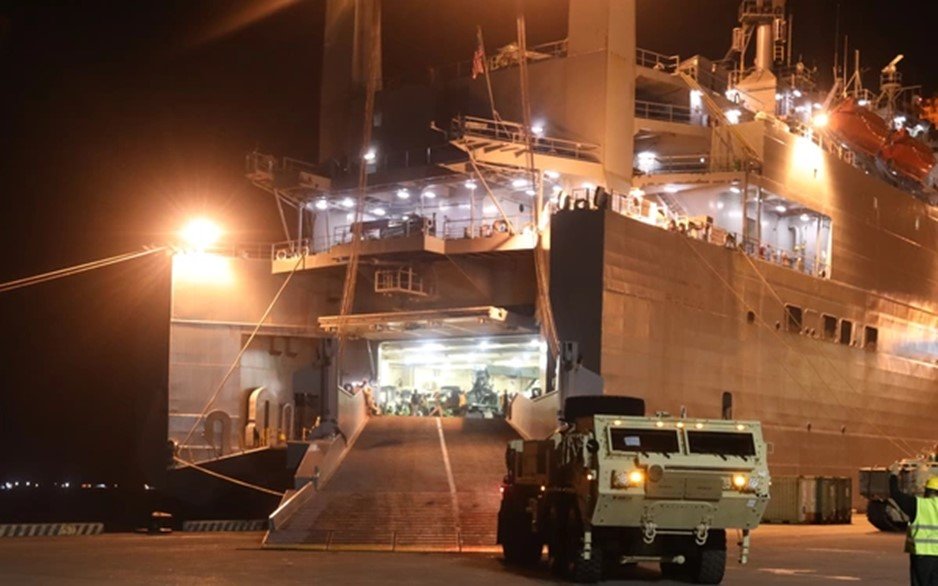
Master Sergeant Shelia Fourman/8th Theater Sustainment Command
Combating the Tyranny of Distance
Similarly, to prepare for the logistical challenges posed by the vast distances in the Pacific Theater, the Army could undertake several proactive measures:
- Comprehensive Logistics Planning: Develop comprehensive logistics plans that account for the unique requirements and challenges of vast distances in the Pacific. Consider factors such as transportation modes, supply chain management, storage facilities, and coordination with other services and partner nations.
- Forward Presence and Prepositioning: Establish forward logistics hubs and preposition stocks of critical supplies, equipment, and spare parts in strategic locations across the Pacific Theater. This reduces reliance on lengthy supply lines and enables more rapid response and sustainment capabilities.
- Enhanced Transportation Capabilities: Invest in advanced transportation assets, including watercraft capabilities, to facilitate the rapid movement of personnel, equipment, and supplies across vast distances in the Pacific. Maintain a mix of assets suitable for different operational scenarios.
- Agile Supply Chain Management: Develop agile supply chain management strategies to ensure timely delivery of supplies and resources to units deployed across the Pacific. This involves efficient inventory management, supplier coordination, and predictive analytics to anticipate demand and optimize distribution.
- Communication and Information Systems: Establish robust and resilient communication and information systems to facilitate real-time coordination and information sharing across the vast distances of the Pacific Theater. This ensures seamless logistics operations and enables efficient decision-making.
- Interoperability and Multinational Cooperation: Foster interoperability with allied forces and partner nations operating in the Pacific. Establish common standards, procedures, and communication protocols to facilitate joint logistics operations, resource sharing, and coordination.
- Training and Exercises: Conduct realistic training exercises that simulate logistics operations in the Pacific Theater. Practice coordination with joint forces, rehearse logistics support in remote and austere environments, and familiarize personnel with the challenges of operating over vast distances.
Nevertheless, intra-theater distribution is critical to success in the Pacific, and watercraft is essential to this mission. The Army must ensure the required level of support for its watercraft missions; it is necessary to undertake a severe inventory and maintenance program overhaul.
The Army must conduct a comprehensive study to determine the appropriate number of watercraft required for operational sustainability in dispersed areas, particularly in the Pacific. To achieve this, the Army must focus on three key lines of effort: implementing a codified watercraft strategy, modernizing watercraft systems, and modernizing watercraft units and personnel. These efforts will aid in transforming the Army's watercraft capability into a more modern and capable fleet by undertaking various measures such as unit inactivations, reorganizations, reallocation, and divestment. With these measures in place, the Army could streamline its systems if deemed necessary.
Action Items: Tyranny of Distance in the Pacific
To combat the vast distances in the Pacific and improve its supply chain and access to repair parts, the Army must establish a network of forward operating bases and logistics hubs.
- Invest in upgrading its watercraft fleet with newer, more efficient vessels better equipped to handle long distances and rough sea conditions. The modernization of Army watercraft could reduce the time and cost of intra-theater distribution.
- Position watercraft in certain areas in friendly waters and ports to minimize distances to travel when a crisis arises.
- Analyze the correct number of watercraft needed to sustain operations in dispersed and contested environments based on lessons learned and various Pacific scenarios.
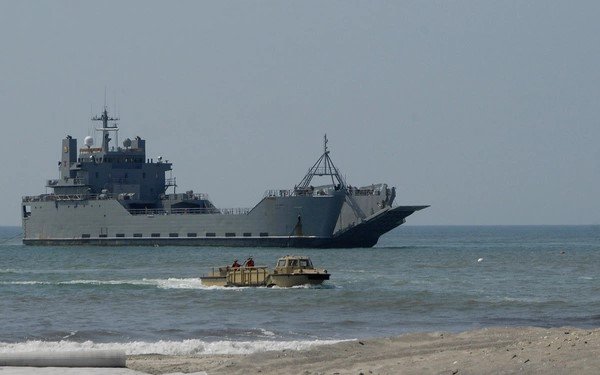
Petty Officer 2nd Class Christopher Hall/U.S. Navy
Fixing Issues with Modernization of Equipment
To prepare for the challenges associated with the modernization of equipment, the Army could take several steps:
- Cost and Budgetary Pressures: Establish thorough cost assessments as rigorous budget planning can help mitigate these challenges. Prioritize requirements, implement effective acquisition strategies, and promote transparency in procurement processes to contribute to better cost management.
- Technological Complexity: Implement comprehensive training programs to ensure operators and maintainers are proficient in using and maintaining the new equipment. Foster partnerships with industry and academic institutions to provide the logistics workforce with continuous training and professional development opportunities.
- Supply Chain Disruptions: Conduct thorough supply chain assessments to identify potential disruptions and plan for contingencies. Enhance coordination and information sharing between equipment manufacturers, logistics personnel, and suppliers to ensure smooth integration of new equipment and minimize disruptions.
- Interoperability Challenges: Foster interoperability through robust communication and collaboration mechanisms. Promote standardized interfaces, joint exercises, and information sharing to ensure effective coordination and seamless integration of modernized equipment across different units, services, and coalition partners.
- Legacy Systems and Equipment Sustainment: Develop a comprehensive sustainment plan that accounts for legacy systems, ensuring adequate resources, spare parts, and maintenance support. Prioritize sustainment efforts based on criticality and potential risks associated with aging equipment.
Action Items: Equipment Modernization
The Army can help sustain the modernization of its new equipment distribution and repair parts by implementing a comprehensive and efficient supply chain management system.
- Prioritize training and education for maintenance personnel to ensure they have the skills and knowledge to repair and maintain new equipment timely and effectively.
- Ensure new equipment has a sustainment support plan. This plan must include provisions for repairing equipment failures and an extended warranty to avoid unnecessary repair costs.
- Establish partnerships with manufacturers and suppliers to ensure newly fielded equipment is high quality and meets the organization's specific needs.
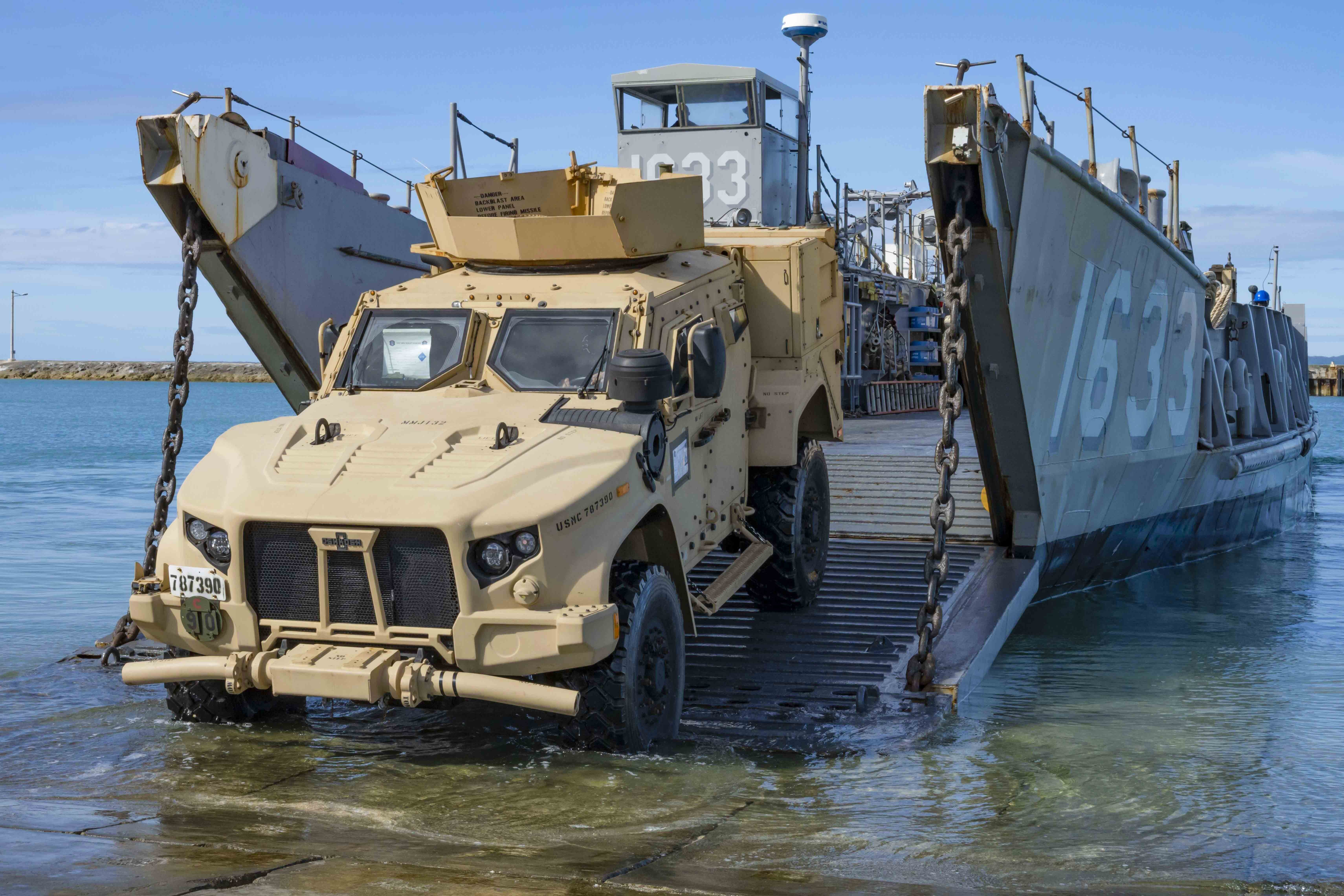
Petty Officer 1st Class David Krigbaum/U.S. Navy
Predictive Logistics
But more than these are needed; more efficient and effective logistics management becomes increasingly important as the Army evolves and modernizes. One key aspect of this is Predictive Logistics (PL), which involves using data to anticipate equipment needs and optimize the supply chain. To effectively manage this process, the Army must be able to store data both on and off-platform. According to an unpublished Combined Arms Sustainment report, “PL allows leaders to go from reactive sustainment to precision sustainment and is the Combined Arms Sustainment Command's primary modernization effort for 2023. PL focuses on Army 2030 execution while informing Army 2040.”7
However, based on the criticality and complexity of PL, there are dozens of stakeholders throughout the enterprise, including the Assistant Secretary of the Army (Acquisition, Logistics, and Technology), Army Materiel Command, Army Futures Command, Army Training and Doctrine Command, Department of the Army Headquarters, G-4, and others, to develop an overarching PL strategy to fully synchronize and operationalize current efforts to get to an end-state of decision dominance within the Army’s goals for 2030 and 2040.

As the Army expands its data storage capabilities, it is imperative to establish robust PL systems. PL is essential in supporting the Army's long-lead repair parts and maintenance upkeep requirements. With PL, the military can predict equipment failures and schedule maintenance in advance, guaranteeing that all necessary components are available when required. This leads to a significant reduction in downtime and a marked increase in overall equipment readiness. Furthermore, PL can optimize the Army's supply chain, lowering costs and ensuring that equipment is always available at the point of need.
Conversely, the Army must prepare for potential challenges by implementing PL with platform sensors. For a PL system to be effective, it must have access to a wide range of data sources and be able to analyze that data in real-time. Inaccurate sensor data could lead to incorrect predictions and delays in sustainment support. The Army must prioritize sensor quality and data reliability to overcome these challenges. This requires regular maintenance, calibration checks, and backup systems for continuous operation. Additionally, there are logistical challenges associated with implementing a PL system, such as training personnel and integrating the system into existing Army infrastructure.
Finally, data security and privacy must also be a top priority. Robust security protocols, encryption, and access controls are necessary to limit data access to authorized personnel. Regular security audits and assessments are also crucial. By taking these steps, the Army can improve its signal management capabilities and protect its data from unauthorized access and other security threats.
Action Items: Predictive Logistics
Having sound predictive logistics systems helps minimize downtime and significantly increases overall equipment readiness. The Army needs to prioritize this aspect of its operations.
- Ensure data is properly encrypted and protected, using secure servers and encryption software to protect sensitive information from prying eyes.
- Collect data necessary for their operations, avoid collecting unnecessary data points, and be selective about the types of information stored in their systems.
- Prioritize training and education for personnel to ensure they have the skills and knowledge necessary to maintain equipment effectively.
- “Regularly review and update security protocols, which involves conducting regular security audits, implementing new software updates, or investing in advanced security solutions that can help identify and prevent potential security threats or data breaches.”8
Citations
- Predictive Logistics (Washington, DC: U.S. Army Combined Arms Sustainment Command, n.d.).
- Hady Elhady, “Data Validation: What Is It, and Why Is It so Important?” Layer, April 4, 2023, https://blog.golayer.io/business/data-validation.