A Chapter of: Army Logistics in the Pacific
Scoping the Problem
The practice of logistics has been around since the earliest known standing Army of the Assyrians at about 700 B.C.4 Logistics has been a driving force behind the United States Army’s triumphs on the battlefield throughout history. From the American Revolution to modern-day conflicts, including the Civil War, Desert Storm, Afghanistan, and the ongoing conflict in Ukraine, the United States Army has demonstrated exceptional logistical capabilities that have shaped the outcomes of these wars.
In the American Revolution, the United States Army showcased its logistical prowess in sustaining the Continental Army and outmaneuvering the formidable British forces. Through effective supply chain management, transportation, and maintenance, the Continental Army overcame resource challenges and gained a strategic advantage.
During the Civil War, the United States Army witnessed a transition to more advanced logistics practices. Innovations such as railroads, telegraphs, and supply depots revolutionized logistical operations, enabling efficient troop movements, communication, and supply distribution. These advancements were pivotal in shaping the battlefield and influencing the war’s outcome.
The United States Army’s logistics excellence was further evident in Operation Desert Storm, where it executed a swift and successful military campaign against Iraq. Rapid deployment of multinational forces, coordinated supply chains, and efficient support systems were crucial factors that enabled the United States Army to achieve decisive victories on the battlefield.
In the challenging terrain of Afghanistan, the United States Army faced complex logistical obstacles. However, it sustained military operations and effectively supported troops in a dynamic and unpredictable environment through adaptive planning, innovative strategies, and efficient supply chain management.
Modern-day conflicts, such as the ongoing conflict in Ukraine, continue to test the logistical capabilities of the United States Army. The ability to coordinate multinational efforts, manage supply chains in volatile regions, and support troops in ever-changing circumstances demonstrates the Army’s commitment to logistical excellence in shaping the battlefield and contributing to overall mission success.
From the American Revolution to modern-day conflicts in Afghanistan and Ukraine, the Army’s ability to effectively manage resources, transport troops and supplies, and adapt to changing circumstances has been instrumental in securing victories. By continually refining and innovating its logistical practices, the United States Army maintains its position as a formidable force, ready to face the challenges of future conflicts.
“From the American Revolution to modern-day conflicts in Afghanistan and Ukraine, the Army’s ability to effectively manage resources, transport troops and supplies, and adapt to changing circumstances has been instrumental in securing victories.”
Recent events in Russia have shown that inadequate preparation, poor logistics, and unrealistic planning can all lead to a potential defeat on the battlefield. Examining the importance of logistics in Ukraine can provide the United States with valuable insights applicable to the Pacific region. While the conflicts and geopolitical dynamics may differ, overarching lessons can be learned.
- Multinational Coordination: The ongoing conflict in Ukraine involves various actors and requires coordination with multinational partners. The United States can draw lessons on establishing effective multinational logistics networks, including supply chain management, communication protocols, and interoperability with allied forces. These insights can be valuable in enhancing logistics coordination with Pacific allies and partners.
- Complex Terrain and Infrastructure Challenges: Ukraine’s diverse terrain, including urban areas and rugged landscapes, presents logistical complexities. The United States can apply the lessons learned in overcoming logistical challenges posed by complex environments, such as establishing efficient transportation networks and ensuring the adaptability of supply chains. These insights can inform logistics planning for operations in the Pacific region, which includes diverse landscapes and remote areas.
- Rapid Deployment and Sustainment: Ukraine’s conflict has involved the rapid deployment of forces and sustaining operations in a dynamic and evolving environment. Understanding the logistics strategies employed in Ukraine, such as prepositioning of equipment and supplies, agile supply chain management, and flexible support systems, can provide the United States with valuable insights for quick response and sustained operations in the Pacific.
- Adaptability and Resilience: The conflict in Ukraine has witnessed constant changes and unforeseen circumstances. The United States can learn from the adaptability and resilience of logistics operations in Ukraine, including improvisation in the face of resource constraints, innovative use of technology, and the ability to respond to evolving threats. These insights can help enhance the adaptability and resiliency of logistics capabilities in the Pacific region.
- Information Sharing and Intelligence: Ukraine’s conflict underscores the importance of timely and accurate information sharing for effective logistics operations. The United States can glean insights into information-sharing mechanisms, intelligence gathering, and communication networks employed in Ukraine.
Applying these lessons can improve situational awareness, support decision-making processes, and enhance logistics effectiveness in the Pacific. By analyzing the importance of logistics in Ukraine, the United States can gain valuable insights that inform the development of logistics strategies, capabilities, and coordination specific to the Pacific region. Understanding the challenges, successes, and innovations observed in Ukraine’s conflict can improve readiness, efficiency, and effectiveness in supporting military operations in the Pacific Theater.
While there are valuable insights to be gained from logistics lessons learned in Ukraine, it’s essential to acknowledge that not all aspects may directly apply to a Pacific Theater situation.
Here are a few factors that may influence the applicability of lessons learned:
- Geopolitical and Operational Context: Ukraine's geopolitical dynamics and operational environment differ significantly from the Pacific Theater. The specific challenges, terrain, infrastructure, and logistics networks in the Pacific may require tailored solutions and approaches that may not directly align with those employed in Ukraine.
- Operational Scale and Scope: The scale and scope of operations in Ukraine may differ from those in the Pacific. The Pacific Theater involves a vast area with diverse environments and potential operational scenarios. Logistics operations must consider the unique challenges of long distances, remote areas, and potentially dispersed operations, requiring specific logistical adaptations.
- Regional Alliances and Infrastructure: The Pacific Theater involves various regional alliances and existing infrastructure that may necessitate different logistical approaches. Existing partnerships, basing agreements, and established infrastructure networks can impact logistics planning and execution, requiring tailored solutions specific to the Pacific region.
- Threat Environment and Force Posture: The threat environment and force posture in the Pacific Theater may differ from Ukraine. The specific nature of potential adversaries, their capabilities, and the strategic objectives in the Pacific can influence logistics considerations, including force protection, resilience, and adaptability.
While lessons from Ukraine can offer valuable insights, it is crucial to contextualize and adapt them to the unique challenges, requirements, and dynamics of the Pacific Theater. The United States must consider the specific regional factors, operational objectives, and potential partnerships to effectively tailor logistics strategies and capabilities to support military operations in the Pacific.
To enable successful operations against future adversaries in the Pacific region, the Army must better prepare for the three challenges that inherently accompany logistics in this region: contested logistics, tyranny of distance, and modernization of equipment.
Contested Logistics
Staff Sergeant Luis Nieves/331st Transportation Company
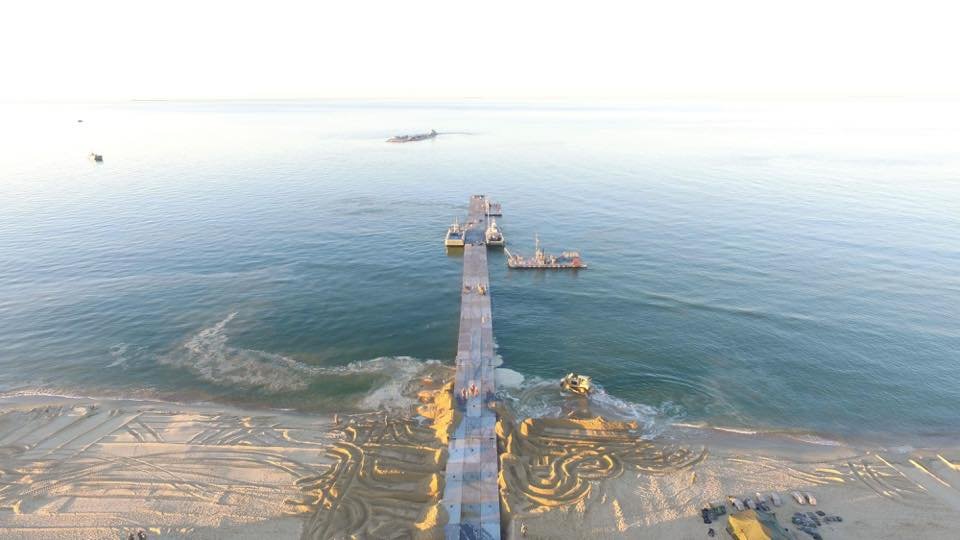
In the Pacific, logisticians at all levels must have the freedom of action to operate autonomously in a contested environment to maintain a strategic advantage. Today, Army forces can expect to deploy anywhere in the world with threats from adversaries. Consequently, contested logistics pose significant challenges to U.S. military operations. The Army’s role in this endeavor is crucial and cannot be understated.
As the Army navigates the logistics environment, they face numerous challenges that require careful consideration. The Army must confront increased threats to supply chains, limited mobility, and the need to operate in austere environments. Contested logistics in the Pacific could mean adversaries actively target and disrupt logistics operations, aiming to impede the movement of personnel, equipment, and supplies for the United States Army, its allies, and other services. There are impacts to contested logistics, including targeted assets and tactical and strategic consequences.
Targeted Assets
Adversaries could target various logistics assets, including:
- Supply convoys: Attack or interdiction of ground-based transportation routes, disrupting the flow of supplies.
- Ports and airfields: Attempt to disable or deny access to critical transportation hubs for deployment and sustainment.
- Communication networks: Disrupt communication systems and infrastructure that supports logistics coordination and information sharing.
- Fuel and ammunition depots: Destruct or sabotage of storage facilities to limit the availability of critical resources.
- Maritime and aerial supply lines: Interfere with sea and air transportation routes, hindering the delivery of supplies and reinforcements.
Tactical Consequences
- Disrupted supply chains: Delays or shortages in critical supplies impact the readiness and effectiveness of forces on the ground.
- Reduced mobility: Restrictions on the movement of troops and equipment limit operational flexibility and response capabilities.
- Increased vulnerability: If resupply and reinforcement efforts are hampered, troops and equipment may become more exposed to enemy attacks.
- Impacted sustainment operations: Provision of medical support, maintenance services, and other essential sustainment functions are more difficult.
Strategic Consequences
- Degraded operational tempo: Disrupted logistics operations can slow the pace of military operations, affecting the overall campaign timeline and objectives.
- Diminished force projection: Limitations on the ability to rapidly deploy forces and sustain operations potentially reduce deterrence and combat effectiveness.
- Impaired alliance coordination: Disrupted logistics can strain coordination and interoperability with allied forces and impact the cohesion and effectiveness of joint operations.
- Increased risks to force posture: Troops and equipment may be more exposed to threats due to limited resources and diminished force protection capabilities.
Contested logistics in the Pacific present significant challenges that require comprehensive planning, coordination, and resource allocation. Addressing vulnerabilities and implementing strategies to mitigate disruptions are essential to maintaining operational readiness and sustaining military effectiveness in the face of such challenges.
Tyranny of Distance
Major Matthew Devivo/113th Sustainment Brigade
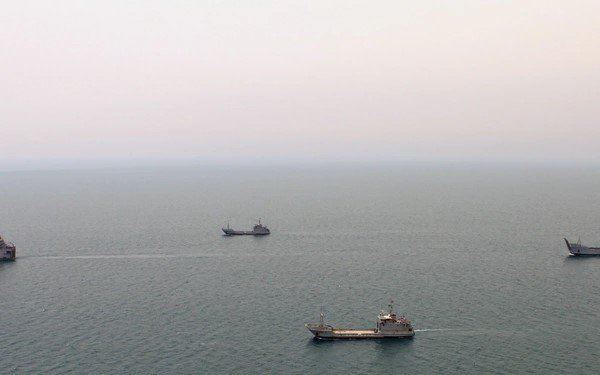
As we consider the logistics challenges in the Pacific, another challenge that stands out is the tyranny of distance. This term refers to the logistical challenges posed by the vast distances in the Pacific Theater, where operations and distribution efforts span across significant distances between bases, theaters, and strategic locations. The vast expanse of the Pacific Ocean and the remote nature of many islands and territories create unique logistical complexities.
Logistics Challenges
Logistics challenges generally associated with the tyranny of distance include:
- Extended supply lines: The extensive distances in the Pacific Theater require transporting personnel, equipment, and supplies over long and often vulnerable supply lines, resulting in increased logistical requirements and potential vulnerabilities.5
- Time-sensitive operations: The prolonged transit times and distances impact operational planning and response times, making it crucial to ensure timely delivery of critical supplies and resources.
- Limited infrastructure: Some areas in the Pacific lack well-developed infrastructure, including ports, airfields, and transportation networks, requiring additional efforts to establish and maintain logistical capabilities.
Remote Island Operations
The logistical challenges associated with these remote island operations include:
- Supply and sustainment: The procurement and transportation of supplies, such as food, water, fuel, and ammunition, becomes more complex due to the extended distances and limited local sources. Ensuring regular resupply and sustainment operations is essential to support the forces deployed on the island.
- Maintenance and repair: The remote location can hinder the availability of repair facilities and logistical support for equipment maintenance. Effective logistical planning and coordination are crucial to ensure timely repairs, minimize downtime, and sustain operational readiness.
- Personnel rotation: Long distances and extended transit times make personnel rotations and relief efforts more logistically demanding. Ensuring seamless personnel rotation while maintaining operational continuity requires careful coordination of transportation and logistical resources with all Services and allies.
Impact on Military Effectiveness
The logistical challenges resulting from the tyranny of distance in the Pacific Theater matter due to their direct impact on military effectiveness and operational capabilities. These include:
- Operational readiness: Effective logistics are essential to maintain operational readiness by providing timely access to supplies, fuel, equipment, and personnel support.
- Force projection: The ability to project military power across vast distances depends on efficient logistics. Inadequate logistics can hinder the rapid deployment of forces and the support required for sustained operations.
- Resilience and adaptability: Robust logistics capabilities enable forces to adapt to changing operational conditions, respond to unforeseen events, and overcome logistical obstacles, enhancing overall mission effectiveness.
Addressing the logistics challenges posed by the tyranny of distance in the Pacific requires comprehensive planning, resource allocation, and innovative approaches to sustainment, transportation, and coordination. By ensuring efficient and resilient logistics networks, military forces and allies can overcome these challenges and maintain operational readiness across the vast expanse of the Pacific Theater.
Aerial Delivery
Aerial delivery is a critical function in the Pacific to negate the tyranny of distance due to several key reasons.
First, aerial delivery enables the Army to respond swiftly to emerging situations or operational requirements in remote locations. By leveraging aircraft, such as cargo planes or helicopters, they can rapidly transport personnel, equipment, and supplies, ensuring timely support to forces on the ground.
Second, the Pacific region encompasses vast expanses of ocean and numerous remote islands. Aerial delivery provides the means to reach these remote areas efficiently. It ensures that troops in remote outposts or forward operating bases receive the necessary resources and reinforcements, overcoming the logistical challenges of long distances and limited ground infrastructure.
Third, aerial delivery offers the Army flexibility and agility in deploying assets and adjusting operational priorities. It allows for the rapid movement of forces and equipment to different areas as needed, adapting to changing battlefield dynamics or emerging threats. This flexibility is essential in the Pacific, where strategic priorities may shift across diverse operational theaters.
Fourth, aerial delivery is a critical method for logistical resupply, replenishing troops with essential items such as food, water, ammunition, medical supplies, and spare parts. By utilizing aerial platforms, the Army can ensure a continuous logistics flow even in challenging or contested environments, supporting sustained combat operations.
Fifth, aerial delivery enhances operational maneuverability by providing the ability to shift forces or conduct airborne operations rapidly. It enables the Army to conduct air assaults, airborne insertions, or aerial reconnaissance, expanding their operational reach and maintaining high mobility in the Pacific region.
Finally, aerial delivery capabilities are vital for humanitarian assistance and disaster relief operations in the Pacific. In response to natural disasters or humanitarian crises, the Army can utilize aerial assets to transport emergency aid, rescue personnel, and deploy medical teams and relief supplies to affected areas quickly and efficiently.
Overall, aerial delivery by the Army in the Pacific helps overcome the tyranny of distance by ensuring timely response, reaching remote areas, providing flexibility and agility, supporting logistical resupply, enhancing maneuverability, and facilitating humanitarian operations. It is a critical enabler for effective military operations in the Pacific Theater.
Intra-Theater Lift Improvement
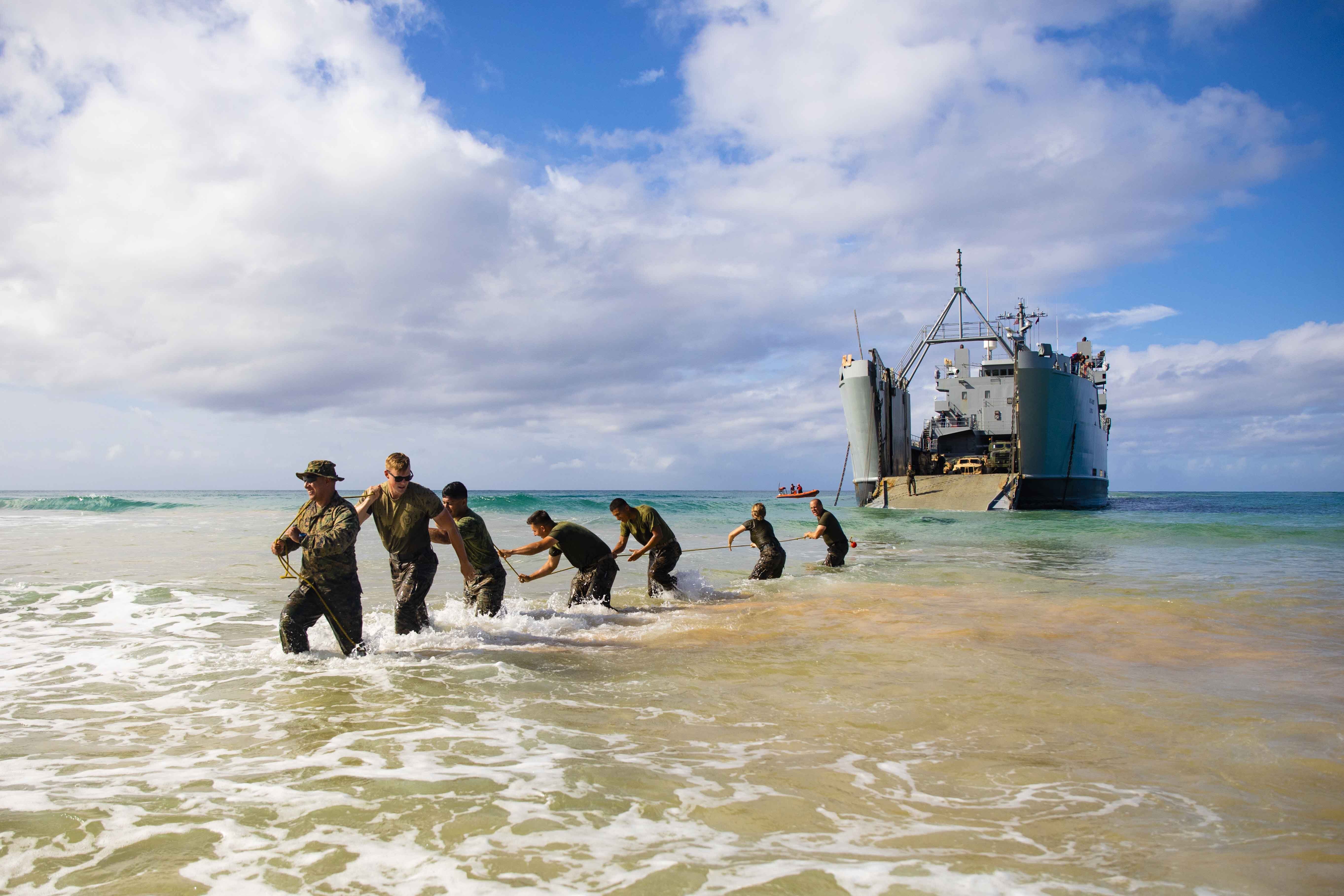
To further improve distribution in the Pacific, the Army must invest in its intra-theater lift capabilities, especially regarding its watercraft fleet. This is particularly vital in the Pacific Theater, where water is abundant and speed is crucial to efficiently transport supplies to where they're needed most. The 7th Transportation Brigade has conducted a thorough analysis of the risks associated with supplying and sustaining operations in the Pacific, and one of the key takeaways was the vital importance of watercraft operations. However, at a recent point in time, the readiness rate for the Army’s watercraft fleet was reported around 37 percent. The decline in Army watercraft readiness will significantly impact Pacific operations and distribution. Potential consequences include limited mobility, supply chain disruptions, force projection impacts, compromised operational flexibility, and increased operational risk.
Army watercraft provide mobility and logistical support in amphibious and riverine operations. A decrease in readiness means a reduced number of operational watercraft, resulting in limited capabilities to transport personnel, equipment, and supplies. This can hinder the Army’s ability to rapidly deploy forces, conduct amphibious assaults, and maneuver effectively in Pacific theaters.
Watercraft are also crucial for transporting critical supplies such as ammunition, fuel, and rations to troops in the field. With reduced readiness, the distribution of supplies becomes constrained, potentially causing disruptions in the supply chain. This can result in delayed resupply, inadequate support for forward operating bases, and a strain on the sustainment of military operations.
The Pacific region often requires power projection capabilities to maintain deterrence and respond to emerging threats. Army watercraft are essential for enabling force projection by transporting heavy equipment, vehicles, and troops to remote locations. Lower readiness levels can limit the Army’s ability to rapidly project forces, conduct joint operations, and provide critical support to other military branches. A decrease in the readiness of Army watercraft can limit the ability to operate across various operational environments, such as coastal areas, rivers, and inland waterways. This can hamper the Army’s flexibility in conducting combined arms operations, amphibious landings, and joint exercises with allied forces in the Pacific. Lower readiness levels of Army watercraft increase operational risk for personnel and equipment. A decline in maintenance, training, and readiness standards can potentially lead to accidents, mechanical failures, and safety issues during maritime operations. These risks can impact the safety and effectiveness of military operations in the Pacific region.
Addressing the readiness challenges and improving the condition of Army watercraft is crucial to ensure the Army’s operational effectiveness, sustainment capabilities, and force projection in the Pacific Theater. By investing in maintenance, training, and resources, the Army can mitigate the impacts and restore the necessary readiness levels to support operations and distribution effectively in the region.
“Army Watercrafts are essential for the Army's sustainment operations in the region, as they are this unique, often overlooked capability that expands movement and maneuver within the littorals and enables the joint force to operate through fixed, degraded, and austere ports allowing for transporting personnel, equipment, and supplies across waterways, especially when providing support for remote locations and vast distances between islands,” writes Major General David Wilson.6 Our Army cannot function without watercraft, however, the Army's transformation plan proposes reducing the number from 134 systems to 74. While this restructuring may be necessary, it certainly raises some concerns about whether 74 watercraft will be enough to support logistics operations during a high-intensity conflict. The Army must conduct a study to determine the correct number of watercraft needed to sustain logistics during multi-domain operations.
Modernization of Equipment
Navy Petty Officer 3rd Class Marcus Henley/Department of Defense
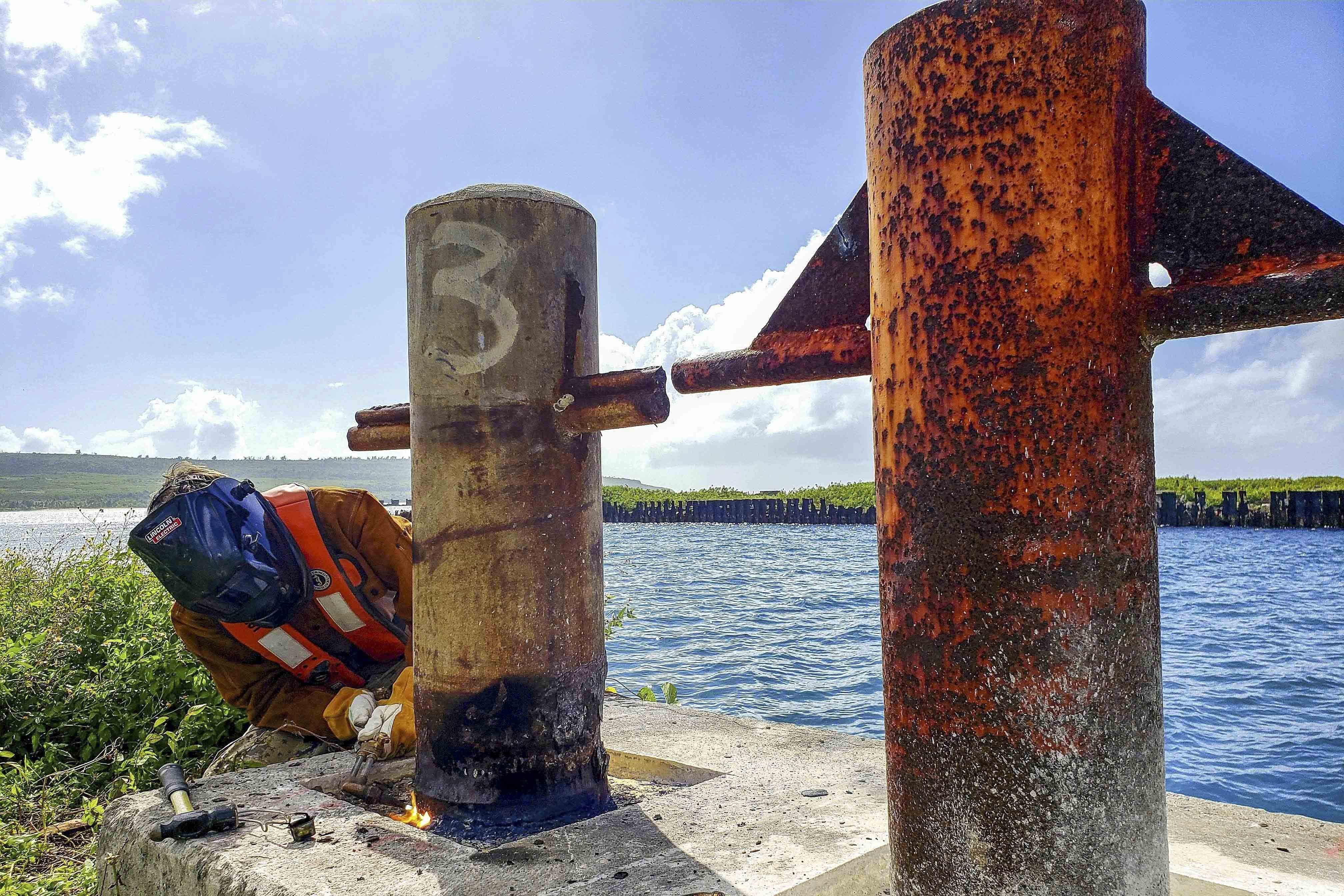
The Army’s approach focuses on addressing the immediate challenges of today’s fight while also undertaking modernization efforts to prepare for the future battlefield in 2040. This approach recognizes the need to maintain readiness and effectiveness in current operations while simultaneously adapting to emerging threats and technological advancements. The Army's modernization efforts have undeniably yielded positive results, granting them unparalleled access to remote areas and the ability to travel longer distances, crucial in the vast expanse of the Pacific. However, while the modernization of Army equipment brings numerous benefits, some negative consequences can be associated with the process. It’s important to acknowledge these challenges and implement measures to address them.
Here are a few examples of adverse effects:
- Cost and Budgetary Pressures: Modernization efforts often require substantial investments, which can strain defense budgets and lead to cost overruns.
- Technological Complexity: Modernized equipment can become technologically complex, requiring specialized training and increased maintenance expertise. This can create challenges regarding manpower, skill gaps, and maintenance burden.
- Supply Chain Disruptions: The introduction of new equipment into the supply chain can disrupt existing logistics processes such as inventory management, spare parts availability, and supply chain coordination.
- Interoperability Challenges: Modernization efforts across different services and international partners can lead to interoperability challenges due to varying equipment capabilities, communication systems, and operational doctrines.
- Legacy Systems and Equipment Sustainment: As modernization efforts focus on introducing new equipment, there can be challenges in sustaining and maintaining older or legacy systems.
The Army must focus on equipment sustainment and supply chain management as it continues its modernization efforts. The Army Futures Command recently established a Cross-Functional Team (CFT) for sustainment to focus on logistics challenges. CFTs must partner with manufacturers and suppliers to ensure that new equipment meets the organization's rigorous standards and specifications and that the Army has a reliable, sustainable supply source. CFT's function is critical in newly fielded equipment. Before introducing new equipment, the team must consider two factors: soldiers' ability to sustain the equipment and the equipment failure rate. This approach guarantees that soldiers can access the tools needed to maintain the equipment while minimizing the risk of equipment breakdowns.
For example, fielding the non-standard Joint Light Tactical Vehicle posed sustainment challenges as there was no demand history for this equipment because it’s yet to be considered an Army Program of Record. This indicates little to no historical data or previous information regarding the equipment’s usage or performance. This lack of demand history can have several implications:
- Uncertainty in Resource Planning: Without historical data on equipment demand, it becomes challenging to accurately forecast and plan for the required resources, such as spare parts, maintenance personnel, and logistical support. This uncertainty can lead to inefficiencies in resource allocation and potential gaps in sustainment capabilities.
- Difficulties in Inventory Management: Lack of demand history makes it difficult to determine optimal inventory levels for the equipment. Without data on usage patterns or maintenance requirements, it becomes challenging to establish appropriate stock levels, potentially resulting in excess inventory or shortages.
- Limited Basis for Performance Evaluation: In the absence of demand history it becomes challenging to evaluate the equipment’s performance, reliability, and suitability for specific operational requirements. This lack of data hinders the ability to assess whether the equipment meets operational needs effectively.
- Impediment to Decision-Making: The absence of demand history may limit the ability to make informed decisions regarding the equipment’s lifecycle management, replacement, or upgrade. Historical usage data is essential for evaluating the equipment’s lifespan, determining the optimal timing for replacements or upgrades, and allocating resources accordingly.
As a result, organizations can experience prolonged repair lead time and increased maintenance costs, especially after the warranty expiration of the contracted maintenance. By proactively addressing the lack of demand history, the Army can gain better insights into equipment utilization, performance, and maintenance needs, leading to more effective resource allocation, improved inventory management, and informed decision-making.
Citations
- Keith Beurskens, The Long Haul: Historical Case Studies of Sustainment in Large-Scale Combat Operations (Fort Leavenworth, KS: Army University Press, 2018).
- Major General David Wilson, “Army Sustainment Capabilities Instrumental to the Joint Force in the Indo-Pacific Region,” Joint Force Quarterly 108 (2023).
- Major General David Wilson, “Army Sustainment Capabilities Instrumental to the Joint Force in the Indo-Pacific Region,’’ Joint Force Quarterly 108 (2023).