Building the Foreclosure and Eviction Analysis Tool
The Foreclosure and Eviction Analysis Tool (FEAT) is an easy-to-use web application that ingests local eviction and foreclosure data and analyzes it to help local housing leaders understand where housing loss is most acute, when during the year housing loss is occurring, and who is most impacted.
Over the course of three years, New America, in partnership with data science organization DataKind and 14 cities and counties, built FEAT in stages. Starting with the development of a beta version of FEAT stored in a GitHub repository in 2021, the FEAT web application (www.featapp.org) was released in 2023.
To date, multiple city and county leaders, researchers, and community-based organizations have used FEAT to access housing loss data for the first time and to generate insights about evictions and foreclosures that helped them provide targeted rent assistance, stand up legal aid clinics, and otherwise develop data-driven interventions to improve local housing security.10
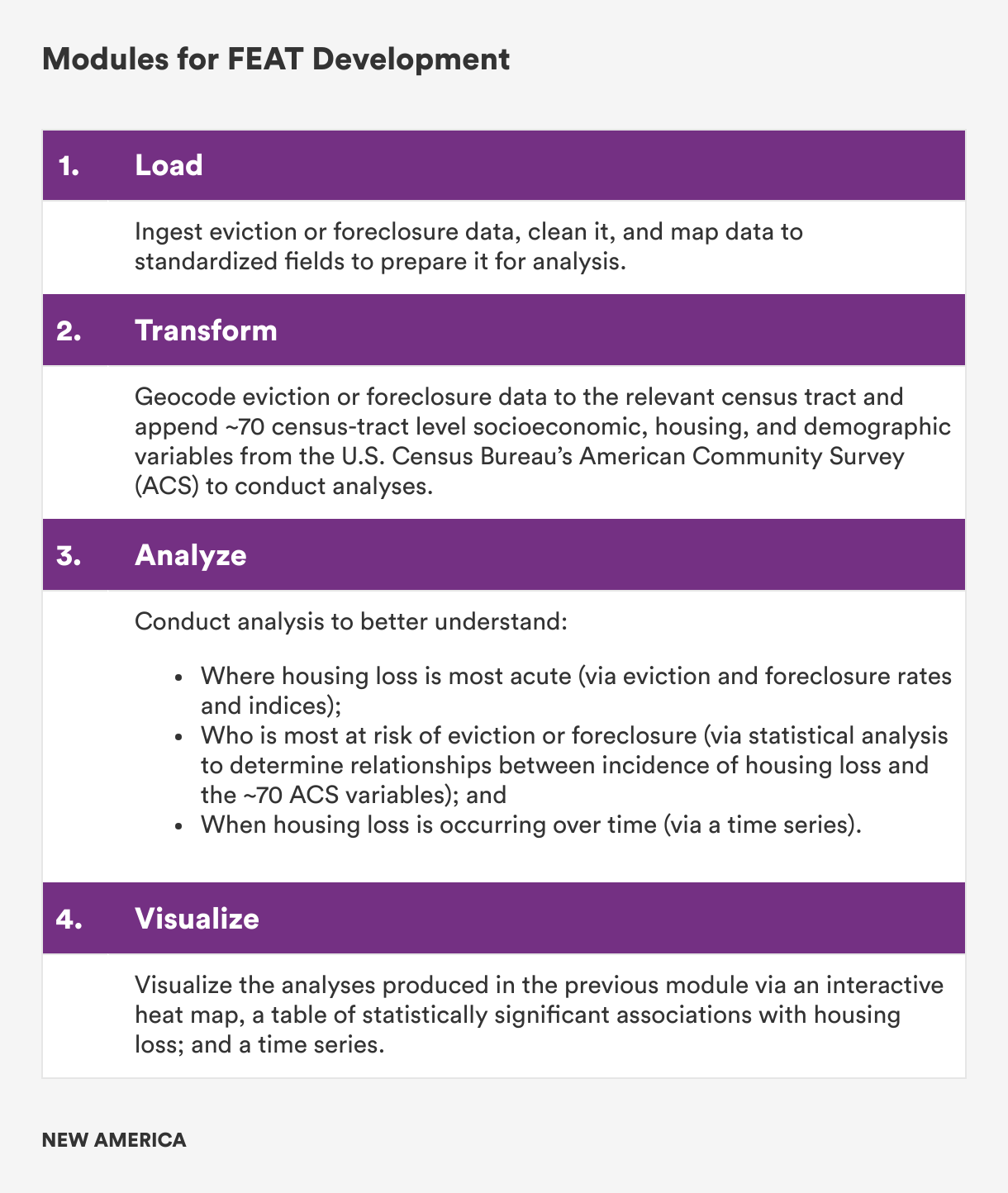
In 2021, New America’s Future of Land and Housing program and DataKind developed a beta version of FEAT, which was housed in a Github repository and could be downloaded and run on local court-generated eviction or foreclosure data using the programming language Python.
The tool was composed of four modules, shown below, each covering an important function in the data processing and analysis pipeline: “Load,” “Transform,” “Analyze,” and “Visualize.”
Partnering with Local Housing Leaders
To ensure FEAT’s development was informed by the needs and data capacities of local housing communities, we partnered with 14 cities and counties, or “partner sites,” across the United States. Partner sites helped test FEAT and provided feedback at various stages of development.
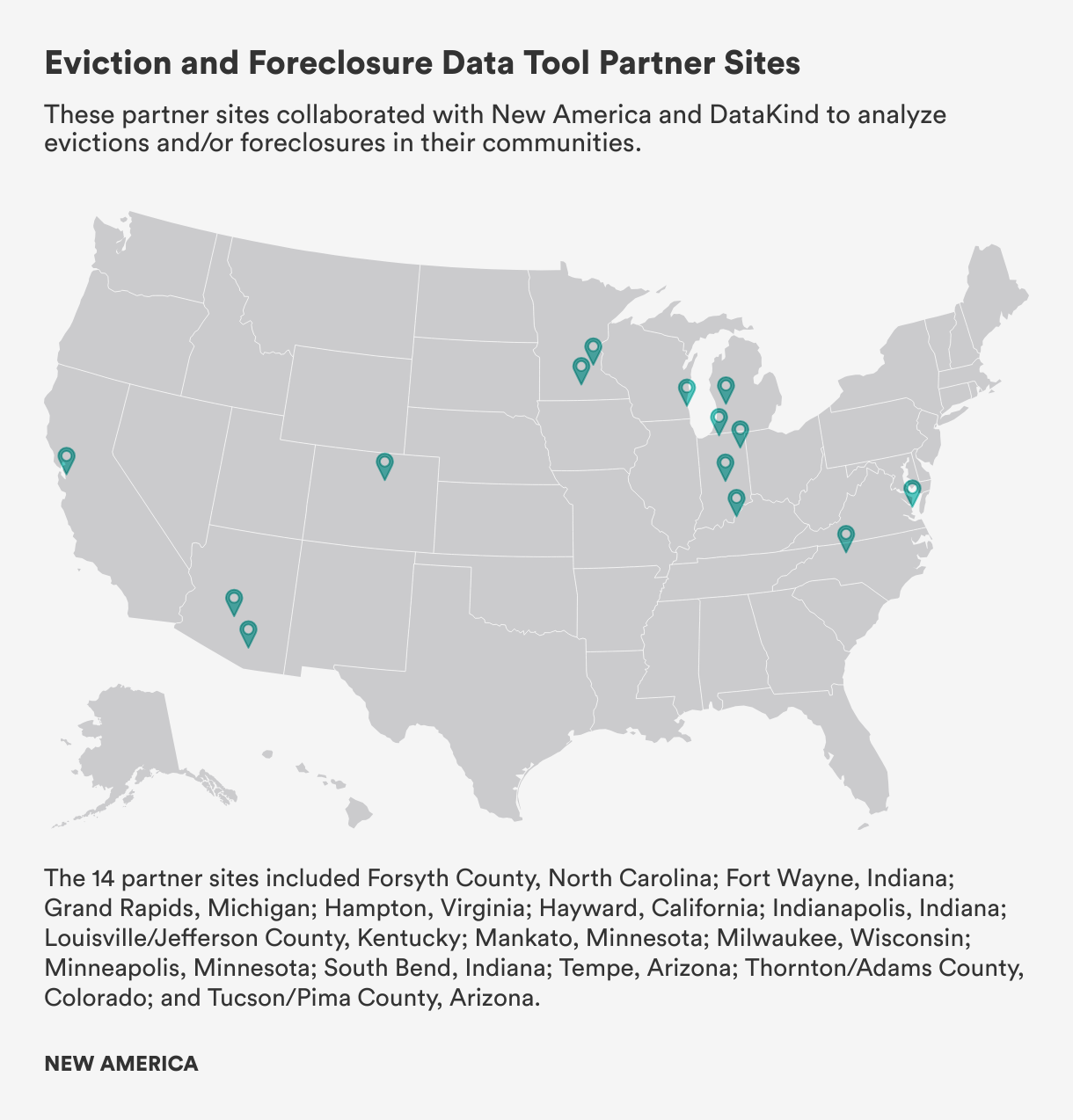
To test the tool, partner sites needed to access their local eviction and foreclosure (EF) data. For those that did not have access, we provided guidance on potential places to source this data11 and offered guidance on pathways and strategies for access. For some partner sites, participating in the FEAT build provided a catalyst to put in place the partnerships needed to unlock data in the first place.
Case Example: City of Hayward, California
Due to strict record sealing laws in California, the City of Hayward did not have an agreement in place to receive eviction data from the Alameda County Court. After partnering on the development of FEAT, city housing leaders established a relationship with court staff with whom we discussed the data needs of the city and how the county court could help fulfill those needs, while adhering to privacy laws. These conversations unlocked access to eviction data dating back to 2000 in the city of Hayward, allowing housing leaders to better understand if local interventions are helping to prevent housing instability and displacement of residents.
Beta Launch and Web Application
The beta version of FEAT launched in the spring of 2022. Despite the utility of FEAT analysis, a tool stored in a GitHub repository posed a barrier to entry for many FEAT users. Many users, often staff of legal aid organizations and city housing and planning departments, did not have the time or expertise to navigate the software and technical components of FEAT Beta. Many who did possess the technical skills—those in government geographic information systems (GIS) and information technology (IT) departments—often did not have the housing expertise to interpret the data and contextualize the analysis FEAT produced.
In response, we developed a web application for FEAT, dubbed “FEAT 1.0.” The web app contains similar analytic functionalities to FEAT Beta but with an easy-to-use interface that a wide range of local housing stakeholders can use to understand and track evictions and foreclosures in their community. It is accompanied by a comprehensive step-by-step user guide.
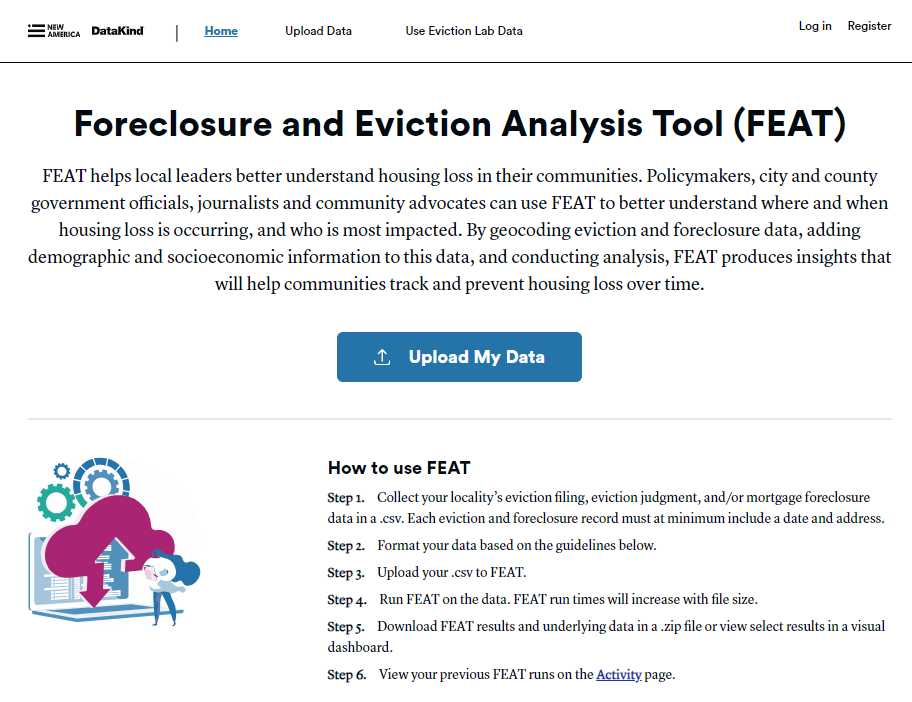
While developing the FEAT web app, we made two substantial enhancements to the FEAT Beta design, based on user testing with different audiences.
- We built a pipeline from Eviction Lab’s Eviction Tracking System into FEAT. This means that for users who are unable to access local court eviction data, FEAT 1.0 provides analysis on existing eviction filing data for the 10 full states and 34 cities contained in Eviction Lab’s Eviction Tracking System.
- Whereas FEAT Beta produced files that a user could then plug into GIS or other software to create visualizations, FEAT 1.0 includes built-in visualizations: a census tract-level eviction and foreclosure heat map; a chart of statistically significant demographic correlates of housing loss; and a time series.
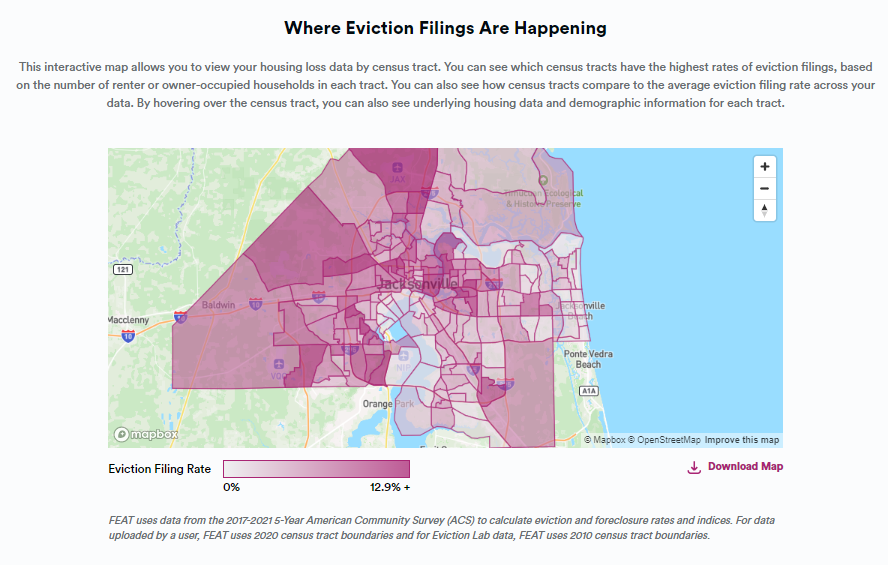
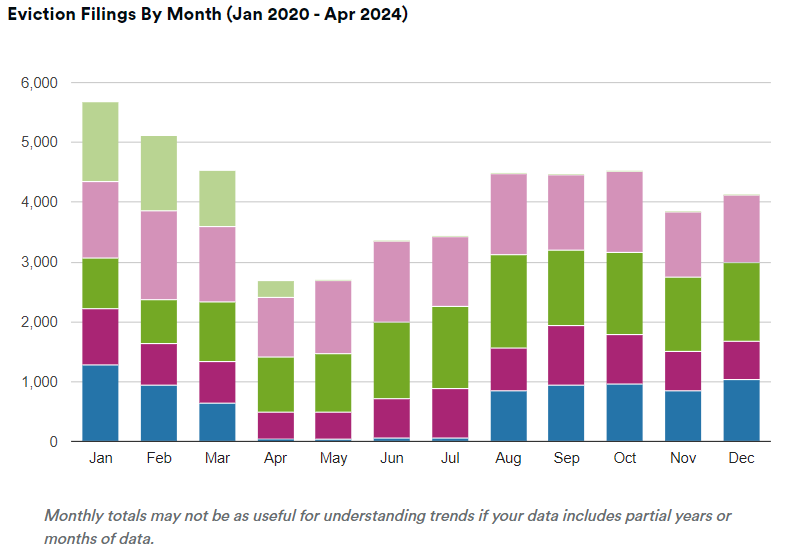
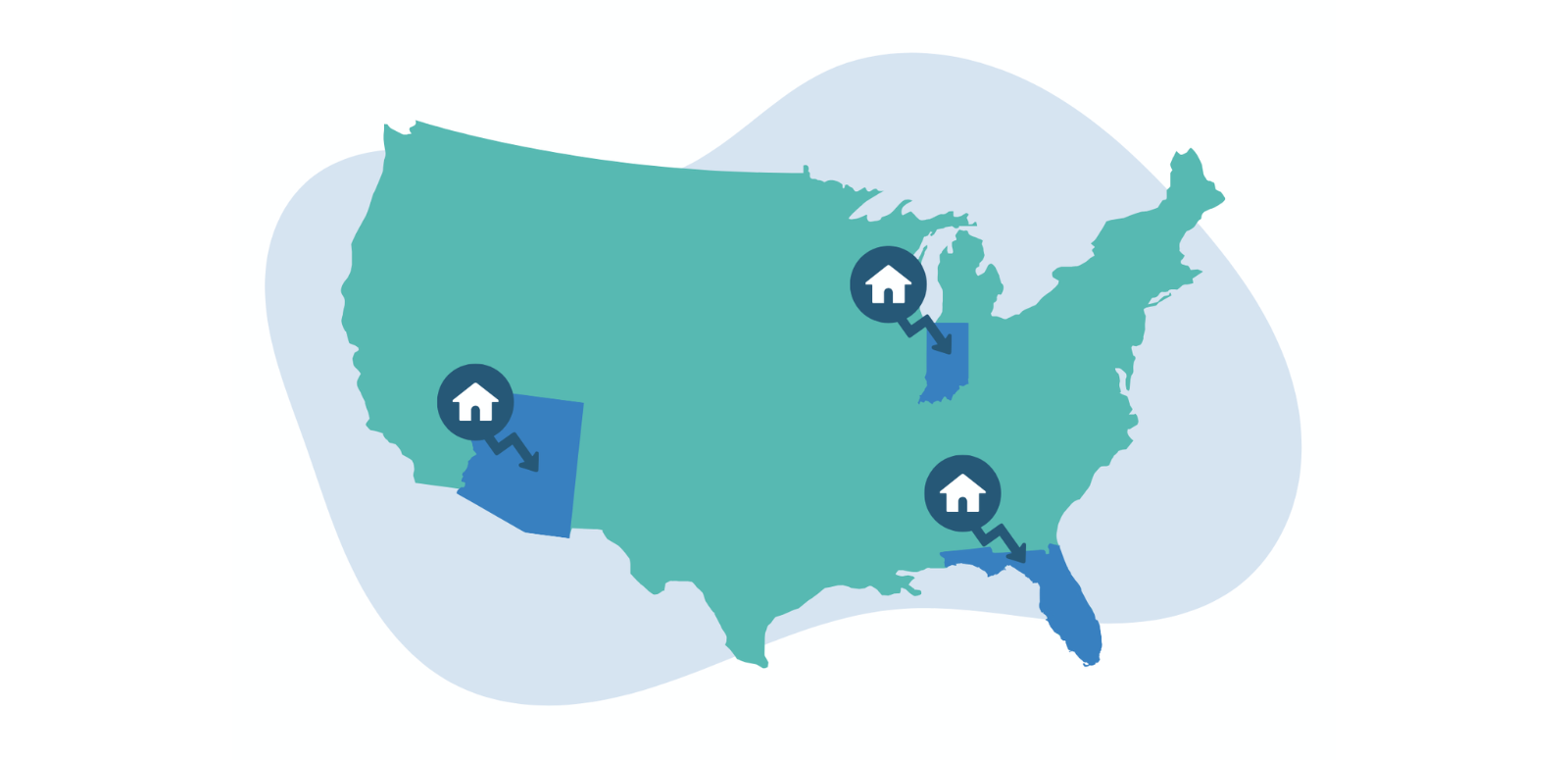
Since its release in December 2023, the FEAT web app has been used by journalists, researchers, policymakers, and service providers in at least 21 states across the U.S.
Citations
- “Impact Stories: Eviction and Foreclosure Data,” New America, April 19, 2022, https://www.newamerica.org/future-land-housing/collections/eviction-and-foreclosure-data-impact-stories/.
- See “Public Good Tools for Eviction and Foreclosure Data FAQ on Data Collection,” New America and DataKind, https://d1y8sb8igg2f8e.cloudfront.net/documents/FAQ_on_Collecting_Eviction_and_Foreclosure_Data.pdf.