A Chapter of: The Rise of Neurotech and the Risks for Our Brain Data
The Path Forward: Balancing Security, Ethics, and Regulation
The rapid advancement of brain-computer interface (BCI) technology represents both an unprecedented opportunity and a significant regulatory challenge. As BCIs integrate more deeply into consumer and medical applications, the stakes for privacy, security, and accountability grow exponentially. These technologies hold immense potential to improve lives—enabling communication for individuals with disabilities, enhancing cognitive performance, and offering new frontiers in entertainment and human-computer interaction. However, without clear regulatory oversight, they also pose risks of data exploitation, manipulation, and cybersecurity threats.
At the federal level, uncertainty regarding regulatory authority has left a significant gap in oversight. The Supreme Court’s ruling in West Virginia v. Environmental Protection Agency has cast doubt on whether agencies like the Food and Drug Administration or Federal Trade Commission can regulate consumer-grade BCIs without explicit congressional authorization. As a result, the burden of regulation has shifted to individual states, with Colorado and California taking the lead in establishing legal frameworks for neural data protection. While these state-level efforts mark an important step forward, they also highlight the challenges of a fragmented regulatory landscape, where inconsistent laws create compliance difficulties and leave gaps in consumer protections.
To mitigate these risks, a multi-pronged approach is essential. The secure-by-design framework must be embedded in the development of BCI technologies to prevent security vulnerabilities before products reach consumers. Additionally, software manufacturers must be held accountable for ensuring robust security measures and providing ongoing updates to protect users from emerging threats. Furthermore, comprehensive legislation at the state level should establish clear consumer rights regarding neural data transparency, control, and legal recourse in cases of misuse. While federal regulation remains uncertain, multi-state agreements could offer a pathway toward standardized protections, ensuring that all consumers—regardless of where they live—are afforded the same level of security and privacy.
As BCIs continue to evolve, collaboration between technologists, policymakers, and legal experts will be critical in shaping a regulatory framework that balances innovation with consumer protection. Without proactive measures, the risks of neural data exploitation, cyber vulnerabilities, and ethical concerns will only escalate. Addressing these challenges today will ensure that the future of BCIs remains both secure and equitable, fostering trust in neurotechnology while safeguarding the fundamental rights of its users.
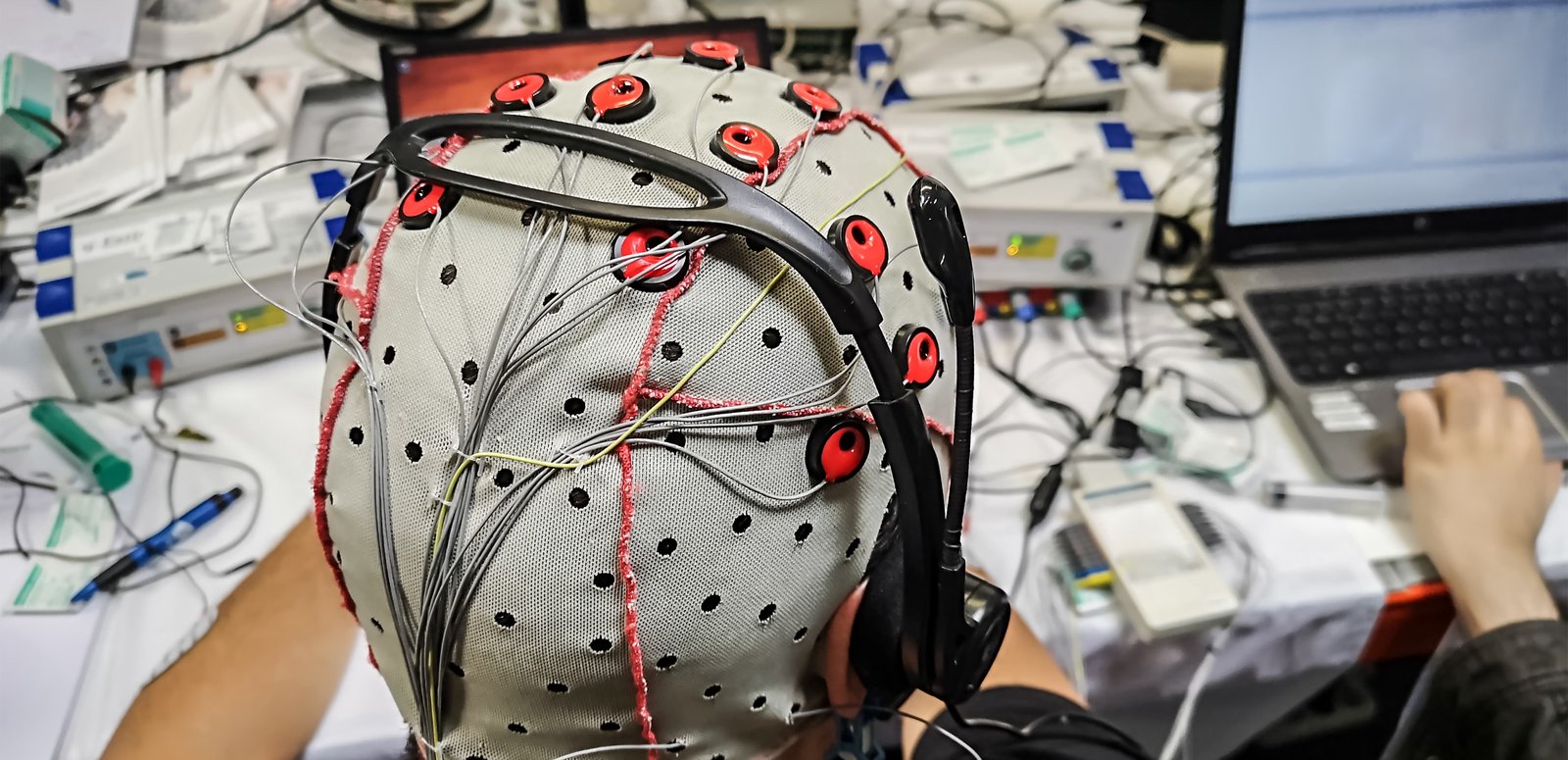
The Rise of Neurotech and the Risks for Our Brain Data
- Introduction
- Brain-Computer Interfaces: Fundamentals and Applications in Commercial and Medical Contexts
- Privacy and Security Challenges
- Current Legislative Landscape and Proposed Regulatory Approaches
- Proposed Approaches for Data Protection
- The Path Forward: Balancing Security, Ethics, and Regulation