
7/23 FCC Reply Comments Opposing Petition To Re-Open Rules For Wi-Fi Band
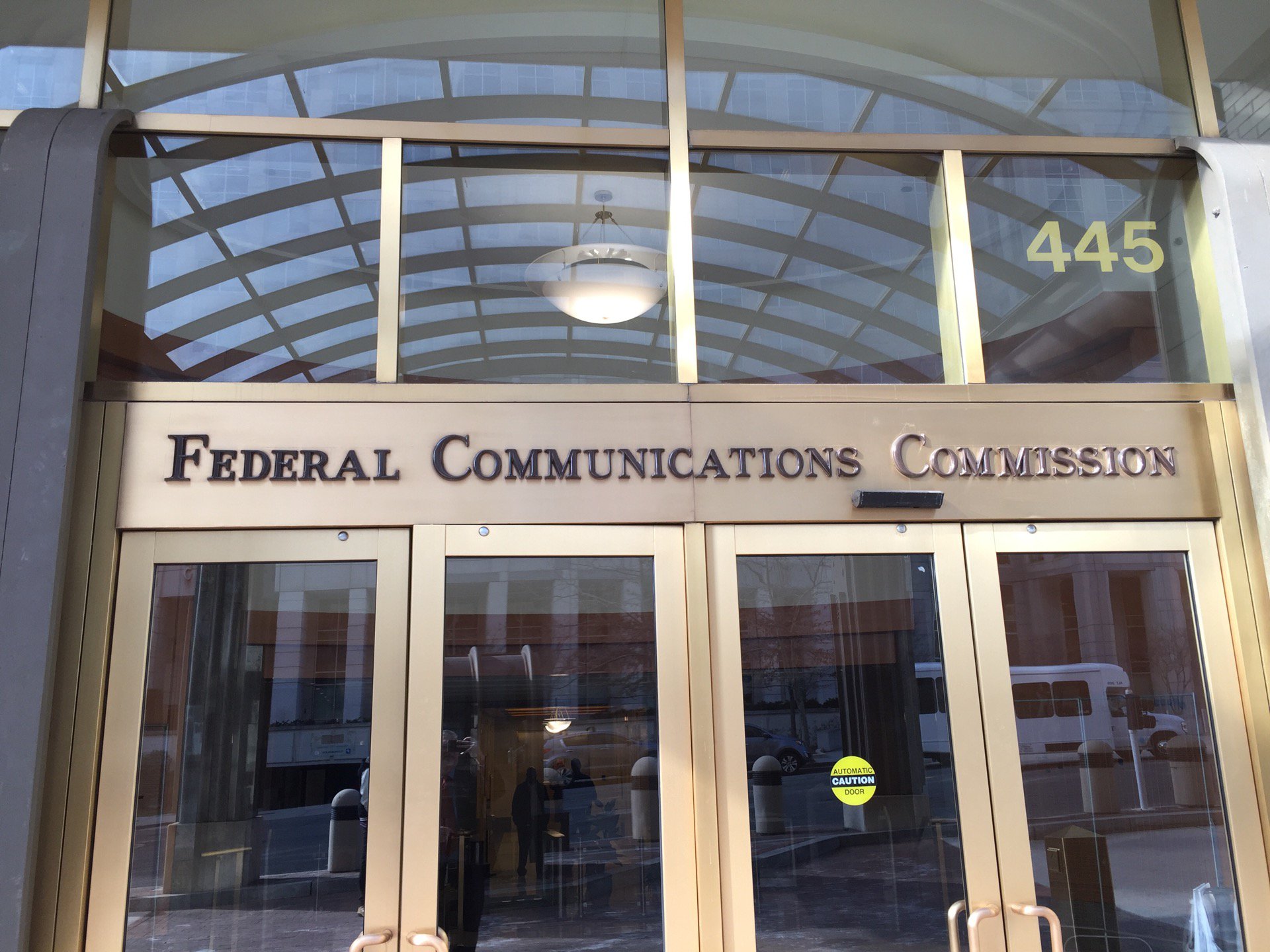
The Open Technology Institute at New America filed reply comments with the Dynamic Spectrum Alliance opposing a petition filed by Globalstar Inc. asking the Federal Communications Commission (FCC) to open a Notice of Inquiry to re-evaluate the FCC's rules for unlicensed spectrum users in the 5 GHz band. The introduction and summary is posted below:
New America‘s Open Technology Institute (OTI) and the Dynamic Spectrum Alliance (DSA) submit these Reply Comments in joint opposition to the above-referenced Petition for Notice of Inquiry in which Globalstar, Inc. (Globalstar) asks the Commission to initiate a proceeding to re-evaluate the continued spectrum sharing between licensed Mobile Satellite Services (MSS) and outdoor Unlicensed National Information Infrastructure (U-NII) devices operating in the 5150-5250 MHz ―U-NII-1 band
Globalstar‘s petition, requesting a Notice of Inquiry (NOI), lacks sufficient evidence to merit any formal action under the current circumstances. The data Globalstar presents, even if it were not flawed, could not reasonably lead to a conclusion that its satellite services are experiencing either actual or imminent harmful interference due to unlicensed operations in the U-NII-1 band. Globalstar‘s mere assertion of hypothetical, future harm does not meet the standard required to reopen a well-settled set of rules the Commission adopted unanimously just four years ago. In essence, Globalstar is yet again reiterating its view that sharing the band will cause a modest increase in the noise floor, a risk that was well understood and accepted (including by Globalstar) at the time the Commission adopted the 2014 5 GHz Order, rendering this Petition little more than an untimely Petition for Reconsideration
OTI and DSA recognize and support the need to protect incumbent services when enabling shared use of spectrum resources, and the Commission established an appropriate plan for doing so in this band. For that reason, OTI and DSA urge the Commission to be certain that corrective action is necessary as a prerequisite to opening a proceeding that will stoke regulatory uncertainty and undermine critical investments in next generation Wi-Fi. Any formal inquiry that revisits the rules for unlicensed use of the 5 GHz band would be extremely damaging to the public interest. The U-NII-1 band has proven critical to meeting the growing consumer demand for high-capacity Wi-Fi offload on mobile devices, as well as an important tool for fixed broadband deployment in rural and other underserved areas. From a consumer perspective, the higher-capacity Wi-Fi made possible by access to the U-NII-1 band is an essential component of the nation's fixed and mobile wireless ecosystem as it enables faster, more ubiquitous and more affordable broadband connectivity.
The Commission should maintain a high bar to revisiting its rules concerning shared access to unlicensed or other shared spectrum bands. Adopting Globalstar‘s petition would set a regrettable precedent that undermines longstanding efforts by the Commission – as well as expressions of clear intent this year by Congress and by the Administration – to encourage more efficient and effective spectrum sharing and utilization. The resulting regulatory risk will depress investment in 5 GHz and possibly in other shared bands.
The Commission has existing safeguards to protect Globalstar. A time-consuming formal inquiry would therefore be unnecessary and counter-productive at this time. A more appropriate first step would be for Globalstar to bring its measurement data directly to OET‘s Laboratory Division with a request that the agency‘s expert staff look into the matter.
Issues
Programs/Projects/Initiatives
Topics
Related