
8/17 FCC Fixed Broadband Competition Comments
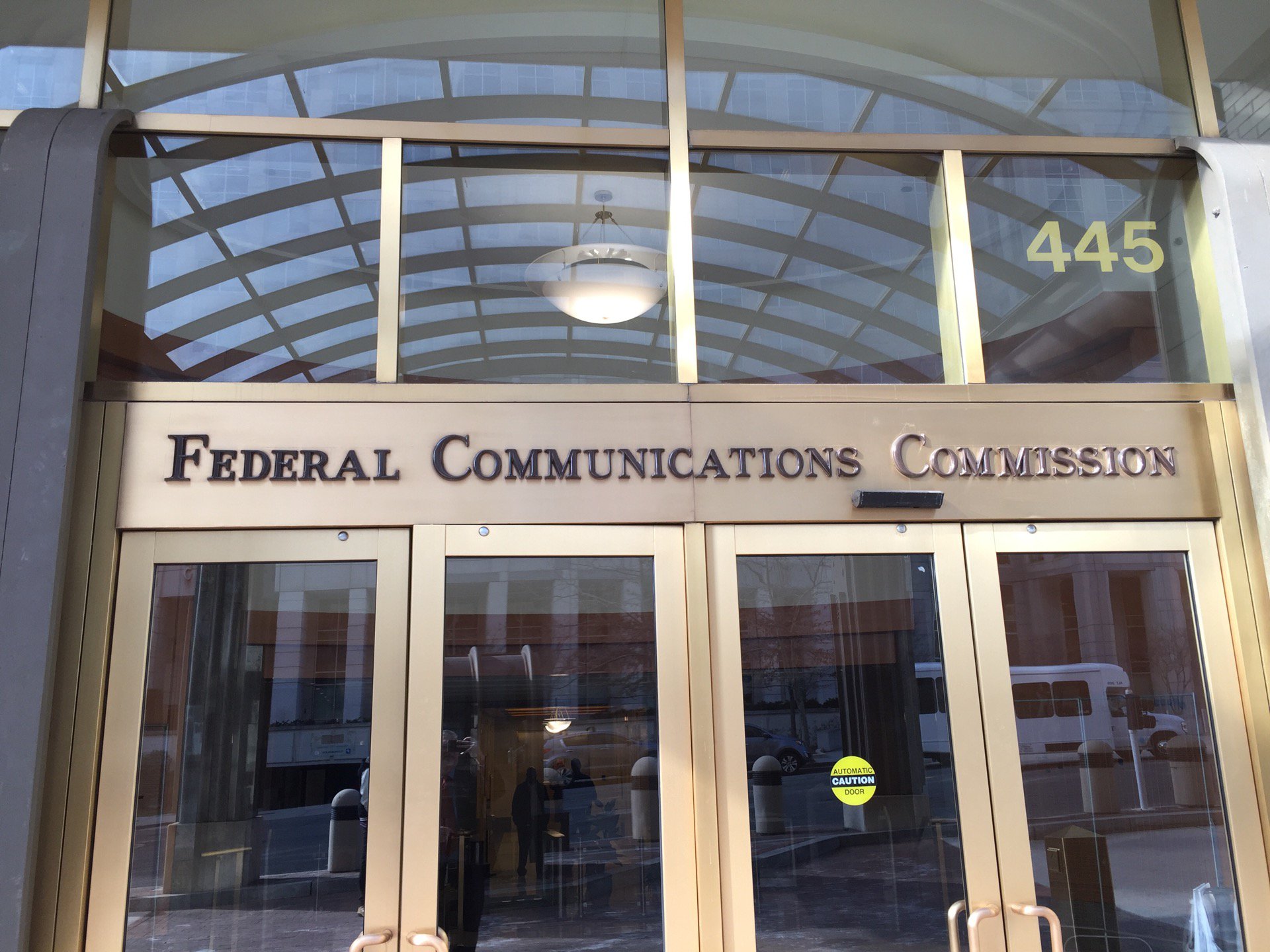
New America's Open Technology Institute (OTI), the Institute for Local Self-Reliance, the National Association of Telecommunications Officers and Advisors, the National League of Cities, and Next Century Cities filed comments with the Federal Communications Commission (FCC) detailing the state of competition in the fixed broadband market. OTI highlighted the need for the FCC, in concert with other federal agencies, to collect stronger, more robust data on fixed broadband competition including pricing data, broadband performance data, and more diversified data on broadband deployment. Currently, the FCC is heavily reliant on self-reported data on fixed broadband deployment from the internet service providers themselves. OTI also outlined how anti-municipal broadband laws and policies harm competition and how fixed broadband providers use a bevy of anticompetitive measures to stifle competition in various markets across the country. Finally, OTI urged the FCC to ignore claims that upcoming mobile 5G networks will provide a viable substitute and competitor to fixed broadband services. These mobile 5G networks are years away from widespread commercial deployment, and even when they are deployed at scale will be heavily focused in urban areas with high population density, leaving rural and suburban areas behind. Further, mobile 5G networks will be heavily reliant on fixed broadband for backhaul, which could strengthen the market power for fixed broadband providers further. Below is the introduction of OTI's comments:
New America’s Open Technology Institute, the Institute For Local Self-Reliance, the National Association of Telecommunications Officers and Advisors, the National League of Cities, and Next Century Cities appreciate the opportunity to comment on the Federal Communications Commission’s (“the Commission”) forthcoming report on the state of fixed broadband competition in the United States. The market for fixed broadband service is stagnant at best, marked by low competition, high costs, and opaque service quality. In these comments, we outline the myriad ways in which competition is thwarted, both by industry practices and legal restrictions, and offer suggestions for Commission action.
As an initial matter, we examine the federal government’s ability to analyze and collect data about the broadband market. Currently, the government is reliant on self-reported data from internet service providers (ISPs), which results in a poor understanding of where broadband is deployed, how much it costs, and whether the advertised speeds match the actual performance. The Commission must improve its system for gathering data about the broadband market.
Second, the Commission asks for comment on laws and regulations that stand in the way of fixed broadband competition. Many states have law on the books that thwart or outright prohibit the development of municipal broadband. These laws prevent communities from investing in their own networks and competing with incumbent ISPs. Additionally, a recent petition from USTelecom to forbear from reselling unbundled network elements to competitors would eliminate a federal policy that promotes competition and market entry.
Third, ISPs employ a variety of tactics to freeze out competition and leave millions of Americans with only one choice for fixed broadband. Fixed broadband providers decline to compete against each other in local markets across the country, erect high switching costs to prevent consumers from taking their business elsewhere, and enter into anticompetitive deals with landlords of multiple tenant environments to stop competition.
Finally, the Commission is likely to hear some arguments that future 5G networks will compete with fixed broadband as a viable alternative. These claims are extremely premature, as 5G technologies are years away from large-scale deployment, and consumers are, in turn, years away from assessing for themselves whether the 5G experience mirrors that of fixed broadband. Further, 5G service is likely to focus on urban areas and rely heavily on fixed backhaul—which could enhance the market power of fixed ISPs. Accordingly, we urge the Commission to reject hyperbolic claims about 5G and limit its assessment in this proceeding to fixed ISPs.
Issues
Programs/Projects/Initiatives
Topics
Related