
12/11 FCC Broadband Access Coalition Reply Comments 3.7-4.2 GHz Band
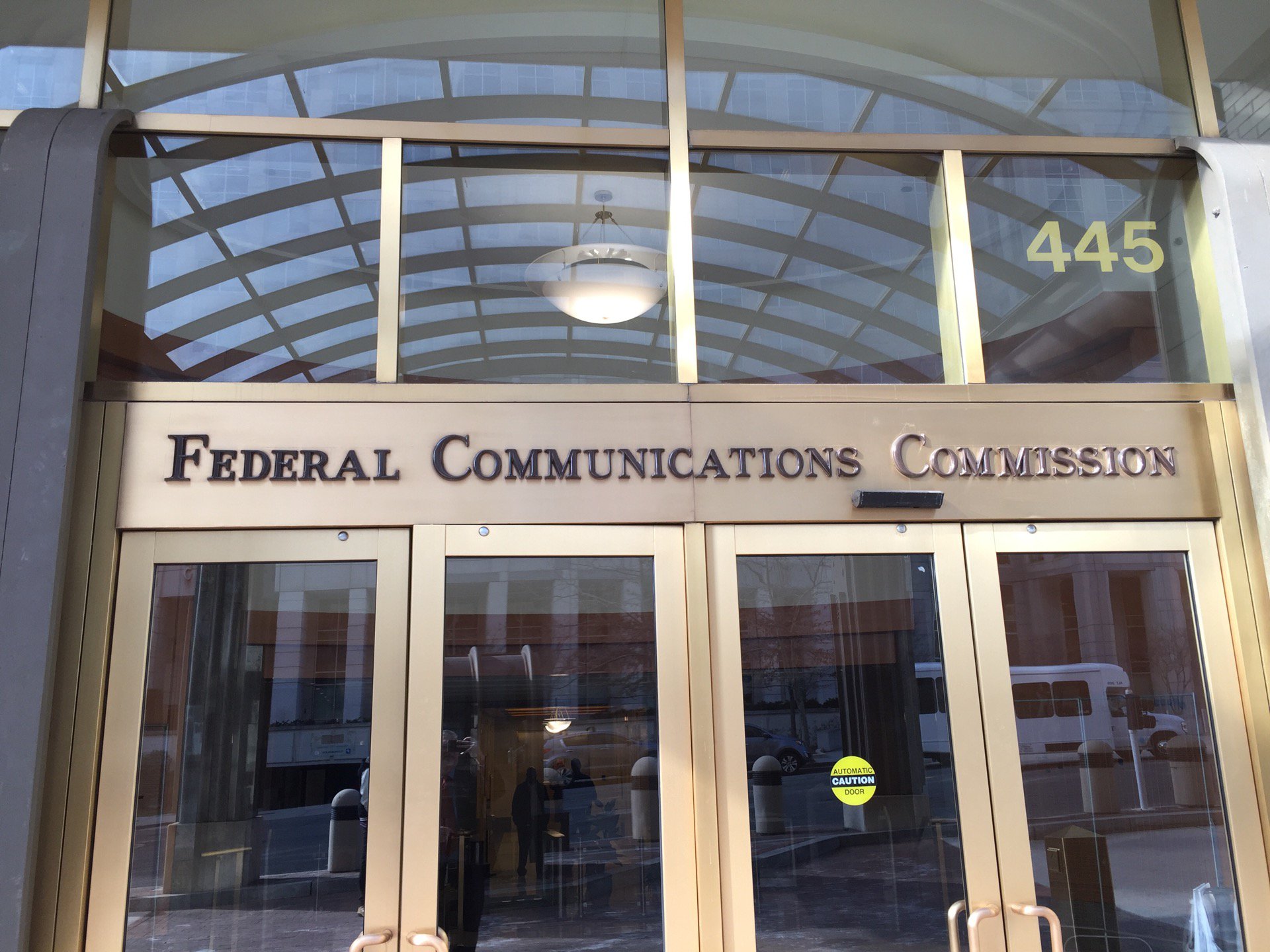
OTI's Wireless Future Project wrote and submitted reply comments to the Federal Communications Commission ("Commission") on behalf of the Broadband Access Coalition urging the Commission to adopt the Coalition's proposal to bring high-speed broadband to rural Americans who currently have no access or very expensive service. The Commission should open up the 3.7-4.2 GHz for an authorized, licensed, point-to-multipoint fixed wireless service to bring high-speed broadband access to rural and underserved areas of the United States. An introduction and summary is copy and pasted below:
In its Comments, the Coalition emphasized that enabling fixed point-to-multipoint (“P2MP”) networks to share 300 megahertz of spectrum in the 3.7 – 4.2 GHz band (“3.7 GHz band” or “C-band”) would advance the Commission’s goal of addressing the persistent divide that leaves rural Americans on the wrong side of the digital economy. By adopting coordination and sharing rules that provide “real world” interference protection to Fixed-Satellite Service (“FSS”) earth stations – even after a portion of the 3.7 GHz band is cleared for flexible use licensing – the Commission can make available mid-band spectrum tailor-made for rural coverage and urban capacity. Simply put, this proceeding does not have to reduce solely into a zero-sum “race to 5G,” but can make a significant amount of spectrum available for both mobile and fixed use cases without compromising Commission objectives.
Standing in the way of this “win-win-win” opportunity is the FSS industry, which continues to cling to the outdated “full-band, full-arc” approach that would foreclose spectrum sharing that can be achieved though proven frequency coordination methods. Although these satellite interests see no problem with monetizing 200 megahertz of spectrum under a marketbased process they propose to control, their self-interest in selling or warehousing spectrum they never paid for renders them tone-deaf to calls for sharing the 300 megahertz that would remain because they refuse to accept that spectrum sharing can be successfully coordinated. Further discrediting their assertions are flawed technical assumptions that purport to show that, even if sharing were permitted, the limitations on such sharing would “prevent P2MP from being deployed in a meaningful way across the United States in the C-band”3 – wrongly suggesting that P2MP will be prominent in urban areas and requires a nationwide footprint to implement a successful business model. Like Chicken Little’s cries that “the sky is falling,” these claims should be rejected.
In fact, accommodating fixed P2MP in 300 megahertz of spectrum will create more opportunities for economic growth by facilitating the provision of gigabit or near gigabit broadband to unserved and underserved rural Americans. Other than a few outliers that seek to clear the entire C-band, the mobile industry is focused on gaining access to 200 megahertz of flexible use spectrum and thus can claim no “loss” of value if the Commission allocates the remaining 300 megahertz for more intensive fixed use. Likewise, the satellite industry will suffer no “loss” in value from sharing spectrum because the frequency coordination process will ensure that their earth stations are protected from harmful interference.
The Coalition’s proposal for sharing between fixed P2MP operations and FSS operations is not fundamentally different from sharing between fixed P2P operations and FSS operations that have co-existed in the 3.7 GHz band for decades. Prior frequency coordination is required before P2P links can be deployed in the 3.7 GHz band and prior frequency coordination would be required before P2MP access points can be deployed. P2MP coordination simply considers multiple possible fixed link paths within a defined sector, rather than a single fixed link path.
The Coalition understands that incumbents – whether government or commercial – are generally reluctant to embrace spectrum sharing with their services. Certain incumbent cable and broadcast interests question the P2MP business case in the re-packed 3.7 GHz band.4 The FSS industry disingenuously speculates that there is sufficient spectrum in other bands available for fixed wireless broadband such that sharing the 3.7 GHz band should not be authorized. Assuming these arguments have credence, which they do not, these are not legitimate reasons for the Commission to maintain needless barriers to unused spectrum that can be shared using simple and well-proven methods. The Commission must look beyond the myopic and selffocused rhetoric of incumbents and act in the interest of the public.
Issues
Programs/Projects/Initiatives
Topics
Related