6/3 FCC Comments On Secondary Markets With Public Knowledge
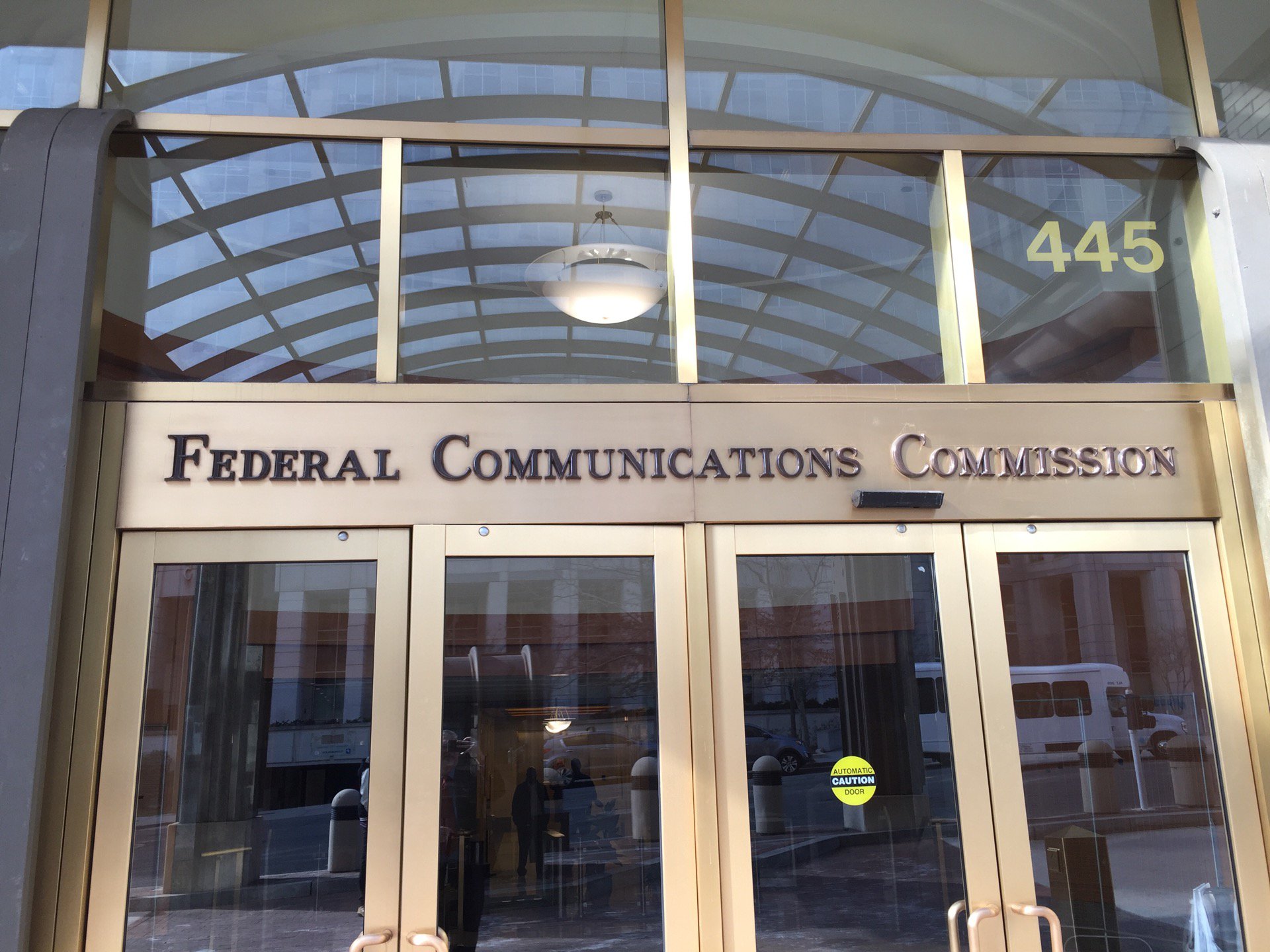
New America's Open Technology institute wrote and submitted comments to the Federal Communications Commission to provide input on the FCC's proceeding having to do with strengthening secondary markets for spectrum. Public Knowledge signed onto the comments as well. OTI and PK detailed how without rules put in place, secondary markets left to the will of the free market and partitioning and leasing are simply inadequate to catalyze activity and promote efficient use of spectrum. OTI and PK urged the FCC to adopt use-it-or-share-it rules to ensure that for companies that are not using their spectrum, they can allow other smaller, competitive providers to share that spectrum and use it until the licensee is ready to deploy service in that band. An introduction and summary is copy and pasted below:
The Commission’s stated goal in this proceeding is to promote more widespread deployments of high-capacity broadband in rural and other underserved areas by enhancing the incentives and procedures for secondary market access to unused spectrum licensed for exclusive use. Enabling more intense and efficient use of this public resource – rather than non-use and warehousing – without risk of harmful interference and without undermining the deployment plans of primary licensees is a goal that OTI and PK fully support.
However, OTI and PK believe that relying on partitioning and leasing alone – or making changes that focus on relaxing performance requirements for licensees – will result in an outcome contrary to Congressional intent, with even more spectrum lying fallow for longer periods and an even more daunting digital divide widening between urban and rural areas. History shows that larger carriers choose not to engage in secondary market transactions with smaller providers and choose to let spectrum lie fallow rather than partition or lease parts of their spectrum licenses. The national and regional mobile carriers that can afford to acquire expensive licenses covering very large areas (whether PEAs, CMAs or counties) have little or no incentive to participate in partitioning and leasing of spectrum to smaller competitive carriers. In addition to their understandable aversion to enabling potential competition, secondary market transactions today are also deterred by high transaction costs, cumbersome procedures, and a preference by licensees not to give up spectrum they may decide they want later for their own deployments.
Accordingly, OTI and PK recommend that the Commission adopt broader “use-it-orshare-it” rules as part of any effort to encourage secondary market access and more intensive use of spectrum for broadband. Conceptually, use-it-or-share-it rules authorize opportunistic access to licensed spectrum that is unused or underutilized in a specific area. Use-it-or-share-it rules would make sure there are limits on the ability of licensees to warehouse spectrum or exclude potential rural ISPs able to make use of that spectrum to help bridge the digital divide. A general authorization for opportunistic access on a use-it-or-share-it basis should be a central part of any effort aimed at expanding spectrum access for rural and non-traditional ISPs, as well as for enterprise and institutional use, in rural and underserved areas.
Use-it-or-share-it rules have been adopted by the Commission in relation to two significant flexible-use bands in recent years: the Citizens Broadband Radio Service (CBRS) band at 3.5 GHz and continued unlicensed use of unused spectrum in the 600 MHz band following the TV incentive auction. Automated frequency coordination (AFC) systems, such as the one the Commission will soon prove is workable for controlling temporary and opportunistic access to locally-unused spectrum in the Priority Access License (PAL) portion of the CBRS band, can ensure that unused spectrum can be put to use in rural and other hard-to-serve areas without any risk of interference or any negative impact whatsoever on the primary licensee that has not yet built out.
Opportunistic access controlled by an automated AFC database would empower a wide variety of small and alternative providers to use fallow spectrum in local areas to provide highspeed broadband and other services, while retaining the licensee’s right to exclusive use of that spectrum whenever the carrier commences service with its own operations in the licensed band. Unleashing opportunistic, shared access to fallow spectrum creates a general incentive for licensees to build out services more quickly, or to make greater efforts to partition or lease, since opportunistic use of the band will demonstrate that other (typically smaller) operators are finding value in the unused portions of their license area. This will reduce spectrum warehousing and increase access to operators that are ready to deploy, but who lack spectrum access in a local area. Automated frequency coordination brings additional benefits that directly encourage partition and leasing, including demand discovery and lower transaction costs. Database coordination can also, for the first time, give the FCC itself visibility into what areas are receiving service or not on a licensed band throughout the license term.
Use-it-or-share-it rules are crucial to stimulating a robust secondary market that will help bridge the digital divide, particularly in rural areas. Even temporary relief for consumers in these areas would go a long way to helping bridge the rural-urban digital divide.
Issues
Programs/Projects/Initiatives
Topics
Related


Joint Comments Urging FCC to Make Changes Ensuring Upper C-band Is Available for More Intensive Licensed and Shared Use