
3/23 FCC Reply Comments Regarding Spectrum Sharing In 3 GHz Band
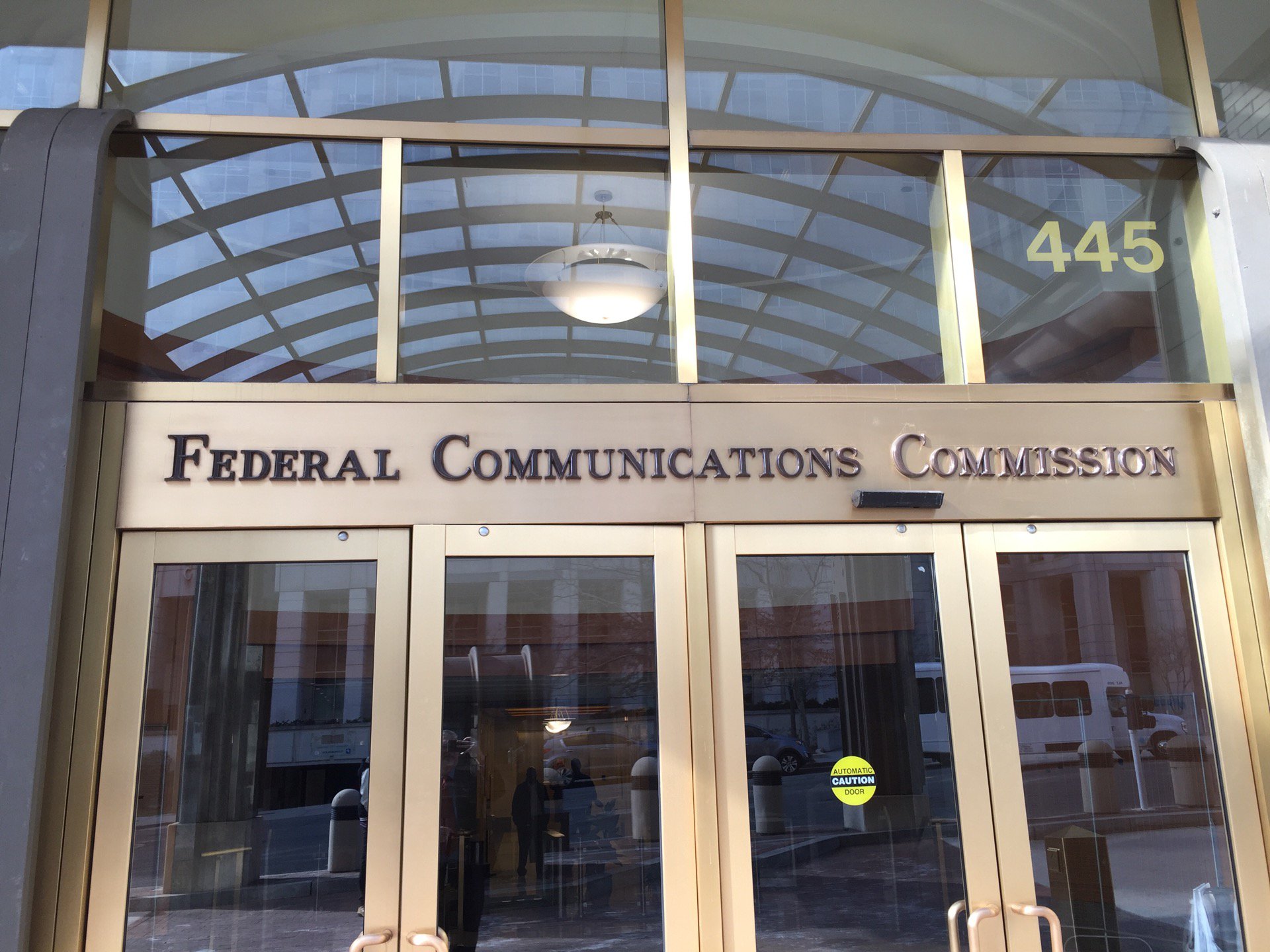
New America's Open Technology Institute filed reply comments with the Federal Communications Commission ("Commission") regarding the proceeding about the future use of the 3.1-3.55 GHz band, highlighting the importance of spectrum-sharing and specifically extending the Citizens Broadband Radio Service (CBRS) spectrum-sharing framework in the 3.5 GHz band into the 3 GHz band. The introduction and summary from the reply comments is available below:
OTI makes three primary points in the three sections of our comments below:
First, the so-far successful effort to establish a sharing regime that protects U.S. Navy systems in the immediately adjacent 3.55-3.7 GHz band recently opened for General Authorized Access (GAA) suggests the Commission has an opportunity to rapidly open the 3.45-3.55 GHz segment of the band for commercial use by extending the existing, successful CBRS framework into the adjacent band below 3550 MHz. An immediate focus on this 100 megahertz (3.45-3.55 GHz) can unleash substantial additional spectrum capacity at the earliest possible time.
Second, mobile industry claims that it is realistic and desirable to focus on clearing the 3.3-3.55 GHz band for exclusive licensing over large geographic areas are belied by the realities of current military use and will only serve to hobble efforts to expedite the availability of additional mid-band spectrum capacity for a wide variety of network deployments that collectively can make the United States’ 5G wireless ecosystem the world’s most productive, robust and affordable. NTIA’s recent technical report clearly suggests that dynamic, time-based sharing could allow widespread commercial access, whereas geographic- or frequency-based sharing would be far more limited, if possible at all. Moreover, the Defense Innovation Board’s report last year appears to reflect a view that in a reasonable time frame, dynamic sharing would be far more feasible and acceptable from the military’s perspective.
Third, OTI agrees with the clear consensus among industry stakeholders that support the Commission’s proposal to sunset the non-federal Radiolocation Services and to reject any pending or future applications for High-Power Weather Radar operations in the 3.3-3.55 GHz band. We also recommend that the Commission prohibit any additional high-power weather radar operations in the 3500-3550 MHz band given their adverse impact on adjacent CBRS operations and to the viability of future commercial broadband services.
Issues
Programs/Projects/Initiatives
Related