
6/12 FCC Comments on the Next-Generation TV Transition
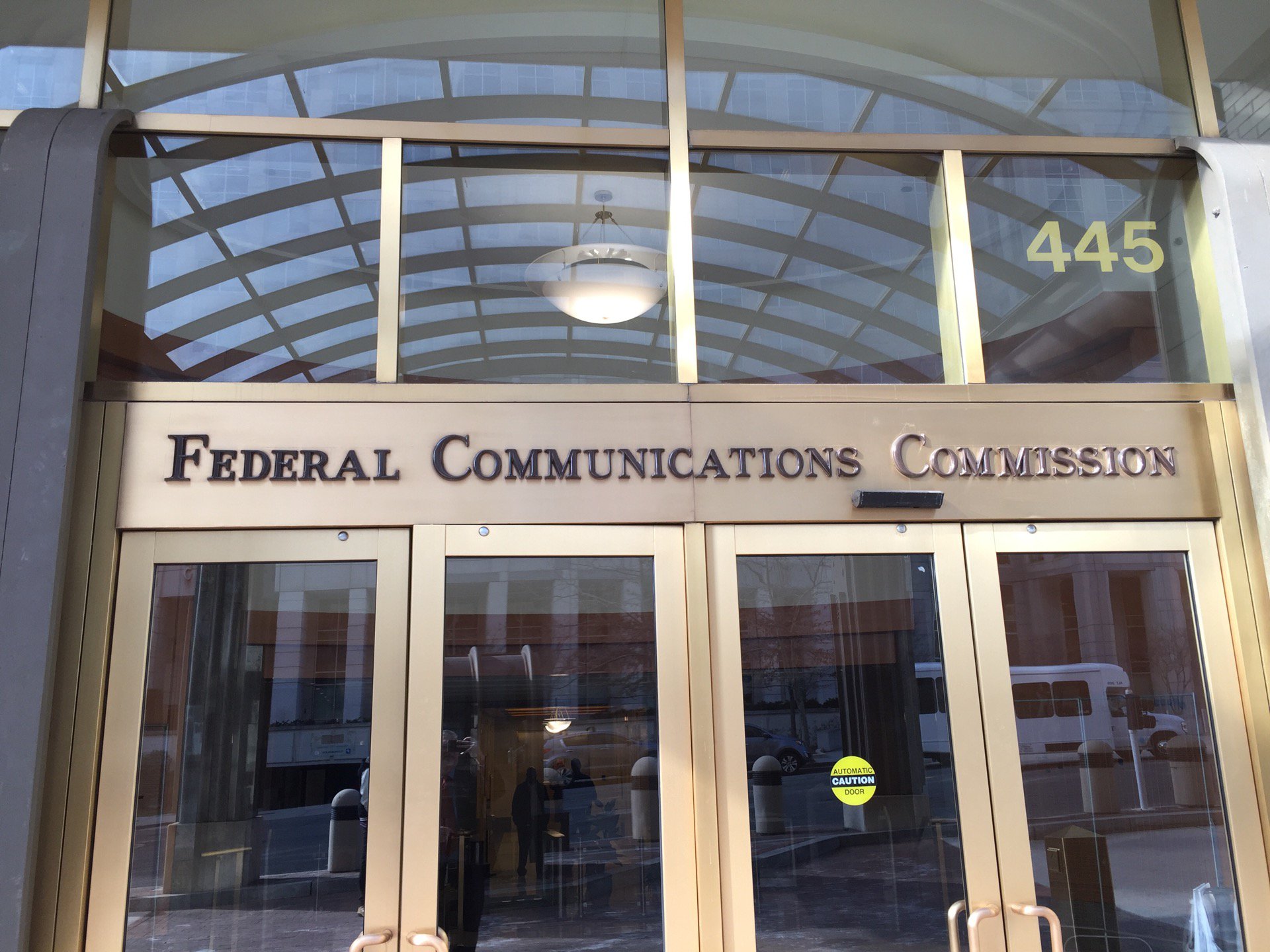
New America's Open Technology Institute filed comments, also signed by Public Knowledge, with the Federal Communications Commission urging the Commission to proceed cautiously and not implement over-protective rules for the transition to Next-Generation TV that could greatly expand the amount of spectrum to which broadcasters have licenses. In particular, OTI and PK urge the Commission not to implement rules that would negatively impact the use of TV White Spaces and other efficient uses of spectrum that could help bridge the digital divide to benefit a new broadcast television standard, ATSC 3.0, that has not yet been widely deployed in the U.S. Below is an introduction and summary of the comments:
OTI and PK urge the Commission not to implement a rule change to substantially relax the current limits on DTS spillover beyond a station’s authorized service area to a “minimal amount.” Doing so is at best premature. The Commission should not implement rule changes that hugely expand broadcast station licensing areas based on promises and potential benefits of a technological standard that, years after its approval, has yet to be commercially deployed. Not a single so-called NextGen TV service is available to consumers. The Commission should not be using potential future uses as a basis for any new giveaways to broadcasters considering the track record of ATSC 3.0 so far.
It is most critical that the Commission clearly state, as it tentatively concludes, that the agency will “not enlarge the area within which a DTV station is protected from interference,” including interference from unlicensed operations in areas where TV spectrum is considered available for use under the current rules. The current TVWS rules already over-protect television viewers at the edge of a DTV licensee’s authorized service area by excluding use of the channel (and minimizing use of the two adjacent channels to 40 milliwatts) for enormous distances beyond the station’s maximum service area. Exacerbating this over-protection, the current rules require the TVWS Databases (“WSDBs”) to calculate these exclusion zones without regard to real-world terrain (e.g., hills, mountains, forests) that might naturally protect viewers, thereby wasting valuable spectrum that could be put to use in narrowing the digital divide.
Our concern is that the “Proposed Rules” appended to the NPRM appear to create a new DTS “Interference Area” that could more than double the licensed coverage area of a broadcast station licensee. An enormous expansion of broadcast station exclusion zones would effectively cripple the market for TVWS equipment and, at a minimum, deprive Americans in rural and remote areas of the opportunity to gain basic broadband connectivity from wireless ISPs relying on TVWS.
OTI and PK support the Commission’s previous rejection, in 2008, of an Expanded Area Approach. The reasons remain valid. However, if the Commission allows more than a “minimal amount” of DTS spillover, any transmissions outside of a station’s maximum service area should be considered unlicensed and not confer interference protection rights against other lawful licensed or unlicensed operations. The Commission should maintain its position that DTS spillover transmissions do not have primary or secondary status, and therefore no greater right to interference protection than unlicensed wireless microphone or other TVWS operators do.
Issues
Programs/Projects/Initiatives
Related