
7/13 FCC Reply Comments on the Next-Generation TV Transition
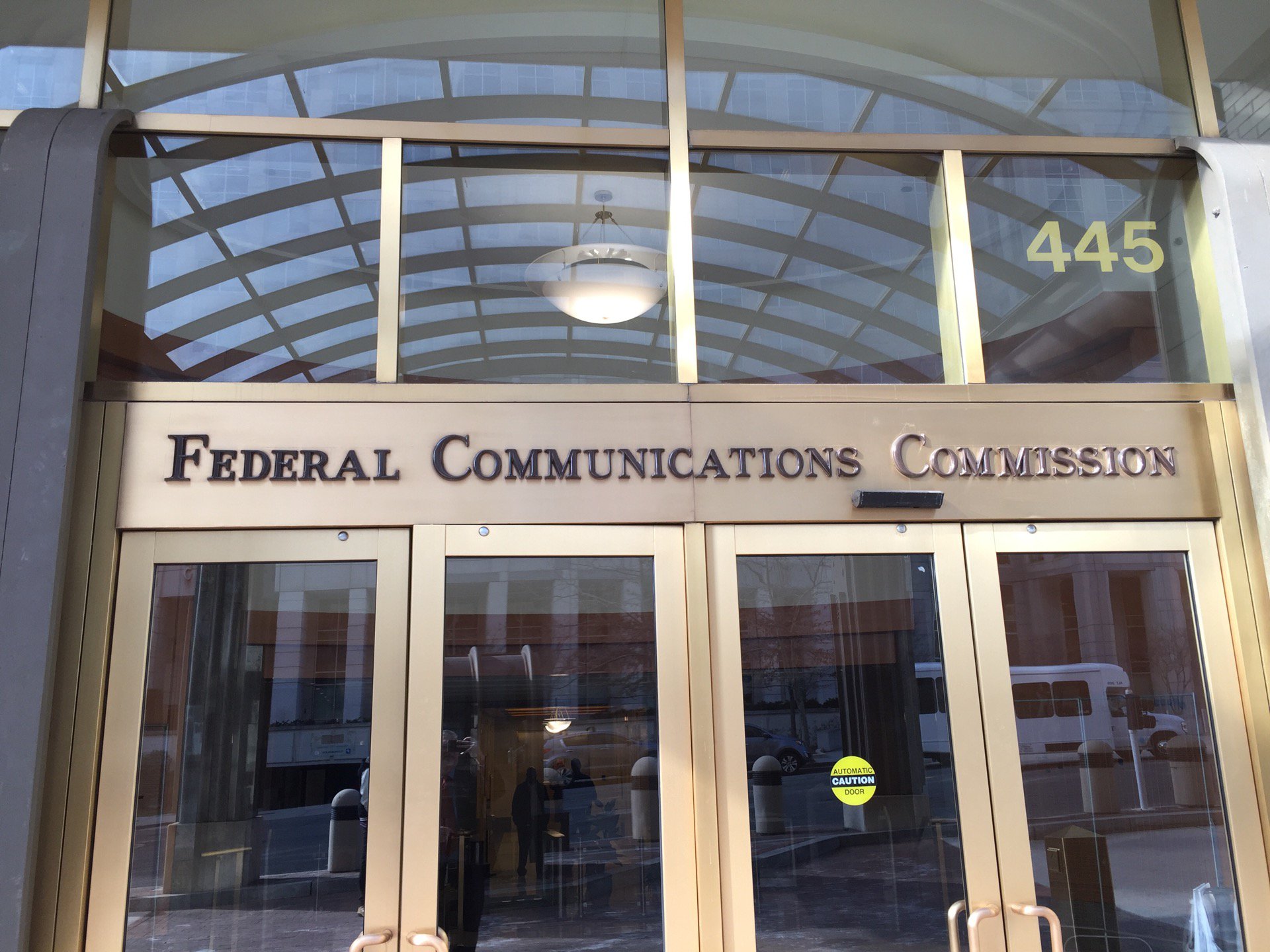
New America's Open Technology Institute wrote and submitted reply comments with the Federal Communications Commission ("Commission") responding to arguments in the record regarding the transition to the next-generation broadcast TV standard. The reply comments, signed by Public Knowledge as well, followed up on initial comments filed by the two organizations in June. The reply comments focused on ensuring the Commission does not implement what would amount to massive concessions to broadcasters that could double the size of their current spectrum allocations for the sole purpose of strengthening the next-generation broadcast TV standard, ATSC 3.0, when that standard has yet to be deployed in any widespread manner and consumers have yet to experience any benefits from the transition. For the Commission to enact the changes sought by broadcasters—which would also break with Commission spectrum precedent—would be premature and would likely have wide-ranging negative ramifications for TV White Spaces and Low Power TV stations. Available below is the introduction from the reply comments:
OTI and PK believe it would be premature to substantially relax the current limits on DTS spillover beyond a station’s authorized service area. ATSC 3.0 services are not widely deployed and consumers have yet to see any tangible benefits. Beyond a few pilots, the record reflects the fact that there are no actual ATSC 3.0 services widely available to the public in any market. Nor is it clear that any benefits beyond leasing the spectrum out to providers of entirely different, non-broadcast services is likely. The relatively small number of comments filed by local broadcasters suggest that relatively few local TV stations are moving forward with an ATSC 3.0 transition—let alone investment in DTS technology. Since the market currently has yet to deliver actual services, it would be both unnecessary to change the DTS rules and difficult for the Commission to effectively tailor rule changes to the needs of the market, while also ensuring the public interest remains protected. The current waiver process is sufficient for now, and allows the Commission to consider special circumstances on a case-by-case basis.
At this early stage in the development of ATSC 3.0, the Commission should not rely on promises of future services as the basis for another massive giveaway of spectrum to broadcasters. The proposed rules could result in a DTS “Interference Area” more than twice the size of the current licensed coverage area of a broadcast station licensee. As a result, even if DTS deployments are permitted to spillover more than a “minimal amount,” we strongly urge the Commission to reject proposals to give these signals interference protection. Upgrading the status of spillover signals beyond DTS station’s areas to primary or secondary status could effectively grant broadcast licensees twice as much spectrum without even requiring that the licensee use the free spectrum to deploy the services promised when ATSC 3.0 was authorized.
In addition to unjust enrichment, granting interference protection to DTS spillover beyond the licensee’s current service area is likely to deny neighboring communities of other services. Expanding TV station exclusion zones to this degree is likely to preclude TV White Space (“TVWS”) deployments in many rural and underserved areas, undermine the market for TVWS equipment, and create a new climate of uncertainty that deters the use of vacant TV band spectrum to help close the rural connectivity divide. Creating a ‘gold rush’ among local broadcasters to greatly expand their holdings of free spectrum in areas outside their service area would result in denying residents in neighboring rural and remote areas the opportunity to gain basic broadband connectivity from wireless internet service providers operating using TVWS.
DTS spillover signals should be considered unlicensed and should not confer interference protection rights against other licensed or unlicensed operations.
Issues
Programs/Projects/Initiatives
Related