
7/23 Senate Commerce Committee Testimony
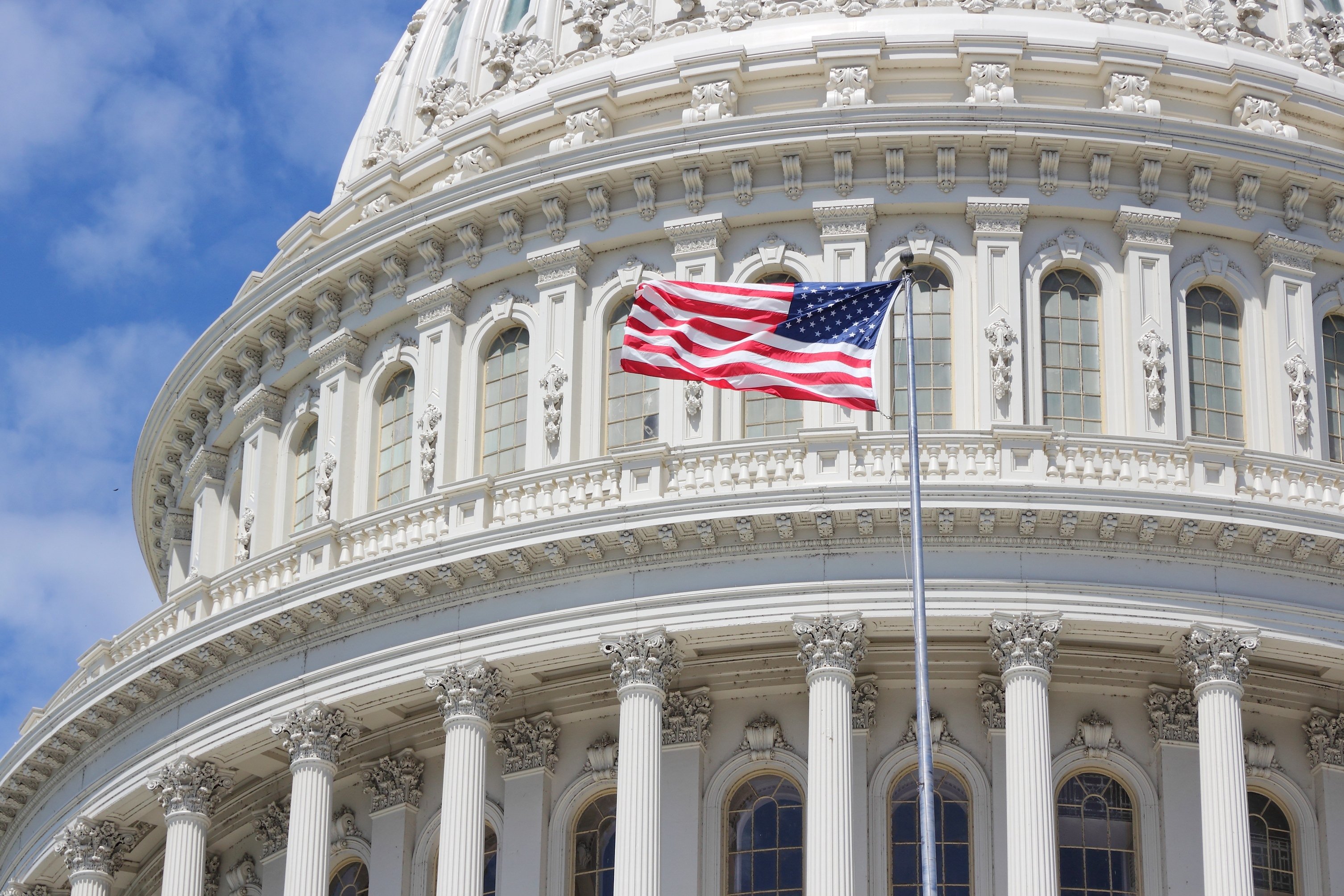
Michael Calabrese, director of the Wireless Future Project at New America's Open Technology Institute, testified before the Senate Commerce Subcommittee on Communications, Technology, Innovation, and the Internet on July 23, 2020 for a hearing discuss "The State of U.S. Spectrum Policy." There, he testified on spectrum management and the benefits of spectrum sharing general, as well as the importance of reforming the spectrum governance structure, next-generation Wi-Fi and its role in the future of connectivity in the U.S., the 6 GHz band, the 5.9 GHz band, the lower 3 GHz band, the 12 GHz band, and how unused C-Band spectrum can be used for fixed wireless services that could help bridge the digital divide. The Oral Testimony is available below, and the full written testimony can be accessed here.
Good morning Chairman Thune, Ranking Member Schatz, and members of the Subcommittee. My name is Michael Calabrese. I direct the Wireless Future Project at New America’s Open Technology Institute.
The Subcommittee’s focus on spectrum policy comes at a critical time. The pandemic has only reinforced how both high-capacity and affordable broadband connectivity are essential for working, learning and living well at home. As the world goes wireless, the demand for mobile connectivity and spectrum is surging. While this suggests that spectrum capacity is scarce, the reality is that smart spectrum policy can unlock an abundance of wireless bandwidth by authorizing dynamic spectrum sharing in a larger number of underutilized bands.
In recent years, the FCC has made enormous progress in opening federal and commercial bands for more intensive, shared use through policy innovations that have put the U.S. on a path to the world’s most robust 5G wireless ecosystem. A leading example is the new Citizens Broadband Radio Service. CBRS uses sensing and a geolocation database to coordinate the sharing of federal spectrum with U.S. Navy radar. In addition, the database also facilitates a “use-it-or-share-it” rule that authorizes the temporary use of unused Priority Access Licensed spectrum – both now and indefinitely following the PAL auctions that begin today. This use-it-or-share-it approach should be applied to other underutilized bands. As a default rule, it can put vacant spectrum to use in rural, tribal, and other underserved areas.
Another world-leading example of the FCC’s innovative leadership is its unanimous vote in April to authorize unlicensed use of unused spectrum across the entire 6 GHz band – a total of 1,200 megahertz. Chairman Pai and his colleagues deserve enormous credit for recognizing that with shared access to the entire 6 GHz band, Next Generation Wi-Fi can accelerate the availability and affordability of innovative new 5G applications and services – such as telehealth, and augmented reality. Enabling gigabit-fast Wi-Fi 6 will quickly benefit all homes, businesses, and schools – including in rural, small town and less affluent areas that are unlikely to see mobile carrier 5G buildout for many years.
Two issues remain pending on 6 GHz that are critical to the value of Wi-Fi 6 for consumers. One is power levels: A modest increase is needed for indoor-only use so that gigabit-fast Wi-Fi routers can continue to cover the typical home and small business reliably and at a reasonable cost. The other is the authorization of Very Low Power devices, such as connected glasses and other wearables, that consumers can use indoors and outdoors, unburdened by a requirement to be under the control of a geolocation database.
Because sharing and reorganizing spectrum bands have become the new normal, it’s crucial that the FCC and NTIA cooperate more closely than ever to unlock unused spectrum. An example is the nearly vacant 5.9 GHz band allocated 20 years ago for auto safety. We strongly support the FCC’s proposal to reallocate at least the lower portion of the band for unlicensed use. The FCC should also consider relocating auto safety applications to the nearly vacant public safety band at 4.9 GHz, thereby removing the roadblock to a contiguous Wi-Fi “Superhighway.”
As the 5.9 and 6 GHz debates demonstrate, because all very useful spectrum is occupied, the FCC faces the adamant opposition of incumbents in every proceeding aimed at opening up unused spectrum. These spectrum “turf wars” and tensions are particularly discouraging on the federal side for two key reasons: First, because the FCC is the expert agency in the best position to evaluate competing technical studies related to the risk of truly harmful interference. Second, the number and intensity of recent disputes suggest a lack of effective consultation and coordination. My written testimony suggests four changes that could greatly improve the functioning of our nation’s split system for allocating and governing spectrum.
Finally, the FCC – or Congress – should immediately extend the Tribal Priority Window for access to vacant 2.5 GHz spectrum set to expire on August 3d. This is a rare opportunity for Tribes in rural areas to access unassigned spectrum, but in this crisis they haven’t had sufficient time to take advantage of this opportunity.
Thank you for inviting me to testify today.
Issues
Programs/Projects/Initiatives
Related