
8/31 FCC Coalition Reply Comments Regarding Proposed Changes For Next-Generation Broadcasting
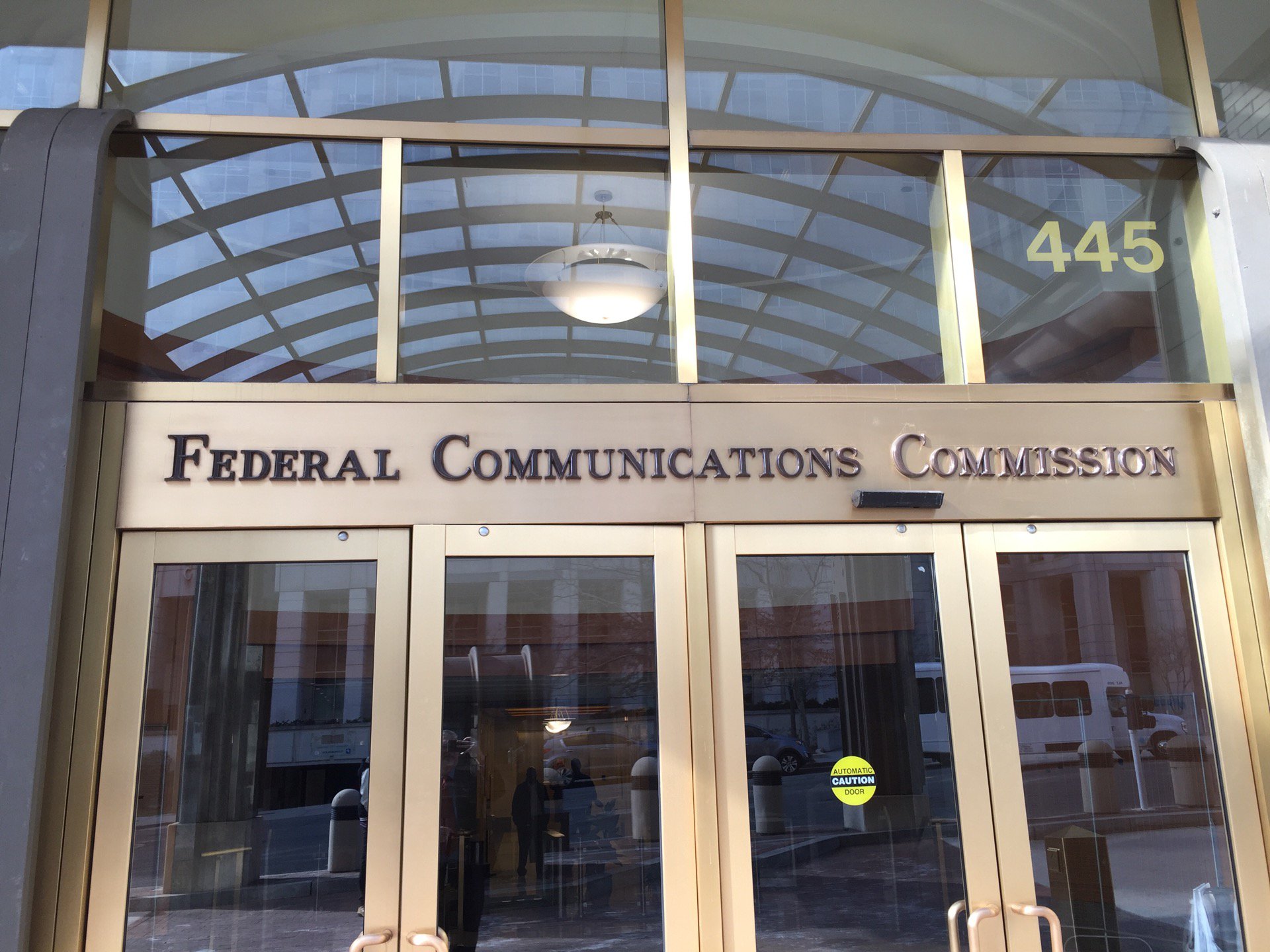
New America's Open Technology Institute filed reply comments with Public Knowledge and Consumer Reports urging the Federal Communications Commission ("Commission") to reject proposals that would negate the FCC’s statutory mandate to collect ancillary fees on non-broadcast revenues or that would reduce the quality of over-the-air signals to consumers as broadcasters transition to ATSC 3.0 next-generation broadcast technology.
Unsurprisingly, numerous broadcaster-allied commenters in this proceeding are attempting to find ways to reduce the ancillary service payments to zero. These arguments can essentially be divided into two categories: pay us for what the statute already requires us to do, or create an “incentive” for something we plan to do anyway. Proposals to allow inclusion of the cost of infrastructure as a credit against fee calculation, for example, or to eliminate fees for services that serve the public interest, ignore the fact that Congress already decided how to balance out these incentives. Every provider must spend money to build infrastructure. Every use of the public airwaves must affirmatively serve “the public interest, convenience, and necessity. Specifically, Section 336(a)(2) requires that any ancillary services the Commission’s rules authorize serve “the public interest, convenience and necessity.”
Congress clearly intended that broadcasters bear the cost of building the infrastructure and accessing the public spectrum, just like any other provider of wireless services must do. As the legislative history makes clear, whereas broadcasters receive free spectrum so the they can serve as trustees to their local community with free over-the-air (OTA) broadcasting (and that viewers should be subsidized to transition to digital television, not licensees), Congress intended that services ancillary to free OTA broadcasting should be treated in the same way as other wireless service. I.e., that the provider bears the cost of building the infrastructure and that any services offered must serve the public interest.
Congress instructed the FCC to treat broadcaster ancillary services in the same manner that it treats other providers of similar services, and to use auction revenues as the touchstone for determining the scope and limits of the ancillary fee. The Commission does not credit mobile licensees for the cost of meeting their build out obligations as an offset against their winning auction bids. The Commission does not waive the requirement to bid at auction if the licensee leases out capacity, or has a tower building company build out the infrastructure. Similarly, the statute does not permit the Commission to offset the cost of infrastructure or providing ancillary service, no matter how structured or who pays whom.
Public Knowledge, Consumer Reports, and the Open Technology Institute at New America (collectively the “Public Interest Commenters”) support the proposal from NCTA and ATA to conduct an economic analysis to determine the ancillary fee based on the statutory criteria and urges the FCC to consider the costs consumers will incur to upgrade. These costs could form the basis for an appropriate lower bound of the ancillary and supplementary fee.
In contrast with their eagerness to avoid paying the ancillary fee, broadcasters and their supporters argue that the current requirement to provide a single standard definition (SD) free broadcast signal adequately fulfills their statutory requirement as broadcasters to provide free OTA television to their local community. Broadcasters (and the Commission) should recall that Congress limited the initial distribution of the advanced service licenses to existing broadcasters, in recognition of the vital importance of broadcasting. With regard to the provision of ancillary services, Congress mandated both that provision of ancillary services did not relieve broadcasters of their public interest obligations, and that provision of ancillary services could not derogate existing broadcast services. Nevertheless, broadcasters urge the Commission to do effectively just that, by allowing broadcasters to eliminate HD programming in ATSC 1.0 and replace it with SD broadcasting while the simulcast requirement remains in effect. Additionally, the Commission has done nothing to enhance the public interest obligations of digital programmers since adopting the enhanced disclosure requirements in 2004, aside from mandatory enhancement of the Emergency Alert System as directed by Executive Order.
To conclude, neither the Commission nor broadcasters write here on a blank slate. The issues discussed here are the exact same issues the Commission resolved in the first digital transition. The Commission has already made determinations that the statute requires collection of the ancillary fee in addition to requiring that broadcasters pay for the cost of deployment of these profit-generating non-broadcast services. Likewise, the Commission has previously determined that enhanced digital technologies require broadcasters to upgrade the manner in which they serve their local communities through enhanced free OTA broadcasting. There is no change in circumstances or technology that permits the Commission to alter the balance struck by Congress and embodied in the relevant sections of the Communications Act. The Commission should therefore reject the arguments proffered by broadcasters in favor of reducing ancillary fees or for maintaining the outdated requirement to maintain a single SD channel – especially where a broadcaster would replace an existing HD channel.
Downloads
Issues
Programs/Projects/Initiatives
Related