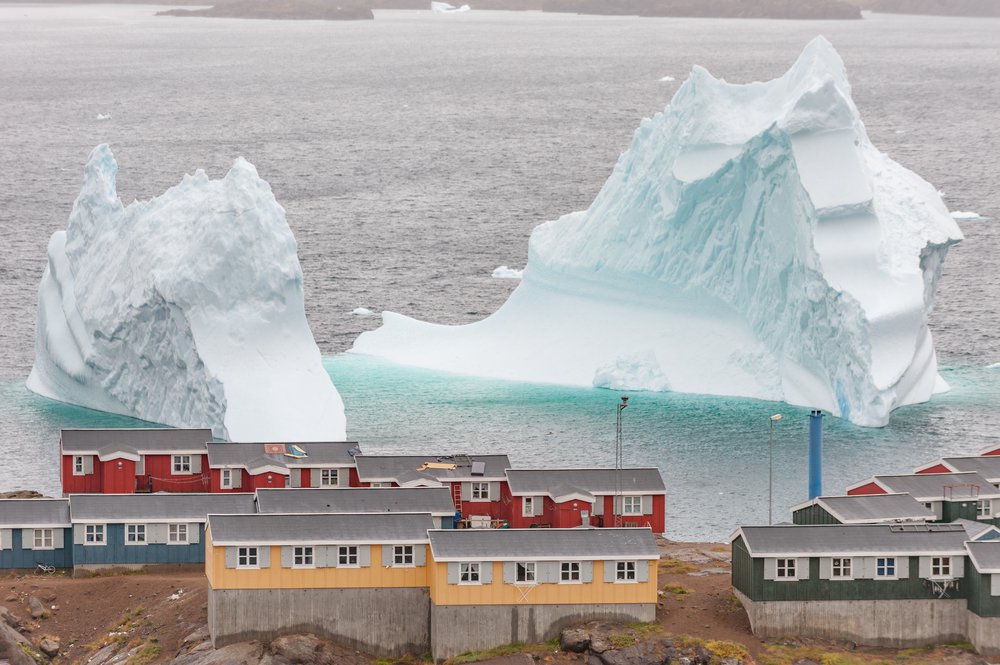
What Does Climate Change in the Arctic Have to Do with Property Rights?
This series introduction highlights key cases and provides context for larger climate-related trends in the Arctic and how they relate to land, housing, and property rights.
A blog series from New America’s Future of Land and Housing program
Climate change is irreversibly altering Arctic ecosystems and landscapes. Rising sea levels and thawing permafrost are negatively impacting food security, land and water resources, community livelihood, and health.
A warming Siberian tundra is changing reindeer migration patterns, challenging resource access for Indigenous Peoples and threatening livelihoods. Melting glaciers in Iceland are creating the unusual problem of rising land, which is damaging infrastructure and complicating land use policies. And in Alaska, some coastal villages are forced to relocate due to rising ocean waters—presenting a financial and moral challenge to communities whose worldviews and cultural heritage are largely tied to their land.
These challenges may seem local, but the drastic consequences for housing, land, and property rights in the Arctic will play out globally in the coming decades. So what can we learn from these Arctic experiences? This blog series on property rights in the Arctic explores the intersection of land and climate change, and discusses local, national, and international responses to an increasingly dire situation up north.
This series introduction highlights key cases and provides context for larger climate-related trends in the Arctic and how they relate to land, housing, and property rights.

Reindeer are the cultural, economic, social, and spiritual foundation for many Indigenous herder communities in Scandinavia and Russia. Climate change threatens not just their survival—but also the way of life for Indigenous herders who rely on them for nearly every basic need.

Iceland is gaining land as glaciers melt, raising questions of ownership, conservation, and resource governance. Planting trees on newly exposed land—afforestation—offers one promising strategy.
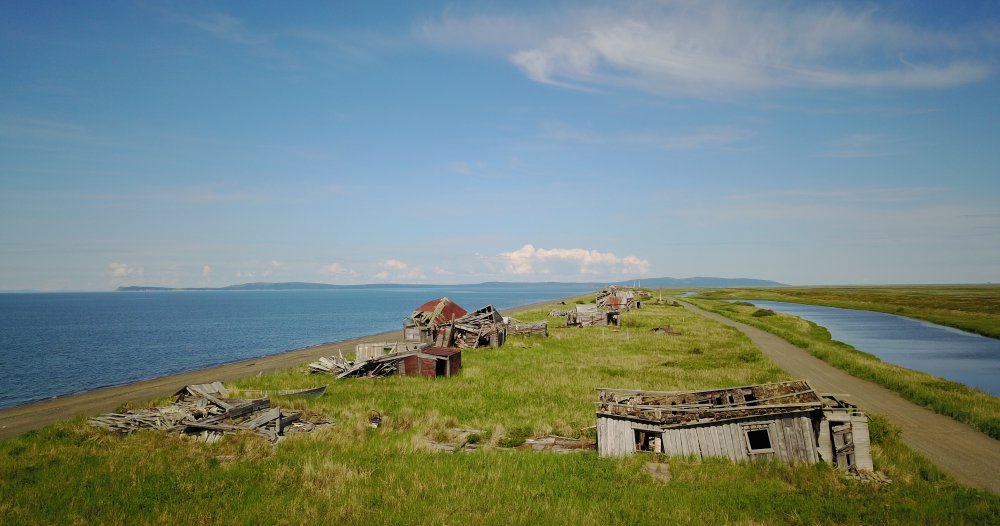
As rising sea levels force Alaskan Indigenous communities to consider relocation, there is no set approach for cooperation across tribal, local, state, and federal levels to aid this process. That needs to change as oceans continue to rise.