
Video: Improving Pre-K Outcomes Through Assessments
Easy-to-understand explanations about the importance of improving pre-K outcomes
Educators need reliable information to better understand children’s early experiences and decision-makers need accurate data to make worthwhile investments in early learning. Strengthening pre-K measurement tools, data systems, curricula, and instructional supports can play a critical role in improving kindergarten readiness outcomes for children, especially Black and Latino children and children experiencing poverty.
Currently, the early education field lacks measurement tools and data systems that prioritize equity and are reliable, free from bias, value cultural and linguistic diversity, and easy for teachers to use. Educators deserve improved tools to help them accurately measure a child’s early development and then easily share that information with families. For the past year, New America’s Early & Elementary Education Policy program has been focused on different methods for improving pre-K outcomes through improved data and assessments.
Below we have curated work related to pre-K assessment and data systems, including reports, blog posts, events, and other resources. We will continue to update this page to provide writing and resources that reflect what we are learning over the next year.
Easy-to-understand explanations about the importance of improving pre-K outcomes

In expanding preschool programs, states and localities can take advantage of the increasing evidence base on effective, equitable assessment.

A video recording of the event "Reimagining Pre-K Assessments for Dual Language Learners".

Early learning assessments are a critical source of information. Educators can use assessment data to tailor instruction, families to better understand their children’s development, and state and local leaders to make policy and resource allocation decisions. We interviewed 53 state partners to gather information about their assessment and data practices.
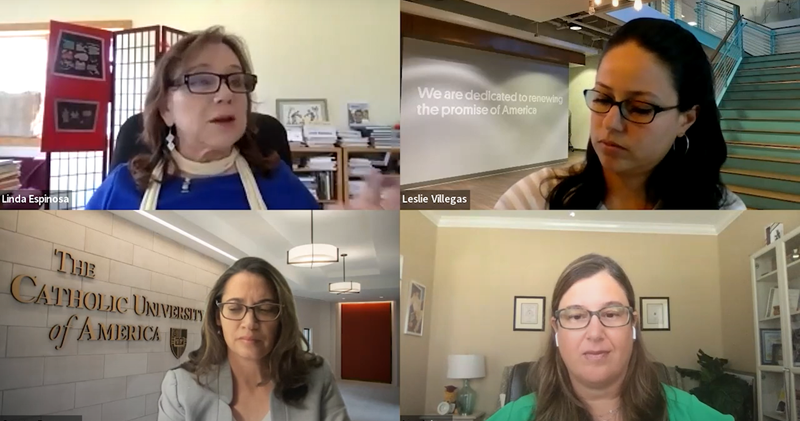
On July 6. 2022, New America partnered with MDRC to host a virtual event on reimagining pre-K assessments for dual language learners (DLLs) where we brought together four researchers and practitioners dedicated to ensuring that assessment tools and practices equitably address DLLs’ particular needs. We followed up with two of the panelists to gather their insights on four key questions that we were not able to answer during the event.

Head Start educators reported on challenges they’ve faced collecting and using assessments and identifying opportunities for improvement


New America and MDRC recently hosted a webinar bringing together leading researchers and practitioners working with DLL communities to envision new assessments for DLLs. These experts surfaced several core aspects of an accurate, actionable, and equitable assessment approach for DLLs.

In April, New America partnered with the Alliance for Early Success, MDRC, and the Raising Child Care Fund to host a convening with a small group of early childhood leaders and advocates: Reimagining Assessment to Build Stronger, More Equitable Early Learning Programs.

Pre-K programs need access to robust assessment data to create high-quality learning environments. Having information on the full range of children’s skills helps teachers individualize instruction, allows programs to ensure that children are making important gains across the school year, and helps policymakers make better investments in early learning systems.

As pre-K programs explore strategies for engaging diverse families to better serve young children, centering family voices around assessments is important for reducing barriers to parent engagement, particularly for those from socioeconomically and racially marginalized groups.
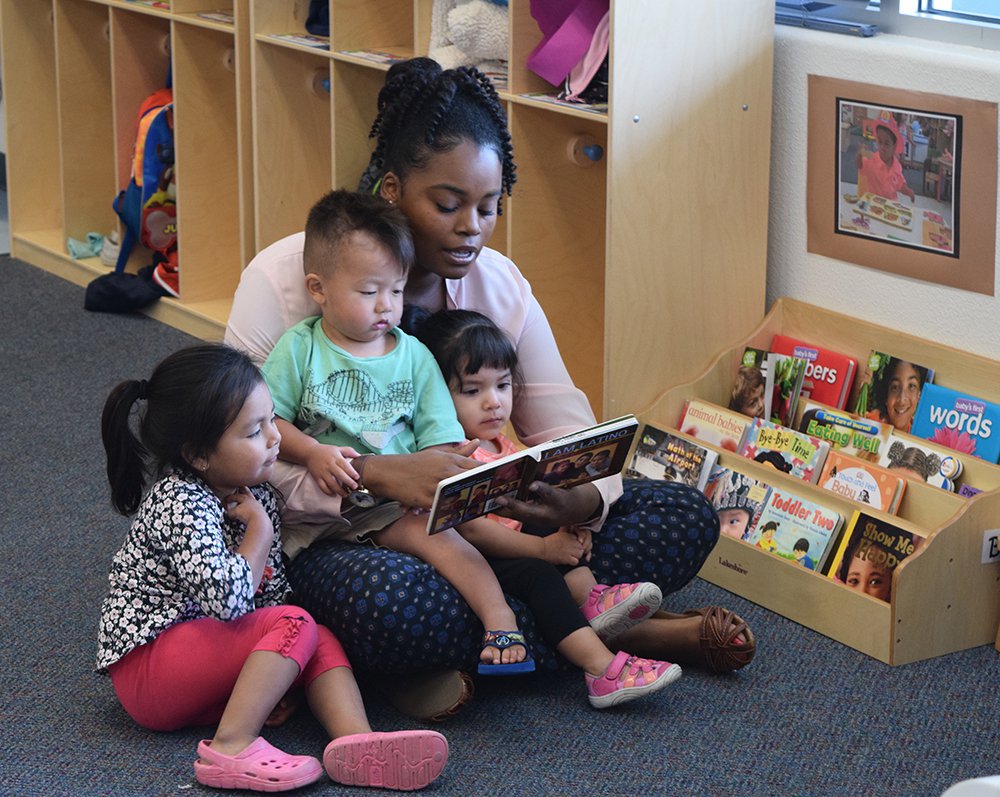
When teachers have easy to understand information about what children know when they enter pre-K – and how those skills are changing across time – they can more effectively tailor instruction rather than teaching skills that are much too advanced or providing content that simply repeats what children already know.
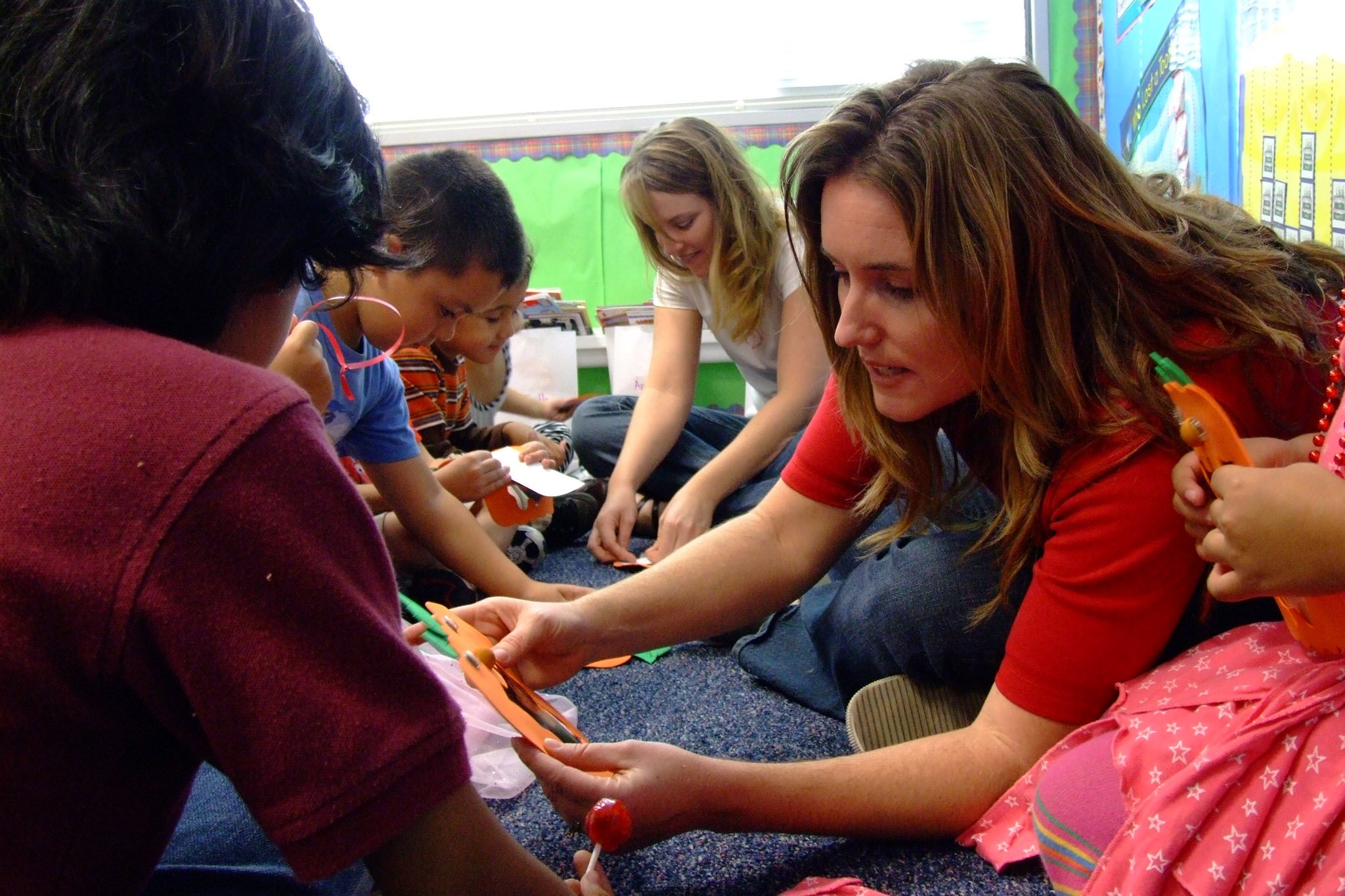
States and districts continue to expand access to publicly funded early learning programs, pre-K assessment systems can be an effective tool for improving instruction, supporting family engagement, and understanding how pre-K is impacting kids. As Congress considers historic investments in early learning, policymakers can learn from states’ experiences to begin strengthening their own assessment systems now.


This brief synthesizes recent interviews with state and national ECE leaders who are actively working to address DLL data gaps

Easy-to-understand explanations about the importance of improving pre-K outcomes

Variations in pre-K data capacities impact states' ability to understand access, experiences, and outcomes for families and the workforce

In this blog series, we interview different groups of stakeholders to highlight how they use pre-K data in their roles to inform policies and practices at the classroom, program, and state level. The following blog post, featuring the perspectives of program leaders, is the first in the series.

Ensuring the successful implementation of these new assessment tools and data systems requires an understanding of how data are collected, analyzed, and shared. This blog post is part of a series that explores the use of pre-K data to inform policies and practices at the classroom, program, and state level.

Pre-K data use at the state level is a powerful tool. Data influence where future investments go, strengthen advocacy efforts, and impact a large population of children, families, and the workforce. It can build an understanding of the how and why of pre-K for policymakers and administrators who don’t work in classrooms so that they can better support those who do.

Even if the pre-K program has a supportive data culture, a teacher’s time is limited, calling into question the long-term sustainability of these practices and emphasizing the need for improved data systems that work better for the ones who are responsible for collecting the information.

To build a robust early childhood system, states need access to accurate and reliable data. With data, states can identify areas of need, inform policy, support continuous quality improvement, and most importantly, ensure that children and families have access to the high-quality services they need to succeed and thrive.
Many states, however, lack comprehensive early childhood data. For example, during the onset of COVID-19, states lacked data on how to answer basic questions about children’s access to care, program quality, and workforce needs, affecting their ability to efficiently and effectively respond to family and community needs.

Integrating data from multiple sources really matters in a fragmented system like early childhood

The federal investment has the transformative power to create positive change in ECE systems, including making systems more equitable.

Much more work is necessary to ensure that DLLs and LEP families can apply for and enroll in programs without facing language-related barriers and be full, active participants in programs in the same manner as their English-speaking peers. The report provides actionable recommendations to strengthen existing policies and establish language access services as a foundational component of early childhood programs.

Early learning assessments are a critical source of information. Educators can use assessment data to tailor instruction, families to better understand their children’s development, and state and local leaders to make policy and resource allocation decisions. We interviewed 53 state partners to gather information about their assessment and data practices.

The challenge is designing and implementing a curriculum that balances structure with exploration, aligning adult guidance with children’s natural learning processes to support meaningful application.
The committee’s report notes that “perhaps the most unfortunate” false dichotomy in the early education field is play and academics.
A high-quality preschool curriculum gives children opportunities to build both social-emotional and cognitive skills as they learn.
A summary guide offers decision-makers practical tools for implementing the recommendations of the NASEM report.
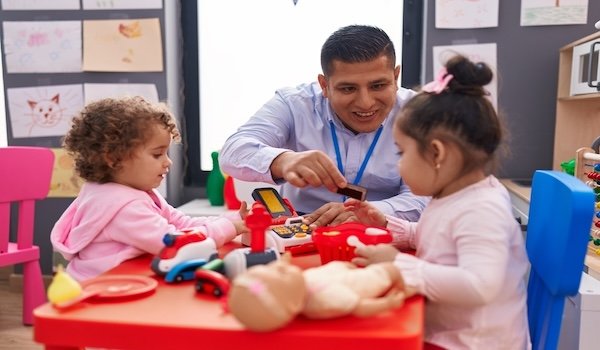
To build on the learning children gain from a high-quality preschool curriculum, the preschool years need to be followed by meaningful learning in early elementary grades.
Pre-K teachers can help parents in understanding the importance of play-based learning.

A national survey of pre-K teachers serves as a valuable supplement to the NASEM report
National Academies report highlights need for more research and resources for inclusive settings

Summary of the report from the National Academies of Sciences, Engineering, and Medicine examining pre-K curriculum quality for children from ages three to five

Easy-to-understand explanations about the importance of improving pre-K outcomes

Takeaways from National Academies sessions on curriculum adoption and implementation from a state or local context.

A Q&A with expert Dr. Jeanne Reid of Teachers College.

The committee will issue recommendations for creating “A New Vision for High Quality Pre-K Curriculum” for children ages three through five.

Speakers presented and discussed their work with the Committee on A New Vision for High Quality Pre-K Curriculum.

Considerations when enacting and selecting pre-K curriculum.

New research gives guidance for state and district leaders

Play and academic instruction are a powerful combination in early childhood education.
Enjoy what you read? Subscribe to our newsletter to receive updates on what’s new in education policy!