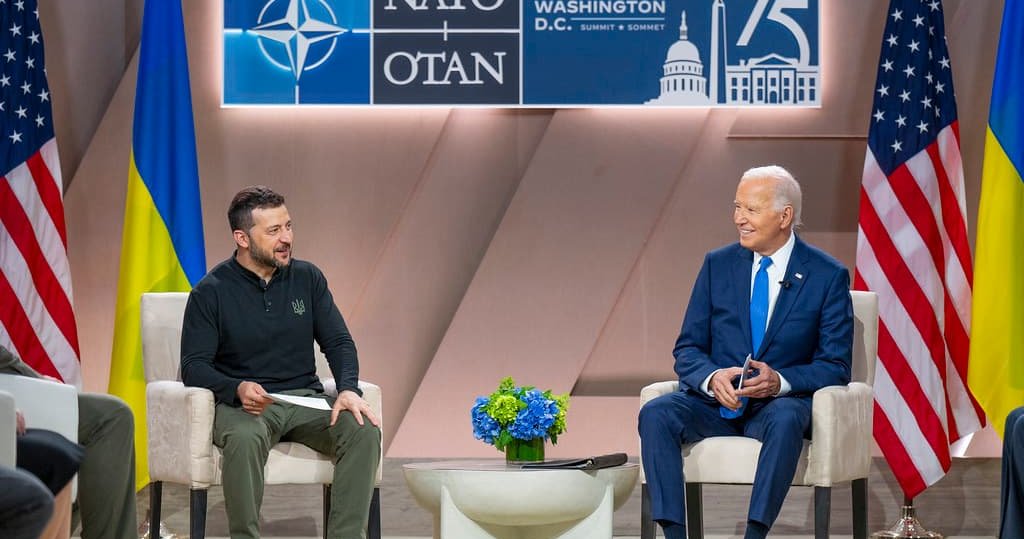
America’s Global Role
Key findings of 2023 Chicago Council Survey reveal how Americans view the U.S. role in the world.
Findings from the Chicago Council Survey
For the second year in a row, the Chicago Council on Global Affairs and New America partnered to conduct novel research on partisan, racial, and generational views as part of the Chicago Council Survey. Find key findings below on how Americans view the U.S. role in the world, Israel’s War in Gaza, and Russia’s War in Ukraine.
Key findings of 2023 Chicago Council Survey reveal how Americans view the U.S. role in the world.
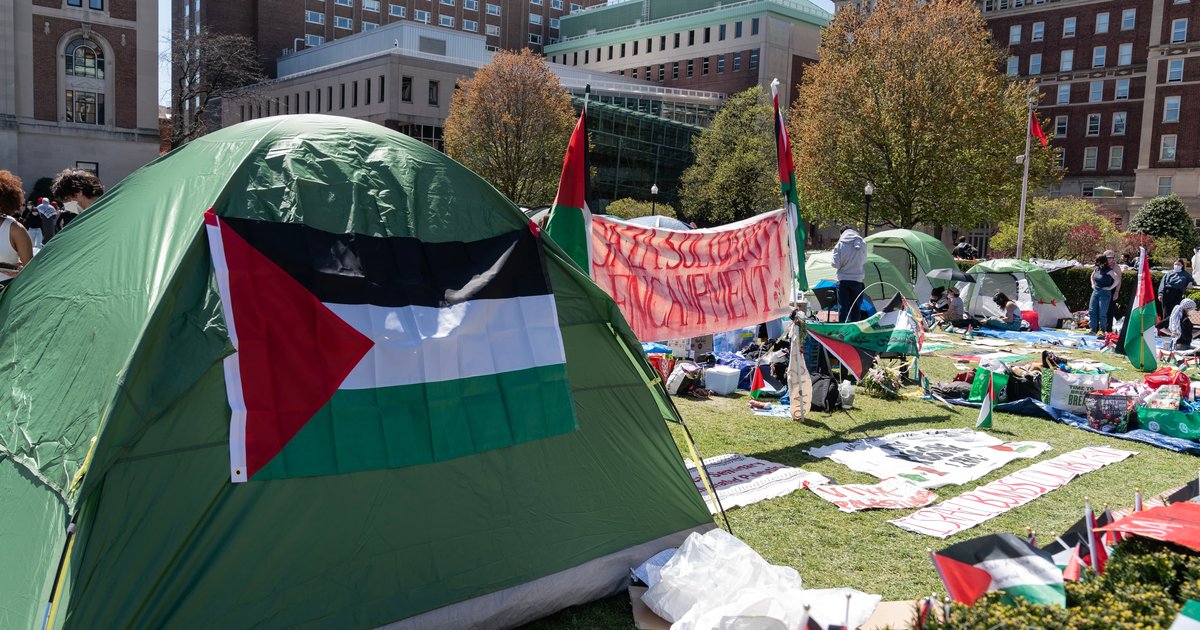
Key findings of 2023 Chicago Council Survey reveal how Americans view the U.S. role in Israel’s War in Gaza.

Key findings of 2023 Chicago Council Survey reveal how Americans view the U.S. role in Russia’s War in Ukraine.
The Chicago Council on Global Affairs and New America partnered to conduct novel research on the views of Black, Asian, Hispanic, and Native Americans as part of the 2022 Chicago Council Survey. Find key findings on how non-white Americans view challenges like climate change, immigration, and the use of military force below.
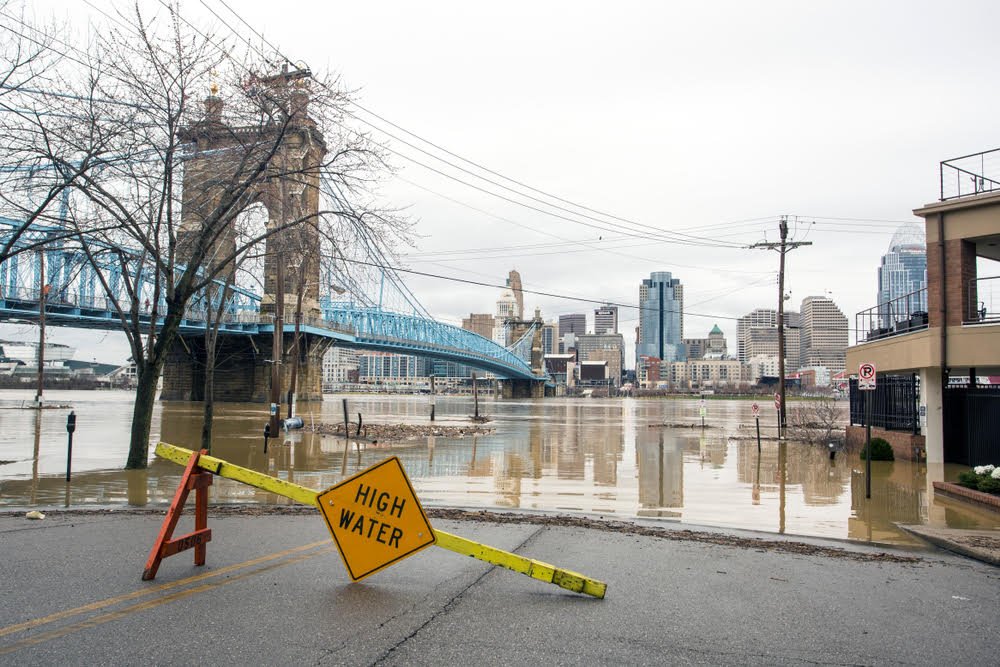
As the world becomes hotter, wetter, and drier, the impacts of climate change hit differently in the United States.
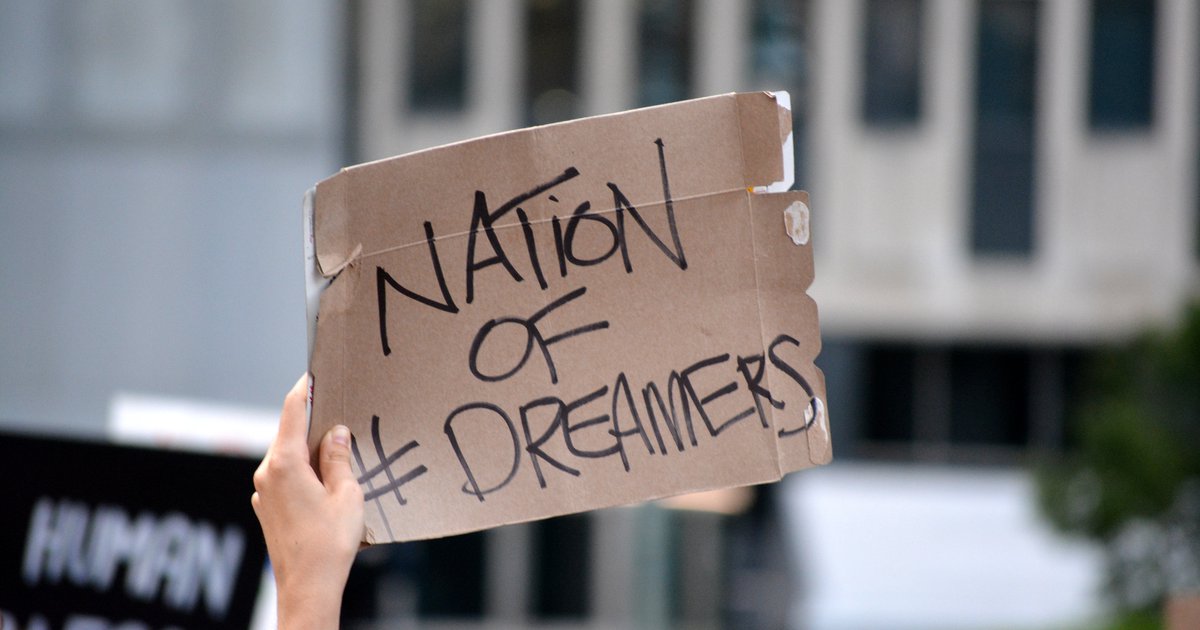
As the United States grows increasingly diverse, thoughts on immigration may not be as tied to personal immigrant histories as we thought.

Opinions on use of force and military interventions are shifting across the board, but even more so in some communities.
Learn more about what a more nuanced view of U.S. public opinion on foreign affairs could tell us about where perspectives on everything from terrorism to climate change converge and diverge in a rapidly diversifying America.
The starkly different foreign policy stances of U.S. presidential candidates could influence the election outcome at the margins.

The Chicago Council on Global Affairs and New America offer new research on the views of non-white Americans on national security issues.
This report analyzes how Americans’ perceptions of what constitutes a national security threat have changed and how to meet these challenges.