Past Event
[ONLINE] – Centering Immigrant Families in the Future of Early Education and Care
- Virtual
- 12PM – 1PM EDT
The pandemic highlighted the importance of the childcare sector as its collapse drove mothers out of the paid workforce, potentially undermining family economic security and setting gender equity back a generation. However, the role of early education and childcare is even more far-reaching.
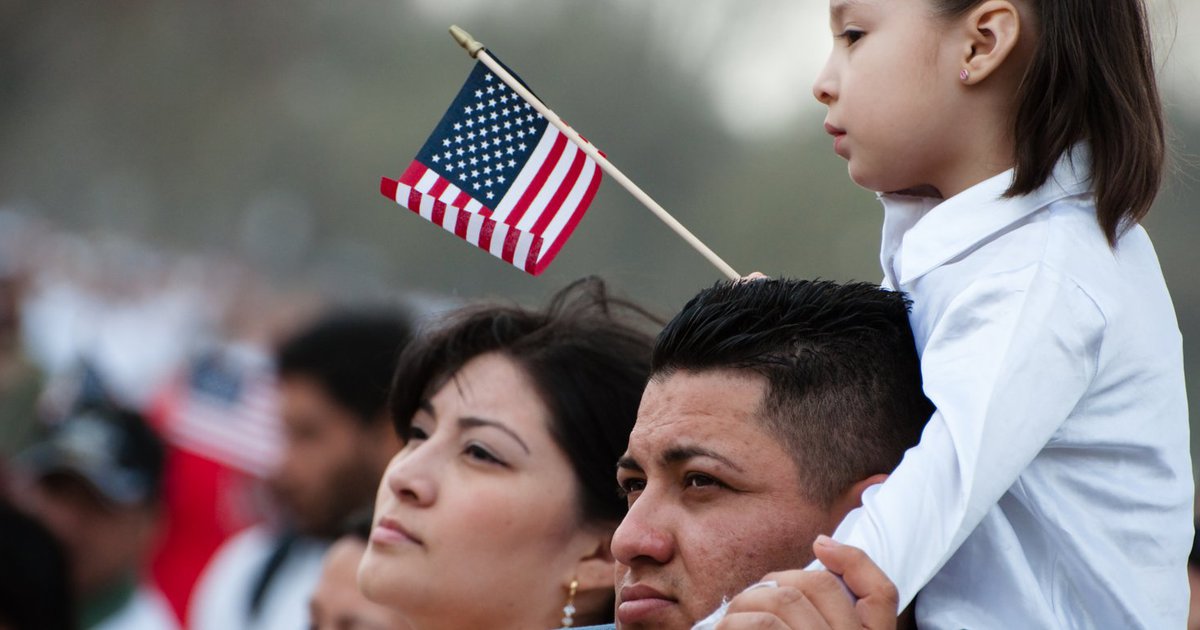
There are approximately 18.5 million children of immigrants in the US, and more than 94 percent of children of immigrants under the age of six are US citizens. By 2025, children of immigrants will make up nearly one-third of the US child population. As a result any discussion on early education must include young children of immigrants and the necessary implementations for their wellbeing and academic success.
Early childhood education promotes the development of children, helps immigrants’ children adapt to a new socio-cultural environment, mitigates the impact of trauma, and offers critical wrap-around services. Learning environments attentive to safety and trust through consistent routines and expectations can restore a child’s feelings of control after adverse experience.
Access to early education is an equity concern. In the United States, 90 percent of families in the top 20 percent of income distribution are already purchasing preschool education for their children. In contrast, among families in the lowest 40 percent of income distribution, fewer than 60 percent of children are enrolled in preschool education. This inequity produces gaps in cognitive, linguistic, social, and emotional skills that become evident well before children enter kindergarten.
This event brings together the people who know the needs of children of immigrants most intimately–the immigrant mothers who focus on early education in their work. They will share their own experiences as mothers, knowledge makers, and teachers in order to provide adequate resources and support for children of immigrants.
This conversation will not only make policy suggestions, but also recommendations that anyone can adapt daily in their own work with young children of immigrants and their families. You will see that the strategies that assist children of immigrants, as universal design, will actually benefit all children and their families.
The event will not be recorded in order for us to be able to speak, perhaps, more freely about the realities of refugee and immigrant families.
Panelists:
Soad Altaai
Pamoja Early Childhood Education and Workforce Pathway Program
Najat Abdulhafilth
Pamoja, Family Friends and Neighbors (FFN) Family Home Training Program
Maki Park
Migration Policy Institute
Yizel Romero Octaviano
Briya Public Charter School