
Microinsurance “Leaps” Onto Global Asset Building Scene

After years debating its effectiveness and sustainability, microinsurance may soon be as attainable as microcredit to low-income people in developing countries. LeapFrog Investments, the world’s first microinsurance private-equity fund, just announced it has raised nearly $140 million to invest in microfinance and insurance companies in Africa and Asia. Their goal is to provide small-scale insurance to as many as 25 million poor people. LeapFrog surprised microinsurance skeptics when it surpassed its original investment goal of $100 million within just 18 months. It is now the largest microinsurance fund in the world.
Not entirely unlike insurance policies in the US and other industrialized nations, the aim of microinsurance is to protect the assets of low-income businesses, individuals and families from economic shocks brought on by illness/death, accidents, natural disasters, poor crop yields, etc. As an effective risk management policy, microinsurance allows poor people the ability to make productive investments such as in small businesses, education, or healthcare, with the peace of mind that they won’t lose everything due to a death in the family or a devastating flood. Unfortunately, penurious people in the developing world are more prone to health issues, unsafe work environments and natural disasters, exacerbated by global warming.
This all sounds quite ideal, but will it work? As with some high MFI interest rates and fees, it will be important to monitor microinsurance policy costs to assure affordability and product worth for BOP consumers. Insurance companies in previous generations often found smaller policies in developing countries to be wholly unprofitable – the administrative costs of servicing the policies were often higher than the policies’ associated premiums. Recently, however, insurance companies are finding that smaller policies in business/agriculture, life, healthcare, and beyond can make business sense, particularly if they can be offered efficiently, such as linking them to credit, savings or social protection schemes on a large scale. Mobile banking capabilities also help keep costs down for both policyholders and providers.
LeapFrog’s first and only investment to date is in South Africa’s AllLife, which provides life insurance to those that are HIV positive as well as those struggling with diabetes. With long-term monitoring and treatment, these policies can be profitable for AllLife and LeapFrog, while also providing an affordable social protection service to poor people struggling with HIV. Tom Brunner, General Council for LeapFrog, believes future investments could include a wide range of microinsurance services by companies providing property, pension and savings, life, and weather/natural disaster policies. He describes LeapFrog as being “right in the sweet spot of social investment today”. As the affordability and range of microinsurance products continue to grow, the greater the chances that the world’s poor will benefit.
More About the Author
Issues
Programs/Projects/Initiatives
Topics
Related
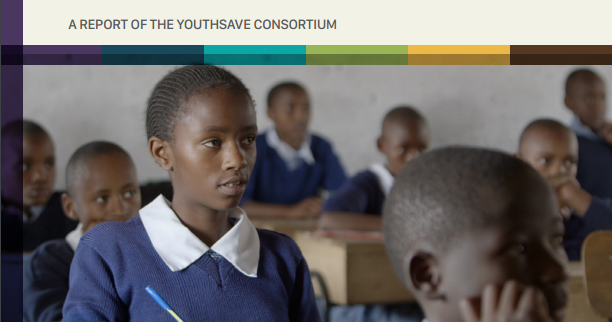
85,000 Low-income Youth Open Savings Accounts through YouthSave
A Conversation on the Weekly Wonk: Should We Bank On It?
Global Anti-Poverty Targets Tepid