
India’s Ambitious National ID Project, Offering New Opportunities for Financial Inclusion

The Indian government is undertaking a colossal new project to give each citizen a unique identification number which will consolidate an individual’s personal information and includes a full retinal scan and finger-printing. The project, UIDAI, is intended to consolidate the currently disparate and often confusing state identification methods in the hopes of making participation in a host of activities easier and more efficient, from voting in elections, to opening bank accounts. As lack of proper identification continues to be a barrier to financial inclusion for the poor, this initiative should help India’s poor gain access to a variety of financial and social services. In addition to streamlining proof of identification processes, the initiative will also help to properly allocate government subsidies and cash transfers to the proper recipients. Dispersing these goods, services, and state sponsored jobs has proven difficult in the past and is believed to have been mired in graft and corruption. The new ID project will try to address these problems and formally incorporate those currently living on the fringes of society. The project’s scope has also recently expanded to incorporate the Indian health ministry. Together, they are issuing smart cards to poor families in the hopes of improving health services for infants with free medical care and tracking vital health information on the system’s database. Similar to the upcoming US census, UIDAI will also create an estimated three million jobs and an untold amount of financial opportunities over the duration of the decade-plus long project. In addition to the advantages to the poor, many in the software, banking, and telecommunications industries will benefit greatly.
Some, however, are skeptical that the risks of the program outweigh the potential benefits. Beyond the inherent security risk of electronically compiling the personal information of (potentially) 1.2 billion people, which could lead to identity theft, there is also fear of civil rights abuses by the central government by tracking/monitoring citizens or selling their personal information to businesses and telemarketers. UIDAI refutes these claims and states, “The information being sought from the person is basic information which is currently available with several government and private agencies. The information that is unique to UIDAI is the biometric information. In order to protect the right to privacy of the individual the information on the database will not be shared with anyone”. While it is possible that some of India’s poor will see the benefits of continuing to operate on the fringes, those that choose to participate will find financial inclusion much more attainable than in the past.
More About the Author
Issues
Programs/Projects/Initiatives
Topics
Related
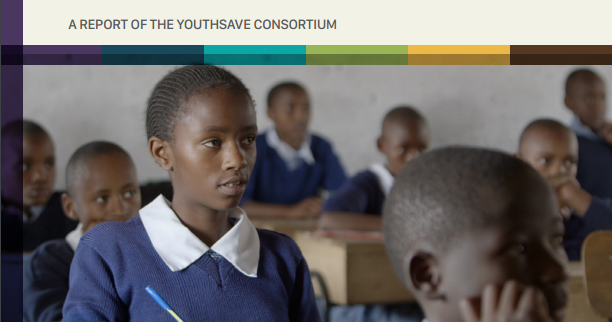
85,000 Low-income Youth Open Savings Accounts through YouthSave
A Conversation on the Weekly Wonk: Should We Bank On It?
Global Anti-Poverty Targets Tepid