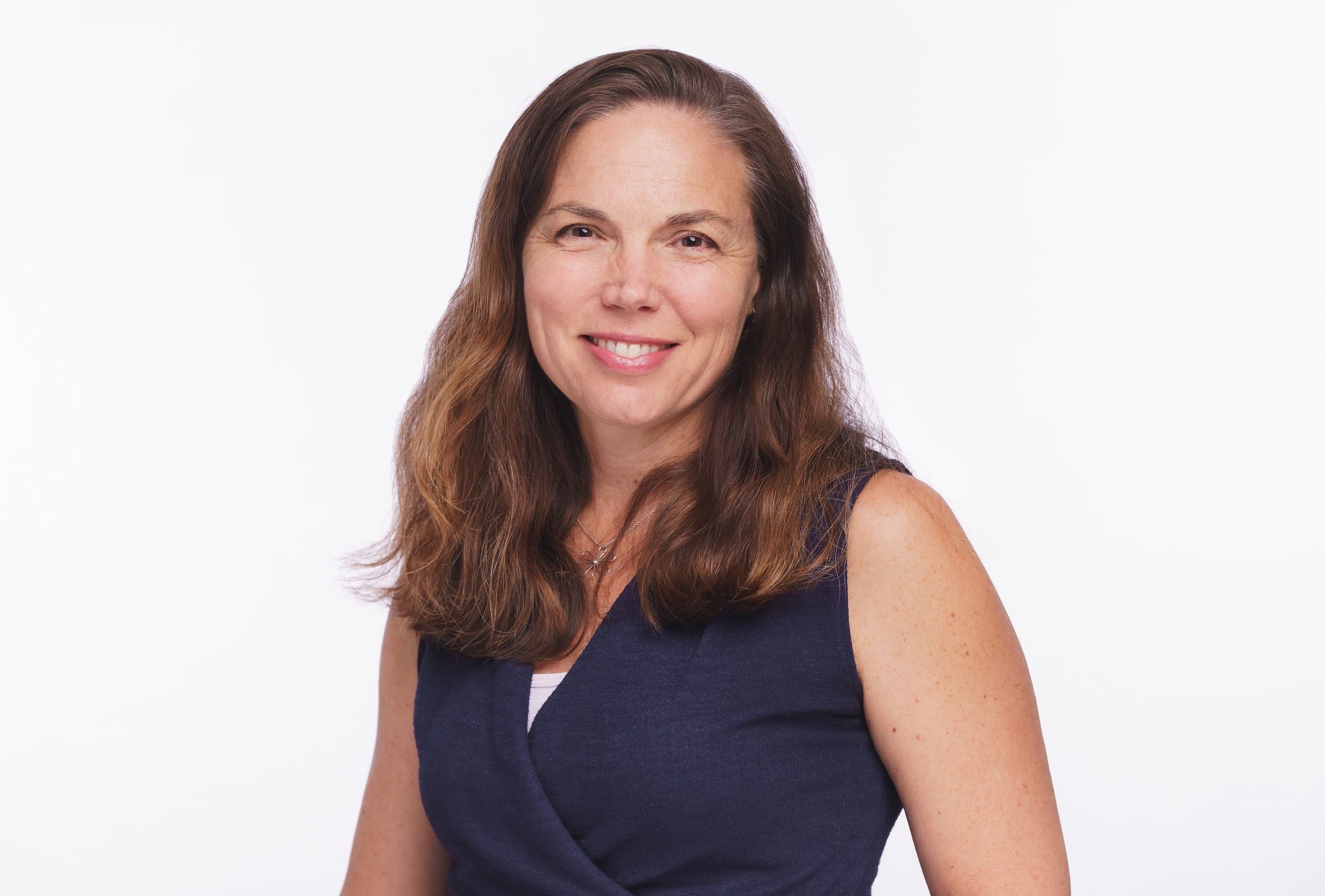
Lisa Guernsey
Senior Director, Birth to 12th Grade Policy; Co-Founder and Director, Learning Sciences Exchange

Not long ago, it was rare to see the words principals and early childhood educators in the same sentence. Elementary school principals, it was assumed, had to keep their eye on the later grades, especially those subject to the state’s standardized tests. Meanwhile, the words “early childhood” conjured visions of child care centers and preschools that were far removed from “real” school.
A bill introduced last month by Sen. Mark Udall (D-CO) shows that some policymakers are realizing just how badly that gulf needs to be bridged. The bill, which has four co-sponsors, envisions a professional development program for principals that recognizes the roles they can and should play in creating a high-quality education system for the primary years, stretching from pre-kindergarten up through third grade.
Ed Week‘s story yesterday described the impetus for the measure, which would amend the Elementary and Secondary Education Act. Here are a few more details:
Creating that “continuum” is a key purpose of the bill (available here in PDF). While the concept sounds jargonny, it is one that has risen to the top of education policy discussions in recent years. The idea is to help children glide seamlessly from one grade to another, instead of pushing and pulling them through a disconnected and misaligned set of experiences — one in which they may find themselves in a kindergarten that feels like a boring repeat of preschool or with a first grade teacher who has no idea how to build on what young children have already learned. Principals who understand how to build this continuum are essential to providing a high-quality, seamless system that helps students thrive academically and socially, thereby avoiding the costs of remediation services down the road.
Recognition of this continuum is something that we and other groups have been pushing for a long time. This spring, the Early Education Initiative and 14 other education groups submitted recommendations for ESEA that included support for professional development for elementary school principals. As we wrote:
Now more than ever, elementary school principals and other school leaders are becoming actively engaged in early learning, leading programs in their schools and communities that are positioning students for academic success. By partnering with early childhood programs to lay the foundation for later learning, they are taking critical steps to help disadvantaged children make smoother transitions to school-based settings to achieve greater levels of social, emotional and intellectual success, and ultimately greater academic proficiency.
It’s exciting to see more attention paid to the importance of school leaders who are well-versed in early childhood practices, and it’s encouraging to see these ideas within legislative language. The National Association of Elementary School Principals, which provided guidance during the drafting of the bill, is showing a keen ability to help lead the traditional school community to be part of the creation of more cohesive early childhood programs.
Not yet known, however, is how much money such a program would require — nor where the money would come from to fund it. Would the money derive from other professional development programs? Should it be part of larger efforts to build high-quality early education systems? These questions are no doubt on the mind of Congressional and federal policy makers as well as the NAESP and the National Association for the Education of Young Children, which has also recommended changes to ESEA to include professional development programs for principals.
The bill also has a long way to go. It now sits in the Senate’s Health, Education, Labor and Pensions Committee, which has yet to release a draft for reauthorization of ESEA. (Given the August recess, the November elections and the coming lame-duck session in Congress, most observers no longer expect any movement on ESEA until next year, if then.). As always, we will be watching and waiting, and we’ll keep you posted.
Senior Director, Birth to 12th Grade Policy; Co-Founder and Director, Learning Sciences Exchange